Knowledge
Knowledge
Greenhouse Thermometers for a Home Gardener
Introduction
As an avid home gardener, I’ve always been passionate about nurturing plants and witnessing them flourish under my care. One essential aspect of successful greenhouse gardening is maintaining the right temperature, as it directly impacts plant growth and health. In this article, I will delve into the world of greenhouse thermometers for a home gardener, exploring the various options available and offering helpful suggestions based on my experiences and research.
Understanding Greenhouse Thermometers
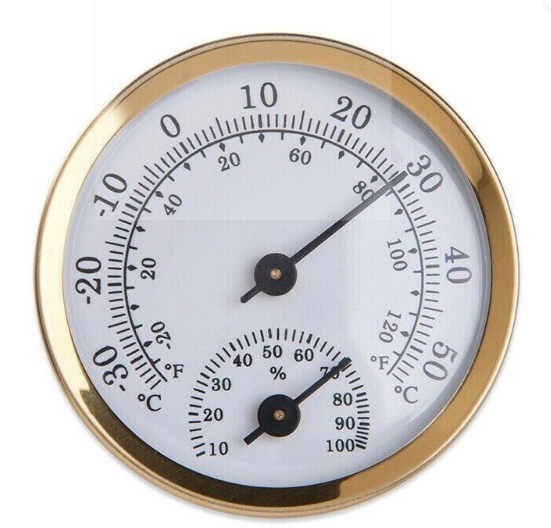
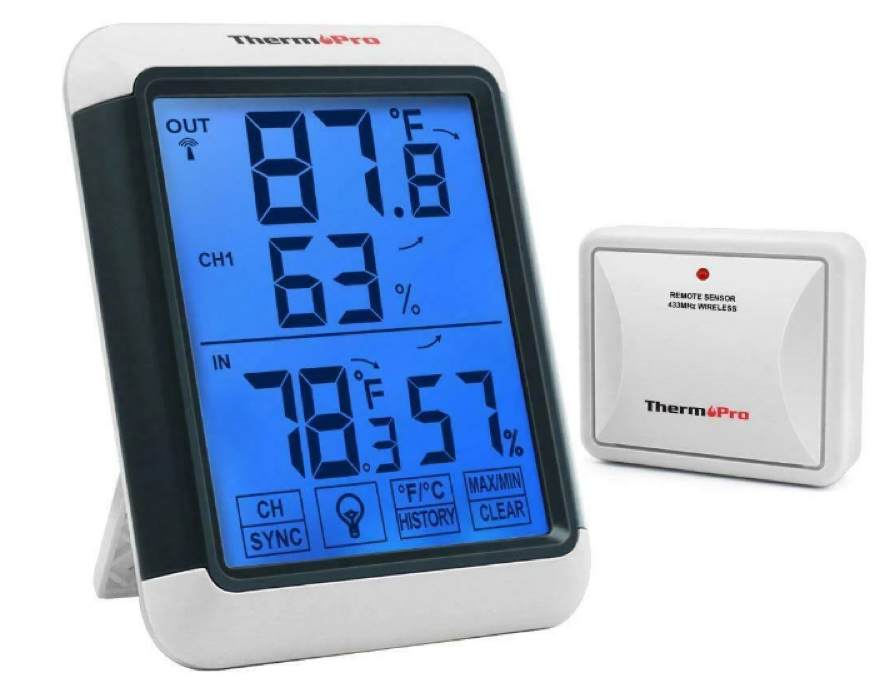
Greenhouse thermometers come in different types, each with its own set of advantages and disadvantages. Traditional analog thermometers are simple and reliable but may lack precision. On the other hand, digital thermometers provide accurate readings and may include additional features like humidity monitoring. For those seeking convenience, wireless thermometers allow remote monitoring, granting gardeners peace of mind even when away from their green sanctuaries.
Choosing the Right Greenhouse Thermometer
Selecting the ideal thermometer for your greenhouse requires consideration of several factors. Accuracy is paramount, as even slight temperature variations can significantly impact delicate plants. Additionally, opt for a thermometer with a suitable temperature range that accommodates both hot summers and cold winters. Durability is also vital since greenhouse conditions can be harsh. Look for thermometers designed to withstand moisture and fluctuations in temperature.
Installing and Placing Thermometers
Proper placement of thermometers is crucial for obtaining accurate readings. Place them at plant level, avoiding direct sunlight or drafts that could influence readings. Placing thermometers near heat sources, such as heaters or vents, will provide valuable insights into temperature distribution within the greenhouse. By avoiding common mistakes, like placing thermometers near open doors or windows, you can ensure more precise monitoring.
Monitoring and Recording Data
Regularly monitoring temperature data is essential for identifying trends and potential issues. Technology has made this task more convenient with the availability of smart thermometers that can be monitored remotely using smartphones or computers. By tracking temperature fluctuations, you can spot anomalies and take timely action to prevent any adverse effects on your plants.
Greenhouse Ventilation and Thermometers
The temperature inside a greenhouse is closely tied to its ventilation system. Greenhouse thermometers play a critical role in regulating airflow by providing insights into temperature changes. By understanding the relationship between temperature and ventilation, you can adjust openings and airflow to maintain the optimal growing environment for your plants.
Dealing with Temperature Extremes
During hot summers, managing high temperatures in a greenhouse can be challenging. Implementing shading systems, using evaporative cooling, or employing automated ventilation can help mitigate excessive heat. Conversely, in colder months, preventing frost and low-temperature damage is vital. Greenhouse thermometers will be your allies in ensuring your plants are safe during temperature extremes.
Greenhouse Automation and Thermometers
Advancements in technology have allowed the integration of greenhouse thermometers with automation systems. These setups offer several benefits, such as automated temperature control, remote monitoring, and data analysis. By embracing automation, you can better manage temperature fluctuations and focus on other crucial aspects of gardening.
Maintenance and Calibration
To guarantee the accuracy of your greenhouse thermometers, regular maintenance is essential. Clean the thermometers, inspect them for damage, and replace batteries if needed. Additionally, calibration ensures readings remain precise over time. Follow manufacturer guidelines or use calibration kits to maintain the integrity of your thermometer data.
Enhancing Greenhouse Climate Control
Greenhouse thermometers are part of a larger climate control system. Combining them with heaters and cooling systems optimizes environmental conditions for your plants. Creating a stable and controlled climate will encourage healthy growth and increased yields.
Eco-Friendly Solutions
For environmentally conscious gardeners, there are eco-friendly thermometer options available. Solar-powered thermometers or those made from sustainable materials reduce the carbon footprint of your greenhouse. Embrace eco-friendly practices in your gardening journey to contribute positively to the planet.
Budget-Friendly Thermometer Options
Starting a greenhouse need not break the bank. There are affordable yet reliable thermometer options suitable for home gardeners. If you are on a tight budget, consider DIY alternatives, such as building a simple thermometer using readily available materials.
Greenhouse Thermometers and Plant Health
Understanding the impact of temperature on plant health is vital for any gardener. Temperature influences seed germination, flowering, and fruiting. By utilizing greenhouse thermometers to maintain optimal temperatures, you can ensure your plants reach their full potential and thrive.
Troubleshooting Thermometer Issues
Occasionally, you may encounter problems with your greenhouse thermometers. Common issues include inaccurate readings or malfunctioning digital displays. Troubleshoot these problems with simple steps or seek assistance from reputable suppliers or professionals if needed.
Conclusion
As a dedicated home gardener, I can attest to the invaluable role greenhouse thermometers play in creating an ideal environment for plants to flourish. By understanding the various types of thermometers available, making informed choices, and implementing best practices, you can elevate your greenhouse gardening experience to new heights. Remember, maintaining a close eye on temperature fluctuations and responding appropriately will result in bountiful and thriving plants that bring joy and satisfaction.
FAQs
Can I use a regular indoor thermometer in my greenhouse?
While a regular indoor thermometer may provide basic temperature readings, it’s not the most ideal choice for a greenhouse. Greenhouse thermometers are designed to withstand the unique conditions of a greenhouse and offer more accurate readings in varying temperatures and humidity levels.
Do I need multiple thermometers for a large greenhouse?
Yes, having multiple thermometers in a large greenhouse is beneficial. Different areas within a greenhouse can experience temperature variations, and having several thermometers helps you monitor the conditions across the entire space.
Are wireless thermometers easy to set up and use?
Yes, wireless thermometers are typically user-friendly and straightforward to set up. Most models come with clear instructions, and once connected, you can conveniently monitor the temperature remotely using a compatible device.
Can greenhouse automation systems save energy?
Yes, greenhouse automation systems, when used efficiently, can save energy. They allow precise control over temperature and ventilation, ensuring that resources like heating or cooling are used optimally.
What should I do if my greenhouse thermometer shows inaccurate readings?
If your greenhouse thermometer displays inaccurate readings, you should first check if it needs calibration or battery replacement. If the issue persists, consider investing in a new, reliable thermometer to ensure accurate temperature monitoring.
Greenhouse Humidity Monitoring for a Home Gardener
Introduction
Hey fellow gardening enthusiasts! Today, I want to talk about an essential aspect of greenhouse gardening that often gets overlooked but can significantly impact our plant’s well-being – greenhouse humidity monitoring systems. As a passionate gardener myself, I understand how crucial it is to create the perfect environment for our beloved green friends. With the right humidity monitoring equipment, we can ensure our plants thrive and flourish, yielding the most beautiful blooms and bountiful harvests.
Understanding Greenhouse Humidity
Before we dive into the wonders of humidity monitoring systems, let’s understand what greenhouse humidity is all about. In simple terms, greenhouse humidity refers to the amount of moisture present in the air within our greenhouses. Maintaining the right humidity levels is vital as it directly affects plant transpiration and nutrient uptake. Different plants have different humidity preferences, and understanding these needs can be a game-changer for our gardening success.
Challenges Faced by Home Gardeners
As home gardeners, we encounter various challenges when it comes to maintaining ideal greenhouse humidity. Sometimes, it can get too dry, leading to parched plants and wilting leaves. On the other hand, excessive humidity can create a breeding ground for pests and diseases, spelling disaster for our precious plants. This is where humidity monitoring systems come to the rescue.
Benefits of Using Humidity Monitoring Systems
Investing in a reliable humidity monitoring system offers several benefits. First and foremost, it empowers us with real-time data on the moisture levels within the greenhouse. Armed with this information, we can make timely adjustments to provide the perfect growing conditions for our plants. Additionally, monitoring systems help us avoid under or overwatering, which is a common cause of plant stress and poor growth.
Types of Greenhouse Humidity Monitoring Systems
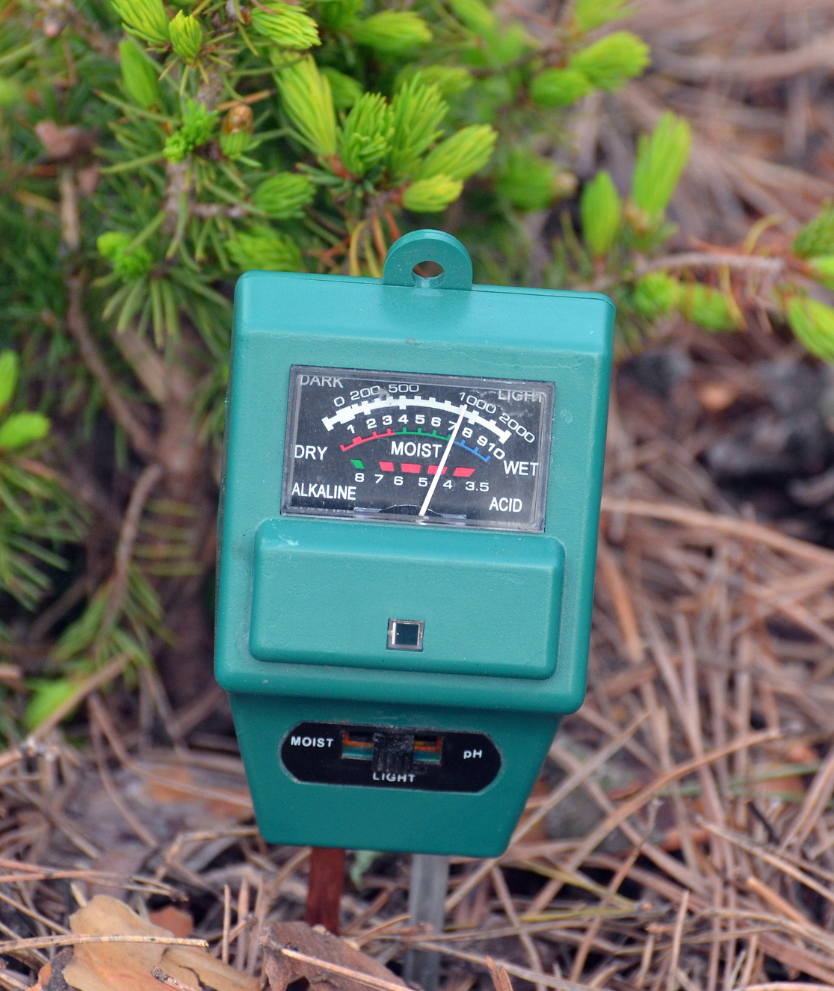
Fortunately, there are various types of humidity monitoring systems available for us home gardeners. From basic analog hygrometers to sophisticated digital sensors with Wi-Fi connectivity, the options are vast. Each type comes with its unique features, ranging from simple humidity readings to comprehensive data logging and analytics.
Key Features to Look for
While choosing a humidity monitoring system, certain features are essential for effective monitoring. Accuracy, of course, tops the list – we want our data to be spot on! Besides that, remote access and alerts can be incredibly convenient, allowing us to keep an eye on our greenhouse conditions even when we’re away. Integration with smart automation systems is another plus, making it easier to maintain optimal humidity levels effortlessly.
Installation and Setup
Setting up the humidity monitoring system might sound daunting, but fear not! Most of these systems are designed with user-friendliness in mind. The installation process is usually straightforward, and the package comes with clear instructions. One crucial aspect to pay attention to is the proper placement of the sensors. Placing them at different heights and locations ensures we get a comprehensive view of the greenhouse’s humidity distribution.
Understanding the Data
Once our humidity monitoring system is up and running, we’ll be gathering a ton of data. But don’t worry, it’s not as overwhelming as it seems. Understanding the data is essential for making informed decisions. We’ll learn to identify trends and patterns, allowing us to adjust our watering schedules or ventilation settings to create an optimal growing environment for our green darlings.
Automation and Control
Now, let’s talk about taking our greenhouse to the next level with automation and control. Many humidity monitoring systems can be integrated with smart controllers that automate tasks like misting or ventilation. This hands-off approach not only saves us time but also ensures that our plants receive the care they need, even when we’re busy with our daily routines.
DIY Humidity Monitoring Solutions
If you’re a DIY enthusiast or on a budget, fret not! There are plenty of DIY alternatives for humidity monitoring. One simple method involves using hygrometer kits and connecting them to microcontrollers for data logging. With a bit of tinkering, you can set up your monitoring system without breaking the bank.
Maintenance and Calibration
Just like any other equipment, humidity monitoring systems require regular maintenance to keep them in top-notch condition. Cleaning the sensors and checking for any signs of wear and tear are essential tasks. Additionally, calibration is crucial to ensure accurate readings over time. Most manufacturers provide clear instructions on how to calibrate their devices.
Troubleshooting Common Issues
Despite their efficiency, humidity monitoring systems may encounter occasional hiccups. Some common issues include sensor inaccuracies or connectivity problems. Fear not, as most problems can be easily resolved with a bit of troubleshooting. Refer to the user manual or contact the manufacturer’s support team for assistance.
Cost-Benefit Analysis
Now, let’s address the big question: Are humidity monitoring systems worth the investment? Well, the answer depends on how serious we are about our greenhouse gardening endeavors. If we’re dedicated to creating the best possible environment for our plants and maximizing their growth potential, then a humidity monitoring system is a wise investment. The costs might vary depending on the features we opt for, but the benefits in terms of healthier and happier plants are invaluable.
Environmental Impact and Sustainability
As environmentally-conscious gardeners, it’s essential to consider the sustainability aspect of our gardening practices. Thankfully, most humidity monitoring systems are designed to be energy-efficient, ensuring minimal impact on our carbon footprint. Additionally, by fine-tuning our greenhouse environment with the help of these systems, we reduce waste and promote sustainable gardening practices.
Conclusion
In conclusion, greenhouse humidity monitoring systems are a game-changer for home gardeners like us. By maintaining the perfect balance of moisture in our greenhouses, we unlock the full potential of our plants. From vibrant flowers to flavorful fruits and vegetables, the benefits are boundless. So, if you’re looking to level up your gardening game and create an oasis of green, investing in a humidity monitoring system is the way to go!
FAQs:
Do I need a humidity monitoring system for my small greenhouse?
While it’s not mandatory, a humidity monitoring system can greatly benefit even a small greenhouse, ensuring your plants get the care they need.
Can I use a regular indoor hygrometer for my greenhouse?
Indoor hygrometers may work to some extent, but they might not be as accurate or reliable as specialized greenhouse humidity monitoring systems.
What should I do if the humidity levels are too high in my greenhouse?
Improving ventilation and using dehumidifiers can help lower humidity levels in your greenhouse.
How often should I calibrate my humidity monitoring system?
Calibration should be done at least once a year or as recommended by the manufacturer.
Can I access my greenhouse humidity data remotely?
Yes, many modern humidity monitoring systems offer remote access through smartphone apps or web interfaces.
Greenhouse Irrigation Systems for a Home Gardener
Introduction:
As a passionate home gardener, I understand the significance of efficient irrigation systems for nurturing healthy and thriving plants in a greenhouse. Greenhouses provide a controlled environment for plants to grow, but it’s essential to have the right irrigation equipment to ensure optimal water supply. In this article, I’ll delve into the world of greenhouse irrigation systems, discussing the various options available, their benefits, and factors to consider when choosing the ideal system for your specific plant needs. Let’s dive in!
What is a Greenhouse?
Before we explore greenhouse irrigation systems, let’s briefly understand what a greenhouse is. A greenhouse is a structure made of transparent materials like glass or plastic that allows sunlight to enter and traps heat, creating a warm and controlled environment for plants to grow. Greenhouses shield plants from adverse weather conditions, pests, and diseases, making them an ideal setting for cultivating a wide variety of plants.
Benefits of Using a Greenhouse
Greenhouses offer numerous advantages for home gardeners. They extend the growing season, enabling year-round cultivation and providing a nurturing environment for delicate plants. With a controlled climate, greenhouse plants enjoy protection from extreme temperatures and frost, ensuring optimal growth. Moreover, greenhouses provide a sanctuary for plants away from common outdoor threats, including pests and harsh weather conditions, promoting healthier and more robust growth.
Understanding Greenhouse Irrigation Systems
A crucial aspect of greenhouse gardening is selecting the right irrigation system. These systems ensure plants receive an adequate and consistent supply of water, essential for their survival and growth. There are various types of greenhouse irrigation systems available, each catering to specific plant needs and gardener preferences.
Types of Greenhouse Irrigation Systems
Let’s explore some popular greenhouse irrigation systems:
Drip Irrigation:
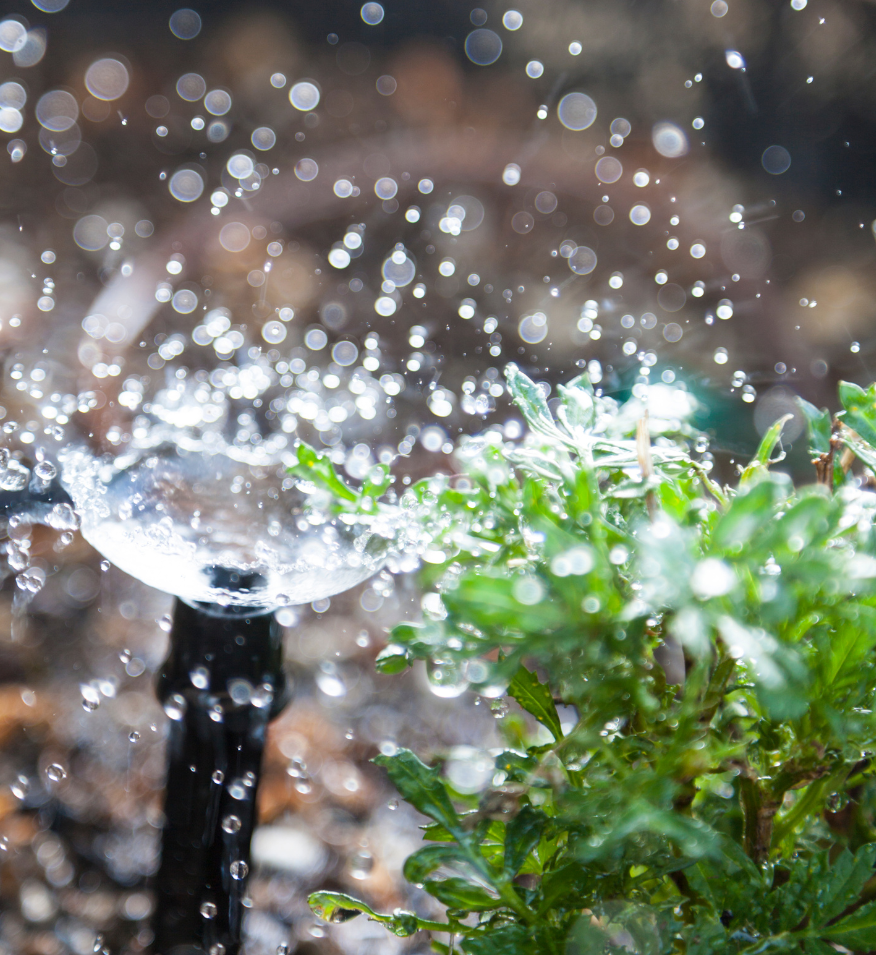
Drip irrigation is a highly efficient system that delivers water directly to the plant’s root zone. It minimizes water wastage and allows for precise control over the amount of water each plant receives. Drip irrigation also reduces the risk of overwatering, which can lead to root rot and other plant diseases.
Soaker Hoses:
Soaker hoses are porous hoses that release water gradually along their length. They are laid on the ground and are particularly useful for irrigating garden beds or rows of plants. Soaker hoses ensure even water distribution, promoting healthier root systems.
Sprinkler Systems:
Sprinkler systems are a common choice for greenhouse irrigation. They distribute water through overhead sprinklers, mimicking natural rainfall. While effective, gardeners must be mindful of potential water waste and the risk of wetting foliage, which can lead to fungal issues.
Ebb and Flow:
Ebb and flow systems work by periodically flooding the greenhouse floor with water and then draining it away. This method provides a balanced approach to watering and allows for better nutrient absorption in plants.
Automated Systems:
Automated irrigation systems use sensors and timers to regulate watering schedules, ensuring plants receive water at the optimal times. These systems offer convenience and are particularly useful for busy gardeners.
Factors to Consider when Choosing an Irrigation System
Selecting the right irrigation system depends on several factors:
Plant Types and Water Needs:
Different plants have varying water requirements. Some prefer drier conditions, while others thrive in moist environments. Consider the water needs of your plants when choosing an irrigation system.
Climate and Environmental Factors:
Your greenhouse’s location and climate play a significant role in determining the best irrigation system. Consider the temperature, humidity levels, and the likelihood of rainfall.
Budget and Cost:
Evaluate your budget and the long-term costs associated with each irrigation system. While some systems might have higher upfront costs, they could prove more cost-effective in the long run due to water savings and reduced maintenance.
Maintenance and Ease of Use:
Ensure you choose an irrigation system that fits your maintenance capabilities and time availability. Some systems require more frequent maintenance than others.
Installing a Greenhouse Irrigation System
The installation process can vary depending on the type of system you choose. If you enjoy DIY projects and have some basic plumbing knowledge, you might opt for a DIY installation. However, for more complex systems, professional installation might be the better choice to ensure everything is set up correctly.
DIY Installation:
DIY installation can be rewarding and cost-effective. Many drip irrigation and soaker hose systems are straightforward to install with the right tools and guidance.
Professional Installation:
For automated systems or larger greenhouse setups, seeking professional help ensures a seamless and efficient installation process.
Tips for Efficient Water Use
To make the most of your greenhouse irrigation system, consider these water-saving tips:
Mulching:
Apply a layer of organic mulch around plants to retain moisture, reduce evaporation, and suppress weed growth. This will help conserve water and keep your plants hydrated for longer periods.
Regular Inspection:
Regularly inspect your irrigation system for leaks, clogs, or damaged components. Addressing these issues promptly will prevent water wastage and ensure your system operates efficiently.
Watering Schedule:
Establish a consistent watering schedule based on your plant’s needs and the climate. Avoid overwatering, as it can lead to root rot and other water-related problems.
Rainwater Harvesting:
Consider collecting rainwater to use for irrigation. Rainwater is naturally free of chemicals, making it an eco-friendly and cost-effective water source for your greenhouse.
Use of Timers:
Incorporate timers into your automated irrigation system. Timers allow you to set specific watering intervals, preventing accidental overwatering.
Importance of Proper Maintenance
Maintaining your greenhouse irrigation system is crucial to its longevity and effectiveness. Regularly check for leaks, blockages, and wear and tear. Clean filters and nozzles to ensure water flows freely. A well-maintained system will ensure your plants receive the right amount of water, promoting healthy growth and saving water in the process.
Troubleshooting Common Issues
Even with a well-maintained system, you might encounter occasional issues. Here are some common problems and their solutions:
Uneven Watering:
Adjust the system or relocate sprinklers to ensure even water distribution.
Clogging:
Clean filters and nozzles regularly to prevent clogging and ensure smooth water flow.
Leakage:
Inspect hoses and connectors for leaks and replace damaged parts.
Overwatering or Underwatering:
Adjust the watering schedule or switch to a more suitable irrigation system.
Sustainable Practices for Greenhouse Irrigation
As environmentally conscious gardeners, we must adopt sustainable practices. Here are some eco-friendly approaches to greenhouse irrigation:
Water Recycling:
Consider recycling and reusing water to minimize waste and conserve resources.
Drought-Tolerant Plants:
Include drought-tolerant plant species in your greenhouse to reduce water consumption.
Smart Irrigation Controllers:
Use smart controllers that adjust watering schedules based on real-time weather data, avoiding unnecessary watering during rainy periods.
Innovations in Greenhouse Irrigation Technology
The world of greenhouse irrigation is continuously evolving, with new technologies aiming to enhance water efficiency and plant health. Some innovative advancements include soil moisture sensors, precision irrigation, and automated irrigation management apps. Staying updated on these developments can help you optimize your greenhouse irrigation system.
Conclusion
In conclusion, a well-designed and efficient greenhouse irrigation system is essential for every home gardener aiming for successful and sustainable plant growth. By understanding the different types of irrigation systems available and considering factors such as plant needs, climate, and budget, you can choose the best option for your greenhouse. Regular maintenance and water-saving practices will ensure the longevity and effectiveness of your system, allowing you to enjoy a bountiful and flourishing greenhouse garden all year round.
FAQs
1. How often should I water my greenhouse plants?
The frequency of watering depends on various factors, including plant type, season, and the chosen irrigation system. Generally, it’s better to water deeply and less frequently rather than shallowly and often to encourage strong root growth.
2. Can I install a greenhouse irrigation system on my own?
Yes, you can install some irrigation systems, like drip irrigation and soaker hoses, on your own. However, for more complex systems or if you’re unsure about the installation process, it’s best to seek professional assistance.
3. Are automated irrigation systems worth the investment?
Automated irrigation systems offer convenience and precise control over watering schedules. While they might have a higher upfront cost, they can save water in the long run and prove beneficial for busy gardeners.
4. How can I prevent overwatering my greenhouse plants?
To prevent overwatering, choose an irrigation system that allows for precise water delivery, like drip irrigation. Additionally, monitor your plants regularly and adjust the watering schedule based on their needs and the weather conditions.
5. Are there any eco-friendly irrigation options for greenhouses?
Yes, there are eco-friendly options for greenhouse irrigation. Consider rainwater harvesting, using drought-tolerant plants, and adopting smart irrigation controllers to conserve water and promote sustainability.
Greenhouse Heating Systems for a Home Gardener
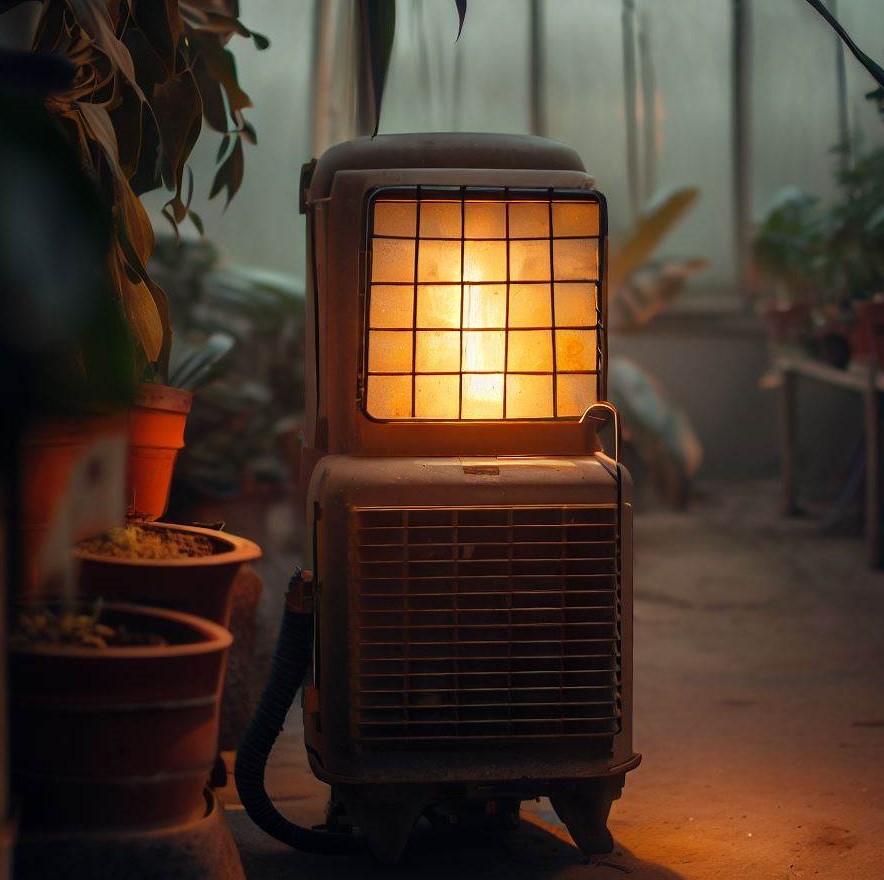
As an avid home gardener, I have come to realize that one of the most crucial aspects of successful greenhouse gardening is maintaining a consistent and suitable environment for plants to thrive. While sunlight is essential, there are times when external weather conditions can pose challenges, especially during colder months or in regions with harsh winters. This is where greenhouse heating systems play a vital role in creating a controlled and nurturing atmosphere for your beloved plants. In this article, I will delve into the world of greenhouse heating equipment, offering valuable insights and practical suggestions to help you choose the most suitable system for your gardening needs.
Types of Greenhouse Heating Systems
When it comes to greenhouse heating, there are various options available in the market, each with its unique features and benefits. Let’s explore some common types:
Electric Heaters
Electric heaters are a popular choice for smaller greenhouses due to their ease of use and cost-effectiveness. They are easy to install and offer precise temperature control, making them suitable for sensitive plants that require stable conditions.
Propane Heaters
Propane heaters are an excellent choice for larger greenhouses as they provide a significant amount of heat. They offer versatility and are ideal for areas with limited access to electricity.
Natural Gas Heaters
Similar to propane heaters, natural gas heaters are powerful and suitable for larger greenhouses. They are a reliable option for gardeners with access to a natural gas supply.
Wood-Burning Stoves
For those seeking a rustic and sustainable approach, wood-burning stoves can be a viable option. They require a steady supply of wood but can provide ample warmth for greenhouses.
Geothermal Heating Systems
Geothermal heating utilizes the earth’s stable temperature to regulate the greenhouse climate. Although installation costs can be higher, they offer long-term energy efficiency.
Advantages of Greenhouse Heating Systems
Investing in a reliable greenhouse heating system offers several advantages that contribute to the success of your gardening endeavors:
Extended Growing Season
Greenhouse heating systems enable you to extend the growing season beyond the natural limitations of your climate. With proper heating, you can start planting early in the spring and continue harvesting well into the fall.
Protection from Frost and Cold Snaps
Sudden drops in temperature and unexpected frost can be detrimental to your plants. A greenhouse heating system provides a protective barrier, shielding your plants from extreme cold and temperature fluctuations.
Optimal Plant Growth Conditions
Consistent and controlled temperatures create an ideal environment for your plants to flourish. Whether you are growing delicate flowers or nurturing fruit-bearing trees, a greenhouse heating system ensures optimal growth conditions year-round.
Factors to Consider When Choosing a Greenhouse Heating System
Selecting the right heating system for your greenhouse requires thoughtful consideration of various factors:
Greenhouse Size and Design
The size and design of your greenhouse will influence the heating system you choose. Smaller structures may be adequately served by electric heaters, while larger or uniquely shaped greenhouses might benefit from more robust options like propane or natural gas heaters.
Heating Capacity
Consider the heating capacity of the system you intend to purchase. It should be capable of maintaining the desired temperature inside the greenhouse, even during the coldest days of winter.
Energy Efficiency
Energy efficiency is a crucial aspect of any heating system. Opt for models that are designed to conserve energy, helping you reduce overall operating costs while minimizing your environmental impact.
Maintenance and Operating Costs
Evaluate the maintenance requirements and operating costs associated with each type of heating system. Choose one that fits your budget and doesn’t demand extensive upkeep.
Best Practices for Using Greenhouse Heating Systems
To make the most of your greenhouse heating system, follow these best practices:
Proper Ventilation
While heating is essential, proper ventilation ensures a healthy and thriving greenhouse environment. It prevents excess humidity and allows fresh air to circulate, reducing the risk of diseases and mold.
Temperature Control
Maintaining precise temperature control is vital for the well-being of your plants. Invest in a reliable thermostat to monitor and adjust the temperature as needed.
Insulation
Good insulation helps retain heat within the greenhouse, reducing energy wastage and promoting a stable environment for your plants.
Thermostat Management
A programmable thermostat allows you to create temperature schedules, ensuring that your plants receive the ideal conditions at different stages of growth.
Alternative Heating Methods
Apart from conventional heating systems, there are some innovative and eco-friendly approaches to consider:
Solar Heating
Solar heating harnesses the power of the sun to warm your greenhouse naturally. It is an environmentally friendly option that can significantly reduce your energy costs.
Composting Heating
Composting generates heat as organic matter decomposes. Utilizing this heat in your greenhouse can be an efficient way to maintain a steady temperature.
Heat Mats and Cables
Heat mats and cables are excellent for localized heating. They are often used to provide bottom heat for seedlings and cuttings.
DIY Greenhouse Heating Solutions
For gardeners who enjoy a hands-on approach, there are some do-it-yourself heating solutions to explore:
Homemade Solar Heaters
Crafting your solar heaters from recycled materials can be an enjoyable and rewarding project. These heaters work best for smaller greenhouses.
Insulating Techniques
Implementing various insulation techniques, such as using bubble wrap or thermal blankets, can help retain heat and maintain a cozy atmosphere for your plants.
Preparing Your Greenhouse for Winter
Before the winter sets in, take the following steps to ensure your greenhouse and heating system are winter-ready:
Cleaning and Maintenance
Perform a thorough cleaning of your greenhouse to remove debris and pathogens that could thrive in the warm and humid environment during winter.
Winterizing Tips
Inspect and weatherize the structure to prevent cold air drafts and leaks. Additionally, check for any damaged or worn-out components in your heating system and have them repaired or replaced.
Troubleshooting Common Issues
Despite your best efforts, you may encounter some common issues with your greenhouse heating system:
Uneven Heating
Uneven heating can lead to temperature disparities within the greenhouse, affecting plant growth. Consider using fans to help distribute warm air more evenly.
High Humidity
High humidity levels can promote fungal growth and other plant diseases. Proper ventilation and the use of dehumidifiers can help maintain an optimal humidity level.
Heating System Failure
Always have a backup plan in case of a heating system failure. Whether it’s an alternative heating method or an emergency heating source, being prepared is essential.
Choosing the Right Greenhouse Heating System for Your Needs
With a plethora of options available, the key to choosing the right greenhouse heating system lies in understanding your unique requirements. Consider factors like the size of your greenhouse, your budget, and your commitment to eco-friendly practices. Take your time to research and seek advice from experienced gardeners or greenhouse experts to make an informed decision.
Conclusion
Greenhouse heating systems are indispensable tools for any serious home gardener looking to take their passion to the next level. By investing in the right heating system, you can create an environment where your plants can flourish regardless of the external weather conditions. Remember to assess your greenhouse’s specific needs and explore alternative heating methods for a more sustainable approach. With proper preparation and care, your greenhouse can become a haven of thriving vegetation throughout the year.
FAQs: Greenhouse Heating Systems
Q1. Can I use an electric heater to heat a larger greenhouse?
Electric heaters are best suited for small to medium-sized greenhouses.
-
- Small & medium greenhouses: Electric heaters are popular for their ease of use and simple installation in spaces up to a few hundred square feet.
- Larger greenhouses: For bigger structures, propane or natural gas heaters are more practical due to their higher output and efficiency at heating large volumes of air.
- Considerations: Electricity can be expensive for continuous large-scale heating, so evaluate your greenhouse size, climate, and budget before deciding.
Q2. Are geothermal heating systems expensive to install?
Geothermal heating involves a higher upfront cost, but provides long-term savings and efficiency.
-
- Upfront investment: Installing a geothermal system (ground-source heat pumps or underground pipes) typically costs more than traditional methods due to excavation and specialized equipment.
- Long-term benefits: Geothermal heating is highly energy-efficient, resulting in lower utility bills which will reduced environmental impact over time.
- Who benefits most: Ideal for growers who plan to use their greenhouse year-round or want a sustainable, long-term solution.
Q3. Can I rely solely on solar heating for my greenhouse?
Solar heating is helpful, but often needs to be paired with a backup system.
-
- Daytime performance: Passive solar methods (like thermal mass, water barrels, or south-facing glazing) work well during sunny days and mild climates.
- Limitations: Extended periods of cloud cover or very cold weather can reduce effectiveness, risking plant damage.
- Best practice: Use solar heating as your main source during spring/fall and supplement with backup heaters (electric, propane, or wood) during extreme cold snaps.
Q4. Are DIY heating solutions as effective as commercial systems?
DIY heating can be effective for small-scale or hobby greenhouses, but commercial systems excel in larger, more demanding setups.
-
- DIY options: Solutions like compost heat, thermal mass, or homemade rocket stoves provide affordable, hands-on heat for limited spaces.
- Commercial systems: Purpose-built units (gas/propane heaters, hot water radiant systems) are engineered for consistent output and safety in large operations.
- Choosing the right fit: Match your solution to greenhouse size, crop value, and how much time you can commit to monitoring and maintaining the system.
Q5. How often should I inspect and maintain my greenhouse heating system?
Perform maintenance at least once a year, ideally before winter begins.
-
- Annual inspection: Check for wear, leaks, blocked vents, faulty thermostats, and clean all components thoroughly.
- Seasonal checks: In colder climates, a quick mid-winter check ensures everything is running safely during peak use.
- Why it matters: Regular upkeep improves efficiency, extends equipment life, and reduces the risk of sudden breakdowns when you need heat most.
Greenhouse Cooling Systems for a Home Gardener
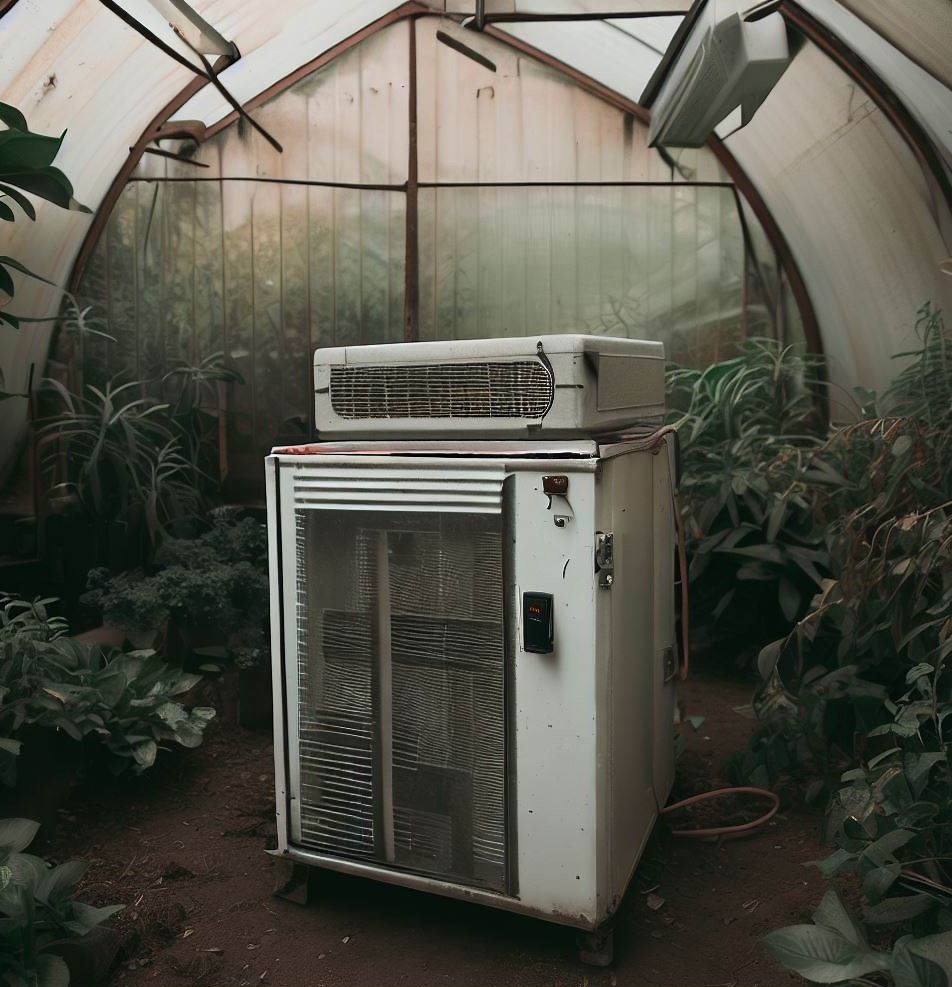
As a passionate home gardener, I have always found immense joy in nurturing my plants and witnessing them thrive. However, I also know that maintaining the ideal climate within a greenhouse can be a challenging task, especially during scorching summers. Fortunately, greenhouse cooling systems offer practical solutions to combat excessive heat and create a nurturing environment for plants to flourish.
Understanding Greenhouse Cooling Systems
What are Greenhouse Cooling Systems?
Greenhouse cooling systems refer to a range of techniques and equipment designed to regulate temperature and humidity levels within a greenhouse. These systems ensure that plants receive the right amount of heat and moisture, preventing heat stress and promoting healthy growth.
The Importance of Proper Cooling in Greenhouses
Maintaining an optimal temperature is crucial for plant health and productivity. Without proper cooling, the greenhouse can become excessively hot, leading to wilting, sunburn, and even plant death. Effective cooling ensures that plants can photosynthesize efficiently and stay hydrated, creating an ideal growing environment.
Types of Greenhouse Cooling Systems
Natural Ventilation
One of the simplest and most cost-effective cooling methods, natural ventilation relies on creating openings to allow air to flow through the greenhouse. This can be achieved using sidewall vents, ridge vents, or louvers, depending on the greenhouse design.
Shade Cloth
Shade cloth is an excellent way to reduce the intensity of sunlight and lower the temperature inside the greenhouse. It provides partial shade to protect delicate plants from direct sunlight and heat.
Exhaust Fans
Exhaust fans are commonly used in larger greenhouses to expel hot air and introduce fresh, cooler air from outside. They are highly efficient in controlling temperature and humidity levels.
Evaporative Cooling
Evaporative cooling systems work by drawing in warm air and passing it through wet pads or screens. As the air evaporates the water, it cools down, and the cooler air is then circulated within the greenhouse.
Misting Systems
Misting systems release a fine spray of water droplets into the greenhouse air, effectively reducing the temperature through evaporative cooling. They are especially beneficial in arid regions with low humidity.
Thermally Activated Ventilators (TAV)
TAV systems use sensors to detect temperature and automatically open and close vents or louvers to maintain a consistent climate inside the greenhouse.
Factors to Consider When Choosing a Cooling System
Greenhouse Size and Design
The cooling system you choose should be suitable for the size and structure of your greenhouse. Larger greenhouses may require more powerful cooling solutions.
Location and Climate
Consider your geographical location and local climate conditions. Different cooling systems are effective in various climates, so choose one that suits your region.
Budget and Energy Efficiency
Evaluate your budget and the long-term operating costs of the cooling system. Opt for energy-efficient options to reduce environmental impact.
Installation and Maintenance Tips
Proper Placement and Sizing
Ensure the correct placement and sizing of cooling equipment to maximize its effectiveness. Proper installation is vital for achieving desired results.
Regular Cleaning and Maintenance
Regularly clean and maintain your cooling equipment to prevent clogs and ensure efficient operation. Routine inspections can identify and resolve issues early on.
Upgrading and Modernizing Cooling Systems
Stay updated with the latest advancements in greenhouse cooling technology. Upgrading to more efficient systems can lead to better results and savings.
Benefits of Greenhouse Cooling Systems
Optimal Plant Growth and Health
By maintaining the ideal temperature and humidity, greenhouse cooling systems create a favorable environment for plants to thrive and reach their full potential.
Protection Against Heat Stress
Cooling systems prevent heat-related stress and protect plants from adverse effects, such as reduced fruit set and decreased yields.
Increased Crop Yields
A well-regulated climate enhances photosynthesis, resulting in higher yields and better-quality produce.
Combining Cooling Systems for Better Efficiency
Integrating Natural Ventilation with Mechanical Cooling
Combining natural ventilation with mechanical cooling methods can enhance the overall efficiency and effectiveness of greenhouse cooling.
Using Shade Cloth and Misting Systems Together
Shade cloth and misting systems complement each other by reducing direct sunlight and maintaining optimal humidity levels.
Troubleshooting Common Cooling System Issues
Condensation Problems
Address condensation issues to prevent mold and disease problems within the greenhouse.
Uneven Cooling Distribution
Ensure proper air circulation to avoid temperature variations throughout the greenhouse.
Airflow Blockage
Regularly check for obstructions that may hinder the proper flow of air within the greenhouse.
DIY Greenhouse Cooling Hacks
Improving Air Circulation
Create makeshift fans or use solar-powered fans to enhance natural ventilation.
DIY Evaporative Cooling System
Build a simple and cost-effective evaporative cooling system using readily available materials.
Reusing and Repurposing Materials
Get creative and find innovative ways to reuse items for cooling purposes, reducing waste and costs.
Environmentally Friendly Cooling Practices
Water Conservation Strategies
Implement water-saving techniques to reduce water consumption while cooling the greenhouse.
Energy-efficient Cooling Options
Choose cooling systems with low energy demands or consider using renewable energy sources.
Innovations in Greenhouse Cooling
Smart and Automated Cooling Solutions
Explore smart technologies that automate greenhouse cooling based on real-time conditions.
Solar-Powered Cooling Systems
Harness the power of the sun to run cooling equipment, reducing carbon footprint and operating costs.
Conclusion
Effective cooling is vital for successful greenhouse gardening. By understanding the various greenhouse cooling systems available and considering factors such as greenhouse size, location, and budget, home gardeners can create an ideal environment for their plants to flourish. Whether through simple DIY hacks or advanced automated systems, cooling solutions play a crucial role in maximizing plant growth and optimizing yields.
FAQs: Cooling Systems for Small Greenhouses
Q1. What is the best cooling system for a small greenhouse?
For most small greenhouses, a combination of natural ventilation and shade cloth is highly effective and affordable.
-
-
Natural ventilation: Use roof vents, louvered side vents, or roll-up sides to let hot air escape and cooler air enter. Placing vents low on one side and high on the opposite side encourages airflow through the space.
-
Shade cloth: Drape shade cloth over the outside of your greenhouse to block out a portion of sunlight, lowering the inside temperature by as much as 10–15°F. Choose a shade cloth rated 30–50% for most vegetables and flowers.
-
Why this works: This setup is budget-friendly, requires little energy, and provides reliable temperature control in most climates.
-
Q2 .How often should I clean and maintain my cooling equipment?
Perform regular maintenance every 1–2 months, with thorough cleaning at the start and end of each growing season.
-
-
Monthly checks: Inspect fans, vents, and shade cloth for dust, debris, or wear. Remove any blockages from vent openings to keep air flowing freely.
-
Seasonal deep cleaning: Before the growing season begins and after it ends, clean fan blades, check motor lubricants, and wash all shade material. Replace or repair any damaged parts.
-
Why it matters: Regular cleaning and maintenance keep your cooling system running efficiently and extend its lifespan.
-
Q3. Can I use greenhouse cooling systems during the winter?
Usually not needed in winter, but natural ventilation is still important.
-
-
Cold climates: Active cooling systems (like exhaust fans or evaporative coolers) are rarely used during winter, as outside temperatures are low.
-
Humidity control: Even in winter, opening vents or doors for short periods can regulate humidity and prevent condensation, mold, and disease.
-
Mild climates: If you experience unseasonably warm winter days, use shade cloth and increase airflow as needed to avoid heat stress in your plants.
-
Are greenhouse cooling systems expensive to operate?
Q4. Operating costs depend on the type of system and its efficiency.
-
-
Passive systems: Natural ventilation and shade cloth involve little to no operating costs once installed.
-
Active systems: Electric fans, evaporative coolers, or misting systems use energy and water, but choosing energy-efficient models and using timers can control expenses.
-
Money-saving tips: Consider solar-powered fans, programmable thermostats, and insulated glazing to minimize expenses.
-
Q5. Can I install greenhouse cooling systems myself?
Yes, many small greenhouse cooling systems are DIY-friendly.
-
-
Easy installs: Shade cloth, manual vents, and plug-in fans are designed for simple setup with basic tools and instructions.
-
More complex systems: If adding electrical wiring, automated controls, or large-scale misting, consider hiring a professional to ensure safety and reliability.
-
DIY benefits: Installing simple cooling solutions yourself saves money and allows you to customize your setup.
-
Have more questions? Drop them below, and we’ll help you keep your greenhouse cool and comfortable!
Hydroponic Gardening in a Greenhouse
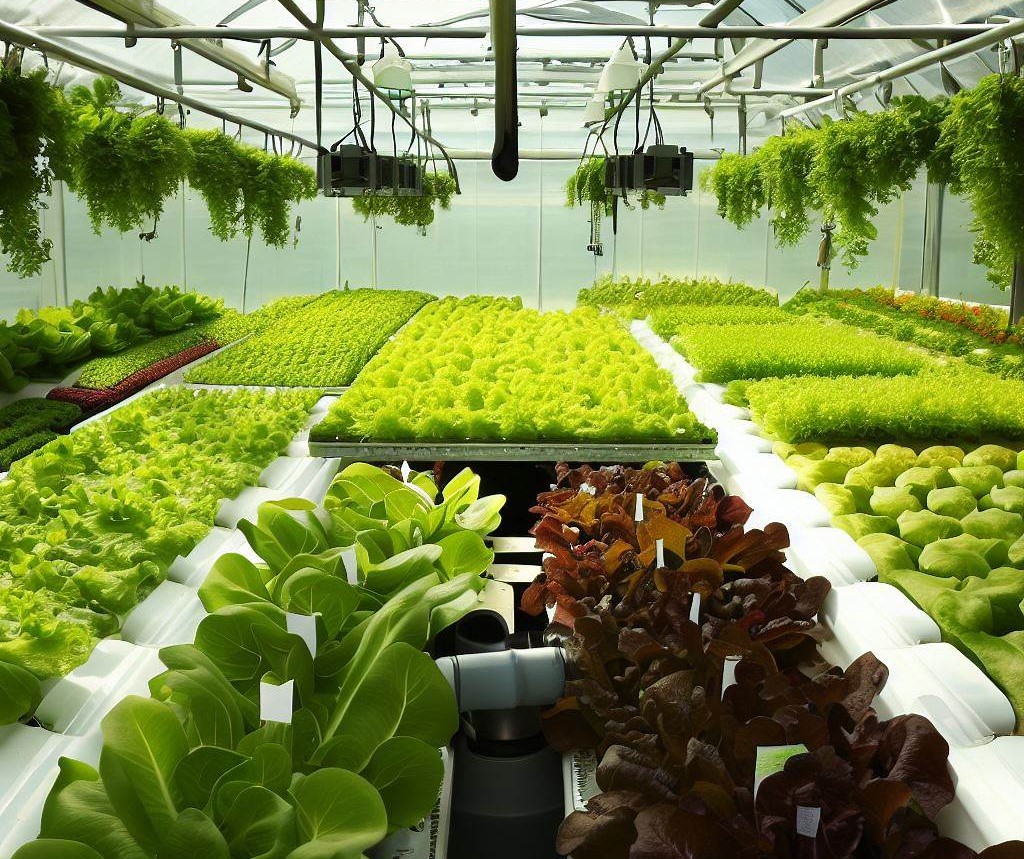
Hydroponic Gardening in a Greenhouse
Hydroponic gardening is a soil-less technique for growing plants, allowing them to flourish year-round within a controlled greenhouse environment. With increased efficiency, water conservation, and faster growth rates, hydroponics has become a popular choice for both beginner and experienced greenhouse growers.
What Is Hydroponics?
Hydroponics is the practice of raising plants using a nutrient-rich water solution instead of soil. The plant roots are directly exposed to water and oxygen, allowing for optimal nutrient uptake and accelerated growth. Varieties of hydroponic systems exist, from simple setups for home use to large commercial installations.
Benefits of Hydroponic Gardening in a Greenhouse
- Year-Round Growing: The greenhouse’s protection from weather extremes allows for continuous production.
- Faster Growth Rates: Plants absorb nutrients more efficiently, resulting in quicker development and higher yields.
- Conserves Water: Hydroponic systems recirculate water, using up to 90% less than soil gardening.
- Pest & Disease Control: A closed environment reduces exposure to pests and soil-borne diseases, limiting the need for pesticides.
- Higher Plant Density: Without soil, you can arrange more plants in the same floor space.
Common Hydroponic Systems for Greenhouses
| System Type | How It Works | Best for |
|---|---|---|
| Nutrient Film Technique (NFT) | Nutrient solution flows in a thin film over plant roots | Leafy greens, herbs |
| Deep Water Culture (DWC) | Roots suspended in oxygenated, nutrient-rich water | Lettuce, basil, spinach |
| Ebb and Flow (Flood & Drain) | Grow bed periodically flooded and drained | Leafy greens, small fruiting plants |
| Drip System | Nutrients delivered directly to each plant’s base | Tomatoes, peppers, cucumbers |
| Wick System | Passive, wicks draw solution up to plant roots | Herbs, lettuces (small setups) |
Setting Up Hydroponics in Your Greenhouse
1. Choose a Location
- Seek out maximum sunlight (6–8 hours a day is ideal).
- Ensure access to electricity for pumps, lighting, and climate controls.
- Keep water supply and drainage options in mind.
2. Select Your Hydroponic System
Pick a design that fits your goals, space, and budget. Starter kits are available, or you can build a custom setup using food-safe containers, piping, and pumps.
3. Prepare Climate Control
- Ventilation: Prevents overheating and humidity buildup.
- Heating/Cooling: Maintain optimal temperatures for your crops.
- Supplemental Lighting: LEDs or T5 bulbs for cloudy days or winter months.
4. Mix a Nutrient Solution
Use hydroponic fertilizer blends that provide all the macro- and micronutrients plants need. Monitor pH and nutrient concentration regularly; most plants thrive at pH 5.5–6.5.
5. Start Planting
- Use rockwool, coco coir, perlite, or clay pebbles as growing media.
- Start seeds in propagation trays or plug them directly into system net pots once rooted.
Best Crops for Hydroponic Greenhouse Systems
- Leafy Greens: Lettuce, spinach, kale, Swiss chard
- Herbs: Basil, cilantro, parsley, mint
- Fruiting Crops (advanced systems): Tomatoes, peppers, cucumbers, strawberries
Begin with fast-growing greens and herbs; expand into fruiting crops as you gain experience.
- Monitor daily: Keep an eye on water levels, pump function, and plant health.
- Regularly check pH and EC (electrical conductivity): Ensures proper nutrient availability.
- Sanitize equipment: Prevents algae, mold, and disease outbreaks.
- Rotate crops: Prevents nutrient depletion and pest buildup in long-term systems.
Frequently Asked Questions: Starting Hydroponics in a Greenhouse
Q1. How much does it cost to set up hydroponics in a greenhouse?
Startup costs can range from a few hundred dollars to several thousand, depending on your system’s size and complexity.
- Small DIY setups: These can cost as little as $200–$500, using basic components like a small reservoir, pump, and grow lights. Great for hobbyists or classrooms.
- Mid-size systems: Home growers investing in automation, lighting, and climate control may spend $1,000–$3,000.
- Commercial-scale operations: Larger systems with advanced controls, backup power, and environmental automation can range from $5,000 to $50,000 or more.
- Key cost factors: Size, type of hydroponic system (like NFT or DWC), climate considerations, and whether you’re building it yourself or buying a kit.
Q2. Do hydroponic plants taste different?
Hydroponic produce is fresh, crisp, and often just as—or more—flavorful than field-grown crops.
- Taste quality: When nutrients are balanced and plants grow under ideal conditions, hydroponic fruits and vegetables develop excellent texture and flavor.
- Flavor notes: Some herbs and leafy greens may have slightly milder flavors compared to their soil-grown counterparts, but that varies by crop and growing method.
- Harvest bonus: Because plants grow in cleaner environments and can be harvested at their peak, hydroponic produce often reaches your plate fresher and faster.
Q3. Is hydroponic gardening hard for beginners?
Not at all—basic hydroponic systems are beginner-friendly and perfect for learning.
- Ideal for home use: Systems like Kratky (passive) or DWC (deep water culture) are simple, low-maintenance, and easy to scale up.
- Great for learning: Many schools and home gardeners start small to understand how nutrient balance, pH, and water quality affect plant growth.
- Start simple: You don’t need to be an expert to succeed. Start with leafy greens or herbs, then expand as your confidence grows.
Q4. How often do I change the nutrient solution?
Change the nutrient solution every 2–4 weeks, or anytime you notice imbalance or cloudiness.
- Why it matters: Over time, plants absorb nutrients unevenly, which can throw off balance and lead to deficiencies or buildup.
- Watch for signs: Decreased plant growth, unusual leaf color, or odor from the reservoir can signal the need for a change.
- Maintenance tip: Between full changes, top off the reservoir with fresh water and adjust pH and EC (electrical conductivity) as needed.
Q5. Can I combine hydroponics with soil gardening?
Absolutely—many gardeners integrate both methods in greenhouses to maximize space and diversify meals.
- Complementary growing: Use hydroponics for fast-growing crops like lettuce and basil, and soil beds for root vegetables or fruiting plants like tomatoes or squash.
- Efficient design: Combining methods lets you make the most of your greenhouse layout, with vertical hydroponic systems alongside raised beds or containers.
- Bonus benefit: This hybrid approach allows you to compare plant performance and adjust your setup with flexibility.
Final Thoughts
Hydroponic gardening in a greenhouse is an effective way to grow food efficiently and sustainably year-round. With a little planning and routine care, you’ll enjoy vibrant growth, minimal waste, and the satisfaction of fresh produce from your own controlled environment.
Aquaponic Gardening in a Greenhouse
Cultivating an Abundant, Sustainable Oasis
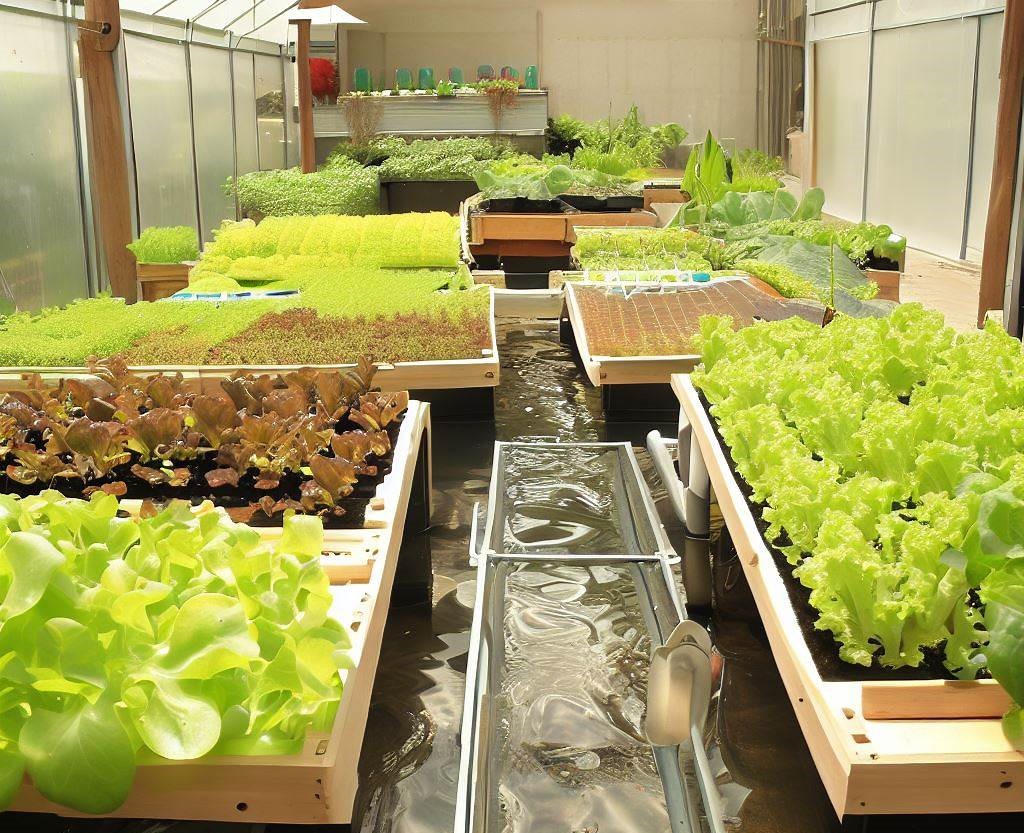
As an avid gardener and environmental enthusiast, I have always been captivated by the magic of aquaponic gardening. The seamless synergy between aquaculture and hydroponics in an ecosystem that nurtures both fish and plants has astounded gardeners and sustainable living advocates alike. Today, I am delighted to delve into the wonders of aquaponic gardening, especially in the context of greenhouses, uncovering its unique advantages and offering helpful suggestions for successful implementation.
Aquaponic Gardening in a Greenhouse
Grow Fresh Food Year-Round with a Closed-Loop Ecosystem
Aquaponic gardening offers a sustainable method to grow plants and raise fish together in a single, integrated system. When combined with the protection and climate control of a greenhouse, aquaponics becomes a highly efficient, year-round growing method ideal for home gardeners, hobbyists, and homesteaders alike.
This guide breaks down how aquaponics works, why greenhouses are a great match, and what you need to get started—with simple explanations for beginners.
What Is Aquaponics?
Aquaponics is a mutually beneficial system that merges aquaculture (raising fish) with hydroponics (soilless plant cultivation). In this setup:
- Fish generate waste, primarily as ammonia, which beneficial bacteria convert into nutrients that plants can readily absorb.
- Plants absorb these nutrients as food.
- Cleaned water cycles back to the fish, and the process repeats.
It’s a natural, nearly self-sustaining cycle that uses far less water than traditional gardening while producing two valuable outputs: fresh vegetables and healthy fish.
Why Use a Greenhouse for Aquaponics?
Pairing aquaponics with a greenhouse creates an ideal growing environment that enhances system efficiency and protects both plants and fish.
Key Benefits:
- Year-Round Production: Greenhouses extend the growing season in any climate.
- Stable Conditions: You can better manage temperature, humidity, and airflow.
- Water Efficiency: Reduces evaporation and water loss.
- Fewer Pests: Enclosed spaces help prevent pest infestations and diseases.
- Compact Setup: Vertical and raised-bed designs save space and increase yields.
Potential Challenges:
- Upfront Costs: Building a functional system inside a greenhouse requires an initial investment in plumbing, tanks, and climate controls.
- Ongoing Care: You’ll need to monitor both water chemistry and greenhouse conditions regularly.
- Temperature Control: Heating or cooling may be necessary in extreme climates.
How Aquaponics Works Inside a Greenhouse
The system operates in a closed loop, with each component supporting the other:
- Fish Tank: Fish produce waste that builds up in the water.
- Biofiltration: Bacteria convert that waste into nitrates—plant food.
- Grow Beds: Plants absorb nutrients while filtering and cleaning the water.
- Recirculation: The water returns to the fish tank, completing the cycle.
Once balanced, this system can run continuously with minimal input—except feeding the fish and monitoring the environment.
Setting Up a Greenhouse Aquaponics System
Step 1: Choose the Right Greenhouse Location
Look for:
- 6–8 hours of direct sunlight
- Sheltered space away from high winds
- Easy access to water and electricity
Step 2: Select a Greenhouse Structure
Consider these features:
- Durable framing
- UV-stable, insulating materials (double-layer poly, polycarbonate, etc.)
- Good ventilation for airflow and temperature control
Step 3: Build the Aquaponics System
You’ll need:
- Fish tanks (non-toxic, food-safe containers)
- Grow beds (flood-and-drain beds, raft systems, or NFT)
- Water pumps and plumbing to circulate water
- Filters to remove solid waste and support bacteria
Step 4: Manage the Climate
Your goal is to maintain comfortable conditions for both plants and fish. This may include:
- Insulation for colder months
- Shade cloths or vents for hot weather
- Supplemental lighting if natural light is limited
Best Crops and Fish for a Greenhouse Aquaponics System
Ideal Fish:
- Tilapia: Fast-growing and tolerant of water changes (warm climates)
- Goldfish or Koi: Non-edible but hardy and good for beginners
- Catfish or Trout: Edible options, but require more care and specific temperatures
Great Plants to Grow:
- Leafy greens: Such as lettuce, spinach, or arugula
- Herbs: Basil, chives, parsley, mint
- Fruiting crops (with support): Tomatoes, cucumbers, strawberries, peppers
Start with fast-growing, low-nutrient-demand greens while your system matures. As your fish population grows, you can expand into higher-demand crops.
Tips for Beginner Success
- Cycle the system before adding fish. This means allowing time for beneficial bacteria to become established in the grow media. It usually takes 4–6 weeks.
- Test your water regularly. Keep an eye on pH, ammonia, nitrites, and nitrates to avoid system imbalances.
- Feed your fish appropriately. Don’t overfeed—uneaten food breaks down and affects water quality.
- Monitor temperature. Sudden drops or spikes can stress plants and fish. Insulation and ventilation help.
- Stay consistent. As with any garden or livestock situation, routine care leads to predictable success.
FAQs: Aquaponic Greenhouse Essentials
Can I use any fish species for my aquaponic greenhouse?
You have options, but some fish species are better suited for aquaponic systems than others.
- Best choices: Tilapia, trout, and perch are among the most popular, thanks to their adaptability and hardiness.
- What to consider: Each species has unique requirements for temperature, water quality, and nutrition.
- Research: Look into the needs of your chosen fish—some may require warmer water (like tilapia), while others thrive in cooler climates (such as trout).
- Tip: Start with a hardy, commonly used species unless you have prior experience or a strong preference.
Do I need to use artificial lighting in my greenhouse for aquaponic gardening?
Supplemental lighting is often necessary, especially in winter or in areas with low natural light.
- Why it matters: Plants depend on a certain amount and quality of light for photosynthesis and healthy growth.
- LED grow lights: These are energy-efficient and provide the optimal spectrum for plant development.
- Regional factors: In sunny climates, natural light may be enough for much of the year, but expect to use supplemental lighting during shorter days or overcast seasons.
- Setup tip: Position lights above plants and use timers to mimic natural daylight cycles for best results.
Can I grow fruiting plants like tomatoes and peppers in an aquaponic system?
Absolutely! Fruiting plants such as tomatoes and peppers can thrive in aquaponics.
- Support: Use trellises, cages, or stakes for heavier fruit to prevent stem breakage.
- Nutrients: Fruiting crops need more phosphorus and potassium during their flowering and fruiting stages—monitor nutrient levels and adjust as needed.
- Watering: Consistent water and nutrient delivery from an aquaponic system typically results in healthy, productive plants.
- Space: Arrange plants to allow for airflow and growth of large fruit clusters.
Is it possible to have a completely organic aquaponic system?
Yes, you can maintain an organic aquaponic system by making thoughtful choices.
- Feed: Use certified organic fish feed or natural supplemental feeds like duckweed or black soldier fly larvae.
- Inputs: Avoid synthetic fertilizers, pesticides, or chemicals.
- Management: Rely on biological pest controls (like beneficial insects), good hygiene, and crop rotation to minimize problems.
- Certifications: If organic certification is important for your produce, consult guidelines from local or national organic agencies before setting up your system.
How often should I perform water tests in my aquaponic system?
Consistent water testing is essential to maintaining a healthy system.
- Frequency: Test water at least once a week for key parameters: ammonia, nitrites, nitrates, pH, and temperature.
- Benefits: Early detection of imbalances helps you address issues before they harm fish or plants.
- More frequent testing: Consider testing 2–3 times a week when starting a new system or making big changes, until stability is established.
- Recordkeeping: Keep a simple log of your test results over time for troubleshooting and tracking trends.
Conclusion
Aquaponic gardening in greenhouses represents a remarkable and sustainable approach to food production. By harnessing the natural symbiosis between fish and plants, enthusiasts can create bountiful gardens that provide fresh produce year-round. Implementing careful planning, selecting appropriate species, and maintaining a balanced ecosystem are the keys to a successful aquaponic greenhouse. So, whether you are a seasoned gardener or a beginner with a green thumb, embrace the wonders of aquaponic gardening and embark on an eco-friendly journey towards cultivating an abundant oasis within your very own greenhouse.