Maximizing Sunlight
Maximizing Sunlight
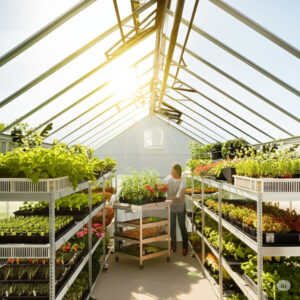
Sunlight Secrets: How to Maximize Natural Light in Your Greenhouse for Lush Growth
| Material | Light | Durability | Upkeep | Best For |
| Glass | High | Strong | Frequent | Clear views, long-term use |
| Polycarbonate | Good | Very strong | Low | Even light, low maintenance |
| Polyethylene | Okay | Short-term | Often | Budget setups, quick fixes |
Know What Your Plants Need
- Sunlight requirements vary: Most garden favorites like tomatoes, cucumbers, and peppers thrive with at least six hours of full sun a day. Many actually prefer eight to ten hours.
- Low-light options: Leafy greens like spinach or lettuce can handle less sun. That means you can mix things up in your greenhouse setup.
- Seasonal shifts matter: Sunlight changes throughout the year. Understand these shifts to plan your zones and avoid weak or uneven growth.
Pick the Right Spot for Sunlight
- Avoid shady locations: Place your greenhouse away from tall trees, buildings, or anything that could block the sun—especially in winter when the sun is low.
Orientation tips:
- East-west orientation works best for colder regions to catch more winter sun.
- North-south orientation is better for hot climates to reduce midday heat. Maximizing Sunlight
- Use a sun tracking app: Apps like Sun Seeker can show you exactly how light travels across your yard throughout the day. That helps you pick the ideal spot.
Design Your Greenhouse to Work with the Sun
- Choose the right shape: Curved or Quonset-style greenhouses allow better light diffusion compared to gabled roofs. They work great in winter when the sun is at a lower angle.
Pick the right material:
- Glass gives clarity but needs frequent cleaning. Maximizing Sunlight
- Polycarbonate diffuses light and holds in warmth better.
- Polyethylene film is flexible and budget-friendly for seasonal use.
- Roof and wall angles: Go for a roof pitch between 30–45 degrees to catch winter sun. In colder climates, slanted walls bring in more light than vertical ones.
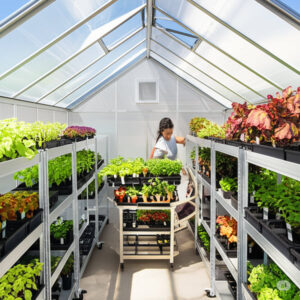
Arrange the Inside for the Best Light
- Taller plants go north: Place your tallest crops on the north side so they don’t shade the smaller ones.
- Stagger your shelves: Use staggered multi-level shelves to make sure each layer of plants gets enough light.
- Add reflective surfaces: White walls, reflective foil, and even bright-colored ground covers can help bounce light into darker corners.
- Shade when needed: Use light-diffusing shade cloths in summer to reduce intense direct sunlight while still keeping things bright.
Keep It Clean So the Light Gets In
- Clean panels regularly: Dirt, dust, algae, and hard water stains can block sunlight. Wash both inside and out every month or so.
- Use gentle products: A soft sponge and mild soap do the trick. Avoid anything abrasive that could scratch or dull your panels.
- Clear out debris: Leaves, sticks, and other junk in gutters or roof edges can block light. Keep those areas clean to avoid accidental shading.
- Remove snow fast: If it snows where you live, don’t let it sit. Snow blocks sunlight and can also damage your greenhouse structure.
Add Grow Lights If You Need Them
- Supplements, not replacements: Artificial lighting is a great backup during cloudy days or short winter months, but natural light should still be your main source.
Best lighting options:
- LED grow lights: Energy-saving, full-spectrum, and low-heat.
- High-pressure sodium (HPS): Perfect for flowering and fruiting plants.
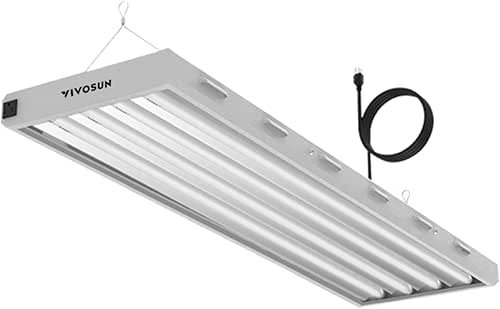
- Fluorescent lights: Great for seedlings and leafy greens.
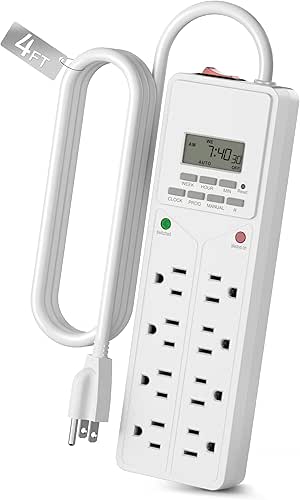
- Positioning matters: Keep your lights 12–36 inches above your plants, depending on the type. Use timers to simulate day-night cycles.
- Match light to the plant: Don’t overdo it. Use the right kind of light for your plants’ current growth stage.
Here are a few options; one of these might be just right for your greenhouse lighting needs.
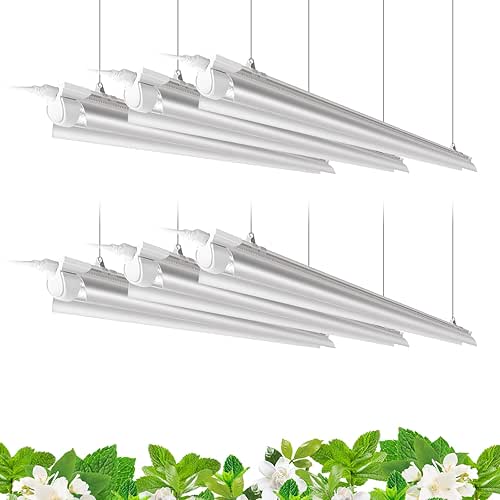
LED Grow Lights: Keep your Plants Growing, even on cloudy days.
2 ft. long


3 ft. long
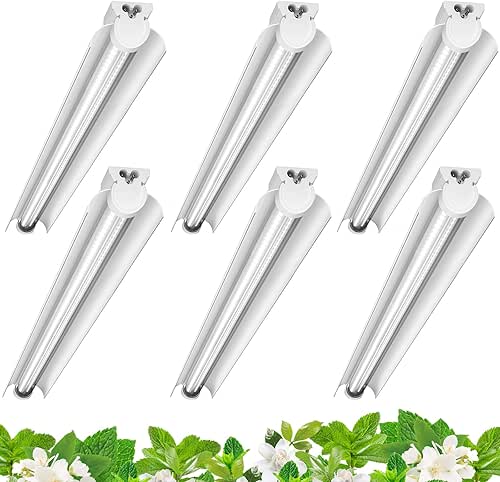
4 ft. long
High-pressure sodium (HPS): Perfect for flowering and fruiting plants.
Classic 1000W DE Double Ended HID Grow Light System with HID Bulb, Dimmable Ballast for Indoor Growing

Fluorescent lights: Great for seedlings and leafy greens.
T5 Grow Lights, 5000 Lumens per 4ft., 216W (4 X 54W), 6500K HO Fluorescent Tubes, with High-Output T5 Light Fixture Bulbs for Indoor Plants
Surge Protector with 7-Day Digital Timer
Change Things Up with the Seasons
Spring and summer tips:
- Use shade cloths to keep light levels comfortable.
- Open vents or roll up the sides to avoid overheating.
- Rotate your plants regularly so they grow evenly.
Fall and winter tips:
- Trim back trees and shrubs that might now block the lower-angle sun.
- Shift light-hungry plants toward the southern part of the greenhouse.
- Consider switching to insulated panels or double-layered plastic to hold more light and heat
Wrap-Up
Getting the most sunlight into your greenhouse doesn’t have to be complicated. A little planning goes a long way. Choose the right location, design your structure with the sun in mind, stay on top of cleaning and maintenance, and don’t forget to make seasonal adjustments. These simple steps make a big difference.
Natural sunlight is free, and maximizing it means healthier plants and lower energy bills. With a thoughtful setup and some regular care, your greenhouse can be productive year-round. Maximizing Sunlight.
🔑 Key Takeaway
Where you place your greenhouse, how you design it, and how you maintain it all affect how much sunlight your plants get. Nail those things, and your garden will thank you with healthy growth.
Frequently Asked Questions (FAQs): Greenhouse Sunlight & Lighting
Getting the right amount and quality of light is essential for healthy greenhouse plants. Below, we answer common questions about sunlight tracking, greenhouse orientation, managing hotspots, growing tropicals, and setting up grow lights.
1. How do I know how much sunlight each area in my greenhouse gets?
Recommended Methods:
- Use sun tracking apps like Sun Seeker to visualize the sun’s path and monitor light changes throughout the day and year.
- Dedicated sun calculators and light quantum sensors (PAR meters) can provide the precise measurements of light intensity and daily light integral (DLI) for different greenhouse zones.
- Portable weather stations or data loggers can help track and record light data for ongoing analysis.
Tip:
Regularly check light levels in different seasons, as sun angles shift and can impact plant placement.
2. Is a south-facing greenhouse always the best option?
General Guidance:
- In the Northern Hemisphere, a southern-facing orientation maximizes sunlight exposure year-round, especially during winter.
- In very hot climates, orienting slightly southeast or southwest can help avoid midday overheating while still capturing ample morning or afternoon sun.
- Avoid north-facing greenhouses, as they receive the least direct sunlight.
Tip:
Consider seasonal sun angles and any potential shade from nearby trees or buildings when choosing your greenhouse site.
3. What’s the best way to avoid light hotspots inside my greenhouse?
Best Practices:
- Install light-diffusing panels or fabrics to scatter sunlight and prevent concentrated hot spots.
- Use reflective materials (like mylar or white polyethylene) to redirect light into shaded areas, balancing the overall distribution.
- Prune plants and keep glazing clean to maximize even light penetration.
Tip:
Position reflective materials behind plants, not on the ground, to direct light where it’s needed most.
4. Can I grow tropical plants with low winter sunlight?
Short Answer:
Yes, but it requires extra effort.
What’s Needed:
- Supplement natural light with full-spectrum LED grow lights during winter months.
- Add heat sources and insulate the greenhouse to maintain warm temperatures.
- Use reflective surfaces and position plants closer to available light to boost brightness.
Tip:
Aim for 12–16 hours of supplemental light per day for most tropicals in winter, and adjust plant placement as sunlight angles change.
5. How high should I place grow lights in my greenhouse?
General Guidelines:
- For LED grow lights, position them 12–24 inches above plants for most growth stages; seedlings may need 24–36 inches to avoid burning.
- Adjust height based on the light’s intensity, plant type, and growth stage—closer for flowering, farther for seedlings.
- Always check the manufacturer’s recommendations and monitor for signs of light stress or stretching.
Tip:
Use a PAR meter to fine-tune light placement and ensure even coverage without burning leaves.
Summary Table
| Question | Key Takeaway | Pro Tip |
|---|---|---|
| How to measure sunlight in greenhouse? | Use sun tracking apps or PAR meters | Recheck with seasons and plant growth |
| South-facing greenhouse best? | Yes, for most climates; adjust in hot regions | Avoid north-facing; consider seasonal sun angle |
| Avoiding light hotspots? | Use diffusing panels and reflective materials | Place reflectors behind plants, not on ground |
| Grow tropicals with low winter light? | Yes, with grow lights, heat, and insulation | Provide 12–16 hrs of supplemental light |
| How high for grow lights? | 12–24″ for LEDs; adjust by stage and intensity | Check manufacturer’s specs and use a PAR meter |
Conclusion:
Optimizing sunlight and supplemental lighting in your greenhouse ensures healthy, vigorous plants year-round. Use tracking tools, orient your greenhouse wisely, manage light distribution, and tailor your grow light setup for the best results in every season.
Recommended Reading
Smart Greenhouse Humidity Control: Tips for Healthy, Happy Plants Crop RH Range Quick Tip Tomatoes 65–75% Avoid rot, keep airflow up Lettuce 50–60% Too much moisture = mildew Cucumbers 70–80% Likes it moist, vent well Herbs 60–70% Lower RH keeps leaves crisp Peppers 60–70% Don’t let it swing too much Strawberries 60–75% Watch for mold … Continue reading “Greenhouse Humidity Control”
Greenhouse Watering System Parts
Greenhouse Watering System Parts Main Components of an Efficient Greenhouse Watering System An efficient greenhouse watering system consists of several key components that ensure uniform, reliable, and resource-conscious irrigation. The main components are: Water Supply: The primary source of water can be a municipal supply, a well, or a storage tank. An intermediate storage … Continue reading “Greenhouse Watering System Parts”
Greenhouse Watering System Smart Greenhouse Watering Solutions That Actually Work System Best For Pros Cons Drip Beds, rows, containers Precise, water-saving Needs setup, can clog Capillary Mats Seedlings, small pots Even moisture, no wet leaves Not for big plants, clean often Soaker Hose Rows, garden beds Easy to use, covers a lot Not super precise, … Continue reading “Greenhouse Watering System”
Best Victorian Greenhouses for Your Backyard
Introduction Best Victorian Greenhouses for Your Backyard. Victorian greenhouses are renowned for their timeless beauty and unmatched charm. These structures, popular during the Victorian era, continue to captivate gardening enthusiasts with their intricate designs and elegant features. If you’re considering adding a greenhouse to your backyard, a Victorian-style structure could be the perfect choice. In … Continue reading “Best Victorian Greenhouses for Your Backyard”
Maximizing Sunlight