Greenhouse Temperature Control
Greenhouse Temperature Control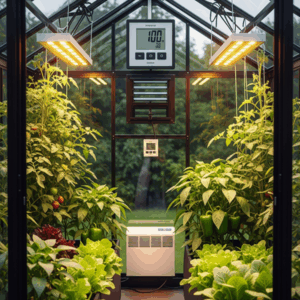
How to Keep Your Greenhouse at the Perfect Temperature Year-Round
| Crop | Day Temp (°F) | Night Temp (°F) | Notes |
| Tomatoes | 70–85 | 60–70 | Loves warmth, needs airflow |
| Peppers | 75–85 | 65–70 | Sensitive to cold nights |
| Cucumbers | 75–85 | 60–70 | Needs consistent warmth |
| Lettuce | 60–70 | 50–60 | Prefers cooler climates |
| Spinach | 50–70 | 40–60 | Tolerates lower temps well |
| Broccoli | 65–75 | 55–65 | Grows best in mild temps |
Why Greenhouse Temperature Control Really Matters
When you think about what makes plants grow, temperature is right up there with light and water. Too much heat can scorch leaves and slow growth, while too much cold can shock or even kill sensitive crops. The key is consistency—keeping things within a range that matches the needs of your plants. It keeps them happy, healthy, and growing strong.
What’s the Ideal Temperature for Different Crops?
Different plants like different temperatures, and getting that balance right makes a big difference in how well they grow.
- Warm-season crops: Tomatoes grow best when the daytime temps sit between 70 and 85°F, and drop to around 60 to 70°F at night. Peppers enjoy similar conditions, with a slight bump in night temps. Cucumbers are also heat lovers, preferring 75 to 85°F during the day and around 60 to 70°F at night.
- Cool-season crops: Lettuce prefers days around 60 to 70°F and nights a little cooler at 50 to 60°F. Spinach can handle a wider range but does best in the 50 to 70°F window. Broccoli likes it in the 65 to 75°F range during the day and a bit cooler at night.
What Affects the Temperature Inside a Greenhouse?
- External climate: The outside weather directly affects how much work your greenhouse systems have to do.
- Sunlight: It can heat your greenhouse fast, which is useful in winter but can be dangerous in the summer.
- Airflow: Proper ventilation ensures that hot air doesn’t build up in one spot and allows for a more even temperature throughout the space.
- Materials: Glass, polycarbonate, or polyethylene each insulate differently. Your material choice impacts heat retention or loss.
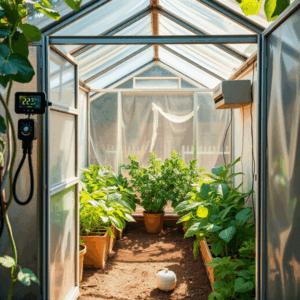
Smart Ways to Manage Temperature Without Electricity
You don’t always need fancy gadgets to keep your greenhouse comfy. Some old-school tricks still work great and don’t cost much.
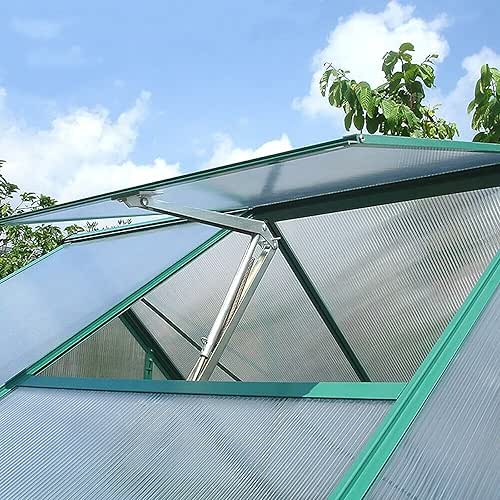
- Natural ventilation: Roof vents, side vents, and openable panels let hot air escape and cooler air come in. Louvered openings give you better airflow control while keeping pests out.
- Shade cloths: Available in different densities, they block sunlight and reduce internal heat. A 50% shade cloth is a solid choice for hotter areas.
- Thermal mass: Water barrels or stone floors absorb heat during the day and release it at night, helping to even out temperature changes.
Here are a few choices for your greenhouse:
Auto Vent Opener Automatic
-


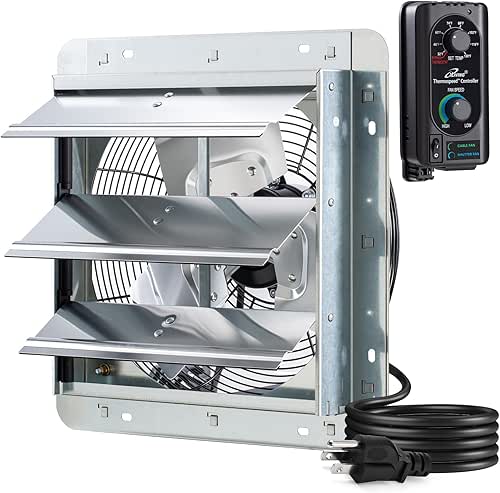
Wall Mounted Shutter Exhaust Fan
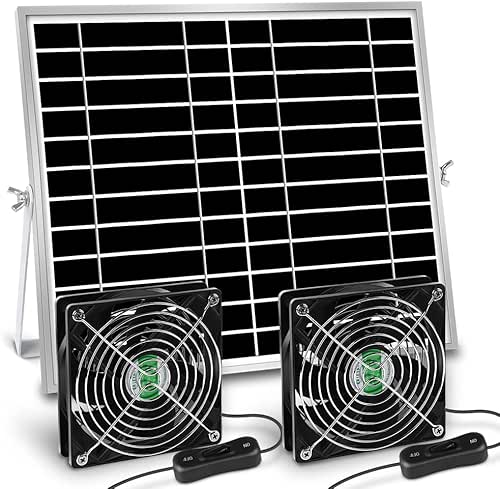
Solar Powered Fan
High-Tech Ways to Take Control
When you need more precision—or you’re managing a larger setup—it’s time to bring in the tech.
Heating systems:
- Electric heaters work well for smaller greenhouses and offer quick warmth.
- Gas or propane heaters are better for large spaces and long heating cycles.
- Hydronic heating uses warm water through pipes beneath your plants for consistent, moisture-friendly heating.
Cooling systems:
- Evaporative coolers pull hot air through wet pads to drop the temperature.
- Exhaust fans push hot air out and bring fresh air in.
- Misting systems cool the air using evaporation but require good ventilation to prevent humidity buildup.
Automated systems: These use sensors and thermostats to adjust fans, heaters, and vents automatically. Some even let you manage everything from your phone, adjusting on the go as weather conditions change.
Tools to Keep an Eye on Conditions
If you’re serious about maintaining a stable temperature, you’ve got to track what’s going on.
- Thermometers and hygrometers: Must-haves to measure temperature and humidity levels accurately.
- Wireless sensors: Place them throughout your greenhouse—at plant level and canopy height—to capture microclimate differences.
- Data loggers: Great for identifying trends by recording temperature data over time.
- Smart controllers: React to your readings and adjust your systems automatically to maintain the ideal climate.
Seasonal Shifts and What You Need to Adjust
- Summer: Use reflective insulation, whitewash glass, or shade cloths to reduce sunlight. Increase airflow with fans and vents. Misting systems help reduce temperature during the day.
- Winter: Seal up cracks and insulate entryways. Use bubble wrap or thermal screens on the walls and ceilings. Set heaters to kick in at night when temperatures drop. Increase thermal mass where possible.
- Spring and fall: The most unpredictable seasons. Use systems that can heat or cool as needed. Keep a close eye on forecasts and adjust your schedule often.
How to Save Energy While Controlling the Climate
- Use renewable energy: Solar panels or biomass heaters offer sustainable energy solutions.
- Insulate wisely: Double-pane glass, thermal screens, and sealing gaps go a long way in saving energy.
- Time your venting: Open vents during cooler hours in the morning and shut them before the day gets too hot. Automated systems make this easier.
- Layer systems: Don’t rely on just one method. Combine passive tools (like thermal mass and shading) with active ones (like smart fans and heaters) for efficient regulation.
Mistakes to Watch Out For
- Overheating: It’s easy to go overboard with insulation and forget to vent, especially on sunny days.
- Cold nights: Nighttime temperatures can drop quickly and catch you off guard. Make sure you’re ready with a heating plan.
- Not monitoring enough: A daily check isn’t enough. Real-time monitoring is essential to avoid sudden changes.
- Skipping maintenance: Fans, vents, and heaters need regular care. Dust and wear can affect performance and cause breakdowns when you need them most.
Frequently Asked Questions (FAQs): Greenhouse Temperature Control
Maintaining the right temperature is vital to a thriving greenhouse. Below, we answer some of the most common questions about keeping your greenhouse warm, efficient, and easy to manage—without breaking the bank.
1. How can I keep my greenhouse warm at night without using electricity?
Recommended Methods:
- Use thermal mass (e.g., water barrels, stone flooring) to absorb heat during the day and release it at night.
- Insulate your greenhouse with bubble wrap, foam panels, or double glazing to reduce heat loss.
- Install thermal curtains or shade cloths to trap warmth after sunset.
Tip:
Place water barrels where they’ll receive maximum sunlight during the day for best heat absorption.
2. Is it better to use glass or plastic for temperature control?
Comparison:
Glass:
- Excellent light transmission for plant growth.
- Durable but can be expensive and fragile.
Polycarbonate Plastic:
- Superior insulation, helping maintain stable temperatures.
- Diffuses light, reducing hot spots and sunburn.
- Lightweight and more impact-resistant than glass.
Tip:
For most hobby greenhouses, double-wall polycarbonate panels offer the best balance of insulation, durability, and cost.
3. Can I automate greenhouse temperature control on a budget?
Short Answer:
Yes! Affordable automation options are available.
Options:
- Smart plugs and programmable thermostats can control fans and heaters.
- Basic temperature controllers can automate vent openers or shade systems.
- Many budget-friendly devices are compatible with Wi-Fi for remote monitoring.
Tip:
Start small—automate one device at a time and expand as your needs grow.
4. How often should I adjust temperature settings?
Recommended Frequency:
Check and adjust temperature settings at least weekly, especially during seasonal changes.
Best Practices:
- Monitor local weather forecasts and greenhouse sensors.
- Adjust ventilation, heating, or shading as needed to stay ahead of temperature swings.
Tip:
Use weather apps and real-time sensor data for timely adjustments.
5. What’s the best way to deal with sudden cold snaps?
Preparation & Response:
- Ensure your heating system is functional and ready to use.
- Add emergency insulation—such as bubble wrap, thermal blankets, or row covers—to retain heat.
- Close off unused sections of the greenhouse to concentrate warmth where it’s needed most.
Tip:
Keep extra insulation materials on hand for quick deployment during unexpected cold weather.
Summary Table
| Question | Key Takeaway | Pro Tip |
|---|---|---|
| Keep greenhouse warm without electricity? | Use thermal mass and insulation | Place water barrels for max sun exposure |
| Glass or plastic for temperature control? | Polycarbonate insulates better than glass | Double-wall polycarbonate is a great choice |
| Automate temp control on a budget? | Smart plugs and basic controllers work well | Start small and expand as needed |
| How often to adjust settings? | At least weekly, more during transitions | Use weather apps and sensors for guidance |
| Deal with sudden cold snaps? | Prep heating, add emergency insulation | Keep bubble wrap and blankets ready |
Conclusion:
With the right materials and a few smart strategies, you can maintain optimal greenhouse temperatures year-round—even on a budget. Regular monitoring, good insulation, and simple automation will help your plants thrive in any season. Make sure your heating system is ready to go and monitor temps closely. You can add emergency insulation with bubble wrap or thermal blankets and close off unused sections to conserve heat. Greenhouse Temperature Control
Recommended Reading
1. Why is Soil Health Important
Why is Soil Health Important for Greenhouse Gardeners Why is Soil Health Important? In the unique, controlled environment of a greenhouse, soil isn’t just dirt—it’s the living foundation for plant success. Unlike outdoor gardens where natural processes often regenerate soil, greenhouse plants are entirely reliant on the ecosystem you create and maintain. Healthy greenhouse soil impacts […]
2. Greenhouse Humidity Control
Smart Greenhouse Humidity Control: Tips for Healthy, Happy Plants Crop RH Range Quick Tip Tomatoes 65–75% Avoid rot, keep airflow up Lettuce 50–60% Too much moisture = mildew Cucumbers 70–80% Likes it moist, vent well Herbs 60–70% Lower RH keeps leaves crisp Peppers 60–70% Don’t let it swing too much Strawberries 60–75% Watch for mold […]
Greenhouse Pest Management Keep Pests Out: Your Go-To Guide for Greenhouse Pest Management Pest Signs Quick Fix Aphids Curled, sticky leaves Water spray, ladybugs Whiteflies Tiny white fliers Sticky traps, parasitic wasps Spider Mites Speckled leaves, webs More humidity, predatory mites Thrips Silvery streaks Blue traps, lacewings Fungus Gnats Flies near soil Dry soil, nematodes […]
Greenhouse Watering System Smart Greenhouse Watering Solutions That Actually Work System Best For Pros Cons Drip Beds, rows, containers Precise, water-saving Needs setup, can clog Capillary Mats Seedlings, small pots Even moisture, no wet leaves Not for big plants, clean often Soaker Hose Rows, garden beds Easy to use, covers a lot Not super precise, […]