Greenhouse Watering System Parts
Greenhouse Watering System Parts 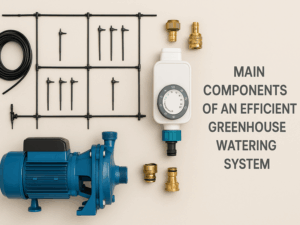
Main Components of an Efficient Greenhouse Watering System
An efficient greenhouse watering system consists of several key components that ensure uniform, reliable, and resource-conscious irrigation. The main components are:
Water Supply:
The primary source of water can be a municipal supply, a well, or a storage tank. An intermediate storage tank may be used to buffer supply and allow for water tempering or heating if needed7.
Pump and Pressure Regulation:
A pump (if not using gravity or municipal pressure) delivers water throughout the system. Pressure regulators ensure consistent and appropriate water pressure for different system types (e.g., drip vs. sprinkler).
Filtration System:
Filters remove debris and particulates from the water to prevent clogging of emitters and pipes, especially important in drip and micro-irrigation systems.
Main Lines, Submains, and Laterals:
Main Line:
Distributes water from the supply to different areas of the greenhouse.
Submains/Manifolds:
Branch off the main line to serve specific zones or beds.
Laterals:
Smaller pipes or tubes that deliver water directly to the emitters or sprinklers.
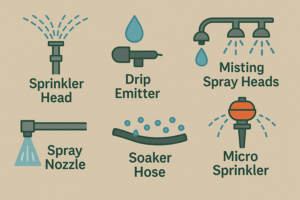
Emitters/Delivery Devices: These include:
Drip Emitters:
Deliver water directly to plant roots with high efficiency.
Greenhouse Micro Drip Irrigation Kit
-

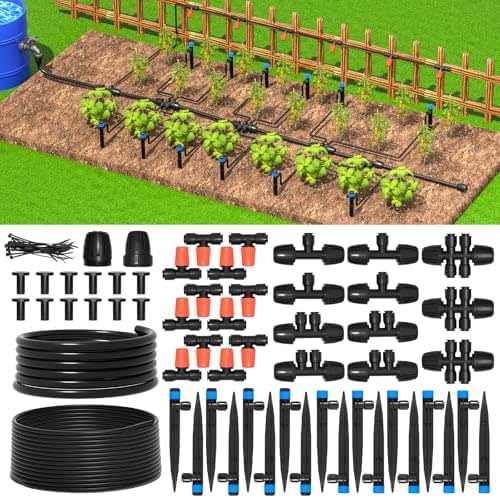

Micro-Sprinklers or Sprayers:
Provide overhead or targeted foliar watering, useful for humidity-loving plants or propagation.
Garden Watering Automatic Sprinkler Kit
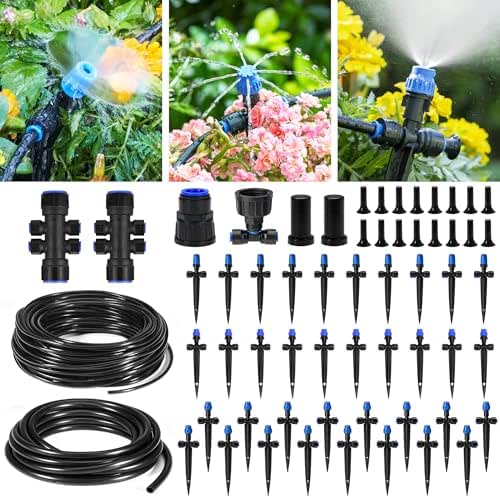
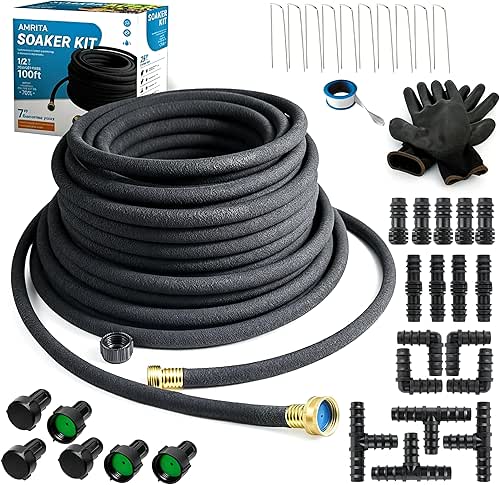
Soaker Hoses:
Permeable hoses for even watering along rows or beds.
Soaker Hose KIT,1/2inch
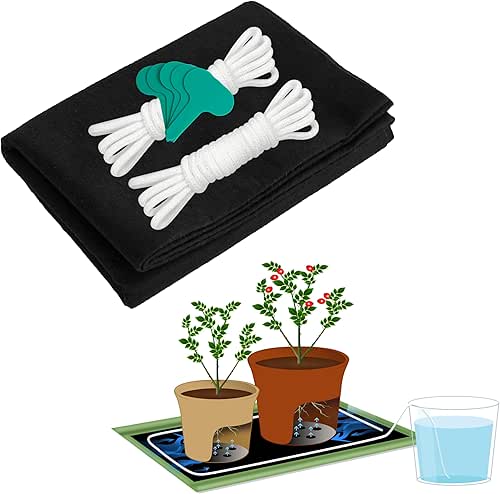
Capillary Mats:
For bottom-watering potted plants and seedlings.
Capillary Mats for Seed Starting Kit
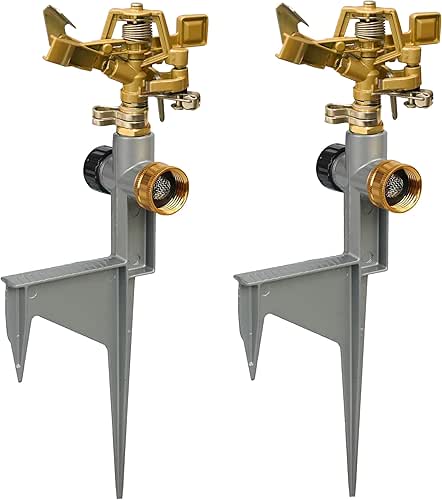
Sprinkler Heads:
For broad, overhead coverage in large greenhouses.
Pulsating Water Sprinkler Head
Automation and Controls:
Timers/Controllers:
Automate watering schedules for consistency and labor savings.
6-Station Indoor/Outdoor Sprinkler Timer/Controller

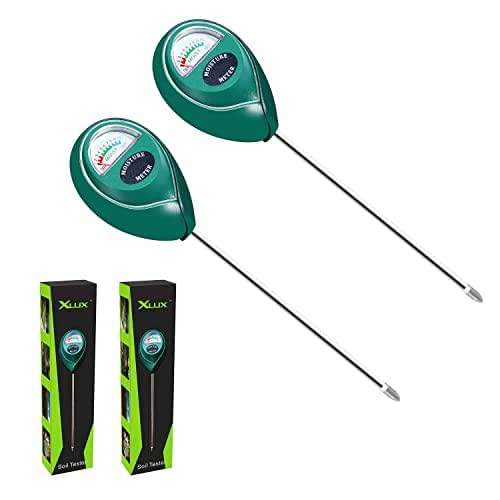
Sensors:
Soil moisture and environmental sensors can optimize watering frequency and duration.
Soil Moisture Sensor Meter
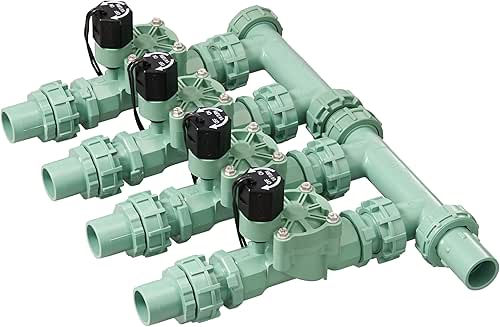
Zone Valves:
Allow for different sections of the greenhouse to be watered independently.
4-Valve Preassembled Sprinkler Manifold
Fertilizer Injector (Optional):
Delivers nutrients directly through the irrigation water for fertigation, increasing efficiency and reducing labor.
Adjustable Fertilizer Injector

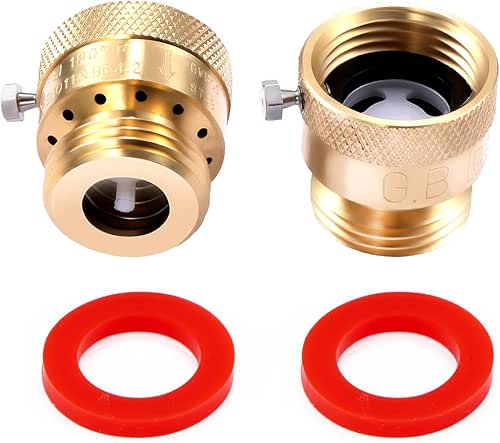
Backflow Prevention Valve:
Prevents contaminated water from flowing back into the main supply, protecting water quality.
Backflow Preventer Vacuum Breaker
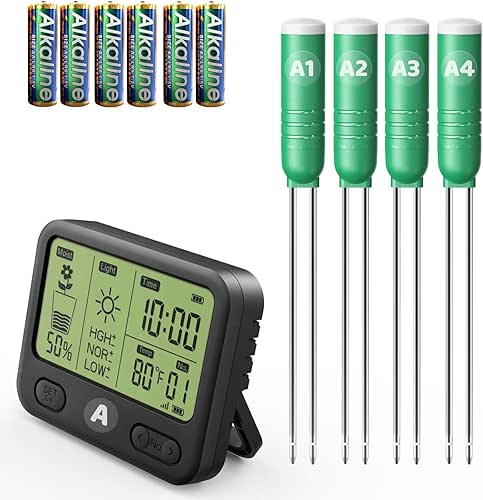
Monitoring Equipment:
Water flow meters and pressure gauges help track system performance and detect issues early.
4in1 Plant Soil Moisture Meter
Efficient greenhouse watering systems use these components to deliver water exactly when and where you need it, promote healthy plant growth, conserve resources, and cut down on labor.
Types of Irrigation Systems
| System Type | Description | Best Use Cases |
|---|---|---|
| Drip Irrigation | Delivers water directly to the root zone via emitters; low pressure, precise | Pots, raised beds, row crops |
| Misting Irrigation | Simulates rainfall with fine mist; higher pressure, covers foliage | Propagation, humidity control |
| Sprinkler/Overhead | Waters from above; can be automated or manual | Large areas, seedlings |
| Ebb and Flow/Trough | Floods benches or trays with nutrient solution; drains and recycles water | Containerized crops, hydroponics |
Conclusion
Selecting the proper components and maintaining your irrigation system will help ensure consistent, efficient watering for your greenhouse. Pumps, correct tubing size, compatible accessories, and regular filtration are all key to a trouble-free setup.
An efficient greenhouse watering system integrates a reliable water supply, filtration, pressure regulation, and precise delivery mechanisms—all controlled by automation and supported by monitoring tools. Choosing the right components and system type ensures healthy plants, maximizes water efficiency, and supports sustainable greenhouse management.
Click Here to see more about Greenhouse Sprinkler Systems
Frequently Asked Questions (FAQs): Greenhouse Irrigation Systems
Choosing the right components for your greenhouse irrigation setup is crucial for efficient watering and healthy plants. Below, we address some of the most common questions to help you design and maintain a reliable system.
1. Will gravity-fed water work with irrigation systems?
Short Answer:
Gravity-fed systems typically do not provide enough water pressure for most drip or irrigation systems.
Why?
- Most irrigation components require consistent pressure to operate efficiently.
- Low pressure from gravity-fed sources can result in uneven watering and clogged emitters.
Recommended Solution:
Install a pump to boost water pressure and ensure proper flow throughout your system.
Tip:
If using rain barrels or tanks, position them as high as possible to maximize gravity pressure, but a pump is still usually necessary for best results.
2. What size supply line should I use?
General Guidance:
Match your supply line size to your greenhouse’s water demand.
Recommendations:
- For most small to medium greenhouses, ½” tubing (up to 240 gallons per hour) works well.
- For larger systems or higher water needs, upgrade to ¾” or larger tubing to prevent flow restrictions.
Tip:
Measure the total length of your irrigation lines and consider the number of emitters when selecting tubing size to avoid pressure drops at the far end.
3. Can I use a siphon mixer with a gardener kit?
Short Answer:
Siphon mixers are generally not compatible with most gardener kits.
Why?
- Siphon mixers require full, unrestricted flow and minimal backpressure.
- Many gardener kits create backpressure or use fittings that restrict flow, preventing the siphon mixer from working properly.
Tip:
If you need to inject fertilizer or nutrients, consider alternative methods designed for low-pressure systems.
4. Do I need a filter?
Recommendation:
A filter is highly recommended for all irrigation systems.
Why?
- Filters remove debris and particulates that can clog emitters and pipes.
- Especially important when using non-city water sources (e.g., rainwater, pond water).
Tip:
Check and clean your filter regularly to maintain optimal water flow and extend the life of your irrigation components.
Summary Table
| Question | Key Takeaway | Pro Tip |
|---|---|---|
| Will gravity-fed water work? | Usually insufficient pressure—use a pump | Elevate tanks for more pressure, but pump best |
| What size supply line? | ½” for most, ¾” or larger for big systems | Consider total length and number of emitters |
| Siphon mixer with gardener kit? | Generally incompatible due to backpressure | Use alternatives for low-pressure systems |
| Do I need a filter? | Yes, especially with non-city water | Clean filter regularly to prevent clogs |
Recommended Reading
Why is Soil Health Important for Greenhouse Gardeners Why is Soil Health Important? In the unique, controlled environment of a greenhouse, soil isn’t just dirt—it’s the living foundation for plant success. Unlike outdoor gardens where natural processes often regenerate soil, greenhouse plants are entirely reliant on the ecosystem you create and maintain. Healthy greenhouse soil impacts […]
Greenhouse Watering System Smart Greenhouse Watering Solutions That Actually Work System Best For Pros Cons Drip Beds, rows, containers Precise, water-saving Needs setup, can clog Capillary Mats Seedlings, small pots Even moisture, no wet leaves Not for big plants, clean often Soaker Hose Rows, garden beds Easy to use, covers a lot Not super precise, […]
Polytunnel Greenhouse Why a Polytunnel Greenhouse Might Be the Best Garden Upgrade You’ll Ever Make Polytunnel Greenhouse Feature Polytunnel Glass Greenhouse Cost Cheaper Pricier Setup Quick and easy Slower, more effort Flexibility Easy to move Fixed in place Weather Great for wind and rain Better winter insulation Looks Basic and practical Sleek and classic Repairs […]
Cold Frame Greenhouses: A Simple Way to Keep Your Garden Growing Longer Cold Frame Greenhouses Crop Best Season Temp Range Quick Note Lettuce Spring/Fall 45–65°F Super easy and fast grower Spinach Spring/Fall 40–70°F Loves the cold Radishes Spring/Fall 50–70°F Quick harvest, low fuss Carrots Spring/Fall 55–75°F Slow grower, likes cool soil Kale Fall/Winter 40–70°F Gets […]