Greenhouse Seasonal Planting
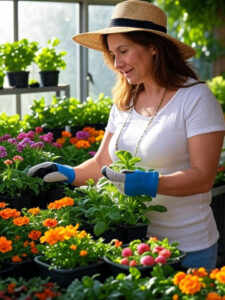
Mastering Greenhouse Seasonal Planting: A Year-Round Guide to Thriving Harvests
| Tool | What It Does | When to Use | Tip |
| Vents | Releases moist air | Warm days | Open midday |
| Exhaust Fans | Pulls out humid air | Hot, humid times | Use with intake vents |
| Circulation Fans | Moves air around | All year | Point at plant level |
| Heaters | Lowers RH by warming air | Cold, damp weather | Place low near doors |
| Dehumidifiers | Removes air moisture | Humid climates | Run at night |
| Hygrometers | Tracks humidity levels | Always | Use in different spots |
| Misters | Adds moisture to air | Dry conditions | Set on timer |
| Drip System | Waters roots, not air | Regular watering | Keeps leaves dry |
Why Seasonal Planning Is Crucial Inside a Greenhouse
Though greenhouses offer protection from frost, wind, and erratic weather patterns, internal conditions still respond to external seasonal changes. Sunlight duration, angle, intensity, and even pest behavior vary throughout the year. If we fail to adapt our planting schedules, crops may struggle, become stunted, or bolt prematurely.
Seasonal planning also supports:
- Crop rotation, reducing soil-borne diseases and nutrient depletion
- Balanced humidity levels to prevent fungal issues
- Efficient energy use, especially for supplemental lighting and heating
Smart seasonal planting in greenhouses creates harmony between crop needs and environmental cues, setting the foundation for robust yields year-round.
Spring Greenhouse Planting: Cultivating Momentum
As daylight hours stretch and temperatures rise, spring becomes an ideal season to kickstart growth. This is a time to embrace cool-season crops that germinate well in slightly lower soil temperatures and thrive in steady warmth.
Best crops for spring:
- Lettuce
- Spinach
- Kale
- Beets
- Carrots
- Swiss chard
- Turnips
- Green onions
📌 Key Strategies
- Start early: Seed trays placed under grow lights or heat mats in late winter can be transplanted once greenhouse temperatures stabilize.
- Watch for condensation: The clash between cold nights and warming days can increase humidity. Ventilate early mornings to prevent mildew.
- Maximize sunlight: Clean greenhouse panels to ensure full sun penetration for young seedlings.
Spring is also the time to start warm-season crops like tomatoes, peppers, and cucumbers indoors for transplanting later when the conditions are just right.
Summer Greenhouse Planting: Managing Heat and Productivity
Summer offers abundant light and warmth—ideal for fast-growing, heat-loving vegetables. However, we must pay close attention to temperature regulation, as greenhouses can easily overheat.
Top performers for summer:
- Tomatoes
- Peppers
- Cucumbers
- Zucchini
- Eggplants
- Basil
- Beans
🌞 Essential Practices
- Shading: Use shade cloths or whitewash paint to reduce sun intensity and prevent leaf scorch.
- Ventilation: Roof vents, fans, and louvered side vents should run continuously to maintain airflow.
- Hydration: Water more frequently but avoid overwatering. Morning watering is ideal to reduce fungal risks.
- Pollination support: In a sealed greenhouse, hand-pollination or using pollinator-attracting plants like marigolds helps ensure fruit set.
We also recommend incorporating companion planting to naturally deter pests and optimize plant health.
Fall Greenhouse Planting: Extending the Bounty
As outdoor gardens wind down, the greenhouse enters a second prime planting window. Fall crops often mirror spring selections but offer the added benefit of fewer pest pressures and more stable humidity levels.
Ideal crops for fall:
- Radishes
- Broccoli
- Cabbage
- Cauliflower
- Mustard greens
- Arugula
- Endive
✅ Pro Tips
- Plan backward: Calculate the first frost date and plant accordingly, allowing enough time for crops to mature.
- Transition carefully: Remove summer crops gradually to prevent shocking the microclimate.
- Use thermal mass: Place water barrels or stones to absorb heat during the day and release it at night.
- Cover beds: Floating row covers help retain warmth and shield tender transplants from cool breezes.
Fall planting is about balance—making use of residual warmth while preparing for colder nights.
Winter Greenhouse Planting: Growing Through the Cold
Contrary to popular belief, winter doesn’t spell the end of growing. With strategic insulation and crop selection, greenhouses remain productive even in frigid conditions.
Resilient winter crops:
- Spinach
- Mâche (corn salad)
- Pak choi
- Tatsoi
- Mizuna
- Garlic (for spring harvest)
- Parsley
🏆 Success Strategies
- Insulation: Bubble wrap walls, seal cracks, and use double glazing where possible.
- Supplemental heat: Use propane heaters or electric radiant heat selectively to maintain minimum thresholds.
- Row covers within the greenhouse: A “greenhouse inside a greenhouse” effect helps trap additional warmth.
- Light management: Install LED grow lights to offset shorter days and promote strong leaf development.
Even with minimal growth rates, winter planting sets the stage for an early spring harvest—especially for leafy greens and overwintered root crops.
Year-Round Greenhouse Tips for Seasonal Success
- Maintain a planting calendar: Organizing your schedule by seed-starting dates, transplant times, and harvest windows keeps production consistent. Update this calendar based on results and observations each year to refine future plans.
- Adjust lighting and heating as needed: Though passive solar energy does much of the work, certain crops—especially in winter—require supplemental light and warmth to meet their growing demands. Install timers and thermostats for energy efficiency.
- Rotate crops and amend soil: Avoid planting the same crop families in the same soil season after season. Use compost, organic fertilizers, and microbial inoculants to rebuild soil health between rotations.
- Practice cleanliness and pest control: Remove spent crops promptly, sterilize tools, and inspect for pests like aphids, whiteflies, and spider mites. Introduce beneficial insects or use neem oil for eco-friendly control.
- Keep detailed logs: Track planting dates, growth patterns, temperature fluctuations, and yield. These records are invaluable for identifying patterns and optimizing future
Conclusion
Mastering greenhouse seasonal planting is a blend of knowledge, timing, and responsiveness. While the greenhouse grants us extended growing seasons and improved climate control, seasonal awareness still plays a vital role in ensuring plant success. From the crisp greens of spring to the hardy herbs of winter, the greenhouse is a year-round powerhouse—when approached with strategy and care.
Through each seasonal transition, our greenhouse becomes not just a shelter, but a thriving micro-ecosystem that delivers fresh, nutritious produce in every month of the year. When we plant with purpose and precision, every season becomes an opportunity for abundance.
🌿 Key Takeaway
Even with temperature control, seasonal changes in light, humidity, and plant cycles affect greenhouse performance. Strategic seasonal planting is essential for optimal health and productivity.
FAQs: Greenhouse Fruit Growing and Soil Health
Can I grow fruits like strawberries and melons in a greenhouse year-round?
Yes, you can grow strawberries and melons year-round in a greenhouse, but each has different requirements.
-
- Strawberries: These are well-suited for year-round production. They thrive best in controlled environments where you can maintain steady temperatures (ideally 60–75°F), provide 12–16 hours of light, and ensure good air circulation. Most varieties are self-pollinating, but gentle shaking or using a small electric fan can help with pollination.
- Melons: Growing melons year-round is possible but more challenging. They need consistently warm temperatures (above 70°F), high light levels, and plenty of space for vines to spread. Hand pollination is often necessary, as natural pollinators may not be present indoors. Both crops benefit from regular feeding and attentive watering.
How do I prevent diseases that build up over time in greenhouse soil?
Preventing soil-borne diseases requires proactive management:
-
- Crop rotation: Change the type of crop grown in each bed or container every season to disrupt pest and disease cycles.
- Soil solarization: Cover moist soil with clear plastic during hot months to heat it up and kill pathogens.
- Add compost: Incorporate well-aged compost to boost beneficial microbes that outcompete harmful organisms.
- Introduce beneficial microbes: Use commercial inoculants or compost teas to populate soil with disease-fighting bacteria and fungi.
- Good practices: Avoid overwatering, which promotes fungal growth, and improve airflow by spacing plants and ventilating the greenhouse.
Should I sterilize the greenhouse between seasons?
Yes, thorough cleaning between growing seasons is important for pest and disease control.
-
- Deep clean: Remove all plant debris and weeds. Wash benches, walls, trays, and tools with a mild disinfectant or soap solution.
- Inspect and repair: Check for cracks or crevices where pests might hide and repair as needed.
- Sanitize containers: Clean and disinfect pots and trays before reusing them to avoid transferring pathogens.
- Let it dry: Allow the greenhouse to air out and dry completely before starting new crops.
Is it better to use containers or plant directly in greenhouse beds?
Both methods have their own advantages—choose based on your needs and crops:
-
- Containers: Offer flexibility, are easy to rearrange, and reduce the risk of soil-borne diseases. They’re ideal for crops that need special soil mixes or if you want to isolate plants.
- Greenhouse beds (raised or in-ground): Provide more root space and better water retention, which is beneficial for larger or deep-rooted crops. They also make it easier to grow in bulk.
- Decision factors: Consider your greenhouse size, the crops you want to grow, and your ability to manage soil health.
How can I maintain optimal humidity in different seasons?
Monitoring and adjusting humidity is key to healthy greenhouse crops:
-
- Monitor: Use a hygrometer to track relative humidity (RH) levels.
- Ventilation: Open vents or use fans to reduce humidity, especially after watering or during humid weather.
- Shade cloths: Lower internal temperatures and help prevent excess humidity buildup in summer.
- Misting systems: Increase humidity during dry periods, especially in winter or arid climates.
- Mulching: Helps maintain soil moisture and moderates humidity swings.
- Seasonal adjustments: In winter, limit watering and ventilate during the warmest part of the day to reduce condensation; in summer, increase airflow and use shading as needed.