Hoop House Greenhouse
Hoop House Greenhouse 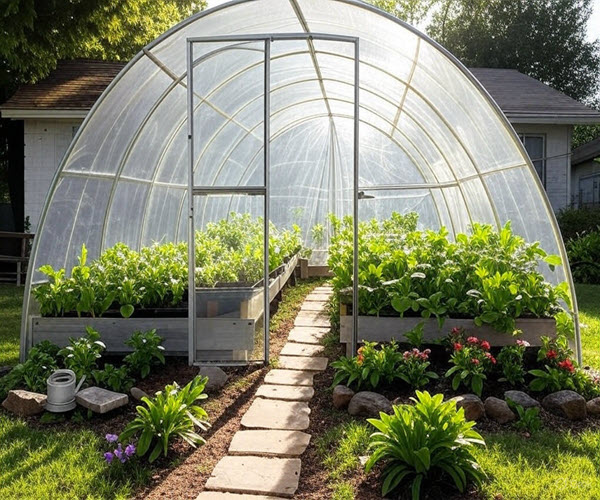
Hoop House Greenhouses: The Budget-Friendly Way to Grow More Year-Round
| Type | Cost | Setup Difficulty | Best For | Insulation |
| Hoop House | Low | Easy | Budget growers, beginners | Moderate |
| Glass Greenhouse | High | Hard | Serious year-round gardening | Excellent |
| Polytunnel | Medium | Moderate | Medium-scale growers | Good |
| Cold Frame | Very Low | Very Easy | Seed starting, tiny gardens | Low |
What’s a Hoop House Greenhouse, Anyway?
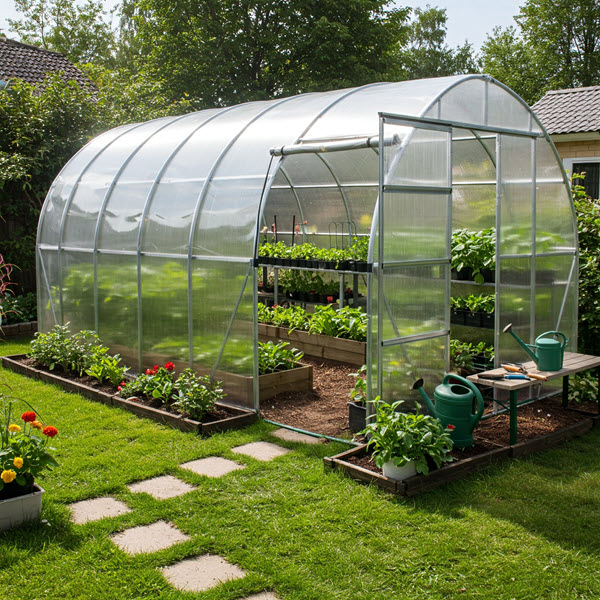
A hoop house greenhouse—also called a high tunnel—is basically a series of bent pipes covered with plastic sheeting. It looks like a giant tunnel and works by trapping heat and moisture inside to create a cozy environment for your plants.
Unlike more complex greenhouses with foundations, heaters, and glass panels, hoop houses are lightweight, easy to build, and much more affordable. You can put one together with materials like PVC or metal pipes, cover it with greenhouse plastic, and be ready to grow in no time.
Why People Love Hoop Houses
- Affordable and accessible: You can build a decent-sized one without spending a fortune. Most of the materials are readily available, and you don’t need professional help to put it all together.
- Extended growing seasons: You can start planting weeks earlier in the spring and keep growing long after summer ends. The structure keeps frost at bay and holds in heat, giving your plants a head start—and a longer life.
- Customizable and expandable: Whether you have a small backyard or more space, you can adjust the size to fit your needs. Since they’re not permanent, you can expand, move, or remove them whenever you like.
- Improved crop health and yield: The steady environment reduces stress and helps them flourish. That means stronger plants, better harvests, and more food on your table.
- Simple ventilation and pest control: Many hoop houses have roll-up sides so you can control the ventilation, and you can use mesh to keep bugs away without relying heavily on chemicals.
How You Can Use a Hoop House
- Grow vegetables year-round: Leafy greens, root veggies, and herbs do great—even in the colder months. Spinach, lettuce, carrots, and beets love the protected environment.
- Start seeds early: You don’t have to wait for the last frost. Get your seeds going early and transplant them when the time is right. This gives your garden a serious jumpstart.
- Protect delicate crops: Crops like tomatoes, peppers, and eggplants do much better in a hoop house. They grow stronger, faster, and with fewer issues.
- Grow seasonal flowers: Flowers like tulips and dahlias thrive inside a hoop house, and you can get blooms earlier than usual.

How to Build a Hoop House (Yes, You Can Do It!)
- Pick a good spot: Choose a sunny location with good drainage. Avoid shade from trees or buildings, and pick a place close to a water source.
Grab your supplies:
- PVC or metal piping
- Polyethylene plastic sheeting
- Wooden boards for the base
- Ground stakes or rebar
- Clamps, zip ties, or brackets
- Optional: Door frames and ventilation panels
Build the frame:
- Insert the piping into the ground at regular intervals—about every four feet.
- Bend the pipes into an arch and secure them using stakes or baseboards.
Add the plastic cover:
- Drape the plastic sheeting over the entire frame.
- Pull it tight and secure it using clamps, sandbags, or battens.
Finish it off:
- Add wooden end walls and a door for easy access.
- Consider installing vents or roll-up sides for better airflow.
Keeping Your Hoop House in Great Shape
- Take care of the plastic: Watch for tears or UV damage. Small holes can be patched with repair tape. Plan to replace the covering every 3 to 5 years.
- Keep it secure: Wind and storms can knock things loose. After rough weather, check your anchors and make sure everything’s tight.
- Watch the climate inside: A thermometer and hygrometer help you monitor heat and humidity. Roll up the sides when it’s hot and close them when it’s chilly.
- Rotate crops and refresh the soil: Avoid soil depletion and plant diseases by rotating crops and mixing in compost or organic matter.
Possible Challenges (and How to Handle Them)
- Wind can be a pain: Use ground anchors or drive rebar deep into the soil. Cross-bracing helps add stability and reduce swaying.
- Snow load is no joke: If you’re in a snowy area, go with a peaked or gothic-style hoop house so snow slides off easily. Brush off heavy accumulation to avoid collapse.
- Hot temps inside: Open the sides or use shade cloth during hot spells. Good airflow keeps plants from overheating.
- Wear and tear happens: UV-resistant plastic lasts longer. Avoid letting the plastic rub against sharp edges to prevent early damage.
How a Hoop House Stacks Up Against Other Greenhouses
Compared to glass greenhouses or even polytunnels, hoop houses are way more affordable and easier to build. Cold frames are cheaper but much smaller and less effective for serious gardening. Glass greenhouses offer top-tier insulation, but they cost a lot and take more effort to set up.
Hoop houses hit the sweet spot—they’re practical, budget-friendly, and incredibly versatile.
Here are a few Options for you to enjoy
Greenhouse A:
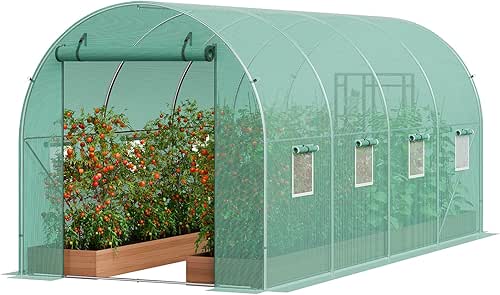

Walk-in Tunnel Greenhouse, 14.6×6.4×6.3 ft Hoop House Greenhouse Tunnel, Plant Hot House with Galvanized Steel Frame, Green PE Cover, Roll-up Zipper Door and 8 Windows for Outdoor
- Upgraded Heavy-Duty Galvanized Frame: The load-bearing poles of this tunnel greenhouse use reinforced galvanized pipes (Diameter: 1″, Wall Thickness: 0.02″), enhancing overall strength and stability. Reinforced door poles, added diagonal bars, U-shaped stakes, and tie-downs increase stability and protect your plants from harsh weather conditions.
- Thick High-Density PE Cover: This high tunnel greenhouse features a high-quality 140g/m² PE plastic cover that is waterproof, sun-resistant, and insulating, promoting healthy plant growth. The double-stitched seams and reinforced window seams effectively prevent tearing. The extended PE cover edges can be weighted down or buried in soil to enhance insulation, airtightness, humidity, and temperature control.
- Spacious Walk-In Design: With a spacious 14.60×6.36×6.30 ft area, this walk-in greenhouse tunnel is ideal for growing a variety of plants. You can easily access and maintain your plants, or set up multiple plant shelves to meet both home gardening and commercial planting needs.
- Efficient Ventilation Design: This hoop house greenhouse is equipped with 8 windows and a large zipper door for improved airflow. The velcro and mesh net design helps keep small creatures out while maintaining ventilation, ensuring a healthy growing environment for your plants.
- Versatile Use for Multiple Settings: Suitable for home gardens, farms, and small commercial uses, this green house provides an ideal growing environment for various plants. It effectively extends the planting season, allowing you to enjoy gardening throughout the year.
Greenhouse B:
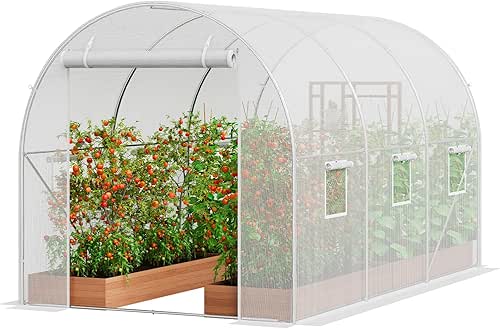
Walk-in Tunnel Greenhouse, 9.6×6.4×6.2 ft Hoop House Greenhouse Tunnel, Plant Hot House with Galvanized Steel Frame, White PE Cover, Roll-up Zipper Door and 6 Windows for Outdoor
- Upgraded Heavy-Duty Galvanized Frame: The load-bearing poles of this tunnel greenhouse are constructed with reinforced galvanized pipes (Diameter: 1″, Wall Thickness: 0.02″), enhancing overall strength and stability. Reinforced door poles, added diagonal bars, U-shaped stakes, and tie-downs increase stability and protect your plants from harsh weather conditions.
- Thick High-Density PE Cover: Featuring a 140g/m² PE cover that is waterproof, sun-resistant, and insulating. Double-stitched seams and reinforced window seams prevent tearing. The extended cover edges can be weighted down or buried for improved insulation and sealing in this high tunnel greenhouse.
- Spacious Walk-In Design: With a roomy 9.58×6.43×6.23 ft space, this walk-in greenhouse tunnel accommodates a variety of plants. Easily access and maintain your plants, or set up multiple plant shelves to meet both home gardening and commercial planting needs.
- Efficient Ventilation Design: This hoop house greenhouse is equipped with 6 windows and a large zipper door to ensure airflow. The velcro and mesh net design helps keep small creatures out.
- Versatile Use for Multiple Settings: Ideal for home gardens, farms, and small commercial uses, this green house extends your growing season and lets you enjoy gardening year-round.
Greenhouse C:
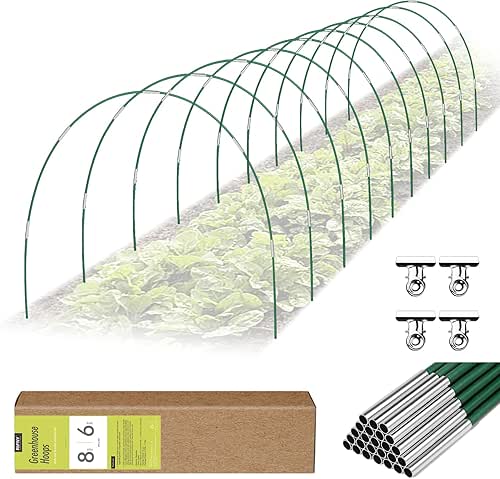
Garden Hoops for Raised Beds, RIFNY Greenhouse Hoops Kit DIY 10 Sets of 8 FT or Long Garden Grow Tunnel,Rust-Free Fiberglass Garden Support Hoops for Row Cover, Plant Cover and Garden Netting
- 60pcs Greenhouse Hoops for Raised Beds: 8ft Plant frame widely used outdoors, great for the yard, vegetable garden, and garden raised beds.RIFNY garden row cover hoops helped to provide the protection your garden needed, improving the quality of your harvests big time! Spring Summer and Fall – Garden hoops with garden netting or sun screen can protect plants from insects, animals and UV rays. Winter – Greenhouse hoops with plant cover can protect your plants from frostbite
- Greenhouse Grow Tunnel DIY Kit: With 60 PCS Rust-Free fiberglass rods, 43.3cm /17 inch length suitable for 2.8 -3.5 FT or wider garden bed or raised beds.60 pcs aluminum connectors and 30 pcs stainless steel clips,Never Rusts,Anti-Oxidation.You can match the size of your garden bed to the size of your garden bed
- Premium & Eco-Friendly Material: Garden hoops made of high-quality fiberglass,Double-layer, inner fiberglass, outer plastic material, which makes it more resilient, can be bent at will and durable. Aluminum connectors and stainless steel clips,all are made of non-rusting, oxidation-resistant materials that can be used over and over again, both in summer and winter, providing the ideal environment for rapid germination and growth of seedlings
- Assemble & Just Bend it: Set up garden hoops is easy,connect the necessary number of rods using the connectors. When you bend the hoops, then connect 3 or more hoops with connector according to your needs,just bend the garden hoops and inserted the other side into the soil, and use the clips to fix your row cover. Garden stakes to DIY different sizes to built garden grow tunnel,mini grow tent, small greenhouse,chicken wire.( Tip:Product came packaged with easy to follow instructions )
- Wide Range of Applications: Garden tunnel hoops are suitable for both and outdoor use, perfect for yards, vegetable gardens, and raised garden beds.Make it suitable for use with garden nets or plant covers to protect plants, fruits, vegetable from frost, insects, birds or intense sun. Greenhouse hoops kit can help extend your plants growing season. Protect your garden all year round
Final Thoughts
If you’re serious about gardening but not ready to splurge on a full greenhouse setup, a hoop house is the perfect middle ground. It gives you more control over your growing environment, boosts your crop yields, and keeps your plants safe from the elements—all while staying easy on your wallet.
Whether you’re growing food for your family or selling at a local market, a hoop house greenhouse makes it easier to grow more, for longer, with less hassle. Build it once, and it’ll pay off season after season.
🔑 Key Takeaway
A hoop house greenhouse is a simple, cost-effective structure that creates a controlled environment for your plants, letting you grow more food for longer without investing in an expensive glass greenhouse.
Frequently Asked Questions (FAQs): Hoop Houses
Q1. How can I keep my hoop house warm without using electricity?
There are several effective, low-tech ways to keep your hoop house warm—even without electricity:
-
- Thermal mass: Place water barrels or large containers filled with water inside the hoop house. These absorb heat from the sun during the day and slowly release it at night, helping to stabilize temperatures and protect plants from overnight chills.
- Compost Heating: Use compost as a natural heat source by creating a “hot bed” inside or beneath your hoop house. As the organic material decomposes, it releases heat that warms both the soil and surrounding air. For smaller setups, dig a shallow pit, fill it with active compost, allow it to heat up, then cover it with soil and plant directly on top for added warmth.
- Internal row covers: Use fabric row covers or frost blankets over your plants for extra insulation, especially on cold nights. This traps more warmth close to your crops.
- Passive solar heating: Take advantage of the sun’s energy by orienting your hoop house for maximum sunlight and using clear plastic to trap heat. Adding insulation (like straw bales or soil mounds along the base) helps retain warmth after sundown.
- DIY solutions: For small spaces, methods like the candle-and-terracotta pot heater can provide a little extra warmth, but always use caution and never leave open flames unattended.
With these techniques, you can successfully extend your growing season and protect your plants from frost—all without plugging anything in.
Q2. What’s a good size for a beginner’s hoop house?
A 10×20 foot hoop house is an ideal starting size for most home gardeners.
-
- Why this size is ideal: It offers plenty of room to grow multiple crops and test out various planting arrangements, yet remains compact enough for easy maintenance and doesn’t require any specialized tools or equipment.
- Flexibility: If you want something even more portable, smaller models (like 8×12 or 12×16 feet) are easier to move and handle, especially if you plan to relocate your hoop house seasonally or as your garden grows.
- Considerations: Larger hoop houses offer more growing space but can be harder to move and require more materials and maintenance. Choose a size that fits your available space, budget, and gardening goals.
Q3. Can I move a hoop house if I need to relocate it?
Absolutely! Most hoop houses are designed to be lightweight and portable.
-
- Small to medium hoop houses: These can often be moved by a few people, either by lifting the frame or sliding it to a new location if your garden layout changes.
- Larger models: For bigger hoop houses, it’s usually necessary to dismantle the structure and reassemble it at the new site. This involves removing the plastic covering, taking apart the frame, and then putting everything back together.
- Tips for moving: Label parts and take photos during disassembly to make reassembly easier. Always prepare and level your new site before moving.
- Why move it? Relocating your hoop house lets you rotate crops, improve soil health, or adapt to changing sunlight and wind patterns on your property.
Q4. Do I need a building permit to set one up?
In most cases, you don’t need a building permit for a hoop house, but always check local regulations first.
-
- Temporary structure: Hoop houses are typically considered temporary agricultural structures and are exempt from permit requirements in many areas.
- Exceptions: Some municipalities may have rules about the size, placement, or use of hoop houses—especially if you’re adding utilities or building on a permanent foundation.
- Best practice: Contact your city or county building office before you start building to confirm the rules in your area. This helps you avoid fines or having to move or modify your structure later.
What type of plastic works best for covering my hoop house?
UV-treated 6-mil polyethylene greenhouse film is the top choice for most hoop houses.
-
- Why it’s best: This plastic is designed to withstand sun exposure, resist tearing, and last three to five years with proper care. It transmits 85–90% of sunlight, creating a bright, warm environment for your plants.
- Features to look for: Make sure the film is UV-stabilized for durability, and consider reinforced or multi-layer options for extra strength in windy or snowy areas.
- Installation tips: Avoid direct contact between the plastic and PVC pipes (use tape or paint as a barrier) to prevent chemical reactions that can degrade the film.
- Alternatives: For permanent or heavy-duty structures, polycarbonate panels or reinforced films offer even longer life, but at a higher cost.
Recommended Reading
Smart Greenhouse Humidity Control: Tips for Healthy, Happy Plants Crop RH Range Quick Tip Tomatoes 65–75% Avoid rot, keep airflow up Lettuce 50–60% Too much moisture = mildew Cucumbers 70–80% Likes it moist, vent well Herbs 60–70% Lower RH keeps leaves crisp Peppers 60–70% Don’t let it swing too much Strawberries 60–75% Watch for mold … Continue reading “Greenhouse Humidity Control”
Greenhouse Watering System Parts
Greenhouse Watering System Parts Main Components of an Efficient Greenhouse Watering System An efficient greenhouse watering system consists of several key components that ensure uniform, reliable, and resource-conscious irrigation. The main components are: Water Supply: The primary source of water can be a municipal supply, a well, or a storage tank. An intermediate storage … Continue reading “Greenhouse Watering System Parts”
Greenhouse Watering System Smart Greenhouse Watering Solutions That Actually Work System Best For Pros Cons Drip Beds, rows, containers Precise, water-saving Needs setup, can clog Capillary Mats Seedlings, small pots Even moisture, no wet leaves Not for big plants, clean often Soaker Hose Rows, garden beds Easy to use, covers a lot Not super precise, … Continue reading “Greenhouse Watering System”
Best Victorian Greenhouses for Your Backyard
Introduction Best Victorian Greenhouses for Your Backyard. Victorian greenhouses are renowned for their timeless beauty and unmatched charm. These structures, popular during the Victorian era, continue to captivate gardening enthusiasts with their intricate designs and elegant features. If you’re considering adding a greenhouse to your backyard, a Victorian-style structure could be the perfect choice. In … Continue reading “Best Victorian Greenhouses for Your Backyard”