Greenhouse Pest Management
Greenhouse Pest Management 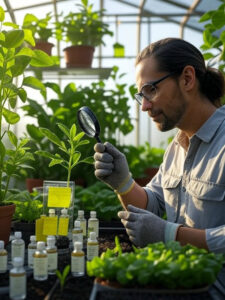
Keep Pests Out: Your Go-To Guide for Greenhouse Pest Management
| Pest | Signs | Quick Fix |
| Aphids | Curled, sticky leaves | Water spray, ladybugs |
| Whiteflies | Tiny white fliers | Sticky traps, parasitic wasps |
| Spider Mites | Speckled leaves, webs | More humidity, predatory mites |
| Thrips | Silvery streaks | Blue traps, lacewings |
| Fungus Gnats | Flies near soil | Dry soil, nematodes |
| Mealybugs | White cottony spots | Alcohol swab, water rinse |
Get to Know Your Greenhouse Pests
Before you can stop pests, you need to know who you’re dealing with. Aphids, for example, suck the life out of plants—literally—causing leaves to curl and growth to stall. Whiteflies are sneaky, multiplying fast and leaving behind sticky residue that attracts mold. Spider mites like it dry and will leave leaves speckled and shriveled. Then there are thrips, which create silvery streaks and tiny black specks on leaves and flowers. Fungus gnats might not look scary, but their larvae can do serious damage underground. And mealybugs? They look like fluffy white specks but feed on plant juices and love to hide in joints.
Signs to watch for: Yellowing leaves, wilting, sticky residue, visible insects on leaf undersides, webbing, or slow plant growth.
Stay Ahead with Smart Prevention
- Sanitize regularly: Keep your greenhouse clean by removing dead leaves, plant debris, and used containers. Don’t let anything linger that could be hiding pests or eggs.
- Inspect new plants: Always check new plants thoroughly before bringing them into the greenhouse. Look at the leaves—both sides—and check the soil. Quarantine questionable plants for a few days.
- Control climate conditions: Keep humidity levels in check and ensure there’s good airflow. Avoid overwatering. Warm, moist environments are pest heaven.
- Use resistant plants: Choose plant varieties that are naturally resistant to common pests.
- Manage weeds: Keep the outside perimeter of your greenhouse free from weeds and debris that can attract insects.

Catch Them Early with Monitoring Tools
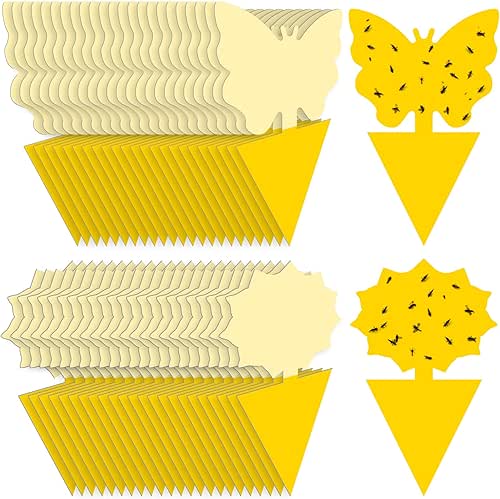
- Sticky traps: Use yellow or blue sticky cards to trap flying pests. Place them near entry points and among your plants.
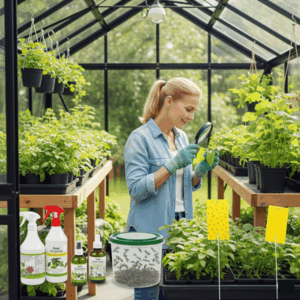
- Regular inspections: Check your plants twice a week. Use a magnifying glass if needed, and focus on the undersides of leaves and soil surfaces.
- Keep records: Track what you find—pest types, dates, locations. This helps identify trends and prepare better each season.
- Pheromone traps: These attract specific pests like thrips or moths and can alert you to population spikes.
-


Put Nature to Work with Biological Controls
- Ladybugs: Great for taking down aphids quickly and efficiently.
- Green lacewings: Their larvae are aggressive predators, especially effective on spider mites and whiteflies.
- Parasitic wasps (Encarsia formosa): These lay their eggs inside whiteflies, killing them from the inside out.
- Predatory mites (Phytoseiulus persimilis): A favorite for tackling spider mite infestations.
- Beneficial nematodes (Steinernema feltiae): Perfect for attacking fungus gnat larvae in the soil.
- How to make them effective: Release them early in the crop cycle, make sure pesticide residues are cleared beforehand, and provide nectar or pollen-rich plants nearby to keep them active and healthy.
Try Simple Mechanical and Physical Fixes
- Install mesh screens: Cover vents and doorways with fine mesh to keep flying pests out while maintaining ventilation.
- Remove pests by hand: Use a spray of water or alcohol-dipped cotton swabs to dislodge pests like aphids and mealybugs.
- Sterilize soil: Steam or solarize your potting soil before planting to eliminate soil-borne pests.
- Use row covers: Protect young or sensitive plants during early growth stages to prevent pest access.
- Vacuum pests: Use handheld battery-powered vacuums to collect flying pests like whiteflies or thrips.
Use Chemicals Only When You Have To
- Pick the right product: Choose targeted, greenhouse-safe pesticides that won’t harm beneficial insects.
- Time your sprays: Apply in the early morning or late evening when temps are cooler and beneficial insects aren’t active.
- Rotate chemicals: Use different chemical classes to prevent pests from developing resistance.
- Apply properly: Spray both the top and bottom of leaves thoroughly. Don’t skip personal protective equipment—use gloves, goggles, and masks for safety.
Put It All Together with Integrated Pest Management (IPM)
- What IPM means: It’s a strategy that combines all your tools—monitoring, sanitation, biological controls, mechanical barriers, and pesticides—used only when necessary.
- Focus on thresholds: Only act when pest populations reach a level that could impact your plants or profits.
- Long-term mindset: You’re not trying to wipe out every bug—just keep their numbers low enough that they don’t do any real damage.
- Train your team: Make sure everyone working in your greenhouse can identify pests, understand treatment protocols, and follow safety practices.
Conclusion
Greenhouse pest management isn’t about finding one magic fix—it’s about layering smart strategies to create a strong, consistent defense. Cleanliness, early detection, beneficial insects, simple physical tools, and careful use of chemicals all play a role. When you use these methods together under an IPM approach, you’re giving your plants the best shot at staying healthy and thriving all year long. Greenhouse Pest Management
🔍 Early detection +
🚧 Prevention +
🐞 Natural helpers +
⚗️ Targeted pesticides
All wrapped in a 🌱 Smart IPM Strategy
Frequently Asked Questions (FAQs): Organic Greenhouse Pest Management
What’s the best way to get rid of pests in organic greenhouses?
The most effective organic approach combines biological controls, strict hygiene, and physical barriers.
-
- Biological controls: Release beneficial insects like ladybugs, lacewings, predatory mites, and parasitic wasps. These natural predators feed on pests such as aphids, whiteflies, thrips, and mites, helping to keep populations in check without chemicals. For best results, introduce beneficials early in the crop cycle and continue releases at regular intervals if needed.
- Strict hygiene: Remove plant debris, dead leaves, and weeds from inside and around the greenhouse. Clean benches, tools, and walkways regularly to eliminate pest hiding spots and breeding grounds.
- Physical barriers: Use sticky traps to monitor and reduce flying pest populations, and install insect netting or row covers to keep new pests out.
- Homemade sprays: For spot treatments, organic sprays made from soap, kelp, garlic, or chili can help manage outbreaks on specific plants.
Combining these methods creates a robust, chemical-free defense that supports healthy crops and a balanced ecosystem.
Can pests become resistant to pesticides in greenhouses?
Yes, pests can develop resistance if the same type of pesticide is used repeatedly.
-
- How resistance develops: When a pesticide with the same mode of action is used over and over, some pests survive and pass their resistance genes to the next generation. Over time, the population becomes harder to control with that chemical.
- Prevention: Rotate between different classes of pesticides, and only use them when monitoring shows it’s necessary. Integrated pest management (IPM) strategies—combining biological controls, physical barriers, and targeted pesticide use—help slow resistance and reduce overall chemical use.
- Best practice: Monitor pest populations closely, use pesticides as a last resort, and always follow label instructions for rotation and application timing.
How can I reduce pest entry from the outside environment?
Sealing entry points and maintaining a clean perimeter are key to keeping pests out.
-
- Physical barriers: Install insect netting or fine mesh over vents, doors, and windows to block flying pests and crawling insects.
- Weed control: Keep the area around your greenhouse free of weeds and tall grass, as these can harbor pests and provide a bridge into your greenhouse.
- Good habits: Avoid leaving doors open unnecessarily, and check that all screens and seals are intact. Clean boots, tools, and containers before bringing them inside to avoid introducing pests.
- Regular inspections: Walk the perimeter regularly and patch any holes or gaps as soon as you find them.
Are yellow sticky traps enough to control an infestation?
Sticky traps are best for monitoring and early detection—not for controlling large infestations.
-
- How they work: Yellow sticky traps attract and capture flying pests like whiteflies, aphids, fungus gnats, and thrips. They provide a visual record of pest activity and help you spot problems before they get out of hand.
- Limitations: Sticky traps mainly catch adult flying insects and won’t affect pests in soil, on stems, or in larval stages. They’re most useful as an early warning system, allowing you to take action before an infestation grows.
- Integrated approach: For serious infestations, combine sticky traps with biological controls, sanitation, and targeted treatments for a comprehensive solution.
How often should I introduce beneficial insects in a greenhouse?
Release beneficial insects early and continue at regular intervals based on pest pressure and season.
-
- Timing: Introduce beneficial insects at the first sign of pests or when you know pest populations typically start to increase. Early releases are more effective because beneficials can keep pest numbers low before they become a problem.
- Frequency: Most growers release beneficials every one to three weeks, depending on the crop, pest pressure, and recommendations from suppliers.
- Environment: Make sure the greenhouse conditions (temperature, humidity, and food sources) support the survival and activity of beneficial insects.
- Ongoing monitoring: Use sticky traps and visual checks to track pest and beneficial populations, adjusting your release schedule as needed for best results.
Greenhouse Pest Management
Recommended Reading
Why is Soil Health Important for Greenhouse Gardeners Why is Soil Health Important? In the unique, controlled environment of a greenhouse, soil isn’t just dirt—it’s the living foundation for plant success. Unlike outdoor gardens where natural processes often regenerate soil, greenhouse plants are entirely reliant on the ecosystem you create and maintain. Healthy greenhouse soil impacts […]
Smart Greenhouse Humidity Control: Tips for Healthy, Happy Plants Crop RH Range Quick Tip Tomatoes 65–75% Avoid rot, keep airflow up Lettuce 50–60% Too much moisture = mildew Cucumbers 70–80% Likes it moist, vent well Herbs 60–70% Lower RH keeps leaves crisp Peppers 60–70% Don’t let it swing too much Strawberries 60–75% Watch for mold […]
Greenhouse Ventilation Smart Greenhouse Ventilation Solutions That Truly Work Type How It Works Good For Pros Cons Natural Vents + outdoor air Mild weather Cheap, simple Needs good wind Mechanical Fans + controls Hot/larger setups Strong, reliable Costs more Why Good Greenhouse Ventilation Really Matters Ventilation is essential: Without it, your greenhouse can overheat, stay […]
Gothic Arch Greenhouse Why Gothic Arch Greenhouses Are a Game-Changer for Year-Round Growing Greenhouse Style What It’s Good At Where It Falls Short Gothic Arch Great for snow and wind, lots of headroom, stylish look Costs a bit more upfront Quonset Budget-friendly, easy to build Snow can pile up, less wall space A-Frame Simple design, […]