Knowledge
Knowledge
Companion Planting in a Greenhouse
Introduction
As a passionate greenhouse gardener, I’ve come to appreciate the wonders of companion planting in a greenhouse. The art of pairing specific plants together in the same growing space isn’t just a trend; it’s a strategic approach that can transform your greenhouse into a harmonious haven of flourishing vegetation. In this article, I’ll delve into the exceptional world of companion planting within the controlled environment of a greenhouse. From maximizing space to enhancing plant health, I’ll provide valuable insights and practical suggestions that are sure to elevate your gardening game.
Advantages of Greenhouse Gardening
Before we delve into the intricacies of companion planting, let’s first acknowledge the remarkable advantages of greenhouse gardening. The controlled environment of a greenhouse extends growing seasons, shields plants from harsh weather conditions, and provides a haven against common pests. Imagine having the power to create your microcosm of thriving plant life, irrespective of external elements. That’s the magic of a greenhouse.
What is Companion Planting?
At its core, companion planting is a holistic gardening approach that capitalizes on the mutually beneficial relationships between certain plants. Think of it as a botanical partnership where each plant contributes to the success of the other. This method isn’t a recent discovery; indigenous cultures and traditional farming practices have been using it for centuries. However, the application of companion planting in a greenhouse setting adds a layer of sophistication and control that can yield astounding results.
Why Use Companion Planting in a Greenhouse?
You might wonder why bother with companion planting in a greenhouse when the environment is already favorable. Well, that’s precisely where the magic lies. Greenhouse gardening offers an opportunity to curate the ideal conditions for specific plant pairings to thrive. The controlled atmosphere allows for experimentation with diverse combinations that might not be feasible outdoors. By harnessing this potential, you can achieve greater yields, healthier plants, and a harmonious ecosystem.
Examples of Compatible Companion Plants
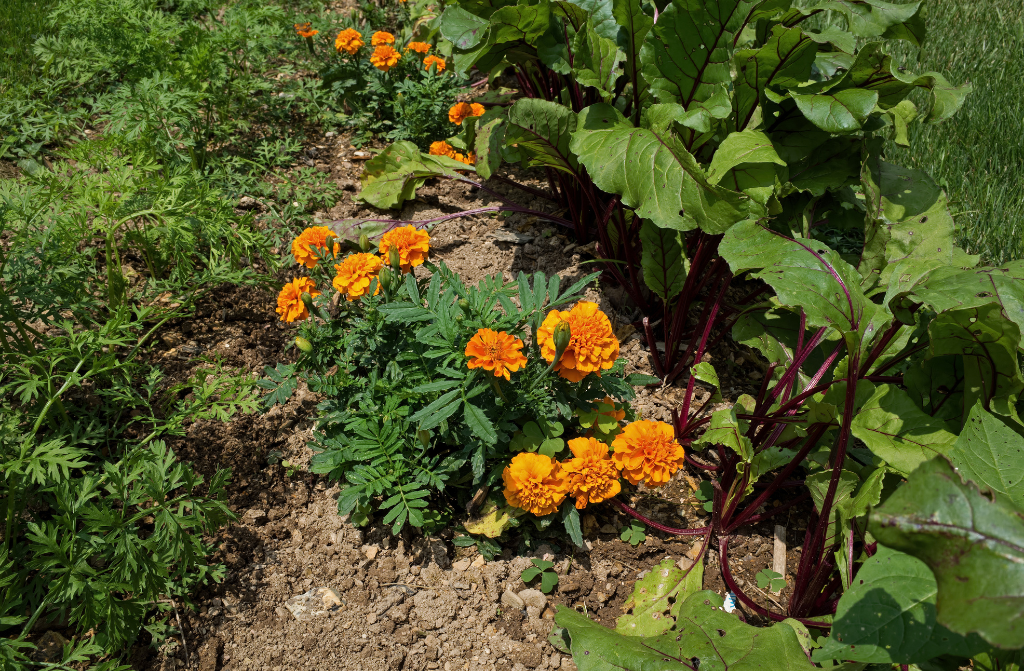
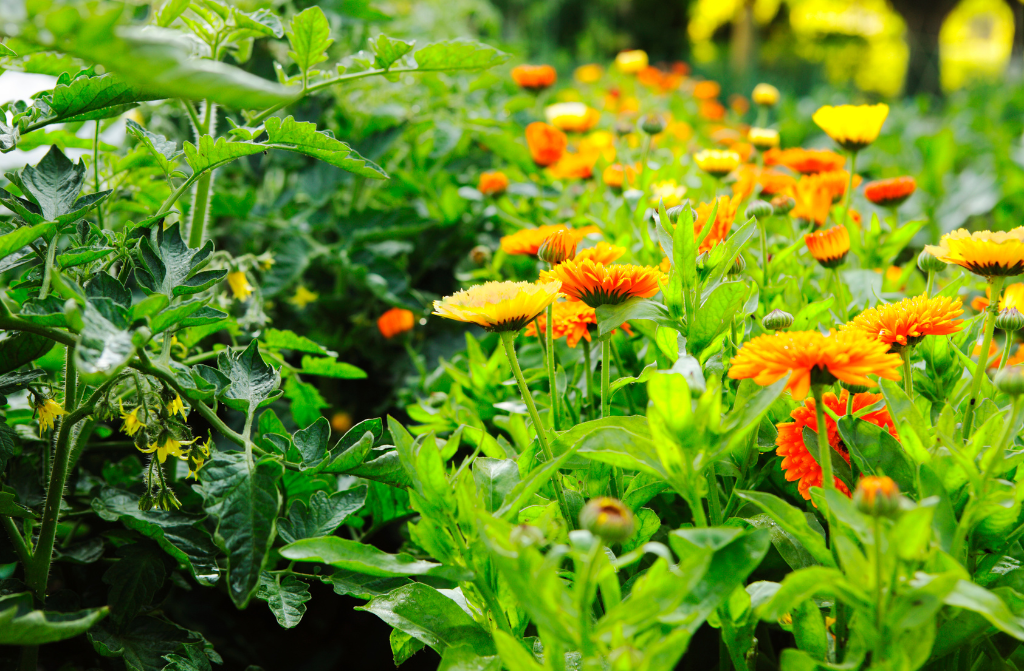
Let’s delve into the heart of companion planting – the art of matching plants that work in harmony. Think of marigolds standing sentinel beside tomatoes, deterring invasive insects while promoting growth. Or the classic trio of beans, corn, and squash – the Three Sisters – where each plant brings something unique to the table. In a greenhouse, you can explore the magic of combining aromatic herbs like basil with tomatoes, discouraging pests and enhancing flavors simultaneously.
Complementary Growth Habits
One of the secrets behind successful companion planting is the intelligent pairing of plants with complementary growth habits. Taller plants can provide shade to shorter ones, preventing excessive sun exposure, while shallow-rooted plants can coexist with those that have deeper root systems, effectively utilizing the vertical space. It’s a choreographed dance of growth that ensures every plant occupies its designated role without hindering its neighbors.
Natural Pest Control
Say goodbye to chemical pesticides. Greenhouse gardening with companion planting introduces a natural defense mechanism against pests. Strong-smelling plants like garlic and onions act as nature’s pest repellents, safeguarding neighboring plants from unwanted visitors. This biological shield not only protects your crops but also maintains the integrity of your greenhouse’s ecosystem.
Nutrient Enhancement
The greenhouse environment allows for an intimate connection with your plants, including their nutritional needs. Certain companion plants, known as nitrogen fixers, have the remarkable ability to draw nitrogen from the air and enrich the soil. Leguminous plants like peas and beans are excellent examples. By incorporating them into your greenhouse ecosystem, you’re ensuring a consistent source of nutrients for your main crops.
Maximizing Space and Yield
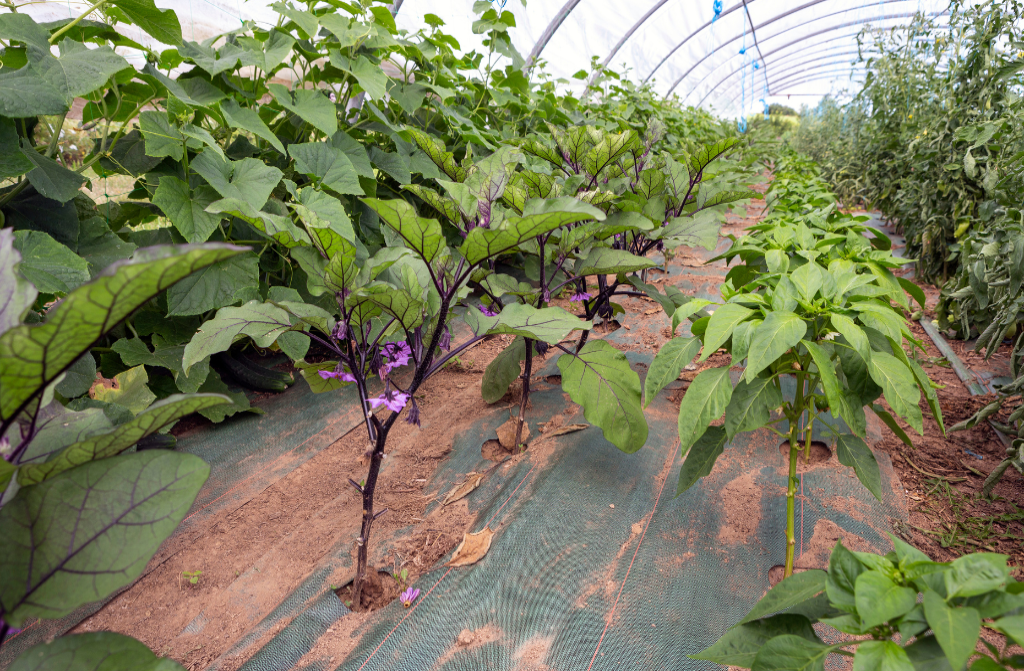
Space is a precious commodity in any greenhouse. Companion planting offers a strategic solution to maximize every square inch. Interplanting, where you mix different plant types within the same bed, and vertical gardening, where climbing plants make use of trellises and supports, both allow you to cultivate a diverse range of crops without compromising on space or yield.
Common Mistakes to Avoid
As with any gardening endeavor, there are pitfalls to be mindful of when practicing companion planting in a greenhouse. Overcrowding, for instance, can lead to competition for resources, stunted growth, and susceptibility to disease. Proper planning and spacing are essential to ensure a harmonious coexistence among your chosen companions. Another common mistake is failing to consider the compatibility of plant types. Some plants just don’t get along, and planting them side by side can lead to a less productive and less healthy garden.
Creating a Companion Planting Plan
To reap the benefits of companion planting, a well-thought-out plan is crucial. Consider factors like plant height, growth rate, and their specific compatibility. Also, incorporate crop rotation to maintain soil health and prevent the buildup of pests and diseases. Succession planting, where new crops are sown as others are harvested, ensures a continuous supply of fresh produce throughout the growing season.
Implementing Care and Maintenance
Companion planting doesn’t negate the need for care and attention. Regular watering, proper pruning, and vigilant monitoring of pest populations are all still essential tasks. While companion plants can play a protective role, they aren’t invincible. Stay engaged with your garden, and you’ll enjoy the rewards of a thriving ecosystem.
Successful Companion Planting Combinations
Let’s dive into some specific companion planting combinations that have proven their worth in the greenhouse. Consider pairing fragrant herbs like rosemary and sage with tomatoes to deter pests while infusing culinary magic into your dishes. For an efficient use of space, plant lettuce beneath taller tomato plants to benefit from the shade they provide. The partnership between strawberries and spinach is another winner, with the spinach acting as a living mulch to keep the soil moist and cool.
Personal Tips and Insights
In my own journey as a greenhouse enthusiast, I’ve witnessed the transformation that companion planting can bring. There’s a special joy in observing plants working together harmoniously, creating an ecosystem that feels alive and interconnected. The greenhouse becomes not just a place of cultivation but a space where nature’s wisdom unfolds before your eyes. Experiment, observe, and let nature be your guide – the rewards are boundless.
Conclusion
In the realm of greenhouse gardening, companion planting stands as a testament to the intricate balance of nature. The unique advantages of a controlled environment allow us to harness the magic of plant partnerships for optimal growth, health, and yield. From pest control to nutrient enhancement and space optimization, the benefits are undeniable. So, as you embark on your journey of cultivating a greenhouse garden, consider the vibrant world of companion planting. Embrace the art of pairing, and watch your garden flourish into a symphony of life.
FAQs (Frequently Asked Questions)
- Can I practice companion planting in any type of greenhouse?
Absolutely! Companion planting can be adapted to various greenhouse styles and sizes. - What are some common plants that should not be paired together?
Avoid pairing plants that have conflicting growth habits or release allelopathic compounds. - Can I apply companion planting principles to hydroponic systems too?
Yes, the concept of companion planting can be adapted to hydroponic setups, providing similar benefits. - How do I deal with potential diseases that might spread in a greenhouse?
Regular monitoring, proper spacing, and good sanitation practices are key to preventing disease outbreaks. - Are there any plants that are universally beneficial as companion plants?
While some plants have general compatibility, the best combinations can vary based on the specific crops you’re growing.
Growing Herbs and Medicinal Plants in a Greenhouse
Introduction
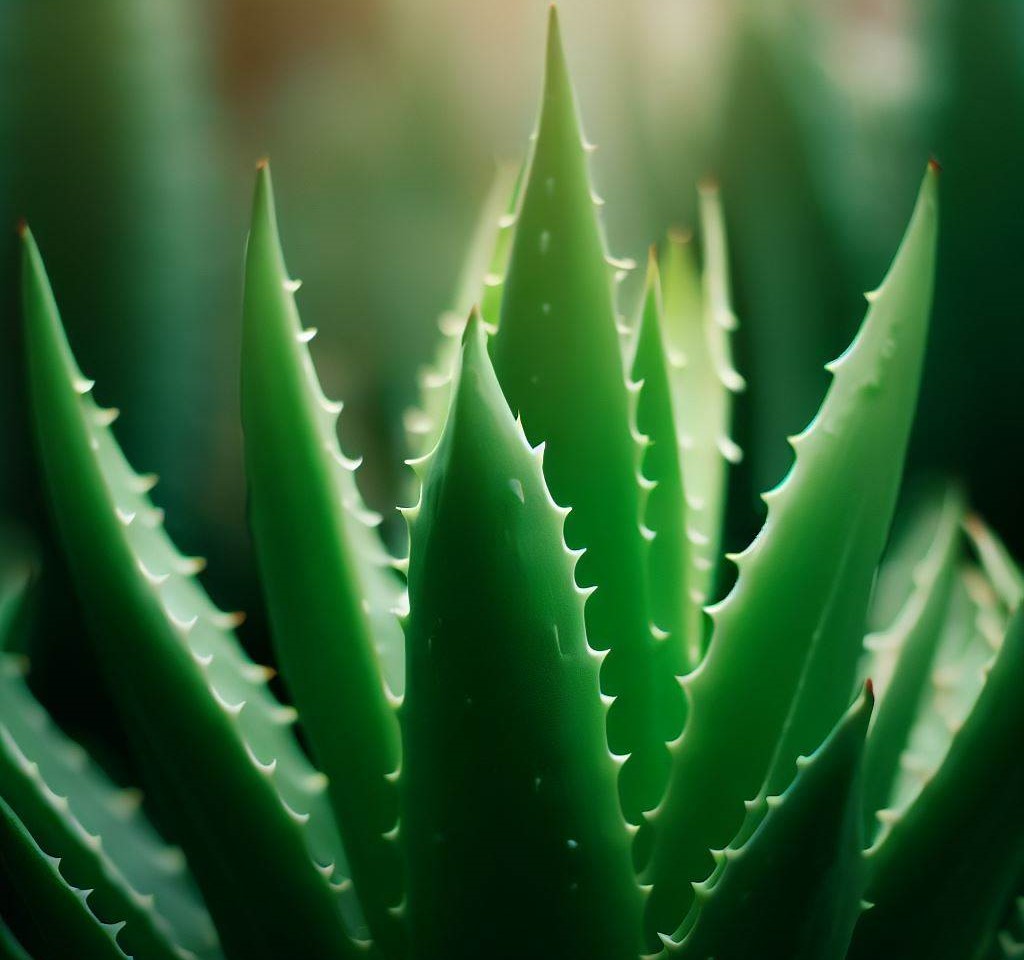
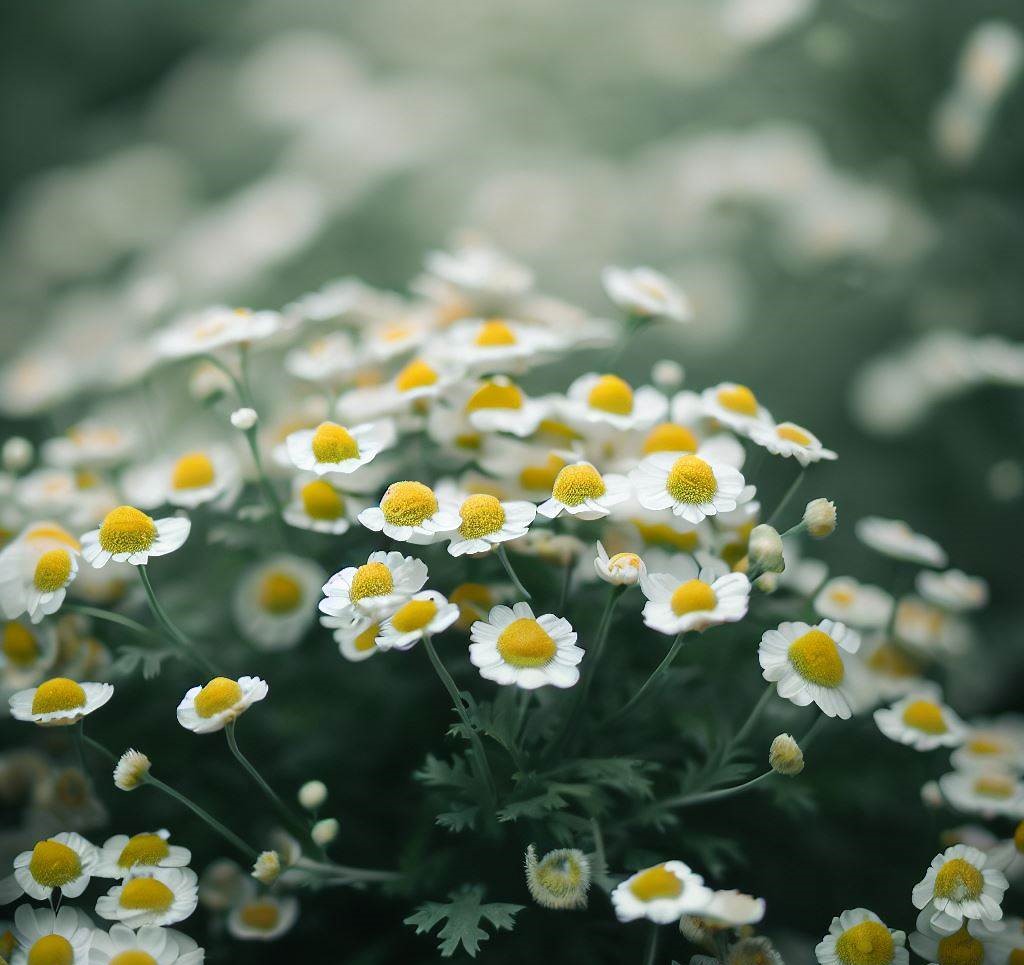
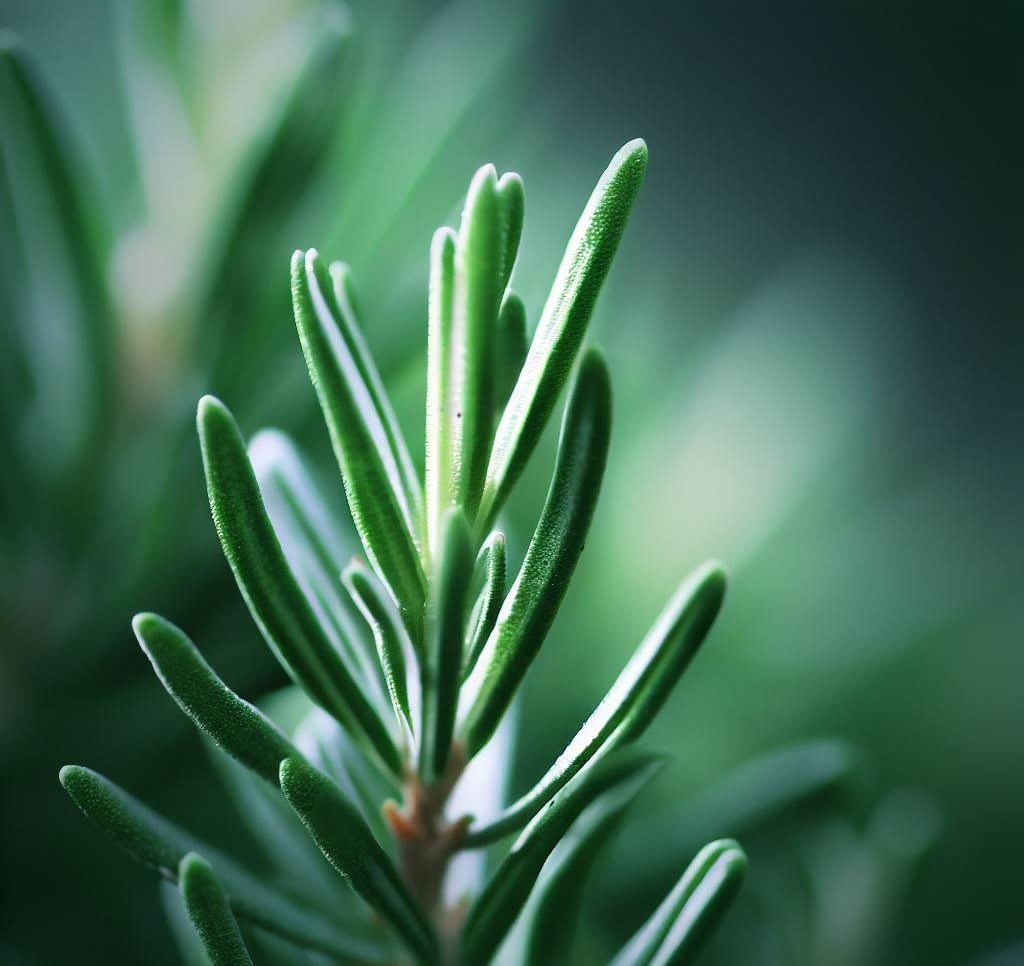
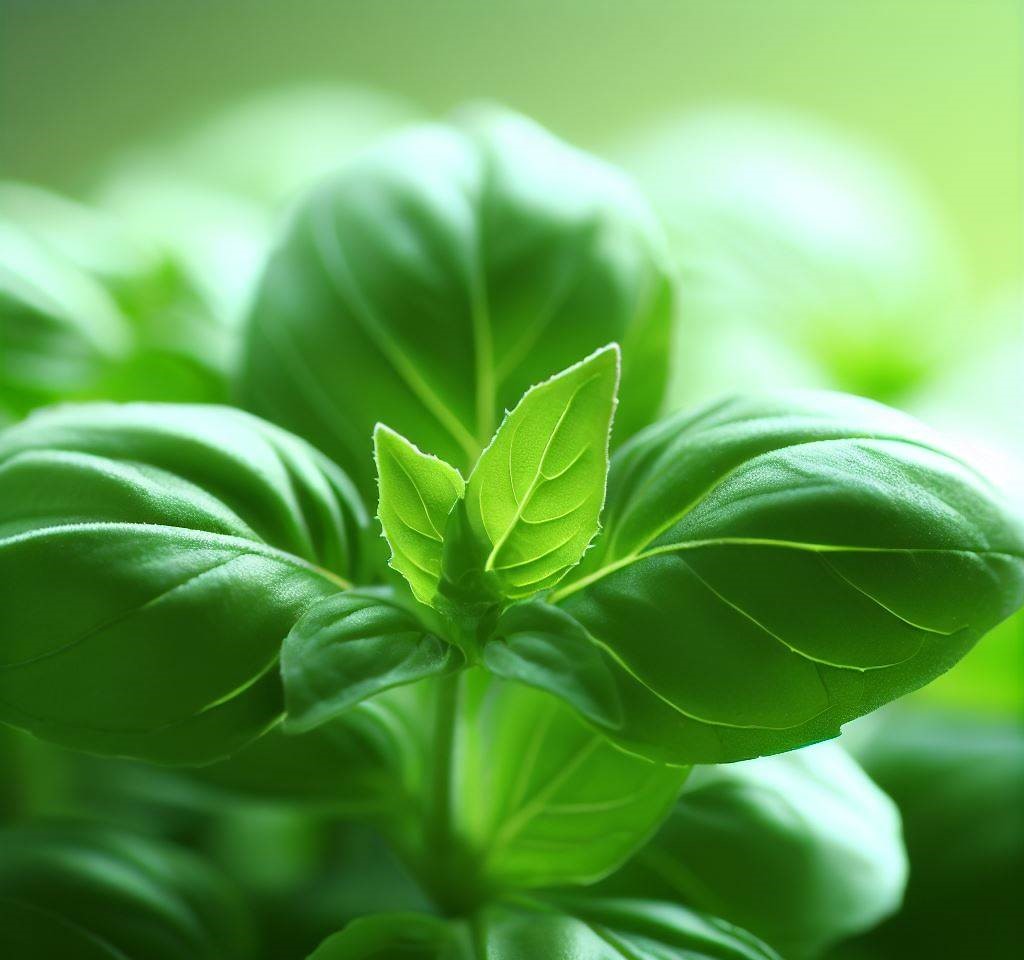
Growing Herbs and Medicinal Plants in a Greenhouse. Herbs are plants that have aromatic leaves, stems, flowers, or seeds that are used for flavoring food, making perfumes, or providing health benefits. Medicinal plants are plants that have therapeutic properties that can be used to treat various ailments or improve well-being. Some examples of herbs and medicinal plants are basil, chives, cilantro, dill, parsley, chamomile, lavender, marjoram, thyme, oregano, mint, rosemary, sage, lemon balm, echinacea, ginseng, ginger, turmeric, garlic, aloe vera, calendula, and many more.
Growing your own herbs and medicinal plants can be a rewarding hobby that can provide you with fresh ingredients for your kitchen or medicine cabinet. You can also enjoy the beauty and fragrance of these plants in your garden or home. However, growing herbs and medicinal plants outdoors can be challenging. Due to factors such as climate, soil quality, pests, diseases, and weeds. That’s why many people choose to grow them in a greenhouse instead.
A greenhouse is a structure that creates a controlled environment for growing plants. It can protect your plants from harsh weather conditions, extend your growing season. This will allow you to grow a wider variety of plants than you could outdoors. In this article, we will show you how to grow herbs and medicinal plants in a greenhouse successfully. We will cover topics such as:
- What is a greenhouse and why use one for growing herbs and medicinal plants?
- How to set up your greenhouse for growing herbs and medicinal plants?
- How to propagate herbs and medicinal plants in a greenhouse?
- How to harvest and use herbs and medicinal plants from your greenhouse?
By following this guide, you will be able to enjoy the benefits of growing your own herbs and medicinal plants in a greenhouse. Let’s get started!
What is a Greenhouse and Why Use One for Growing Herbs and Medicinal Plants?
A greenhouse is a structure that is covered with a transparent or translucent material, such as glass or plastic, that allows sunlight to enter and heat up the air inside. The greenhouse effect traps the heat and prevents it from escaping, creating a warm and humid environment for the plants. A greenhouse can also have additional features, such as fans, heaters, vents, shades, or misters, that help regulate the temperature, humidity, air circulation, and light levels inside.
There are many advantages of using a greenhouse for growing herbs and medicinal plants, such as:
• You can extend your growing season by starting your plants earlier in spring and keeping them longer in fall or even winter. This way, you can have fresh herbs and medicinal plants all year round.
• You can protect your plants from pests, diseases, and weeds that can damage or kill them outdoors. You can also reduce the use of pesticides and herbicides that can harm your health or the environment.
• You can control the temperature and humidity levels inside the greenhouse to suit the needs of different plants. Some herbs and medicinal plants prefer warmer or cooler conditions than others, and some need more or less moisture than others. You can also adjust the light levels by using shades or artificial lights to create optimal conditions for your plants.
• You can grow a wider variety of plants than you could outdoors. Some herbs and medicinal plants are native to tropical or subtropical regions and cannot survive in colder climates. Others are rare or exotic and may not be available in local nurseries or markets. By growing them in a greenhouse, you can enjoy their unique flavors, aromas, and benefits.
There are different types of greenhouses that you can choose from depending on your needs and budget. Some of the common types are:
• Freestanding greenhouses: These are standalone structures that can be built anywhere on your property. They offer more space and flexibility for growing different plants. However, they also require more materials, labor, and maintenance than other types of greenhouses.
• Attached greenhouses: These are structures that are attached to an existing building, such as your house or garage. They can save space and energy by sharing a wall with the building. They can also provide easy access to your plants from inside the building. However, they may have limited sunlight exposure depending on the orientation of the building.
• Lean-to greenhouses: These are structures that are attached to an existing building but lean against it at an angle. They can provide more sunlight exposure than attached greenhouses by facing south or east. They can also be cheaper and easier to build than freestanding greenhouses. However, they may have less space and stability than other types of greenhouses.
• Hoop houses: These are structures that are made of metal or plastic hoops covered with plastic sheeting. They are simple and inexpensive to build and maintain. They can also be easily moved or dismantled when not needed. However, they may not be as durable or insulated as other types of greenhouses.
• Cold frames: These are structures that are made of wooden boxes with glass or plastic lids that can be opened or closed. They are used to protect seedlings or young plants from frost or cold weather. They can also be used to harden off plants before transplanting them outdoors. However, they may not provide enough space or ventilation for larger or mature plants.
When choosing a greenhouse for growing herbs and medicinal plants, you should consider factors such as:
- Size and shape of your available space
- Number and type of plants you want to grow
- Climate and weather conditions in your area
- Cost and availability of materials and labor
- Level of maintenance and care required
You should also check the local regulations and permits for building a greenhouse on your property.
How to Set Up Your Greenhouse for Growing Herbs and Medicinal Plants
- Once you have chosen a greenhouse for growing herbs and medicinal plants, you need to set it up properly to ensure the optimal growth and health of your plants. Here are some steps to follow:
- Prepare the soil or use pots and planters for growing herbs and medicinal plants in a greenhouse. If you are using the soil in your greenhouse floor, you need to prepare it by removing any weeds, rocks, or debris, and adding organic matter such as compost, manure, or peat moss to improve its fertility, drainage, and structure. You should also test the pH level of the soil and adjust it according to the needs of different plants. Some herbs and medicinal plants prefer acidic soil (pH below 7), such as blueberries, cranberries, or rhododendrons, while others prefer alkaline soil (pH above 7), such as lavender, sage, or thyme. You can use a pH meter or a pH test kit to measure the acidity or alkalinity of your soil. You can also use lime or sulfur to raise or lower the pH level of your soil.
- If you are using pots and planters for growing herbs and medicinal plants in a greenhouse, you need to choose the right size and type of containers for your plants. You should use pots and planters that have drainage holes at the bottom to prevent waterlogging and root rot. You should also use pots and planters that are large enough to accommodate the root system and growth of your plants. You should use pots and planters that are made of materials that can withstand the temperature and humidity changes in the greenhouse, such as clay, ceramic, plastic, or metal. You should also use a potting mix that is suitable for your plants, such as a general-purpose potting mix, a cactus and succulent potting mix, or a seed-starting mix.
- Arrange the plants in the greenhouse according to their light, water, and space requirements. Different herbs and medicinal plants have different preferences for how much light, water, and space they need to thrive. You should arrange your plants in the greenhouse in a way that maximizes their exposure to sunlight and minimizes their competition for resources. You should also group your plants according to their compatibility and companionability.
- Some herbs and medicinal plants need full sun (6 to 8 hours of direct sunlight per day), such as basil, chives, cilantro, dill, parsley, rosemary, sage, thyme, lavender, marjoram, oregano, mint, echinacea, ginseng, ginger, turmeric, garlic, etc. You should place these plants near the south-facing or east-facing windows or walls of your greenhouse where they can receive the most sunlight.
- Some herbs and medicinal plants need partial sun or partial shade (4 to 6 hours of direct or indirect sunlight per day), such as chamomile, lemon balm, calendula, etc. You should place these plants in the middle or back of your greenhouse where they can receive some sunlight but not too much.
- Some herbs and medicinal plants need shade (less than 4 hours of direct or indirect sunlight per day), such as mint, etc. You should place these plants in the corners or under the benches of your greenhouse where they can receive some filtered light but not too much.
- Some herbs and medicinal plants need more water than others, such as basil, chives, cilantro, dill, parsley, etc. You should water these plants regularly and keep their soil moist but not soggy.
- Some herbs and medicinal plants need less water than others, such as lavender, sage, thyme, etc. You should water these plants sparingly and let their soil dry out between watering.
- Some herbs and medicinal plants need more space than others to grow and spread out, such as mint, etc. You should give these plants enough room to grow and prevent them from invading other plants’ space. You can also use containers or barriers to contain their growth.
- Some herbs and medicinal plants are compatible and beneficial to each other when grown together, such as basil and tomatoes, chamomile and roses, lavender and rosemary, etc. You should plant these herbs and medicinal plants near each other to enhance their growth, flavor, aroma, or pest resistance.
- Some herbs and medicinal plants are incompatible and detrimental to each other when grown together, such as mint and parsley, garlic and beans, sage and cucumbers, etc. You should avoid planting these herbs and medicinal plants near each other to prevent their growth inhibition, flavor alteration, aroma interference, or pest attraction.
- Maintain the optimal conditions in the greenhouse for growing herbs and medicinal plants. To ensure the healthy growth and development of your herbs and medicinal plants in a greenhouse, you need to monitor and adjust the conditions in the greenhouse regularly. Here are some tips on how to do that:
- Ventilate your greenhouse to prevent overheating, humidity buildup, mold growth, or disease spread. You can use vents, fans, windows, doors, or shades to regulate the air flow and temperature in your greenhouse. You should open them during the day when it is sunny and warm and close them during the night when it is cool and dark. You should also avoid overcrowding your plants in your greenhouse to allow adequate air circulation among them.
- Irrigate your greenhouse to provide sufficient water for your plants. You can use hoses, sprinklers, drip systems, misters, or self-watering pots to water your plants in your greenhouse. You should water your plants according to their needs and avoid overwatering or underwatering them. You should also check the drainage of your soil or containers to prevent waterlogging or drought. You should also collect and reuse the rainwater or condensation water from your greenhouse to save water and money.
- Fertilize your greenhouse to supply adequate nutrients for your plants. You can use organic or synthetic fertilizers to feed your plants in your greenhouse. You should fertilize your plants according to their needs and avoid overfertilizing or under fertilizing them. You should also follow the instructions on the fertilizer package to apply the right amount and frequency of fertilizer for your plants. You should also use compost or manure to enrich your soil or containers with organic matter and beneficial microorganisms.
- Prune your greenhouse to shape and control your plants. You can use scissors, shears, knives, or clippers to trim your plants in your greenhouse. You should prune your plants according to their needs and avoid over pruning or under pruning them. You should also remove any dead, diseased, or damaged parts of your plants to prevent infection or infestation. You should also harvest any flowers, leaves, stems, or seeds of your plants to encourage new growth and prevent seed production.
How to Propagate Herbs and Medicinal Plants in a Greenhouse
Propagating herbs and medicinal plants in a greenhouse is a way of creating new plants from existing ones. It can be a fun and rewarding activity that can save you money and time. It can also allow you to multiply your favorite plants or try new varieties. There are different methods of propagating herbs and medicinal plants in a greenhouse, such as:
• Seeds: This is the most common and natural way of propagating herbs and medicinal plants. It involves planting the seeds of the plants in the soil or containers and waiting for them to germinate and grow into new plants. This method is easy and inexpensive, but it may take longer and require more care than other methods. It may also result in variable or unpredictable outcomes depending on the quality and viability of the seeds and the environmental conditions.
• Cuttings: This is a way of propagating herbs and medicinal plants by taking a piece of the stem, leaf, or root of the plant and planting it in the soil or water until it develops roots and grows into a new plant. This method is fast and simple, but it may require more materials and equipment than other methods. It may also result in lower survival rates or weaker plants depending on the health and vigor of the parent plant and the cutting technique.
• Division: This is a way of propagating herbs and medicinal plants by dividing the root ball or clump of the plant into smaller sections and planting them separately in the soil or containers. This method is effective and reliable, but it may require more labor and skill than other methods. It may also result in damage or shock to the parent plant or the divisions depending on the size and age of the plant and the division method.
• Layering: This is a way of propagating herbs and medicinal plants by bending a branch or stem of the plant to the ground or a pot and covering it with soil or mulch until it develops roots and grows into a new plant. This method is simple and natural, but it may require more space and time than other methods. It may also result in lower yields or quality of the parent plant or the layer depending on the length and position of the branch or stem and the layering technique.
Here are some examples of herbs and medicinal plants that can be propagated by each method and how to do it successfully:
• Seeds: Basil, chives, cilantro, dill, parsley, chamomile, lavender, marjoram, thyme, oregano, mint, rosemary, sage, lemon balm, echinacea, ginseng, ginger, turmeric, garlic, etc. To propagate these herbs and medicinal plants by seeds, you need to:
- Collect or buy fresh and viable seeds from healthy and mature plants.
- Sow the seeds in pots or trays filled with moist and sterile seed-starting mix.
- Cover the seeds lightly with soil or vermiculite.
- Place the pots or trays in a warm and bright spot in your greenhouse.
- Keep the soil moist but not soggy by watering gently with a spray bottle.
- Wait for the seeds to germinate within a few days to a few weeks depending on the type of plant.
- Transplant the seedlings into larger pots or into the soil when they have at least two sets of true leaves.
• Cuttings: Basil, chives, cilantro, dill, parsley, lavender, marjoram, thyme, oregano, mint, rosemary, sage, lemon balm, etc. To propagate these herbs and medicinal plants by cuttings, you need to:
- Cut healthy and vigorous stems or leaves from the parent plant with a sharp and sterile knife or scissors. You should make the cut just below a node (where a leaf or a branch joins the stem) or at an angle of 45 degrees. You should also remove any lower leaves or flowers from the cutting.
- Dip the cut end of the stem or leaf into a rooting hormone powder or gel to stimulate root formation. You can also use honey, aloe vera, or cinnamon as natural alternatives.
- Insert the cut end of the stem or leaf into a pot or a glass of water filled with moist and sterile potting mix or perlite. You should leave at least one node above the soil or water level.
- Place the pot or glass in a bright but indirect spot in your greenhouse. You should also cover the pot or glass with a plastic bag or a dome to create a humid environment for the cutting.
- Keep the soil or water moist but not soggy by watering or changing it regularly. You should also mist the cutting with water to prevent it from drying out.
- Wait for the cutting to develop roots within a few weeks to a few months depending on the type of plant.
- Transplant the rooted cutting into a larger pot or into the soil when it has enough roots and leaves.
Division: Chives, mint, lemon balm, etc.
To propagate these herbs and medicinal plants by division, you need to:
- Dig up the parent plant from the soil or remove it from its container with a spade or a fork. You should do this in early spring or late fall when the plant is dormant or less active.
- Shake off any excess soil from the root ball or clump of the plant and wash it gently with water to expose the roots.
- Divide the root ball or clump of the plant into smaller sections with your hands, a knife, or a pair of scissors. You should make sure that each section has at least one stem and several roots attached to it.
- Replant the sections into separate pots or into the soil filled with moist and fertile potting mix or garden soil. You should plant them at the same depth as they were before and water them well.
- Place the pots or plants in a sunny and warm spot in your greenhouse and care for them as usual.
Layering: Rosemary, thyme, oregano, etc.
To propagate these herbs and medicinal plants by layering, you need to:
- Select a healthy and flexible branch or stem of the parent plant that is close to the ground or a pot. You should do this in spring or summer when the plant is growing actively.
- Make a small cut or wound on the underside of the branch or stem near a node with a sharp and sterile knife or scissors. You can also scrape off some of the bark to expose the cambium layer (the green tissue under the bark).
- Bend the branch or stem to the ground or a pot and cover it with soil or mulch leaving about 6 inches of the tip exposed. You can also use a wire, a pin, or a stone to hold it in place.
- Water the soil or mulch well and keep it moist but not soggy until roots form at the wounded area of the branch or stem. This may take several weeks to several months depending on the type of plant.
- Cut off the branch or stem from the parent plant when it has enough roots and leaves and transplant it into a larger pot or into the soil.
How to Harvest and Use Herbs and Medicinal Plants from Your Greenhouse
Harvesting and using herbs and medicinal plants from your greenhouse is one of the most rewarding parts of growing them. You can enjoy their fresh flavors, aromas, and benefits for your cooking, health, beauty, or other purposes.
Here are some tips on how to harvest and use herbs and medicinal plants from your greenhouse:
Harvesting Techniques:
To ensure the best quality from your herbs and medicinal plants in the greenhouse:
Harvest them when their flavor, aroma, and potency are at their peak, typically before flowering unless the flowers are desired.
The optimal time is in the morning, post-dew and pre-intense sunlight.
Utilize sharp, clean tools like scissors, knives, or clippers to avoid plant damage.
Ensure you leave sufficient stems and leaves, allowing plants to regrow and yield further harvests.
Drying Techniques
If you wish to store herbs and medicinal plants for later:
Dry them by hanging in bunches or spreading them on trays in a warm, dark, and ventilated section of your greenhouse.
To expedite drying, consider using a dehydrator or an oven.
Once crisp yet retaining their color and aroma, store them in airtight containers in cool, dark spots.
Freezing Techniques
To retain the freshness and flavor of your herbs:
Wash and dry them, either chopping finely or keeping them whole.
Use freezer bags, containers, or ice cube trays filled with water or oil.
Once solidly frozen, transfer to bags or containers, labeling and dating them. Aim to use within a year.
Pest Prevention
A clean, well-ventilated greenhouse is pivotal for preventing pests and diseases from affecting your plants. Regular inspections, prompt removal of infested sections, and organic control methods are crucial. Chemical pesticides or fungicides are best avoided due to health and environmental concerns.
Use herbs and medicinal plants from your greenhouse for various purposes.
You can use your fresh, dried, or frozen herbs and medicinal plants for culinary, medicinal, cosmetic, or other purposes. Here are some examples of how to use them:
- Culinary: You can use your herbs and medicinal plants to add flavor, aroma, color, and nutrition to your dishes. You can use them as spices, seasonings, garnishes, sauces, marinades, dressings, dips, teas, infusions, syrups, vinegars, oils, etc. Some of the common culinary herbs and medicinal plants are basil, chives, cilantro, dill, parsley, chamomile, lavender, marjoram, thyme, etc.
- Medicinal: You can use your herbs and medicinal plants to treat or prevent various ailments or improve your well-being. You can use them as remedies, supplements, tonics, balms, salves, tinctures, extracts, capsules, pills, etc. Some of the common medicinal herbs and medicinal plants are echinacea, ginseng, ginger, turmeric, garlic, aloe vera, calendula, etc.
- Cosmetic: You can use your herbs and medicinal plants to enhance your beauty or hygiene. You can use them as ingredients, additives, fragrances, colors, preservatives, cleansers, moisturizers, exfoliators, masks, scrubs, lotions, creams, shampoos, conditioners, etc. Some of the common cosmetic herbs and medicinal plants are lavender, rosemary, sage, lemon balm, mint, etc.
- Other: You can use your herbs and medicinal plants for other purposes, such as crafts, decorations, gifts, aromatherapy, etc. You can use them as materials, accessories, ornaments, bouquets, wreaths, sachets, candles, diffusers, etc. Some of the common herbs and medicinal plants for other purposes are chamomile, lavender, marjoram, thyme, oregano, mint, rosemary, sage, lemon balm, etc.
Conclusion
Growing herbs and medicinal plants in a greenhouse is a great way to enjoy their benefits and pleasures all year round. You can grow a variety of herbs and medicinal plants in a greenhouse that suit your preferences and needs. You can also propagate, harvest, and use them for various purposes. By following this guide, you can grow your own herbs and medicinal plants in a greenhouse successfully and easily. You can also have fun and satisfaction from growing your own plants.
We hope you found this article helpful and informative. If you want to learn more about growing herbs and medicinal plants in a greenhouse, you can check out these resources:
Thank you for reading this article. We hope you enjoyed it and learned something new. Happy gardening!
FAQs
Here are some frequently asked questions about growing herbs and medicinal plants in a greenhouse:
Q: How much does it cost to build a greenhouse for growing herbs and medicinal plants?
>>>>>>>>>>>>>>>>>A: The cost of building a greenhouse for growing herbs and medicinal plants depends on various factors, such as the size, type, design, materials, labor, and location of the greenhouse. According to HomeAdvisor, the average cost of building a greenhouse in the US ranges from $7,380 to $28,370. However, you can also build a greenhouse for less or more depending on your budget and preferences.
Q: What are the best herbs and medicinal plants to grow in a greenhouse?
>>>>>>>>>>>>>>>>>A: The best herbs and medicinal plants to grow in a greenhouse are those that suit your climate, soil, space, and purpose. However, some of the most popular and easy-to-grow herbs and medicinal plants in a greenhouse are basil, chives, cilantro, dill, parsley, chamomile, lavender, marjoram, thyme, oregano, mint, rosemary, sage, lemon balm, echinacea, ginseng, ginger, turmeric, garlic, aloe vera, calendula, etc.
Q: How often should I water my herbs and medicinal plants in a greenhouse?
>>>>>>>>>>>>>>>>>A: The frequency of watering your herbs and medicinal plants in a greenhouse depends on the type of plant, the size of the pot or container, the type of soil or potting mix, the temperature and humidity levels in the greenhouse, and the season. However, a general rule of thumb is to water your plants when the top inch of the soil feels dry to the touch. You should also avoid overwatering or underwatering your plants as both can cause problems such as root rot or wilting.
Q: How do I prevent pests and diseases from affecting my herbs and medicinal plants in a greenhouse?
>>>>>>>>>>>>>>>>>A: he best way to prevent pests and diseases from affecting your herbs and medicinal plants in a greenhouse is to keep your greenhouse clean and well-ventilated. Inspect your plants regularly for any signs of infestation or infection and remove any affected parts or plants promptly. You should also use organic or natural methods to control pests and diseases such as companion planting, biological control, or homemade remedies. You should avoid using chemical pesticides or fungicides that can harm your health or the environment.
Q: How do I know when my herbs and medicinal plants are ready to harvest from my greenhouse?
>>>>>>>>>>>>>>>>>A: The best time to harvest your herbs and medicinal plants from your greenhouse is when they are at their peak of flavor, aroma, and potency. This usually means before they flower, unless you want to use their flowers as well. Harvest your herbs and medicinal plants in the morning. After the dew has dried but before the sun gets too hot. You should use sharp and clean scissors, knives, or clippers to cut your herbs and medicinal plants without damaging them. You should also leave enough stems and leaves on your plants to allow them to regrow and produce more harvests.
Greenhouse Climate Control Systems
Cultivating Success Inside
Hey there, fellow gardeners and plant enthusiasts! Today, I’m excited to dive into the world of greenhouse climate control systems and explore what makes them so special in the realm of cultivating thriving plants. Whether you’re a seasoned greenhouse aficionado or just starting your journey, buckle up as we embark on a journey to understand the ins and outs of greenhouse climate control. From temperature and humidity to ventilation and light, we’ll cover it all and provide you with some valuable suggestions along the way.
Embracing the Greenhouse Adventure
Imagine stepping into a world where the seasons don’t dictate the growth of your favorite plants. A world where every day is a sunny day, and rain showers are a matter of choice. Welcome to the magical realm of greenhouses! These structures offer us the opportunity to create a controlled environment for our plants to flourish. But what truly sets a successful greenhouse apart? It’s all about nailing the art of climate control.
Why Climate Control Matters in Greenhouses
Why is climate control such a big deal in greenhouses? Well, think about it – while nature does its thing outside, inside the greenhouse, we have the power to manipulate the elements to create the ideal growing conditions. It’s like having your own secret garden, where you’re the master of weather. From optimizing growth rates to maximizing yield and minimizing disease risks, climate control is the superhero cape that turns your ordinary garden into a powerhouse of plant potential.
Temperature Tango:
Finding the Sweet Spot
Temperature is the heartbeat of your greenhouse. Just like humans, plants have their comfort zones. Some like it warm, some like it cool, and finding that sweet spot is the key. Generally, tropical plants enjoy temperatures around 75-85°F (24-29°C), while temperate plants prefer slightly cooler conditions. Investing in a reliable thermostat and heaters or cooling systems can help you maintain the Goldilocks zone for your green companions.
Humidity Harmony: Balancing Moisture Levels
Humidity is the humidity puzzle piece that shouldn’t be ignored. Too little, and your plants might feel like they’re stranded in a desert. Too much, and they could suffocate. Aim for humidity levels around 50-70% to keep your plants comfortable. Misting systems, humidity trays, and proper watering techniques are your allies in this quest for balance.
Sunlight Symphony: Harnessing the Power of Light
Ah, sunlight – the ultimate energy source for your plants. But inside a greenhouse, the sun’s rays can be both a blessing and a curse. Make sure your greenhouse is positioned to receive optimal sunlight. Consider installing shade cloths for scorching summer days. If natural light falls short, supplement with grow lights that mimic the sun’s spectrum, giving your plants the nourishment they need.
Ventilation Vacation: The Breath of Fresh Air
Plants, like us, need fresh air. Ventilation systems ensure a continuous exchange of air, preventing stagnant conditions that invite diseases. Louvered side vents, roof vents, and exhaust fans work in harmony to keep the air flowing. It’s like giving your greenhouse a refreshing spa day, every day!
Automation Advantages: Technology Meets Horticulture
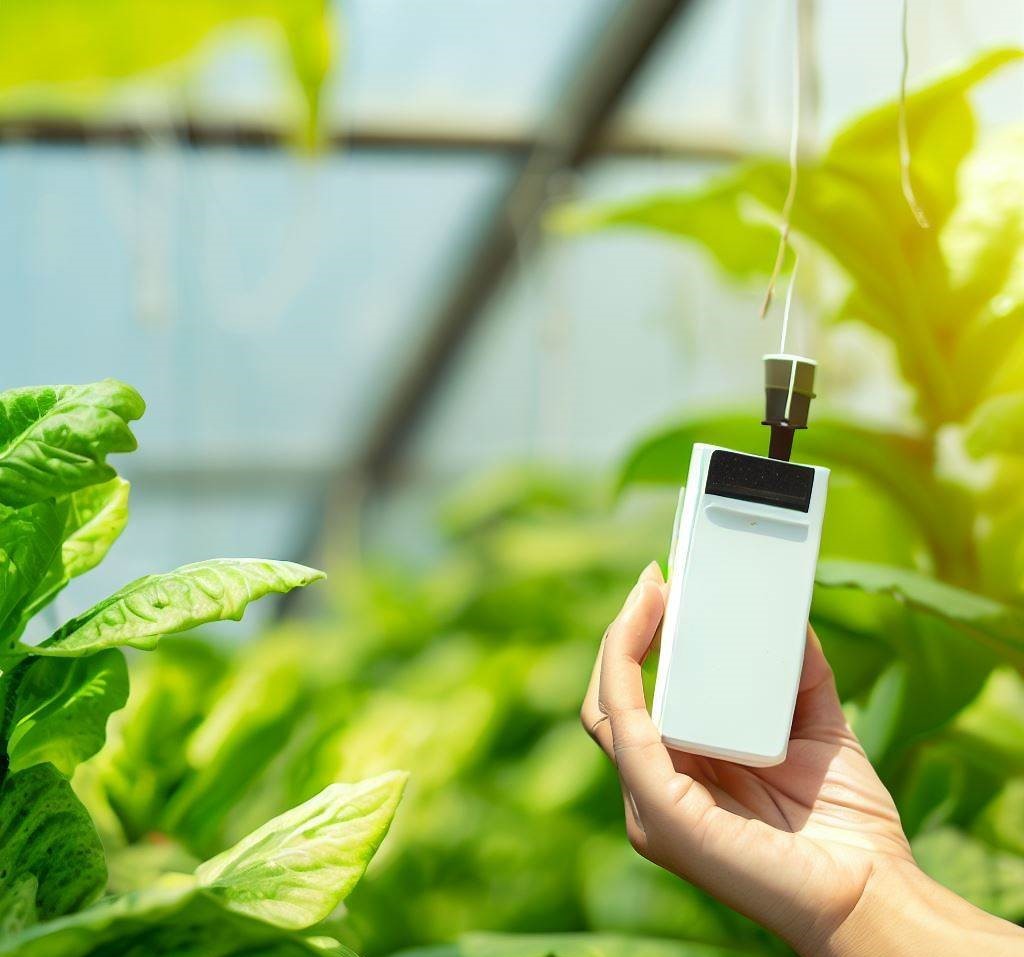
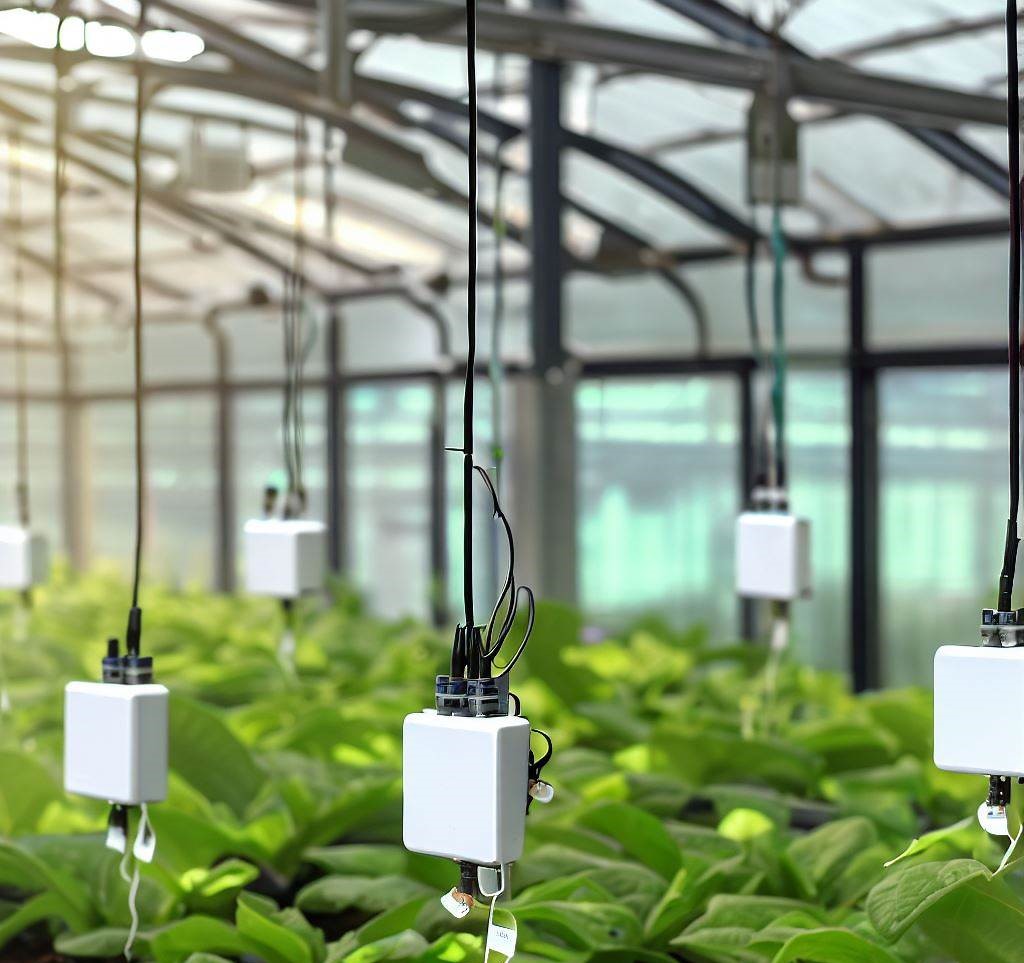
In today’s digital age, why not let technology lend a hand? Automated climate control systems can be your greenhouse’s best friend. These systems can monitor and adjust temperature, humidity, and ventilation with precision. You can even control them remotely through your smartphone – the epitome of convenience and peace of mind.
Tailoring for Plant Types: Customizing Your Climate Control
Plants have personalities too, and each type has its preferences. Tropical plants like high humidity, while succulents prefer drier conditions. Take the time to group similar plants together, allowing you to fine-tune the climate control settings for each zone. It’s like hosting a garden party where everyone’s happy with the playlist!
Energy Efficiency: Sustainability Inside Your Green Haven
Running a greenhouse isn’t just about plants – it’s about being environmentally responsible too. Invest in energy-efficient heating, cooling, and lighting systems. Consider installing solar panels to harness the power of the sun for your plant paradise. Your plants will thank you, and so will Mother Earth.
Year-Round Cultivation: Extending Seasons with Climate Control
One of the most remarkable advantages of a greenhouse is its ability to extend growing seasons. With proper climate control, you can start planting earlier in the spring and keep the harvest going well into fall. Some greenhouses even allow year-round cultivation, giving you a botanical wonderland no matter the time of year.
Pest and Disease Prevention: A Byproduct of Controlled Climate
A well-controlled climate doesn’t just make plants happy – it also keeps unwanted guests like pests and diseases at bay. Maintaining proper humidity levels and good airflow reduces the risk of mold and mildew. And when pests do manage to sneak in, a controlled environment makes it easier to implement targeted solutions.
Budget-Friendly Tips: Nurturing Your Plants without Breaking the Bank
Climate control might sound expensive, but it doesn’t have to be. There are plenty of budget-friendly hacks to help you achieve greenhouse nirvana without draining your wallet. From DIY insulation projects to repurposing materials, you can make the most of what you have.
Do-It-Yourself Projects: Adding a Personal Touch to Climate Control
Inject a bit of your personality into your greenhouse by taking on some fun DIY projects. Build your own rainwater collection system to keep your plants hydrated sustainably. Create your own misting system for that extra touch of humidity. Not only will your plants thrive, but you’ll also have a blast doing it.
Staying Ahead of Common Challenges: A Proactive Approach
With great power (over your greenhouse’s climate) comes great responsibility. Be prepared to tackle common challenges like temperature fluctuations, pest invasions, and equipment malfunctions. By staying informed and proactive, you’ll be able to keep your plants in tip-top shape year-round.
Conclusion:
Thriving Greenery, Thanks to Climate Care
And there you have it, fellow green thumbs! The world of greenhouse climate control is vast, but fear not – armed with the right knowledge and tools, you’re ready to conquer it all. From temperature to humidity, light to ventilation, you now know how each piece of the puzzle contributes to your plant paradise. So, go ahead and create your own haven of greenery, where the climate is always just right. Happy gardening!
Frequently Asked Questions
Can I use regular fans for ventilation in my greenhouse?
Absolutely! Regular fans can help improve air circulation and prevent stagnant conditions, but consider investing in greenhouse-specific fans designed for optimal airflow.
Do I need to adjust climate control settings for different plant stages?
Yes, different growth stages require varying conditions. Young plants may need higher humidity, while mature plants could thrive in drier environments.
Are automated climate control systems difficult to set up?
Not at all! Many modern systems are user-friendly and come with detailed instructions. Some even offer remote control through smartphone apps.
Can I grow cold-climate plants in a greenhouse during winter?
Yes, a greenhouse can create a microclimate that’s warmer than the outside environment, allowing you to grow cold-climate plants with proper insulation and heating.
What’s the biggest mistake to avoid in greenhouse climate control?
Neglecting to monitor your greenhouse regularly can lead to disaster. Stay vigilant and make adjustments as needed to ensure your plants thrive.
Vertical Greenhouse Gardening
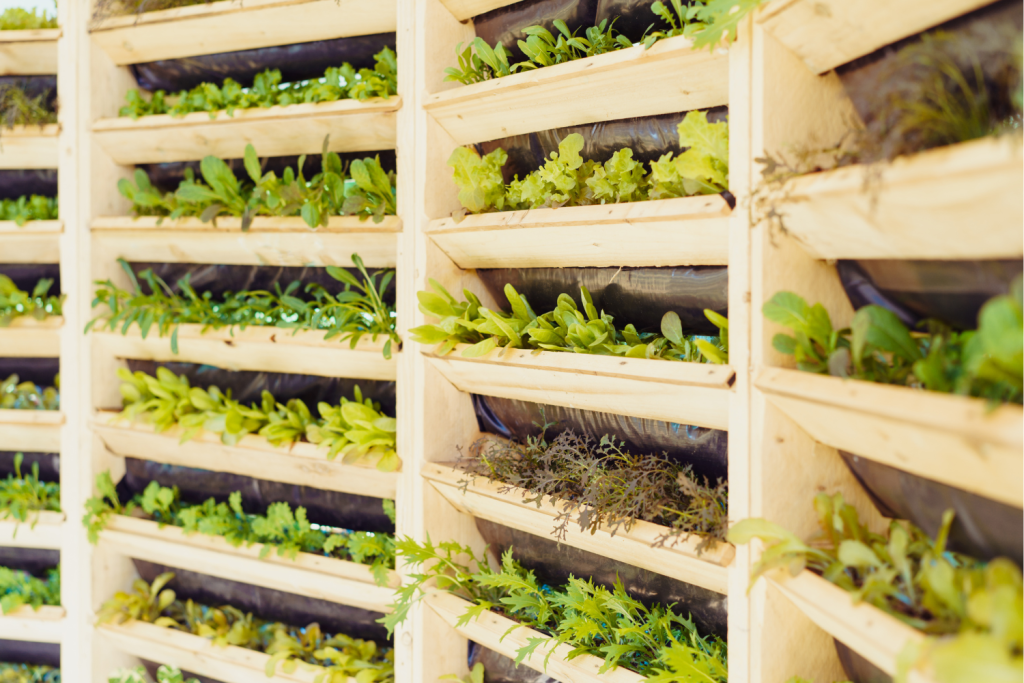
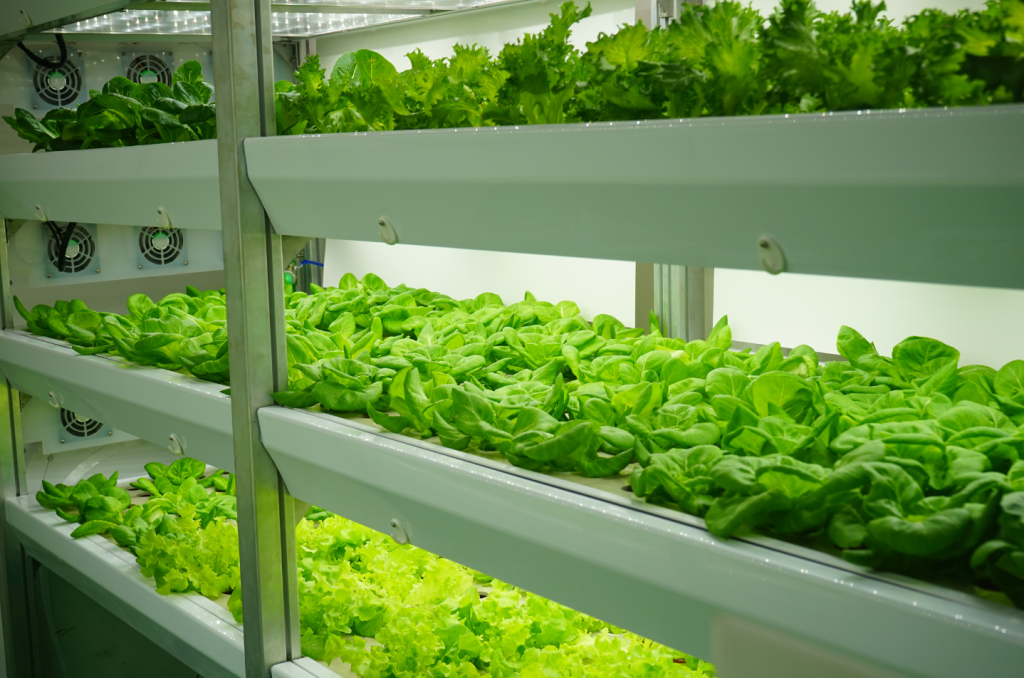
Grow Up, Not Out!
What Is Vertical Greenhouse Gardening?
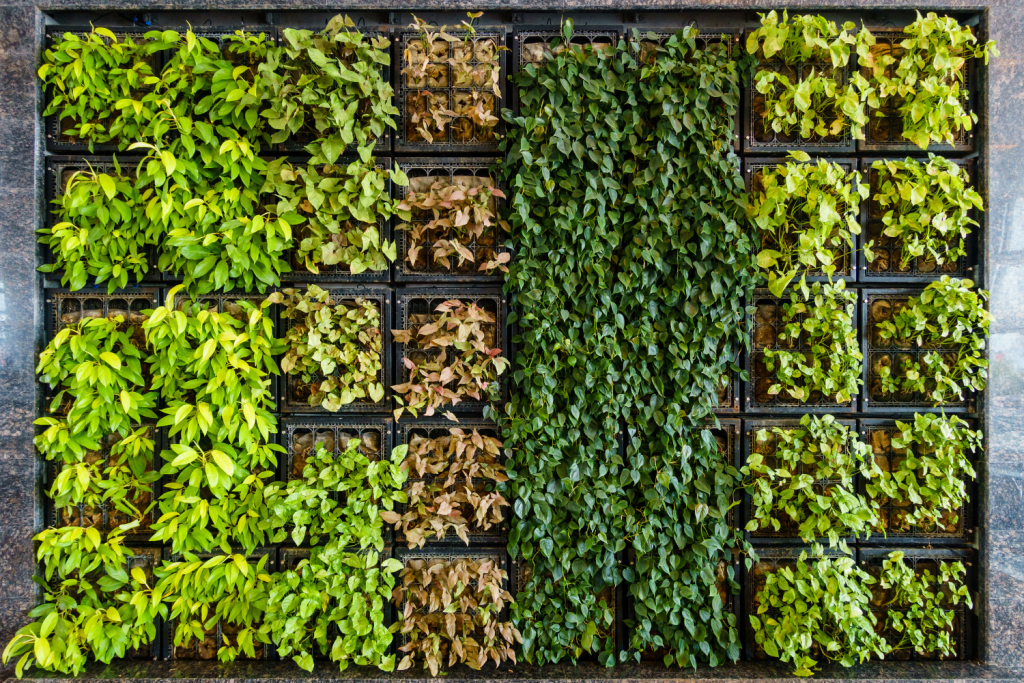
As an avid gardener who is always looking for new ways to maximize my growing space, I’ve become a huge fan of vertical greenhouse gardening. But what exactly is it? Well, imagine combining the space-saving genius of vertical gardening with the controlled environment of a greenhouse. That’s vertical greenhouse gardening in a nutshell!
It’s a method that allows us to grow plants vertically in a protected, climate-controlled space. This approach is perfect for those of us with limited outdoor area or who want to extend our growing season. Trust me, once you try it, you’ll wonder how you ever gardened any other way!
Benefits of Vertical Greenhouse Gardening
Space Efficiency
One of the biggest perks of vertical greenhouse gardening is its incredible space efficiency. I used to think my small backyard meant I couldn’t have the lush garden of my dreams. But by growing up instead of out, I’ve managed to triple my growing capacity! It’s amazing how much you can fit into a small footprint when thinking vertically.
Increased Yield
Vertical greenhouse gardening not only saves space but also boosts yield. I’ve found that I can grow more plants in less space, naturally leading to a bigger harvest. Plus, the controlled environment of a greenhouse means my plants are happier and more productive. It’s a win-win!
Year-Round Growing
Living in a region with harsh winters meant a short growing season for me. But with vertical greenhouse gardening, I can grow fresh produce all year round. There’s nothing quite like picking a ripe tomato in the middle of January!
Pest and Disease Control
Another huge advantage is the reduced risk of pests and diseases. The enclosed greenhouse environment acts as a barrier, keeping many common garden pests at bay. And because the plants are off the ground, soil-borne diseases are less of an issue. It’s made gardening so much less stressful for me!
Getting Started with Vertical Greenhouse Gardening
Choosing the Right Structure
When I first started, choosing the right structure felt overwhelming. But I’ve learned that it doesn’t have to be complicated. You can start small with a mini greenhouse or go big with a walk-in structure. The key is to choose something that fits your space and budget.
Selecting Appropriate Plants
Not all plants are suitable for vertical growing, but you’d be surprised at how many are! I’ve had great success with vining plants like tomatoes, cucumbers, and peas. Leafy greens, herbs, and even some fruit trees can thrive in a vertical setup. Experiment and see what works best for you!
Essential Equipment
To get started, you’ll need some basic equipment. Vertical planters or containers, a good irrigation system, and proper lighting are must-haves. Don’t forget about shelving or trellises to support your plants as they grow upwards. It might seem like a lot at first, but trust me, it’s worth the investment.
Vertical Gardening Techniques
Vertical Planters and Containers
There are so many creative ways to grow vertically! I love using hanging baskets, wall-mounted planters, and stacked containers. These allow me to maximize every inch of space in my greenhouse. Get creative and see what works for your setup!
Hydroponic Systems
If you really want to take your vertical greenhouse to the next level, consider hydroponics. It’s a soilless growing method that’s perfect for vertical setups. I was initially intimidated, but once I got the hang of it, I was amazed at how fast and abundantly my plants grew.
Aeroponic Systems
For the tech-savvy gardeners out there, aeroponics is another exciting option. It involves misting plant roots with nutrient-rich water. While it requires a bit more setup, the results can be spectacular. I’m still learning the ropes with this one, but I’m excited about its potential!
Maintaining Your Vertical Greenhouse Garden
Watering and Nutrient Management
Proper watering and nutrition are crucial in vertical greenhouse gardening. I’ve found that drip irrigation systems work wonders for ensuring each plant gets just the right amount of water. As for nutrients, a good-quality, balanced fertilizer is key. Remember, plants in containers often need more frequent feeding than those in the ground.
Temperature and Humidity Control
Maintaining the right temperature and humidity is vital for a thriving greenhouse. I use a combination of vents, fans, and sometimes a small heater to keep conditions just right. It took some trial and error, but now I can maintain the perfect environment for my plants year-round.
Pruning and Training Plants
In vertical gardening, pruning and training your plants is essential. It helps manage their growth and ensures they don’t overshadow each other. I spend a little time each week guiding vines and trimming excess growth. It’s actually become one of my favorite parts of the process!
Common Challenges and Solutions
Like any gardening method, vertical greenhouse gardening comes with its challenges. I’ve dealt with issues like inadequate lighting, overcrowding, and sometimes uneven watering. But don’t let these discourage you! With a bit of patience and problem-solving, these obstacles are easily overcome. Remember, every challenge is an opportunity to learn and improve your garden.
Conclusion
Vertical greenhouse gardening has revolutionized the way I grow plants. It’s allowed me to maximize my space, extend my growing season, and produce an abundance of fresh, healthy produce year-round. While it may seem daunting at first, the rewards far outweigh any initial challenges. So why not give it a try? Start small, learn as you go, and watch your garden grow – upwards!
FAQs
- How much does it cost to set up a vertical greenhouse garden?
The cost can vary widely depending on the size and complexity of your setup. You can start with a small, simple system for as little as $100 or invest thousands in a large, high-tech greenhouse. - Can I do vertical greenhouse gardening if I live in an apartment?
Absolutely! There are many compact greenhouse options perfect for balconies or even indoor spaces. Just make sure you have access to adequate light. - What are the best plants for beginners in vertical greenhouse gardening?
Leafy greens like lettuce, spinach, herbs, and cherry tomatoes are great for beginners. They’re relatively easy to grow and don’t require too much space. - How often should I water my vertical greenhouse plants?
It depends on your specific plants and setup. Generally, plants in vertical systems may need more frequent watering than those in traditional gardens. Always check the soil moisture before watering. - Can I use vertical greenhouse gardening for organic growing?
Definitely! Many organic growing principles can be applied to vertical greenhouse gardening. In your vertical setup, you can use organic potting mixes, fertilizers, and pest control methods.
Pest and Disease Control in Greenhouses
Introduction
You’ve probably wondered, why are greenhouses so special? Well, the controlled environment allows plants to thrive, but it also can make them susceptible to certain pests and diseases. This makes pest and disease control in greenhouses absolutely crucial. So, why is it so vital?
Why Greenhouses are Special
Greenhouses are like a mini-paradise for plants. They get the right amount of light, the temperature is controlled, and they’re shielded from harsh conditions outside. However, it’s this very controlled environment that can also become a breeding ground for pests and diseases if not managed correctly.
The Importance of Pest and Disease Control
Imagine putting so much effort into growing your plants, only to see them wither away because of a tiny bug or fungus. Frustrating, right? That’s why pest and disease control in greenhouses is not just important—it’s essential.
The Common Pests in Greenhouses
Some unwelcome guests love the warmth and protection greenhouses offer.
Aphids
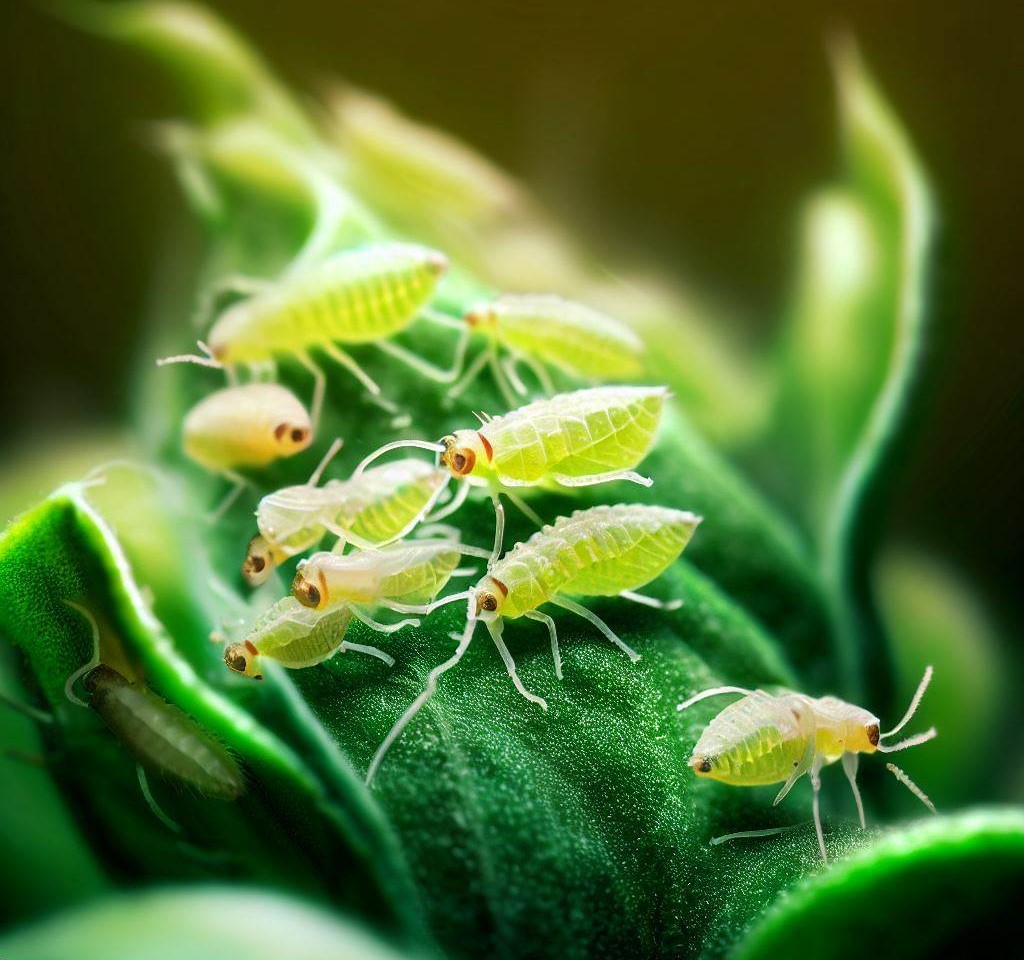
Little sap-sucking monsters! They might be tiny, but their damage isn’t. Aphids can cause curled, yellow leaves and can even transmit viruses.
Whiteflies
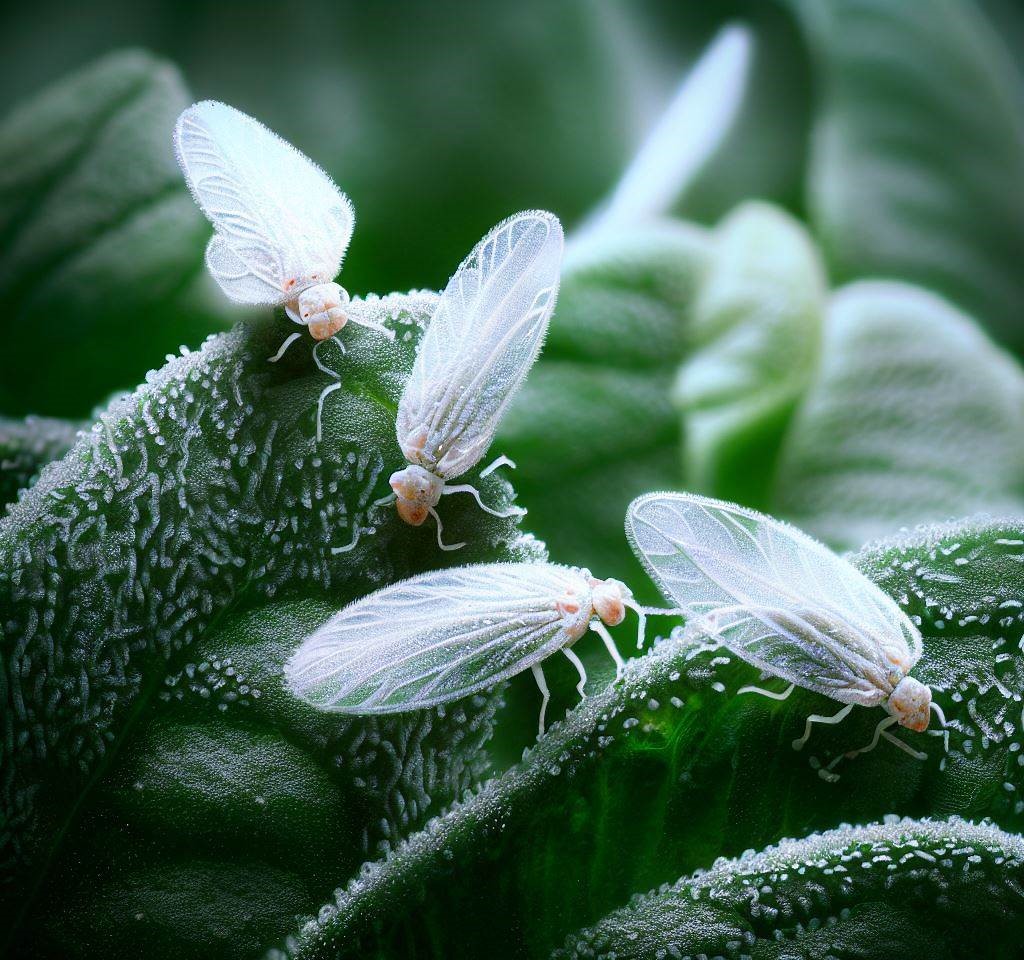
Ever seen tiny white bugs flying around your plants? Those are whiteflies, and they’re not as innocent as they look.
Spider Mites
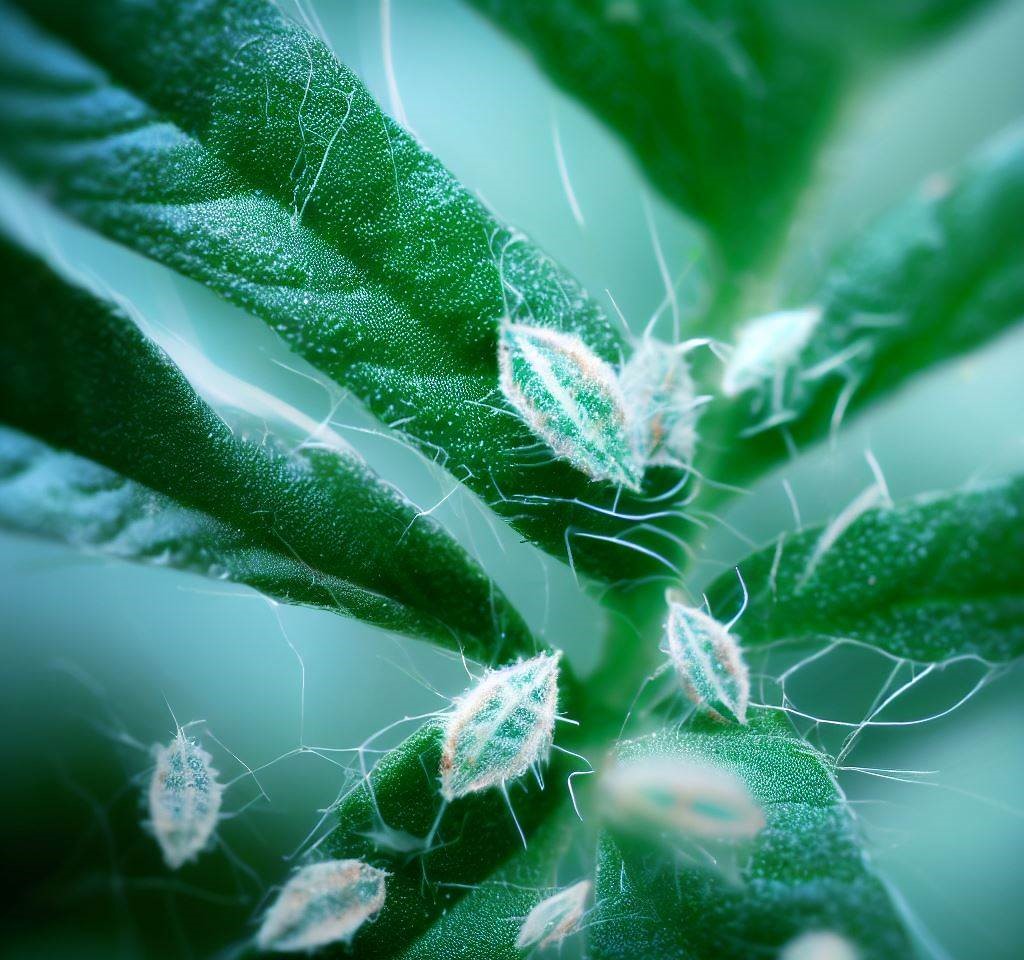
Tiny, but mighty! These mites can cause stippling on leaves, and severe infestations can lead to leaf drop.
Common Diseases in Greenhouses
Just like pests, diseases also thrive in the warm, moist environment of greenhouses.
Powdery Mildew
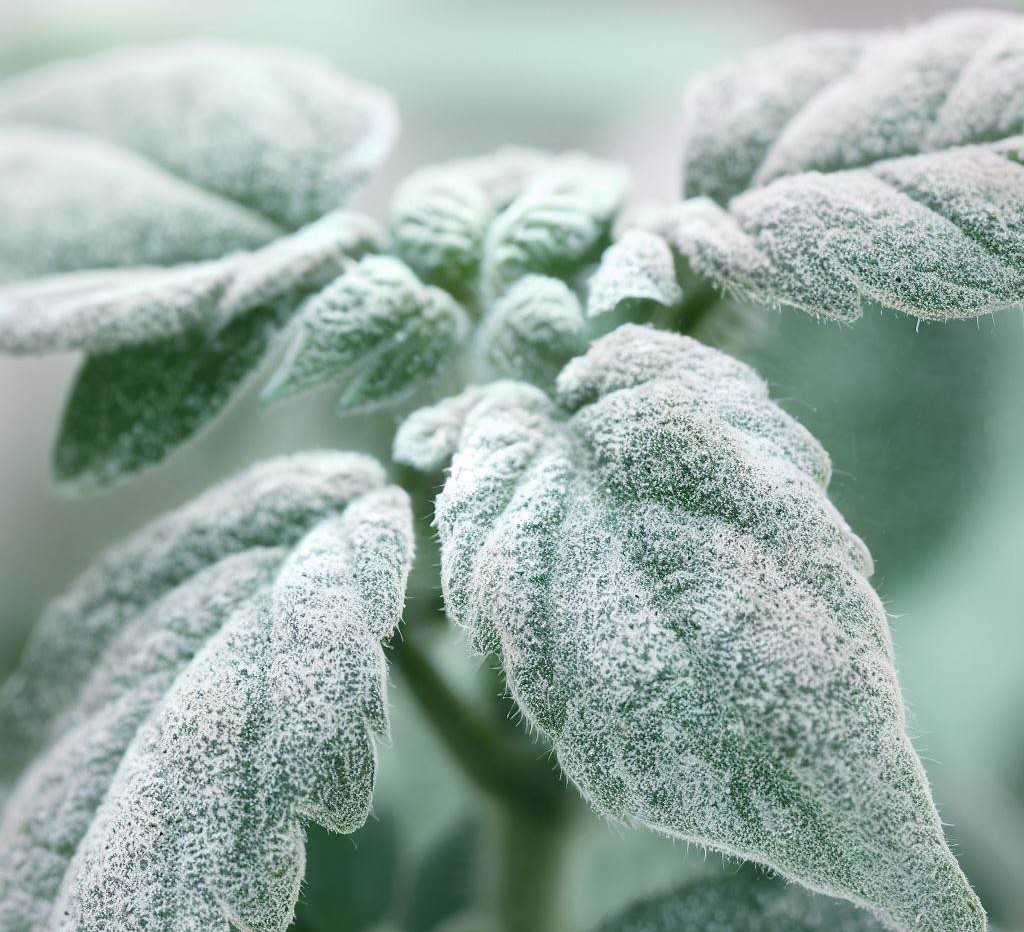
This fungus looks like white powder on leaves. It can reduce photosynthesis and cause early leaf drop.
Botrytis Blight
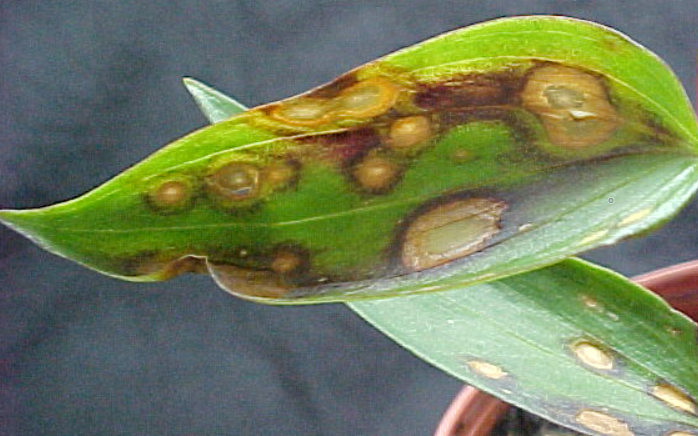
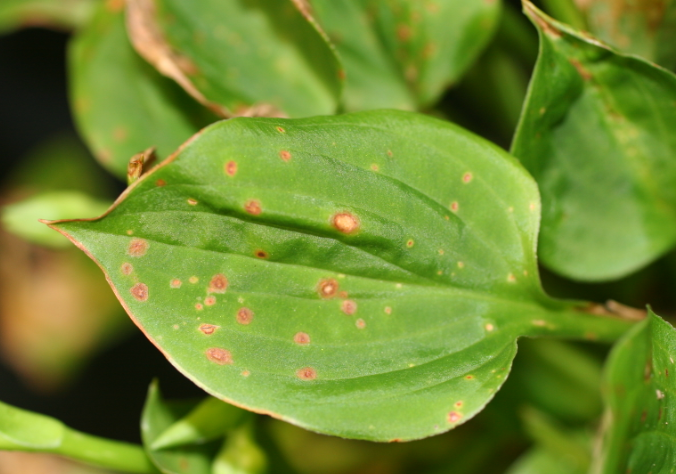
Also known as gray mold, it’s a fungus that thrives in cool, humid conditions, causing rot.
Effective Pest Control Strategies
The best offense is a good defense, right?
Natural Predators
Have you ever thought of letting ladybugs or lacewings loose in your greenhouse? They love feasting on aphids and whiteflies!
Organic Pesticides
Sometimes, you need a little extra help. Organic pesticides can be effective without harming your plants.
Making Your Own Organic Sprays
Ever tried a mix of water, soap, and some chili? It’s spicy for pests!
Effective Disease Control Strategies
Prevention is better than cure, especially with diseases.
Proper Ventilation
Moisture is a breeding ground for fungi. Ensuring good airflow can prevent many fungal diseases.
Regularly Checking Plants
An early catch can prevent a full-blown outbreak. Regular checks can save a lot of grief.
The Benefits of Proactive Control
It’s simple—healthy plants produce better. Whether you’re growing for profit or pleasure, proactive control ensures that your plants reach their full potential.
Conclusion
Greenhouses are a boon for plant enthusiasts, but with the boon comes the responsibility of managing pests and diseases. By staying proactive, using a mix of natural and organic solutions, and keeping a keen eye, you can ensure that your greenhouse remains a true plant paradise. So, ready to dive into this gardening adventure?
FAQs
- Why are aphids a common pest in greenhouses?
• Aphids thrive in warm conditions and reproduce quickly, making greenhouses a perfect home for them. - How often should I check my plants for diseases?
• Ideally, do a quick check daily, and a more thorough inspection weekly. - Can I use regular household soap for organic sprays?
• Yes, but ensure it’s free from harsh chemicals or detergents. - Why is ventilation so crucial for disease control?
• Proper ventilation reduces moisture levels, making it hard for fungi to thrive. - Are natural predators always safe for my plants?
• Generally, yes. But always research any predator before introducing it to your greenhouse.
Greenhouse Soil and Growing Mediums


Introduction:
Greenhouse gardeners understand that greenhouse soil and growing mediums are vital for plant health.
Unlike outdoor gardening, greenhouses allow more control over soil quality and composition. However, this also means that you have to choose wisely and carefully among the various options available.
Planting soil and growing medium are terms that are often used interchangeably, but they are not exactly the same thing. Greenhouse soil is a natural or artificial material that contains mineral particles, organic matter, water, air, and microorganisms. Greenhouse soil is often modified from regular garden soil to meet plant needs. Growing medium supports plant growth without soil. This medium offers support, water retention, nutrients, and air for roots, using organic or inorganic substances.
There are many types of greenhouse soil and growing medium available in the market or that you can make yourself. Each medium has pros and cons, influenced by plants, containers, climate, cost, and material availability.
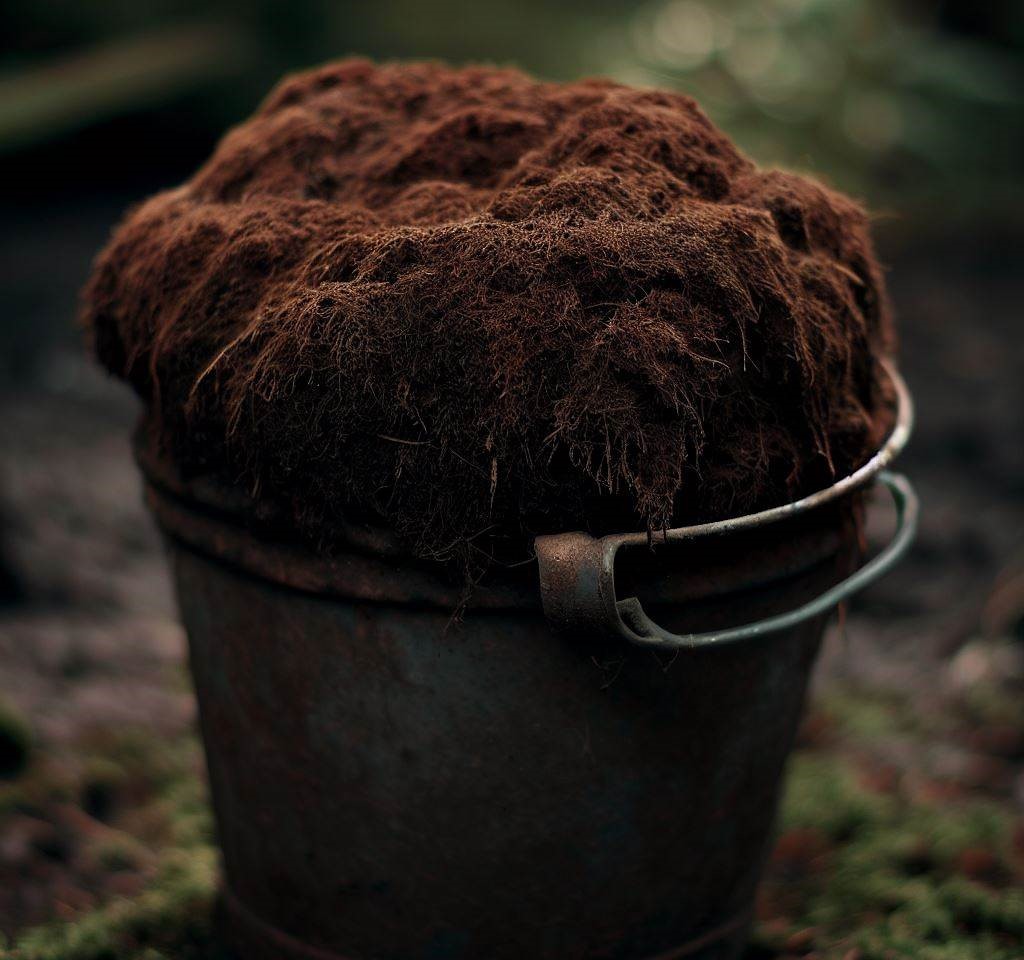
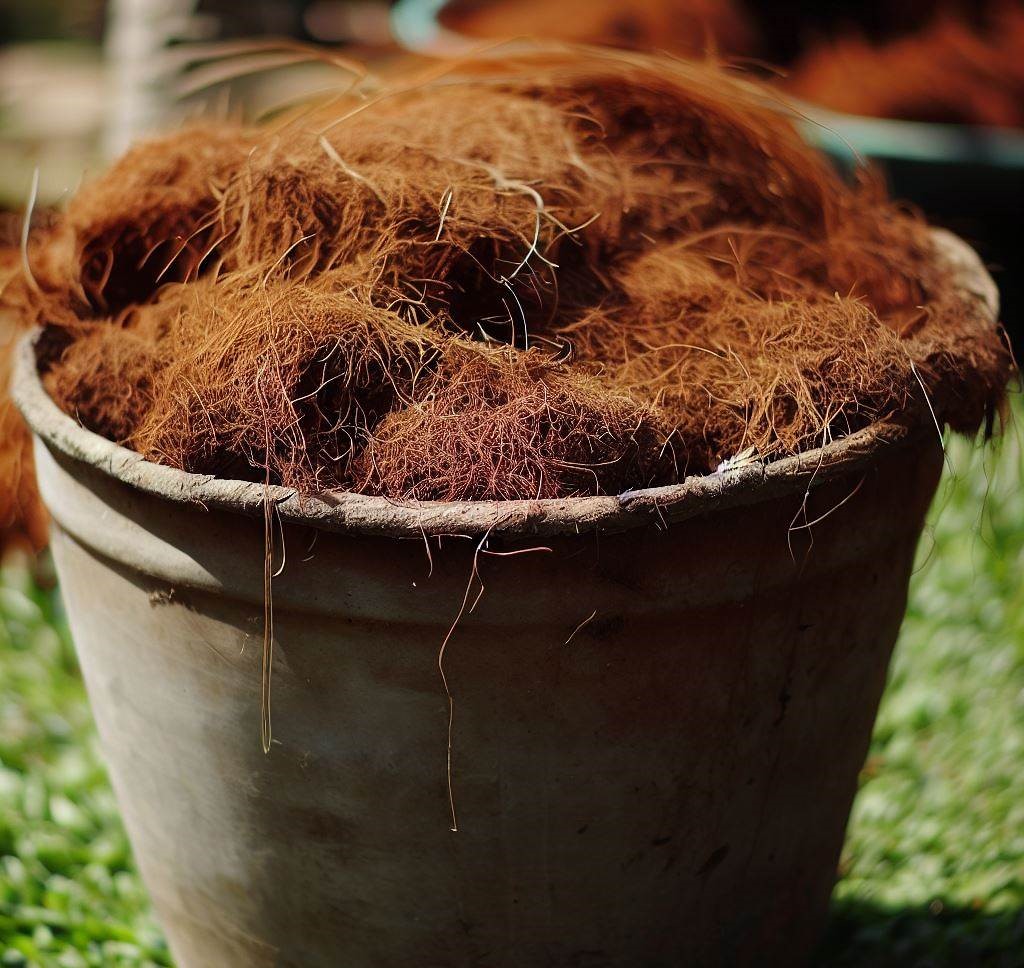
Common greenhouse soils and mediums include loam, sand, clay, compost, peat moss, perlite, vermiculite, bark, and coir.
In this article, we will show you how to choose, use, mix, test, and adjust your greenhouse soil and growing medium for optimal plant growth and health. We will cover topics such as:
Curious about selecting the right greenhouse soil? Various growing mediums exist; exploring their effective use is key. Crafting your own soil and growing medium can be fulfilling. It’s crucial to test and adjust these components for optimal growth.
- Have you ever wondered about greenhouse soil and how to select the right one?
- There are various growing mediums; let’s explore how to use them effectively.
- Mixing your own greenhouse soil and growing medium can be quite rewarding.
- Testing and adjusting these components is essential for optimal growth.
By following this guide, you will be able to create the best possible environment for your greenhouse plants. Let’s get started!
What is Greenhouse Soil and Growing Mediums and How to Choose One?
Greenhouse soil is a material that contains mineral particles, organic matter, water, air, and microorganisms. It is similar to regular garden soil, but it is usually modified or improved to suit the specific needs of greenhouse plants. Greenhouse soil differs from regular garden soil in several ways, such as:
- Greenhouse soil is usually lighter in weight and texture than regular garden soil. This is because greenhouse soil contains more organic matter and less clay and silt particles than regular garden soil. This improves the drainage, aeration, and water holding capacity of the greenhouse soil, which are essential for plant roots.
- Greenhouse soil is usually more fertile and balanced than regular garden soil. This is because greenhouse soil is often enriched with organic or synthetic fertilizers and amendments that provide the necessary nutrients and pH levels for plant growth. This reduces the need for frequent fertilization and liming of the greenhouse soil, which can save time and money.
- Greenhouse soil is usually more sterile and disease-free than regular garden soil. This is because greenhouse soil is often treated with heat, steam, or chemicals that kill any harmful pathogens, pests, or weeds that may be present in the soil. This prevents the spread of diseases and infestations among the greenhouse plants, which can improve their health and yield.
Conclusion:
There are many factors to consider when choosing a greenhouse soil for your plants, such as:
The texture and structure of the greenhouse soil and growing mediums.
The texture of the greenhouse soil refers to the size and distribution of the mineral particles in the soil, such as sand, silt, and clay. The structure of the greenhouse soil refers to how these particles are arranged and held together, such as aggregates, crumbs, or clods. The texture and structure of the greenhouse soil affect its drainage, aeration, water holding capacity, nutrient availability, and root penetration. Ideally, you want a greenhouse soil that has a loamy texture (a mixture of sand, silt, and clay) and a granular structure (small aggregates that are loosely held together). This will provide good drainage, aeration, water retention, nutrient exchange, and root growth for your plants.
The fertility and pH of the greenhouse soil.
The fertility of the greenhouse soil refers to its ability to supply nutrients to the plants. The pH of the greenhouse soil refers to its acidity or alkalinity on a scale from 0 to 14, where 7 is neutral, below 7 is acidic, and above 7 is alkaline. The fertility and pH of the greenhouse soil affect its nutrient availability, microbial activity, and plant growth. Ideally, you want a greenhouse soil that has a moderate to high fertility level (enough nutrients but not too much) and a slightly acidic to neutral pH level (between 5.5 and 7). This will provide optimal conditions for most plants to absorb nutrients, grow well, and resist diseases.
The cost and availability of the greenhouse soil and Growing Mediums:
The cost of the greenhouse soil refers to how much money you have to spend to buy or make it. The availability of the greenhouse soil refers to how easy it is to find or obtain it in your area. The cost and availability of the greenhouse soil affect your budget, convenience, and sustainability. Ideally, you want a greenhouse soil that is affordable (within your budget) and accessible (easy to find or make). This will save you money and time and reduce your environmental impact.
Greenhouse Soil and Growing Mediums – FAQ’s:
There are different types of greenhouse soils that you can choose from depending on your needs and preferences. Some examples are:
Loam:
This is a type of greenhouse soil that has a balanced mixture of sand, silt, and clay particles. It has a loamy texture and a granular structure that provide good drainage, aeration, water retention, nutrient exchange, and root growth for most plants. It also has a moderate to high fertility level and a slightly acidic to neutral pH level that suit most plants’ needs. Loam is one of the most common and versatile types of greenhouse soils that can be used for various purposes.
Sand:
This is a type of greenhouse soil that has mostly sand particles with little or no silt or clay particles. It’s loamy texture and granular structure ensure drainage, aeration, water retention, nutrient exchange, and root growth. It offers moderate fertility and a pH level suitable for most plants. It also has a low fertility level and an alkaline pH level that may limit some plants’ growth and health. Sand suits plants like cacti, succulents, and some herbs that prefer dry, well-drained conditions. It’s affordable and accessible but may need more watering, fertilizing, and weeding than other soils.
Clay:
This is a type of greenhouse soil that has mostly clay particles with little or no sand or silt particles. It has a clayey texture and a compact structure that provide poor drainage and aeration but excellent water retention, nutrient exchange, and root growth for some plants. It also has a high fertility level and an acidic pH level that may benefit some plants’ growth and health. Clay is a type of greenhouse soil that is suitable for plants that prefer moist and fertile conditions, such as some flowers, vegetables, or fruits. It is also a type of greenhouse soil that is durable and stable, but it may require more loosening, aerating, and liming than other types of greenhouse soils.
Compost:
This is a type of greenhouse soil that is made of decomposed organic matter, such as plant residues, animal manures, kitchen scraps, etc. It has a dark color and a crumbly texture that provide good drainage, aeration, water retention, nutrient exchange, and root growth for most plants. It also has a high fertility level and a neutral pH level that suit most plants’ needs. Compost is a type of greenhouse soil that is beneficial for improving the quality and structure of any other type of greenhouse soil. It is also a type of greenhouse soil that is environmentally friendly and sustainable, but it may require more preparation, maintenance, and monitoring than other types of greenhouse soils.
How do Greenhouses work for Home Gardeners
Introduction
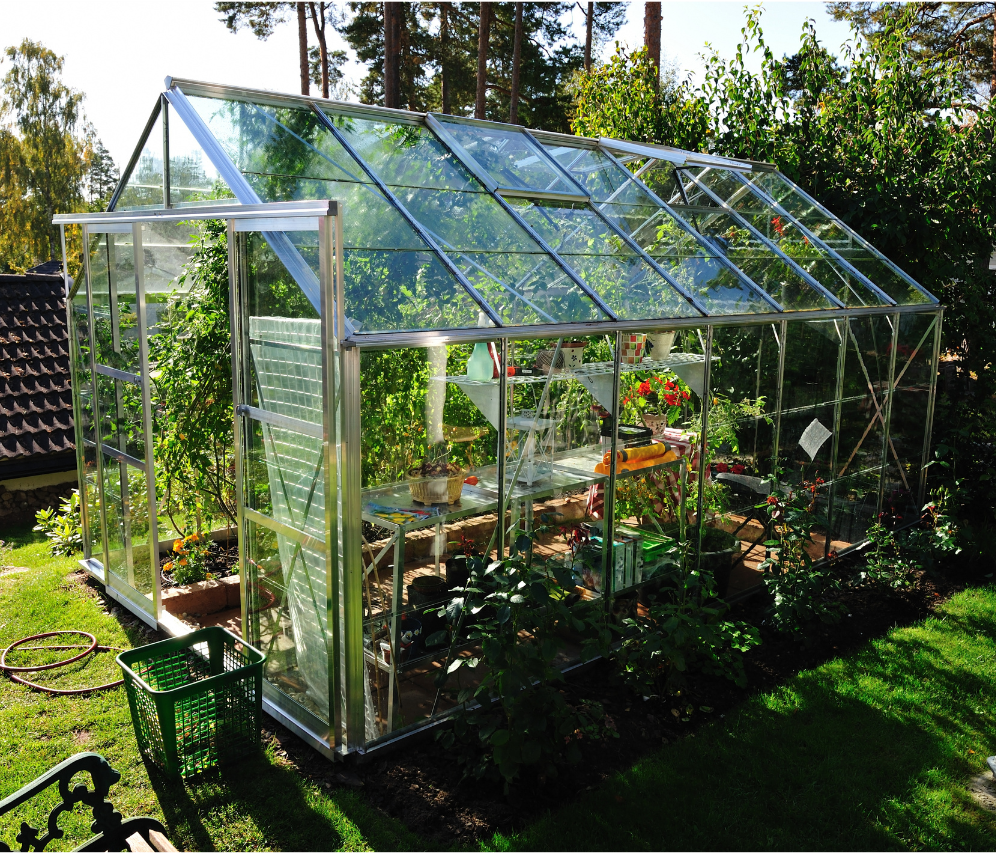
As an avid home gardener, I have discovered the wonders of using a greenhouse to enhance my gardening experience. Greenhouses are specially designed structures that provide an ideal environment for growing plants by harnessing the power of sunlight and creating a controlled atmosphere. In this article, I will explore the benefits of greenhouses for home gardeners and provide valuable suggestions on how to make the most of these incredible gardening spaces.
Benefits of Greenhouses for Home Gardeners
- Extended Growing Season
Greenhouses offer the advantage of extending the growing season, allowing you to cultivate plants all year round. By creating a protected environment, greenhouses shield plants from the harsh effects of extreme temperatures, frost, and inclement weather. With a longer growing season, you can enjoy fresh produce even during colder months and nurture delicate plants that wouldn’t survive outdoors. - Protection from Harsh Weather Conditions
One of the remarkable aspects of greenhouses is their ability to protect plants from adverse weather conditions. Heavy rains, strong winds, hail, or snowfall can wreak havoc on a traditional outdoor garden, damaging delicate crops. However, inside a greenhouse, plants are shielded from such elements, ensuring their safety and well-being. - Pest and Disease Control
Greenhouses act as a barrier against common pests and diseases, safeguarding your plants from unwanted invaders. By implementing proper ventilation systems and utilizing pest control measures, you can create a secure environment that minimizes the risk of infestations. This means healthier plants and reduced reliance on chemical pesticides, making your gardening practices more sustainable. - Increased Plant Variety
With a greenhouse, you have the freedom to explore a wider range of plant varieties. Unlike traditional gardening, where your choices may be limited by climate or seasonal constraints, a greenhouse enables you to grow exotic or delicate plants that thrive in specific conditions. Whether it’s tropical fruits, exotic flowers, or rare herbs, a greenhouse opens up a whole new world of gardening possibilities. - Better Control over Growing Conditions
Greenhouses offer unparalleled control over the growing conditions, allowing you to tailor the environment to suit the specific needs of your plants. You can regulate temperature, humidity, light, and air circulation, creating an optimal setting for growth. This level of control ensures that your plants receive the ideal conditions they require to flourish, resulting in healthier and more productive harvests.
How Greenhouses Work
- Structure and Design
Greenhouses are typically made of transparent materials, such as glass or polycarbonate panels, which allow sunlight to penetrate while trapping heat inside. The structure should be sturdy enough to withstand external forces and provide proper insulation to retain warmth during colder periods. - Temperature and Ventilation Control
Maintaining the right temperature is crucial in a greenhouse. Natural ventilation through windows, vents, or louvers helps regulate heat and humidity levels. Automatic systems, such as fans or vents operated by thermostats, can aid in achieving optimal growing conditions. - Irrigation and Humidity Management
Proper watering and humidity control are essential for healthy plant growth. Greenhouses can be equipped with drip irrigation systems, misting devices, or humidifiers to provide plants with the necessary moisture. Monitoring tools like hygrometers assist in maintaining the desired humidity levels. - Lighting and Artificial Heating
While sunlight is the primary source of light for plants, supplemental artificial lighting can be used to supplement natural light during darker periods or in regions with limited sunshine. Similarly, during colder months, heaters or heating systems can maintain the temperature within the greenhouse at levels suitable for plant growth. - Automation and Technology
Advancements in technology have revolutionized greenhouse gardening. Automated systems can control various aspects, including temperature, ventilation, irrigation, and lighting, making it easier for home gardeners to manage their greenhouses effectively. Sensors, timers, and smart controllers allow for precise control and efficient resource utilization.
Selecting the Right Greenhouse
- Size and Space Considerations
When choosing a greenhouse, consider the available space in your backyard or garden. Assess your needs and determine the size required to accommodate your desired plants and gardening activities. Additionally, consider factors such as walkways, workspace, and potential expansion in the future. - Material and Construction
Different materials have varying insulation properties, costs, and durability. Glass offers excellent visibility and durability but can be expensive. Polycarbonate panels are a more affordable alternative while still providing good insulation. Consider the pros and cons of each material and select the one that best suits your requirements. - Types of Greenhouse Structures
Greenhouses come in various shapes and designs, including lean-to, freestanding, or even geodesic domes. Each structure has its advantages and limitations, so choose one that aligns with your gardening goals, available space, and aesthetic preferences. - Budget and Cost Considerations
Establish a budget for your greenhouse project, considering both the initial setup costs and potential long-term maintenance expenses. Factor in costs related to construction, materials, ventilation systems, lighting, and any additional features you may desire.
Setting up and Maintaining a Greenhouse
- Site Selection and Preparation
Choose a location that receives ample sunlight throughout the day, preferably facing south. Clear the site from any obstructions that may block sunlight, such as trees or structures. Level the ground, remove weeds or debris, and ensure proper drainage to prevent waterlogging. - Choosing the Right Plants
Consider the plants you wish to grow and their specific requirements. Some plants thrive in cooler conditions, while others prefer higher temperatures. Research the ideal temperature, light, and humidity requirements for your chosen plants to create an environment that promotes healthy growth. - Soil and Fertilizer Management
Use a high-quality soil mix suitable for greenhouse gardening. Regularly test and amend the soil to maintain proper nutrient levels. Additionally, fertilize your plants according to their needs, using organic or slow-release fertilizers to ensure a steady supply of nutrients. - Watering and Drainage
Monitor the moisture levels in the soil and water your plants accordingly. Implement an efficient watering system, such as drip irrigation, to provide plants with water directly at their root zone. Proper drainage is equally important to prevent waterlogging and root rot. - Pest and Disease Prevention
Implement integrated pest management techniques to minimize the risk of pests and diseases. Regularly inspect plants for any signs of infestation or illness. Utilize organic pest control methods, biological controls, or safe pesticides when necessary. - Regular Maintenance and Care
Maintain a regular schedule for greenhouse maintenance tasks, including cleaning, sanitizing, pruning, and removing dead or diseased plant material. Regularly check for any damage or wear and tear in the greenhouse structure and promptly address any issues to prevent further damage.
Tips for Successful Greenhouse Gardening
- Temperature and Humidity Monitoring
Use a thermometer and hygrometer to monitor temperature and humidity levels inside the greenhouse. Adjust ventilation, shading, and heating systems accordingly to maintain optimal conditions. - Ventilation and Air Circulation
Ensure proper air circulation by opening windows or vents during the day and using fans to promote airflow. This helps prevent mold, mildew, and fungal diseases while providing fresh air to your plants. - Proper Watering and Feeding
Avoid overwatering or underwatering your plants. Regularly check the moisture levels in the soil and adjust watering accordingly. Feed your plants with the appropriate nutrients to support their growth and development. - Managing Light and Shade
Monitor the amount of sunlight your plants receive and provide shade when necessary, especially during hot summer months. Use shade cloths or blinds to prevent sunburn and overheating of plants. - Pruning and Training Plants
Pruning helps maintain plant shape, promote airflow, and remove dead or diseased plant parts. Additionally, train plants using trellises, stakes, or wires to maximize vertical space and encourage proper growth.
Conclusion
Greenhouses provide an exciting opportunity for home gardeners to take their gardening endeavors to new heights. By offering extended growing seasons, protection from harsh weather, pest control, and increased plant variety, greenhouses empower gardeners to cultivate a wider range of plants and enjoy fresh produce year-round. With proper understanding of greenhouse functioning, careful selection, setup, and maintenance, you can create an environment that fosters healthy plant growth and successful gardening adventures.
FAQs About Greenhouses for Home Gardeners
- Can I grow vegetables in a greenhouse all year round?
• Yes, greenhouses enable you to grow vegetables throughout the year by providing a controlled environment that protects plants from adverse weather conditions. - Do I need a large backyard to have a greenhouse?
• Not necessarily. Greenhouses come in various sizes and designs, including smaller options suitable for limited spaces or even balcony gardening. - How much does it cost to set up a greenhouse?
• The cost of setting up a greenhouse depends on various factors, including the size, material, and additional features. It’s important to establish a budget and research the options available within your price range. - Are greenhouses difficult to maintain?
• Greenhouses require regular maintenance and care, but with proper planning and routine tasks, they can be easily managed by home gardeners. - Can I use a greenhouse for starting seeds?
• Absolutely! Greenhouses provide an ideal environment for seed germination and seedling growth. They offer consistent temperature, moisture, and protection against external elements, giving seeds a head start in their journey to becoming healthy plants.
Best Greenhouse for your Backyard
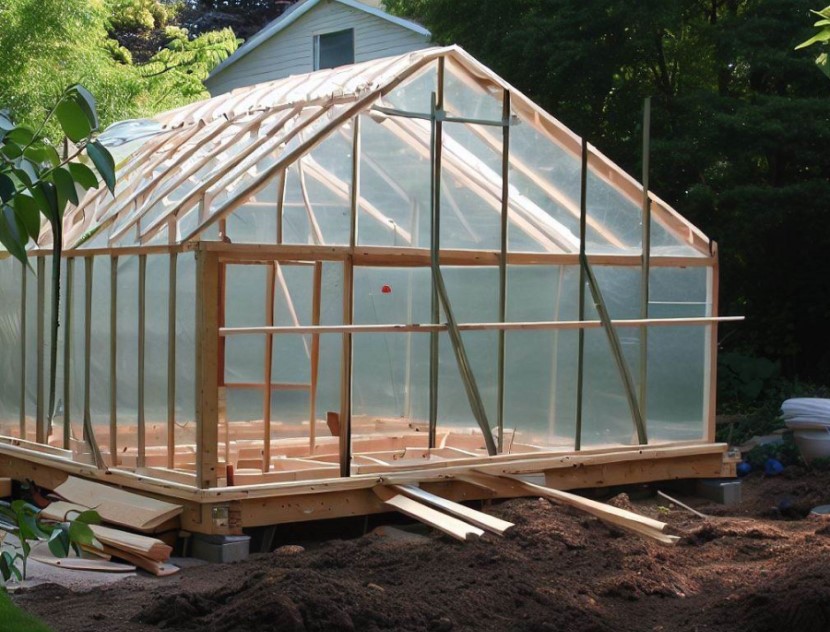
As an avid gardening enthusiast, I have discovered the immense benefits of having a backyard greenhouses. It not only extends the growing season but also provides a controlled environment for healthy plant growth. In this article, I’ll guide you through the essential aspects you should consider before starting your own backyard greenhouse and share some helpful suggestions and reasons for each step.
Introduction
Gardening brings immense joy and fulfillment, but the changing seasons and unpredictable weather can sometimes limit our ability to grow plants year-round. That’s where the best greenhouse for your backyard can be a game-changer. By providing an ideal environment for plants, you can enjoy gardening and harvesting fresh produce throughout the year.
Understanding Backyard Greenhouses
A backyard greenhouse is a structure designed to create a controlled environment for plants to thrive. It offers protection from harsh weather conditions, pests, and diseases while maintaining optimal temperature, humidity, and light levels. By understanding the basics of greenhouse gardening, you can make informed decisions for setting up your own backyard oasis.
Benefits of Having a Greenhouse in Your Backyard
Before delving into the details, let’s explore the numerous benefits of having a greenhouse in your backyard:
- Extended Growing Season: A greenhouse allows you to start planting earlier in the spring and continue growing well into the fall, bypassing the limitations imposed by seasonal changes.
- Year-Round Gardening: With a backyard greenhouse, you can enjoy gardening even during the winter months, nurturing your favorite plants and experimenting with new varieties.
- Protection from External Factors: Greenhouses shield your plants from extreme weather events, such as heavy rain, strong winds, or hailstorms, which can otherwise damage or destroy your precious plants.
- Pest and Disease Control: By creating a barrier between your plants and the outside environment, greenhouses significantly reduce the risk of pests and diseases, ensuring healthier and more productive plants.
- Optimal Growing Conditions: You have complete control over the temperature, humidity, and light levels inside a greenhouse, allowing you to create the perfect environment for different plant species.
- Increased Variety: With a greenhouse, you can grow a wider range of plants, including exotic or delicate species that may not thrive in your local climate.
Factors to Consider Before Starting a Backyard Greenhouse
Before jumping into greenhouse gardening, it’s crucial to consider several factors that will influence your success. Pay attention to the following aspects:
Location and Space
- Sunlight Exposure: Select a location in your backyard that receives ample sunlight throughout the day, preferably facing south to maximize exposure. Avoid areas with large obstructions, such as trees or buildings, which can cast shadows.
- Available Space: Evaluate the available space in your backyard and determine the appropriate size for your greenhouse. Consider not only the footprint of the structure but also the surrounding area for pathways, plant staging, and future expansion.
Greenhouse Size and Design
- Purpose and Goals: Define the purpose of your greenhouses. Are you looking to grow a variety of plants for personal use, or do you plan to generate income through plant sales? This will influence the size and design of your greenhouse.
- Budget: Set a realistic budget for your greenhouse project, considering both the initial investment and ongoing maintenance costs. Keep in mind that larger greenhouses generally require more materials and resources.
Climate and Environmental Considerations
Climate and Environmental Considerations
- Local Climate: Understand your local climate conditions, including temperature ranges, humidity levels, and potential weather extremes. This information will help you select suitable materials and design features to ensure optimal plant growth.
- Wind Exposure: Evaluate the wind patterns in your area and choose a location with natural windbreaks or consider installing additional protection, such as windbreak fences or planting wind-resistant shrubs.
Essential Features for a Backyard Greenhouse
To create an ideal growing environment for your plants, consider incorporating the following features into your backyard greenhouse:
- Ventilation: Proper airflow is crucial for maintaining optimal temperature, humidity, and preventing the buildup of excessive condensation. Install vents, windows, or fans to ensure adequate ventilation.
- Insulation: Insulating your greenhouses helps regulate temperature fluctuations and prevents heat loss during colder months. Consider materials such as double-layered glazing or insulated panels.
- Shading: Protect your plants from excessive heat during the summer by incorporating shading options such as shade cloths or blinds. This prevents sunburn and helps maintain optimal growing conditions.
- Heating: Depending on your climate, you may need to provide supplemental heating during colder periods. Options include electric heaters, radiant floor heating, or solar-powered systems.
- Lighting: Adequate lighting is crucial, especially during shorter winter days. Supplement natural light with artificial lighting systems, such as LED grow lights, to ensure optimal plant growth.
- Watering and Irrigation: Implement an efficient watering system, such as drip irrigation or misting, to automate watering and ensure your plants receive consistent moisture levels.
Selecting the Right Materials
Choosing the appropriate materials for your greenhouse construction is essential for durability, efficiency, and functionality. Consider factors such as:
- Frame Materials: Common options include wood, aluminum, or galvanized steel. Each material has its advantages in terms of strength, durability, and cost.
- Covering Materials: Select a covering material that provides excellent light transmission and insulation properties. Popular choices include glass, polycarbonate, or polyethylene film.
Maintaining the Ideal Environment
Once your greenhouse is set up, maintaining the ideal growing environment is crucial for the success of your plants.
Pay attention to the following aspects:
- Temperature Management: Regularly monitor the temperature inside your greenhouse and make adjustments as needed. Use thermometers, thermostats, and automated climate control systems to regulate the temperature.
- Humidity Control: Maintain appropriate humidity levels by providing proper ventilation and avoiding excessive watering or overwatering. Use humidity sensors or hygrometers to monitor and adjust humidity as required.
- Pest and Disease Prevention: Implement preventative measures to minimize the risk of pests and diseases. These include regular inspection, proper sanitation, and timely removal of any affected plants or plant debris.
Choosing Suitable Plants
Selecting the right plants for your backyard greenhouses is essential for successful gardening. Consider factors such as:
- Plant Compatibility: Choose plants that have similar environmental requirements, such as temperature, light, and humidity levels. This ensures optimal growing conditions and prevents competition among plants.
- Adaptability: Opt for plant varieties that are well-suited for greenhouse cultivation and can thrive in a controlled environment.
Watering and Irrigation
- Watering Needs: Understand the watering requirements of different plant species and ensure they receive adequate moisture without overwatering. Monitor soil moisture levels and adjust watering accordingly.
- Water Conservation: Consider implementing water-saving techniques such as rainwater harvesting or recycling water from other sources. This promotes sustainability and reduces water consumption.
Pest and Disease Management
Monitoring and Prevention: Regularly inspect your plants for any signs of pests or diseases. Take immediate action to prevent infestations or outbreaks, such as using organic pest control methods or introducing beneficial insects.
Crop Rotation: Practice crop rotation to prevent the buildup of pests and diseases in the greenhouses. Avoid planting the same plant species in the same area year after year.
Extending the Growing Season
Take advantage of your greenhouse to extend the growing season further:
- Fall and Winter Planting: Plan your planting schedule to include cool-season crops that thrive in lower temperatures. This allows you to continue harvesting fresh produce during the fall and winter months.
- Early Spring Planting: Start seeds indoors in your greenhouse to give them a head start before transplanting them into your garden once the weather warms up.
Conclusion
Setting up backyard greenhouses is an exciting venture for any gardening enthusiast. By considering factors such as location, greenhouse size, climate, and essential features, you can create an optimal growing environment for your plants. Remember to choose suitable materials, maintain ideal conditions, and select appropriate plants for successful greenhouse gardening. Embrace the joy of year-round gardening and savor the satisfaction of growing your own produce.
FAQs
What is the best greenhouse size for a beginner?
• For beginners, a greenhouse with a footprint of around 6 ft x 8 ft is a good starting point. It offers ample space for various plants without being overwhelming.
Do I need a permit to build backyard greenhouses?
• Permit requirements vary by location, so it’s essential to check with your local authorities. In some cases, small backyard greenhouses may not require a permit, but larger structures might.
How do I control pests organically in my greenhouse?
• Organic pest control methods include introducing beneficial insects, using insecticidal soaps, and practicing proper sanitation to minimize pest populations.
Can I use a greenhouse for tropical plants?
• Absolutely! Backyard greenhouses provide an excellent environment for tropical plants that require higher humidity and temperatures.
How do I extend the growing season in a greenhouse?
• Extend the growing season by planting cool-season crops in the fall and winter and starting seeds indoors early for transplanting in the spring.
Greenhouse Gardening Basics
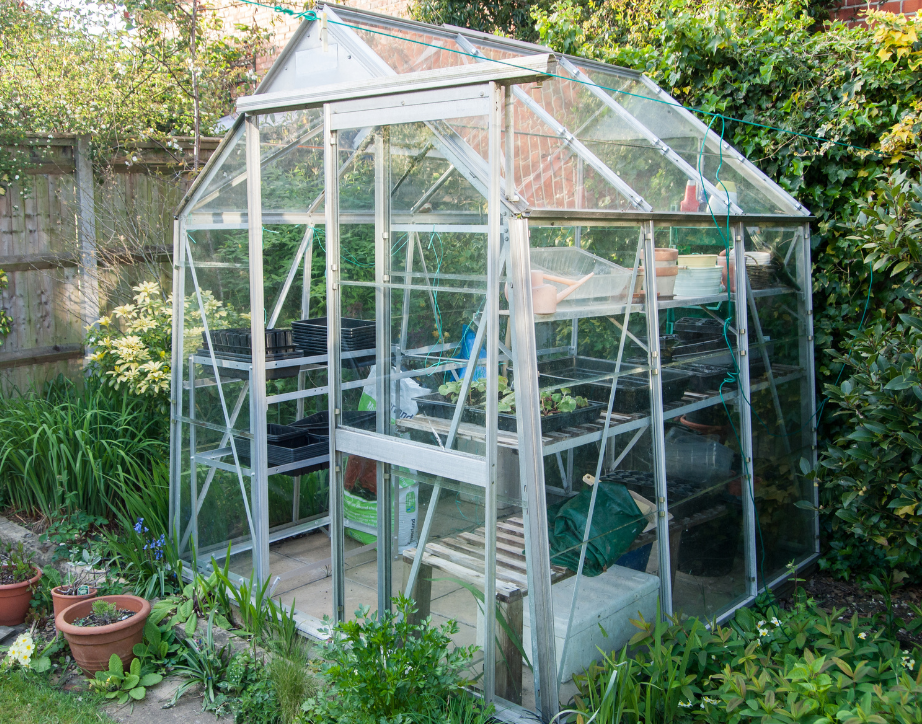
Introduction
Hey there fellow gardening enthusiasts! Today, I want to dive into the captivating world of greenhouse gardening basics. Greenhouses offer a haven for plants to thrive, giving you the power to create an ideal microclimate that extends your growing season and opens up possibilities for cultivating various plants. In this article, we’ll explore why greenhouse gardening is so special, and I’ll provide some valuable suggestions to help you make the most of your own backyard greenhouse.
What is Greenhouse Gardening?
At its core, greenhouse gardening is the art of nurturing plants within an enclosed structure, typically made of glass or plastic, that allows sunlight to enter and traps heat, creating a controlled environment for plants to grow. This controlled atmosphere protects plants from harsh weather conditions, extends the growing season, and enables the cultivation of plants that may not otherwise thrive in your local climate.
Why Choose Greenhouse Gardening?
You might wonder why you should invest in a backyard greenhouse when you can simply plant outdoors. Well, greenhouse gardening offers a plethora of advantages! Firstly, it provides an extended growing season, allowing you to grow tender plants even during cold winters. Secondly, you gain better control over environmental factors like temperature, humidity, and light, leading to healthier and more vigorous plants. Additionally, greenhouses shield your plants from pests and diseases that can ruin all your hard work in traditional gardens.
Getting Started with Greenhouse Gardening
If you’re ready to embrace the world of greenhouse gardening, let’s begin with the basics:
Selecting the Right Greenhouse
Choosing the right greenhouse for your needs is crucial. Consider factors like the available space in your backyard, the types of plants you want to grow, and your budget. There are various options, from small portable greenhouses to large, permanent structures. Select the one that suits your requirements and fits well into your garden layout.
Choosing the Ideal Location
The location of your greenhouse plays a vital role in its success. Place it where it can receive maximum sunlight throughout the day. South-facing locations are often ideal, as they get the most sunlight exposure. Avoid areas with large trees or buildings that might shade your greenhouse and interfere with its light and temperature.
Essential Equipment and Supplies
Before you start planting, make sure you have all the necessary equipment and supplies. This includes pots, trays, a watering system, shelves or benches, ventilation, and temperature controls. Proper equipment will streamline your gardening process and ensure your plants have the best growing environment.
Preparing the Soil
Good soil is the foundation of any successful garden. Ensure your greenhouse soil is rich in nutrients and well-draining. Consider using a mix of compost, peat moss, and perlite to create a suitable growing medium for your plants.
Optimal Plant Selection
Now comes the fun part – choosing the plants you want to grow! Select a variety of plants that thrive in greenhouse conditions, such as tomatoes, cucumbers, herbs, and exotic flowers. Research their specific needs, and ensure they are compatible when planting together.
Watering and Fertilizing Tips
Consistent watering and proper fertilization are essential for plant health. Set up a watering schedule and monitor your plants regularly. Be careful not to overwater or underwater, as both can lead to problems. Additionally, use organic fertilizers to nourish your plants naturally.
Temperature and Humidity Control
Greenhouses allow you to control the internal temperature and humidity levels. Maintain an optimal temperature range for your plants and invest in a thermometer to monitor changes. Adjust ventilation and use misting systems to manage humidity effectively.
Pest and Disease Management
Despite the protective environment, pests and diseases can still find their way into your greenhouse. Inspect your plants regularly and take immediate action if you spot any issues. Consider using natural remedies or organic pesticides to minimize the impact on the environment.
Seasonal Considerations
As the seasons change, so will the needs of your plants. Adapt your greenhouse environment accordingly, providing shade during scorching summers and insulating during frosty winters.
Harvesting and Maintenance
Harvest your crops at the right time to enjoy the fruits of your labor. Regularly maintain your greenhouse by cleaning, pruning, and inspecting for any damage.
Conclusion
Congratulations on embarking on this exciting journey of greenhouse gardening! The rewards are plentiful as you nurture vibrant and healthy plants year-round. Remember, experimentation is the key to success in gardening, so don’t be afraid to try new plants and techniques. Enjoy the process, and let nature’s beauty unfold before your eyes.
FAQs
- Can I grow any plant in a greenhouse?
Yes, you can grow a wide variety of plants in a greenhouse, from fruits and vegetables to flowers and herbs. Just ensure you provide the right conditions for each type of plant. - Do I need a large backyard for a greenhouse?
Not necessarily. There are various sizes of greenhouses available, including small ones suitable for compact spaces. - How much time do I need to dedicate to greenhouse gardening?
The time required depends on the number of plants and their specific needs. Generally, expect to spend a few hours each week on maintenance and care. - Can I use artificial lighting in my greenhouse?
Yes, you can use artificial lighting to supplement natural sunlight, especially during the darker winter months. - Do greenhouses require a lot of water?
Greenhouses are generally efficient in water usage, but the amount needed will depend on the types of plants you grow and their water requirements. Proper irrigation systems can help optimize water usage.
Greenhouse Lighting Systems for a Home Gardener
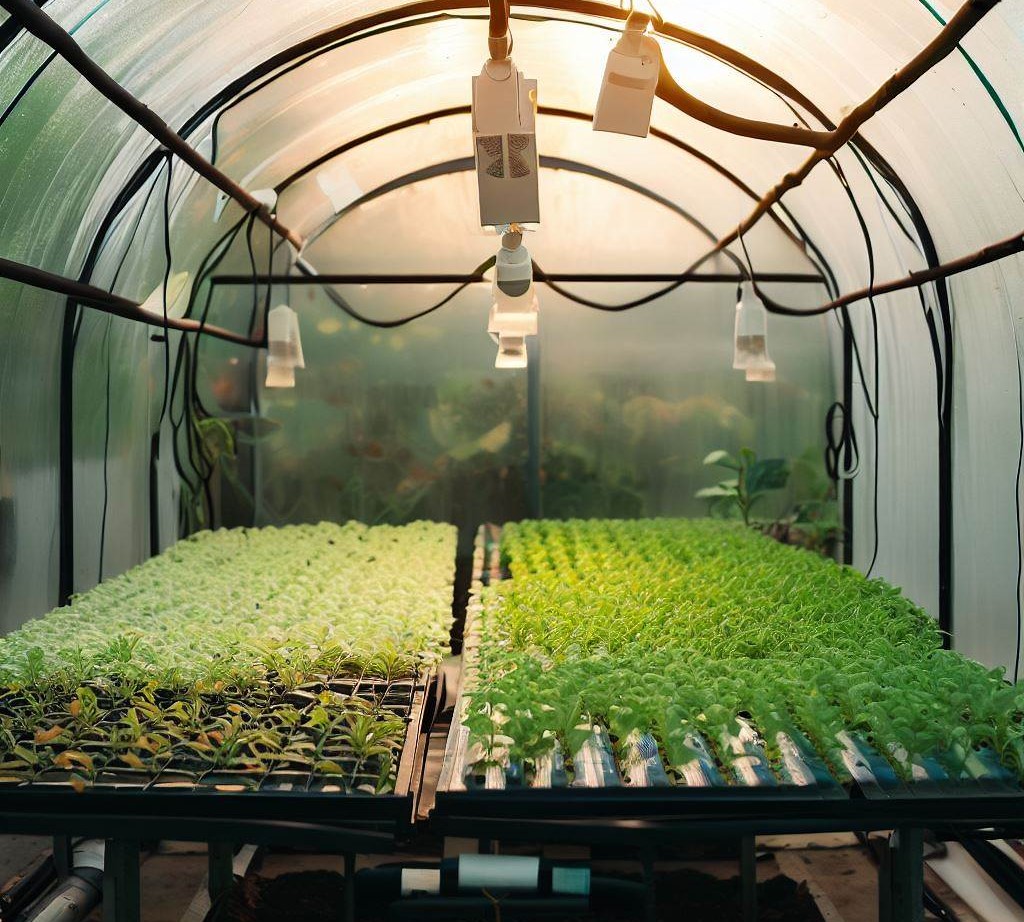
As a passionate home gardener, I have always sought ways to extend my growing season and experiment with a wider variety of plants. One crucial discovery that transformed my gardening journey was the incredible potential of greenhouse lighting systems. In this article, I will shed light on the magic of greenhouse lighting equipment, offering valuable suggestions and reasons for incorporating it into your gardening endeavors.
Introduction
If you are an avid gardener like me, you know that nurturing plants to their fullest potential requires much more than just water and soil. Light plays a vital role in a plant’s growth and development, and when it comes to harnessing the full potential of your green space, greenhouse lighting systems are a game-changer. In this article, I’ll be your gardening advisor, guiding you through the wonders of greenhouse lighting and how you can make the most of it in your home garden.
Benefits of Greenhouse Lighting Systems
Gardening enthusiasts often lament the end of the growing season, but with greenhouse lighting, that limitation is a thing of the past. These ingenious systems allow you to provide consistent light, extending the growing season and enabling you to cultivate plants year-round. Imagine enjoying fresh herbs, crisp lettuce, or vibrant flowers even during the winter months!
Moreover, greenhouse lighting opens up a world of possibilities when it comes to the variety of plants you can grow. Many plants have specific light requirements, and some, like tomatoes or exotic orchids, need more light than what the natural environment provides. With greenhouse lighting, you can cater to the unique needs of these plants, pushing their growth to the next level.
Another fascinating benefit of greenhouse lighting is the ability to control the light spectrum. By manipulating the light’s color, you can influence plant growth, flowering, and fruiting. This level of control is a boon to any dedicated gardener seeking optimal results.
Types of Greenhouse Lighting Systems
Before diving into the specifics, let’s explore the different types of greenhouse lighting systems available. There are primarily two categories: artificial lighting and natural lighting.
Artificial Lighting:
LED Lighting:
LED lights have gained immense popularity due to their energy efficiency and versatility. They emit specific light wavelengths ideal for plant growth, making them a top choice for greenhouse applications.
Fluorescent Lighting:
Affordable and readily available, fluorescent lights are suitable for small-scale gardens and seedlings. However, they may not provide enough intensity for demanding plants during their growth stages.
HID (High-Intensity Discharge) Lighting:
HID lights, such as metal halide and high-pressure sodium lights, offer high light output. They are ideal for large greenhouses and commercial operations but may generate significant heat.
Natural Lighting:
While artificial lighting can work wonders, nothing quite compares to the natural brilliance of sunlight. Depending on your location and the type of plants you grow, natural lighting can be sufficient for your greenhouse. However, certain regions and seasons may require supplemental artificial lighting to meet the plants’ needs.
Factors to Consider in Choosing Greenhouse Lighting
Selecting the right lighting system for your greenhouse involves considering several essential factors:
Light Intensity and Spectrum: Different plants have varying light requirements. Some thrive under high light intensity, while others prefer a more moderate level. Understanding the light spectrum needed for photosynthesis and growth stages is crucial. For instance, blue light promotes vegetative growth, while red light is essential for flowering and fruiting.
Greenhouse Size and Layout: The size and layout of your greenhouse will influence the number and arrangement of lights. Ensure that the lighting fixtures cover all corners of the greenhouse uniformly. Consider adjustable fixtures to accommodate the changing positions of plants during growth.
Energy Efficiency and Sustainability: While investing in high-quality lighting systems may require an initial cost, energy-efficient options will save you money in the long run. Look for ENERGY STAR-rated LED lights or other eco-friendly alternatives to minimize your environmental impact.
Placement and Mounting of Lights:
To ensure your plants receive adequate light, proper placement and mounting of lights are essential. Position the lights at an appropriate height to provide uniform light distribution across all plants. As plants grow, adjust the height of the lights accordingly to maintain the optimal distance.
For seedlings and young plants, hang the lights closer to the plants, gradually raising them as the plants grow. This way, you can avoid stunting their growth and reduce the risk of burning the foliage.
Avoid creating shadows in the greenhouse, as they can hinder light absorption and lead to uneven plant development. Consider using reflective materials on the walls or below the plants to maximize light utilization.
Automation and Light Control
As a dedicated gardener, you might not always be available to manually adjust the lighting system. To tackle this challenge, consider using automated lighting systems. Timers can help you set consistent light schedules, ensuring your plants receive the required photoperiod for their growth.
Light sensors are another valuable addition, allowing the system to adjust the intensity of artificial lights based on the available sunlight. This mimics natural light conditions and prevents overexposure.
Maintenance and Safety
To keep your greenhouse lighting system functioning optimally, regular maintenance is vital. Clean the light fixtures periodically to remove dust and debris, as dirty fixtures can reduce light output and affect plant growth.
When dealing with electrical installations, safety should always be a priority. Ensure proper grounding of all electrical components and consider using waterproof fixtures to prevent accidents in humid greenhouse conditions.
DIY Greenhouse Lighting Solutions
If you’re on a budget or enjoy DIY projects, there are several cost-effective ways to set up your greenhouse lighting system. LED strip lights, for example, can be easily installed along the shelves or on racks to provide supplementary light to plants. Additionally, repurposing old fixtures or using solar-powered lights can save you money while still achieving adequate lighting.
Special Considerations for Different Plants
Different plants have specific lighting needs, and catering to these requirements can lead to remarkable results. For instance, tomatoes benefit from long daylight exposure, while orchids require certain light spectra to initiate flowering. Understanding these needs and adjusting your lighting setup accordingly will foster healthier and more productive plants.
Maximizing Energy Efficiency
If sustainability is a concern, there are advanced techniques you can adopt to reduce energy consumption. Installing energy-efficient LED lights, using light curtains to isolate certain areas, or implementing a multi-layer growing system can all contribute to a greener and more resource-efficient greenhouse.
Common Mistakes to Avoid
As with any gardening endeavor, mistakes are bound to happen. Common errors in greenhouse lighting setups include inadequate light levels, poor light distribution, and neglecting the changing needs of plants during different growth stages. Educating yourself about these mistakes can help you avoid them and achieve better results in your greenhouse.
Real-Life Success Stories
Let me share some inspiring success stories of fellow home gardeners who have harnessed the power of greenhouse lighting to achieve remarkable results:
Sarah’s Winter Bounty:
Sarah, a passionate gardener in a cold climate, was frustrated by the short growing season. Determined to enjoy fresh produce year-round, she invested in LED grow lights for her greenhouse. The results were astounding! Sarah grew vibrant lettuce, herbs, and even strawberries during the winter months. Her friends and neighbors were amazed by the lush greenery in her greenhouse when everything else was covered in snow.
David’s Orchid Oasis:
David had a collection of exotic orchids, but they struggled to bloom and thrive in his standard indoor setting. After incorporating customized LED lights tailored to the orchids’ light requirements, his once lackluster orchids transformed into a breathtaking display of colorful blooms. David now proudly showcases his orchid oasis to fellow enthusiasts at gardening fairs.
Tips for Budget-Friendly Options
For gardeners on a tight budget, greenhouse lighting need not be an expensive affair. Here are some wallet-friendly suggestions:
Salvage and Repurpose:
Check second-hand stores or online marketplaces for used lighting fixtures that can be repurposed for your greenhouse. With some DIY skills, you can give new life to old lights.
Solar-Powered Lights:
Consider using solar-powered LED lights for supplementary lighting. They are eco-friendly and require no additional electrical wiring.
DIY Light Shelves: Create light shelves using inexpensive materials like PVC pipes and wooden planks. This allows you to maximize vertical space and efficiently use artificial lighting.
Future of Greenhouse Lighting
As technology advances, so does the field of greenhouse lighting. Researchers are constantly exploring innovative ways to improve light efficiency, optimize spectra for specific plants, and integrate lighting systems with other aspects of greenhouse management. The future may bring us even smarter, more energy-efficient lighting solutions that will further revolutionize indoor gardening.
Conclusion
Greenhouse lighting systems have truly transformed the way home gardeners approach their passion. By providing extended growing seasons, enabling the cultivation of a diverse range of plants, and offering precise control over light conditions, these systems have become indispensable for any dedicated gardener. With the right choice of lighting, proper placement, and a dash of creativity, you can unlock the full potential of your greenhouse and enjoy a thriving garden all year round.
So, whether you’re nurturing delicate orchids or growing fresh vegetables in the dead of winter, greenhouse lighting will be your trusty ally, enhancing your gardening journey in ways you never thought possible.
FAQs – Greenhouse Lighting Systems for a Home Gardener
Is natural light enough for my greenhouse plants?
Natural light can be sufficient for certain plants, especially in regions with abundant sunlight. However, for more demanding plants or during the winter months, supplemental artificial lighting may be necessary to ensure optimal growth.
Can I use regular household bulbs for my greenhouse?
Regular household bulbs are not ideal for greenhouse use, as they typically do not emit the appropriate light spectrum for plant growth. Instead, opt for specialized grow lights like LEDs or fluorescents designed for horticultural purposes.
How can I determine the right light intensity for my plants?
Each plant has specific light intensity requirements. Consult plant-specific guides or seek advice from gardening experts to determine the optimal light intensity for your plants’ growth stages.
Are there any safety precautions I should take when installing greenhouse lighting?
Yes, safety is crucial when dealing with electrical components in a greenhouse environment. Ensure proper grounding, use waterproof fixtures in humid conditions, and avoid overloading electrical circuits.
Can I use solar-powered lights for my greenhouse?
Yes, solar-powered lights can be an eco-friendly option for supplementary lighting in the greenhouse. They harness solar energy during the day and provide illumination at night, reducing your greenhouse’s overall energy consumption.
Remember, successful greenhouse lighting requires a balance of knowledge and experimentation. Don’t hesitate to adapt and fine-tune your lighting setup to meet the unique needs of your beloved plants. Happy gardening!