Greenhouse Humidity Control

Smart Greenhouse Humidity Control: Tips for Healthy, Happy Plants
| Crop | RH Range | Quick Tip |
| Tomatoes | 65–75% | Avoid rot, keep airflow up |
| Lettuce | 50–60% | Too much moisture = mildew |
| Cucumbers | 70–80% | Likes it moist, vent well |
| Herbs | 60–70% | Lower RH keeps leaves crisp |
| Peppers | 60–70% | Don’t let it swing too much |
| Strawberries | 60–75% | Watch for mold in high RH |
| Orchids | 70–85% | Thrives in tropical moisture |
Understanding What Humidity Means for Your Greenhouse
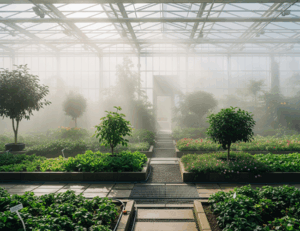
Humidity is basically water vapor floating in the air. In greenhouses, we talk about relative humidity, or RH, which tells us how full the air is with moisture at a certain temperature. Most plants like RH levels between 50% and 85%, depending on what you’re growing. Tomatoes and cucumbers thrive around 65% to 75%, leafy greens like it a bit lower—closer to 50% to 60%, and tropical plants feel most at home around 70% to 85%.
When humidity gets out of hand, it leads to disease and rot. But if it’s too dry, your plants can shrivel up and stop growing properly. Finding that sweet spot is the goal.
What Affects Humidity Inside a Greenhouse
- Temperature swings play a big role. Warm air holds more moisture, so as it heats up, the RH drops unless you add water to the air. When temperatures fall, RH can suddenly spike, which leads to condensation.
- Plants themselves contribute, too. They release moisture through a process called transpiration. So, the more plants you have—and the more densely packed they are—the more humidity you’ll deal with.
- Watering methods can also throw off humidity. Overhead watering and puddles on the floor will release extra moisture into the air, especially if things aren’t drying out fast enough.
- Air circulation and ventilation are your best friends. Without them, water vapor just sits there, and that leads to all sorts of problems.
- Outside conditions matter as well. If the weather is humid, your greenhouse will follow suit. Cold, rainy days are also prime time for indoor condensation.
Why You Really Need to Keep Humidity in Check
- Mold and mildew risk: When RH stays too high, you’re basically inviting gray mold (Botrytis), powdery mildew, and other nasty stuff to move in.
- Healthier plants: Keeping RH balanced helps your plants stay strong and productive. It lets them breathe, absorb nutrients, and keep photosynthesis humming along.
- Better harvests: Balanced humidity means bigger yields and better-looking produce—especially important if you’re selling what you grow.
- Lower energy costs: When you avoid excess moisture and condensation, your heating and maintenance bills don’t climb so high.
How to Take Control of Humidity in Your Greenhouse
- Keep air moving with ventilation: If you’re using natural ventilation, think about adding roof vents or side panels. Let hot, moist air rise and escape naturally. This works great when outside air conditions are cooler and drier than what’s inside.
- For mechanical ventilation, invest in exhaust and circulation fans. They help create a steady airflow, keeping humidity levels in check.
- Automation makes it even easier. Hook up sensors to fans and let the system adjust on its own based on real-time conditions. It’s efficient and hands-free once you set it up.
- Add heat or dehumidifiers when needed: During colder months, heating your greenhouse not only keeps your plants warm—it also lowers RH. That’s because warmer air can hold more water, so heating it up helps dry things out.
- Dehumidifiers are a lifesaver if you’re in a very humid region or dealing with sealed greenhouses where ventilation just isn’t enough. They pull water straight out of the air and help you maintain balance.
Pro tip: Put heaters near doors or lower wall areas where cold air tends to sneak in. That’ll help stop condensation before it starts.
- Watch your watering habits: How and when you water makes a big difference in humidity levels.
- Bottom watering is a great way to give plants what they need without adding extra moisture to the air. Drip systems, mats, or even simple trays all work well.
- Try to water in the morning. That gives everything a chance to dry out before RH naturally rises later in the day. Avoid watering late in the day or right before it gets dark—wet surfaces at night are asking for mold problems.
- Make sure your greenhouse has good drainage, too. Standing water is just excess humidity waiting to happen.
- Use misting and fogging the smart way: Sometimes, especially in dry regions or during hot spells, you’ll need to raise the humidity.
- That’s where misting systems come in. They add moisture to the air but need to be carefully timed. If you overdo it, you’ll create more problems than you solve.
- Fogging systems offer a more even distribution without soaking plant leaves. These are great when connected to climate sensors that tell them exactly when to kick in.
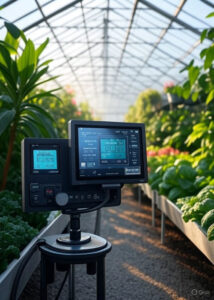
- Keep track with monitoring tools: You can’t control what you can’t see. That’s why monitoring your RH levels is so important.
- Start with a few basic hygrometers—cheap, easy to place, and useful for spotting problem spots. You’ll want to check different areas of your greenhouse, including high and low spaces.
- If you’re serious about getting precision, smart sensors are the way to go. They not only read RH and temperature but can also connect to your ventilation, heating, and irrigation systems to make automatic adjustments.
- Recording the data over time also helps you spot trends and prepare for seasonal shifts.
Everyday Tips for Keeping Humidity Balanced
- Check RH levels every day. This is especially important during season changes, since RH can change quickly.
- Keep things clean. Wipe down surfaces, sweep up debris, and don’t let algae or mold take hold.
- Avoid overcrowding plants. Give them room to breathe so air can circulate and RH doesn’t build up around dense foliage.
- Seal leaks and drafts. Cold, humid air from outside can mess with your setup, so keep everything tight and insulated.
Watch Out for These Common Mistakes
- Overwatering without ventilation is one of the biggest issues. If you’re adding water to your plants but not letting the air dry it up, you’re in trouble.
- Ignoring microclimates can lead to problems too. Areas near walls or in the shade can trap more moisture, so check your entire space regularly.
- Relying only on misting or fogging isn’t a complete strategy. These tools are helpful but should be part of a larger system that includes airflow, monitoring, and smart watering.
Wrapping It All Up
Humidity control might not be the most glamorous part of greenhouse growing, but it’s definitely one of the most important. Keeping the right balance keeps your plants strong, reduces your chances of dealing with rot or disease, and helps your entire operation run smoother.
With good ventilation, strategic watering, proper heating, and the right monitoring tools, you can keep things in balance without breaking a sweat. Your plants will thank you—and your harvest will show it.
💡 Key Takeaway
Managing greenhouse humidity takes a little effort and a lot of awareness. With the right airflow, heating, watering schedule, and monitoring tools, you can keep your plants healthy and your yields high—all year round.
FAQs: Greenhouse Humidity Management
Q1. Is it better to vent a greenhouse at night to control humidity?
In most cases, keep vents closed at night to conserve heat, but monitor humidity levels.
Heat retention: Closing vents helps maintain warmth, which is crucial for plant health overnight.
High humidity: If you notice condensation or excessively high humidity, introduce a bit of nighttime airflow—either by slightly opening vents or using low-speed fans.
Best practice: Use fans to gently circulate air and prevent moisture buildup without significant heat loss.
Q2. Can using shade cloth affect greenhouse humidity?
Yes, shade cloth can impact humidity by lowering internal temperatures.
Temperature effect: Since shade cloth reduces sunlight and heat in a greenhouse, it can also raise the relative humidity if you don’t adjust your ventilation.
Pair with airflow: Always combine shade cloth with adequate ventilation or fans to prevent humidity from rising too high.
Tip: Monitor both temperature and humidity when using shade cloth, and adjust airflow as needed.
Q3. Do mulch or ground covers impact greenhouse moisture?
Definitely—mulch and ground covers influence soil and air moisture levels.
Evaporation: In dry environments, mulch is beneficial because it retains soil moisture by limiting evaporation.
Surface moisture: In humid climates, mulch can trap moisture near the soil surface, potentially raising relative humidity.
Observation: Use mulch carefully in high-humidity settings and regularly check relative humidity (RH) to avoid excess moisture buildup.
Q4. Should I use a humidifier in a greenhouse?
Only use a humidifier in dry climates or during particularly dry periods.
When to use: If your greenhouse’s RH is consistently low and plants show signs of stress (wilting, dry tips), a humidifier or fogger can help.
Risks: Using humidifiers too much can overly increase humidity, raising the risk of mold and fungal diseases.
Balance: Always monitor RH and adjust humidification to maintain optimal plant health.
Q5. Can humidity control reduce pest problems?
Yes, stable humidity levels help prevent many common greenhouse pests.
Pest preferences: Many pests, such as spider mites and fungus gnats, thrive in specific humidity ranges.
Prevention: Keeping RH within an optimal range for your crops makes the environment less favorable for these pests.
Integrated approach: Combine humidity management with good sanitation and monitoring for best pest control results.