Greenhouse Heating Systems for a Home Gardener
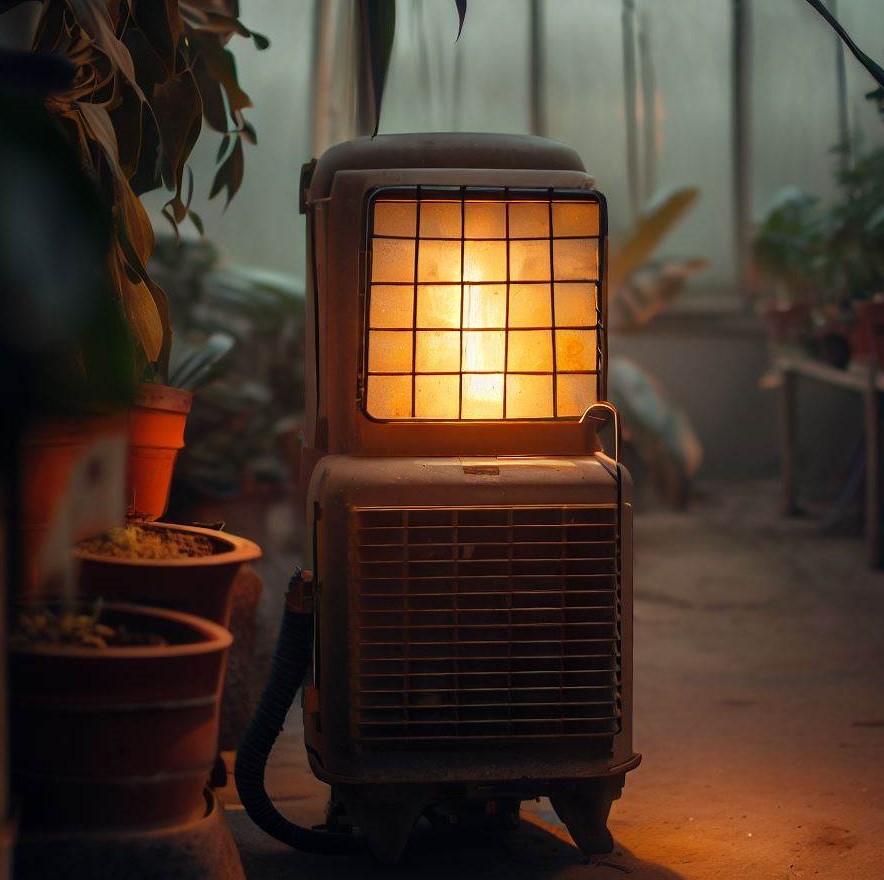
As an avid home gardener, I have come to realize that one of the most crucial aspects of successful greenhouse gardening is maintaining a consistent and suitable environment for plants to thrive. While sunlight is essential, there are times when external weather conditions can pose challenges, especially during colder months or in regions with harsh winters. This is where greenhouse heating systems play a vital role in creating a controlled and nurturing atmosphere for your beloved plants. In this article, I will delve into the world of greenhouse heating equipment, offering valuable insights and practical suggestions to help you choose the most suitable system for your gardening needs.
Types of Greenhouse Heating Systems
When it comes to greenhouse heating, there are various options available in the market, each with its unique features and benefits. Let’s explore some common types:
Electric Heaters
Electric heaters are a popular choice for smaller greenhouses due to their ease of use and cost-effectiveness. They are easy to install and offer precise temperature control, making them suitable for sensitive plants that require stable conditions.
Propane Heaters
Propane heaters are an excellent choice for larger greenhouses as they provide a significant amount of heat. They offer versatility and are ideal for areas with limited access to electricity.
Natural Gas Heaters
Similar to propane heaters, natural gas heaters are powerful and suitable for larger greenhouses. They are a reliable option for gardeners with access to a natural gas supply.
Wood-Burning Stoves
For those seeking a rustic and sustainable approach, wood-burning stoves can be a viable option. They require a steady supply of wood but can provide ample warmth for greenhouses.
Geothermal Heating Systems
Geothermal heating utilizes the earth’s stable temperature to regulate the greenhouse climate. Although installation costs can be higher, they offer long-term energy efficiency.
Advantages of Greenhouse Heating Systems
Investing in a reliable greenhouse heating system offers several advantages that contribute to the success of your gardening endeavors:
Extended Growing Season
Greenhouse heating systems enable you to extend the growing season beyond the natural limitations of your climate. With proper heating, you can start planting early in the spring and continue harvesting well into the fall.
Protection from Frost and Cold Snaps
Sudden drops in temperature and unexpected frost can be detrimental to your plants. A greenhouse heating system provides a protective barrier, shielding your plants from extreme cold and temperature fluctuations.
Optimal Plant Growth Conditions
Consistent and controlled temperatures create an ideal environment for your plants to flourish. Whether you are growing delicate flowers or nurturing fruit-bearing trees, a greenhouse heating system ensures optimal growth conditions year-round.
Factors to Consider When Choosing a Greenhouse Heating System
Selecting the right heating system for your greenhouse requires thoughtful consideration of various factors:
Greenhouse Size and Design
The size and design of your greenhouse will influence the heating system you choose. Smaller structures may be adequately served by electric heaters, while larger or uniquely shaped greenhouses might benefit from more robust options like propane or natural gas heaters.
Heating Capacity
Consider the heating capacity of the system you intend to purchase. It should be capable of maintaining the desired temperature inside the greenhouse, even during the coldest days of winter.
Energy Efficiency
Energy efficiency is a crucial aspect of any heating system. Opt for models that are designed to conserve energy, helping you reduce overall operating costs while minimizing your environmental impact.
Maintenance and Operating Costs
Evaluate the maintenance requirements and operating costs associated with each type of heating system. Choose one that fits your budget and doesn’t demand extensive upkeep.
Best Practices for Using Greenhouse Heating Systems
To make the most of your greenhouse heating system, follow these best practices:
Proper Ventilation
While heating is essential, proper ventilation ensures a healthy and thriving greenhouse environment. It prevents excess humidity and allows fresh air to circulate, reducing the risk of diseases and mold.
Temperature Control
Maintaining precise temperature control is vital for the well-being of your plants. Invest in a reliable thermostat to monitor and adjust the temperature as needed.
Insulation
Good insulation helps retain heat within the greenhouse, reducing energy wastage and promoting a stable environment for your plants.
Thermostat Management
A programmable thermostat allows you to create temperature schedules, ensuring that your plants receive the ideal conditions at different stages of growth.
Alternative Heating Methods
Apart from conventional heating systems, there are some innovative and eco-friendly approaches to consider:
Solar Heating
Solar heating harnesses the power of the sun to warm your greenhouse naturally. It is an environmentally friendly option that can significantly reduce your energy costs.
Composting Heating
Composting generates heat as organic matter decomposes. Utilizing this heat in your greenhouse can be an efficient way to maintain a steady temperature.
Heat Mats and Cables
Heat mats and cables are excellent for localized heating. They are often used to provide bottom heat for seedlings and cuttings.
DIY Greenhouse Heating Solutions
For gardeners who enjoy a hands-on approach, there are some do-it-yourself heating solutions to explore:
Homemade Solar Heaters
Crafting your solar heaters from recycled materials can be an enjoyable and rewarding project. These heaters work best for smaller greenhouses.
Insulating Techniques
Implementing various insulation techniques, such as using bubble wrap or thermal blankets, can help retain heat and maintain a cozy atmosphere for your plants.
Preparing Your Greenhouse for Winter
Before the winter sets in, take the following steps to ensure your greenhouse and heating system are winter-ready:
Cleaning and Maintenance
Perform a thorough cleaning of your greenhouse to remove debris and pathogens that could thrive in the warm and humid environment during winter.
Winterizing Tips
Inspect and weatherize the structure to prevent cold air drafts and leaks. Additionally, check for any damaged or worn-out components in your heating system and have them repaired or replaced.
Troubleshooting Common Issues
Despite your best efforts, you may encounter some common issues with your greenhouse heating system:
Uneven Heating
Uneven heating can lead to temperature disparities within the greenhouse, affecting plant growth. Consider using fans to help distribute warm air more evenly.
High Humidity
High humidity levels can promote fungal growth and other plant diseases. Proper ventilation and the use of dehumidifiers can help maintain an optimal humidity level.
Heating System Failure
Always have a backup plan in case of a heating system failure. Whether it’s an alternative heating method or an emergency heating source, being prepared is essential.
Choosing the Right Greenhouse Heating System for Your Needs
With a plethora of options available, the key to choosing the right greenhouse heating system lies in understanding your unique requirements. Consider factors like the size of your greenhouse, your budget, and your commitment to eco-friendly practices. Take your time to research and seek advice from experienced gardeners or greenhouse experts to make an informed decision.
Conclusion
Greenhouse heating systems are indispensable tools for any serious home gardener looking to take their passion to the next level. By investing in the right heating system, you can create an environment where your plants can flourish regardless of the external weather conditions. Remember to assess your greenhouse’s specific needs and explore alternative heating methods for a more sustainable approach. With proper preparation and care, your greenhouse can become a haven of thriving vegetation throughout the year.
FAQs: Greenhouse Heating Systems
Q1. Can I use an electric heater to heat a larger greenhouse?
Electric heaters are best suited for small to medium-sized greenhouses.
-
- Small & medium greenhouses: Electric heaters are popular for their ease of use and simple installation in spaces up to a few hundred square feet.
- Larger greenhouses: For bigger structures, propane or natural gas heaters are more practical due to their higher output and efficiency at heating large volumes of air.
- Considerations: Electricity can be expensive for continuous large-scale heating, so evaluate your greenhouse size, climate, and budget before deciding.
Q2. Are geothermal heating systems expensive to install?
Geothermal heating involves a higher upfront cost, but provides long-term savings and efficiency.
-
- Upfront investment: Installing a geothermal system (ground-source heat pumps or underground pipes) typically costs more than traditional methods due to excavation and specialized equipment.
- Long-term benefits: Geothermal heating is highly energy-efficient, resulting in lower utility bills which will reduced environmental impact over time.
- Who benefits most: Ideal for growers who plan to use their greenhouse year-round or want a sustainable, long-term solution.
Q3. Can I rely solely on solar heating for my greenhouse?
Solar heating is helpful, but often needs to be paired with a backup system.
-
- Daytime performance: Passive solar methods (like thermal mass, water barrels, or south-facing glazing) work well during sunny days and mild climates.
- Limitations: Extended periods of cloud cover or very cold weather can reduce effectiveness, risking plant damage.
- Best practice: Use solar heating as your main source during spring/fall and supplement with backup heaters (electric, propane, or wood) during extreme cold snaps.
Q4. Are DIY heating solutions as effective as commercial systems?
DIY heating can be effective for small-scale or hobby greenhouses, but commercial systems excel in larger, more demanding setups.
-
- DIY options: Solutions like compost heat, thermal mass, or homemade rocket stoves provide affordable, hands-on heat for limited spaces.
- Commercial systems: Purpose-built units (gas/propane heaters, hot water radiant systems) are engineered for consistent output and safety in large operations.
- Choosing the right fit: Match your solution to greenhouse size, crop value, and how much time you can commit to monitoring and maintaining the system.
Q5. How often should I inspect and maintain my greenhouse heating system?
Perform maintenance at least once a year, ideally before winter begins.
-
- Annual inspection: Check for wear, leaks, blocked vents, faulty thermostats, and clean all components thoroughly.
- Seasonal checks: In colder climates, a quick mid-winter check ensures everything is running safely during peak use.
- Why it matters: Regular upkeep improves efficiency, extends equipment life, and reduces the risk of sudden breakdowns when you need heat most.