Sawtooth Greenhouse
Sawtooth Greenhouse 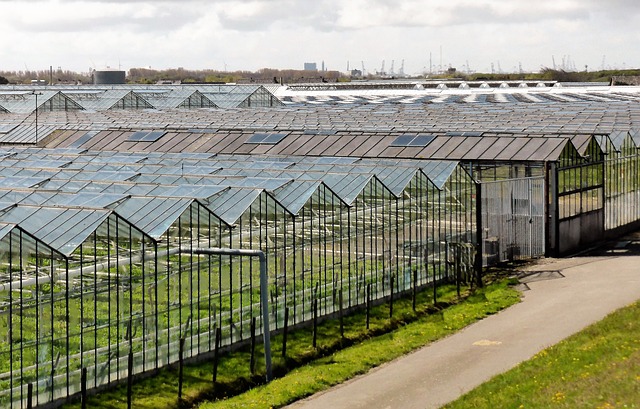
Why Sawtooth Greenhouses Are a Game-Changer for Growers
| Greenhouse Type | Ventilation | Energy Use | Best For | Expandability |
| Sawtooth | Excellent (natural) | Very low | Hot climates, commercial growing | Easy |
| Gable | Moderate | Medium | Mild zones, small-scale farms | Moderate |
| Hoop/Tunnel | Fair | Higher | Budget setups, quick builds | Limited |
| Dome | Moderate | High | Niche use, visual appeal | Hard |
What Is a Sawtooth Greenhouse?
- Definition: A sawtooth greenhouse gets its name from the sharp, jagged shape of its roof—like the teeth of a saw. This design isn’t just for looks. Those vertical roof segments actually work to move hot air out and pull cool air in, giving you a natural ventilation system that’s way more efficient than traditional setups.
- Comparison: You’ll find this type of greenhouse really stands out compared to others like the gable, hoop, or dome styles. Thanks to its shape and ventilation capabilities, it gives you better control over the internal climate with less effort and fewer tools.
What Makes the Design So Effective
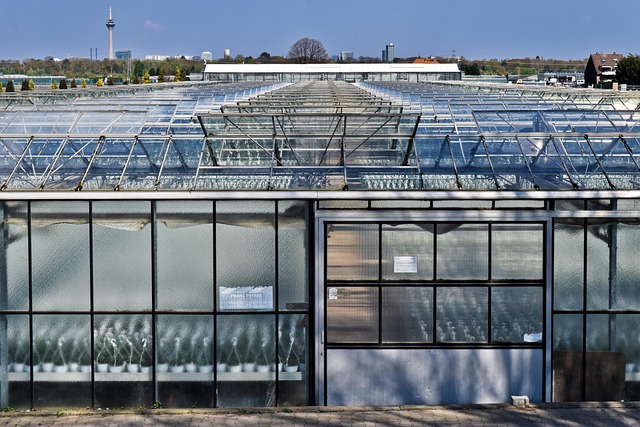
- Natural ventilation: As hot air rises, it escapes through the vertical sections of the roof while cooler air comes in from the sides. This keeps the interior cool and comfortable without using expensive mechanical fans.
- Durability: The frame is usually made of galvanized steel, which means it’s built to last and can handle tough weather.
- Light penetration: The transparent cladding—typically polyethylene film, glass, or polycarbonate—lets in plenty of sunlight, which is crucial for healthy plant growth.
- Rainwater collection: The roof design also makes rainwater harvesting easy. That water can then be stored and used to irrigate your crops.
- Customization: Whether you need a small space or a massive multi-bay greenhouse, sawtooth structures can be built to match your exact needs. Orientation is also key—ideally, the roof should face the wind to make the most of natural airflow.
Why Growers Love the Sawtooth Setup
- Climate control: Since the design promotes natural airflow, the internal climate stays relatively stable without relying on heaters or air conditioning. This means your plants are less likely to suffer from temperature swings.
- Energy savings: You’ll save on energy bills because you won’t be running mechanical systems all day long.
- Better growth: Because airflow and light are evenly distributed, your plants will have a consistent environment to thrive in, leading to better yields and healthier produce.
- Fewer pests and diseases: Proper ventilation helps control humidity levels, which can otherwise cause diseases and attract unwanted bugs.
- Scalability: Their modular design means you can add on more space without starting from scratch.
Where They Work Best
- Climate suitability: Sawtooth greenhouses are versatile, but they really shine in warm, humid regions. Their natural cooling system is perfect for handling temperature spikes and sticky conditions.
Crop compatibility:
- Tomatoes, peppers, and cucumbers
- Leafy greens and herbs
- Flowers and ornamentals
- Tech-ready: If you’re into hydroponics or aquaponics, the climate control in these greenhouses can help keep everything running smoothly.
- Educational use: Because of the visibility and environmental consistency, sawtooth greenhouses are also great for research and educational purposes.
Getting It Set Up the Right Way
- Orientation: You want the open part of the roof facing the prevailing wind to make the most of natural airflow. A north-south alignment ensures that light gets evenly spread out during the day.
- Foundation: A solid foundation—like concrete—is recommended, especially if you’re dealing with heavy winds or rain. The roof slope and drainage should be adjusted to your local weather too.
- Irrigation setup: If you’re going to install a drip or misting system, it’s best to do it during the build.
Common issues to avoid:
- Improper vent positioning can reduce natural ventilation
- Leaks or drafts caused by poorly sealed joints
Pro tip: Working with experienced greenhouse builders helps ensure your setup is solid from day one.
Keeping It in Top Shape
- Routine checks: Each week or so, take a walk through and check for debris on the vents, loose bolts, or anything that might block airflow. Cleaning the roof panels regularly will keep sunlight coming in strong.
Seasonal care:
- Recheck waterproofing before the rainy season
- Clear out rainwater tanks
- Make sure auto systems like vents or fans are working properly
- Longevity: If you keep up with maintenance, your greenhouse could last anywhere from 15 to 25 years, depending on the materials you’ve used.
How It Stacks Up Against Other Greenhouses
- Gable greenhouses: Sawtooth models offer better ventilation, though both perform similarly when it comes to lighting.
- Hoop greenhouses: Hoop structures might cost less upfront, but don’t last as long and offer limited control over the internal environment.
- Dome greenhouses: Domes are nice to look at, but sawtooth greenhouses are more practical for serious growing, especially when space and efficiency matter.
Should You Go With a Sawtooth Greenhouse?
- Climate factor: If you live in a warm or humid area, this setup will naturally handle your airflow and cooling needs.
- Crops and goals: For temperature-sensitive crops or year-round production, the sawtooth design delivers consistent performance.
- Budget: While the initial investment might be higher, you’ll save on energy and maintenance in the long run.
- Room to grow: Planning to expand? This design lets you add more space easily without major renovations.
Conclusion
Sawtooth greenhouses offer a smart, efficient, and scalable solution for today’s growers. They’re built for performance, designed to save you money, and perfect for producing healthy, high-quality crops. Whether you’re growing veggies, flowers, or experimenting with new tech like hydroponics, this structure gives you the tools to succeed. It’s not just a greenhouse—it’s a long-term solution for better farming.
🔑 Key Takeaway
Sawtooth greenhouses offer excellent natural ventilation, lower energy costs, and ideal growing conditions—making them a favorite among serious growers.
Frequently Asked Questions (FAQs): Sawtooth Greenhouses
Can I add automation systems to a sawtooth greenhouse?
Absolutely.
Many growers choose to install automation systems in sawtooth greenhouses to make growing easier and more efficient.
- Automated vents help regulate temperature by opening and closing as needed.
- Climate sensors can monitor humidity, temperature, and light, giving you real-time data to optimize conditions.
- Automated irrigation systems deliver the perfect amount of water to your plants—no manual work required.
Is it okay to build one in snowy areas?
Yes, but you’ll need to make a few adjustments.
Sawtooth greenhouses can be built in snowy regions, but it’s important to:
- Adjust the roof pitch to a steeper angle so snow slides off more easily and doesn’t accumulate.
- Reinforce the frame to handle the extra weight from heavy snow. Stronger materials or additional supports may be needed.
- Regular maintenance is helpful to remove excess snow during major storms, ensuring your structure stays safe and sound.
Can I set up a sawtooth greenhouse on a rooftop?
Generally, sawtooth greenhouses aren’t the best fit for rooftops.
- Their larger size and heavier structure can be too much for most rooftop spaces.
- Rooftops are more exposed to wind, that can be a challenge for the sawtooth design.
- Better alternatives: Smaller greenhouse types, like lean-tos or compact freestanding models, are usually a better choice for rooftop gardening.
What does it typically cost per square foot?
Commercial sawtooth greenhouses usually cost between $15 and $35 per square foot.
The price depends on:
- Materials: Polyethylene is more affordable, while glass or polycarbonate is more expensive.
- Design: The complexity of the greenhouse, including automation and climate control, can increase the cost.
- Size: Larger builds may benefit from bulk savings, but custom features can add to the price.
Do I need heating in the winter months?
It depends on your climate.
- Mild climates: You may not need additional heating, especially if your greenhouse is well-insulated and uses passive solar design.
- Colder climates: Some heating is usually necessary to keep plants healthy and growing during winter. Options include electric, gas, or solar heating systems.
- Extra insulation and thermal mass (like water barrels) can help reduce heating needs, but may not eliminate them in very cold areas.
Recommended Reading
Smart Greenhouse Humidity Control: Tips for Healthy, Happy Plants Crop RH Range Quick Tip Tomatoes 65–75% Avoid rot, keep airflow up Lettuce 50–60% Too much moisture = mildew Cucumbers 70–80% Likes it moist, vent well Herbs 60–70% Lower RH keeps leaves crisp Peppers 60–70% Don’t let it swing too much Strawberries 60–75% Watch for mold … Continue reading “Greenhouse Humidity Control”
Greenhouse Watering System Parts
Greenhouse Watering System Parts Main Components of an Efficient Greenhouse Watering System An efficient greenhouse watering system consists of several key components that ensure uniform, reliable, and resource-conscious irrigation. The main components are: Water Supply: The primary source of water can be a municipal supply, a well, or a storage tank. An intermediate storage … Continue reading “Greenhouse Watering System Parts”
Greenhouse Watering System Smart Greenhouse Watering Solutions That Actually Work System Best For Pros Cons Drip Beds, rows, containers Precise, water-saving Needs setup, can clog Capillary Mats Seedlings, small pots Even moisture, no wet leaves Not for big plants, clean often Soaker Hose Rows, garden beds Easy to use, covers a lot Not super precise, … Continue reading “Greenhouse Watering System”
Best Victorian Greenhouses for Your Backyard
Introduction Best Victorian Greenhouses for Your Backyard. Victorian greenhouses are renowned for their timeless beauty and unmatched charm. These structures, popular during the Victorian era, continue to captivate gardening enthusiasts with their intricate designs and elegant features. If you’re considering adding a greenhouse to your backyard, a Victorian-style structure could be the perfect choice. In … Continue reading “Best Victorian Greenhouses for Your Backyard”