Why is Soil Health Important
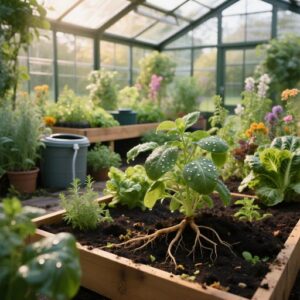
Why is Soil Health Important for Greenhouse Gardeners
Why is Soil Health Important? In the unique, controlled environment of a greenhouse, soil isn’t just dirt—it’s the living foundation for plant success. Unlike outdoor gardens where natural processes often regenerate soil, greenhouse plants are entirely reliant on the ecosystem you create and maintain. Healthy greenhouse soil impacts nutrient uptake, disease resistance, water efficiency, and overall plant vigor—making it the most critical factor for vibrant growth and sustainable yields.
The Hidden Powerhouse Beneath Your Plants
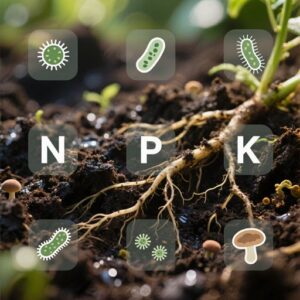
When you admire your flourishing greenhouse, it’s easy to focus on the lush leaves and ripening produce. But the real magic lies below—in your soil. Far from being inert dirt, it’s a complex, living ecosystem that fuels plant life.
Why soil is your plant’s ultimate support system:
- Nutrient Central: Stores and delivers essential nutrients.
- Water Management Maestro: Retains needed moisture while preventing waterlogging.
- Root Anchor: Provides stability and a platform for root exploration.
- Microbial Metropolis: Teems with beneficial bacteria and fungi that aid nutrient cycling and disease resistance.
- Temperature Buffer: Protects roots from extreme temperature swings.
Why Soil Health is More Crucial in Greenhouses
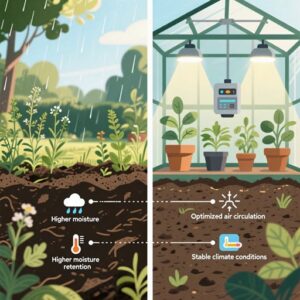
Unlike outdoor gardens, greenhouses are closed systems. That means:
- Intensified Growing: Year-round planting demands constant nutrient replenishment.
- Closed-System Challenge: No natural rain to flush salts or aerate soil.
- You Are the Ecosystem Manager: All inputs come from you.
- Magnified Problems & Solutions: Small issues escalate quickly—but healthy soil magnifies benefits too.
💡 Pro Tip: In a greenhouse, you’re not just planting—you’re managing an ecosystem from the ground up.
Fueling Growth: How Healthy Soil Boosts Plant Performance
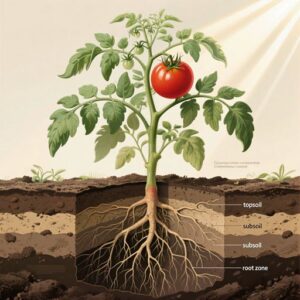
Healthy soil directly translates into:
- Nutrient Delivery on Demand
- Stronger, Deeper Root Systems
- Reduced Stress = More Energy for Growth
- Better Produce Quality & Resilience
Your Plants’ Best Defense: Soil-Driven Disease Resistance

Healthy soil acts as a natural disease shield:
- The Microbial Militia: Beneficial organisms outcompete pathogens, produce natural antibiotics, and trigger plant immune responses.
- Fortified Plant Defenses: Strong, well-fed plants resist infections better.
- Physical Barriers: Proper soil structure prevents root rot.
- Stress Reduction: Less stress = stronger immunity.
Soil Health Element → Benefit
| Element | Role in Disease Resistance |
|---|---|
| Organic Matter | Feeds beneficial microbes, improves structure, prevents waterlogging. |
| Microbial Diversity | Crowds out pathogens, triggers plant defenses. |
| Good Drainage | Avoids anaerobic, pathogen-friendly conditions. |
The Six Pillars of Healthy Greenhouse Soil
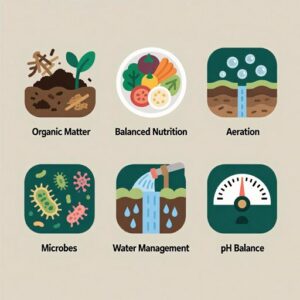
- Organic Matter: Compost, mulch, cover crops.
- Balanced Nutrition: Soil testing + slow-release organic fertilizers.
- Optimal Aeration & Drainage: Prevent compaction, use raised beds or quality potting mixes.
- Thriving Microbial Life: Feed microbes, avoid harsh chemicals, use compost teas.
- Consistent Water Management: Deep, infrequent watering with efficient irrigation.
- pH Balance: Maintain 6.0–7.0 for nutrient availability.
Practical Steps for Thriving Greenhouse Soil
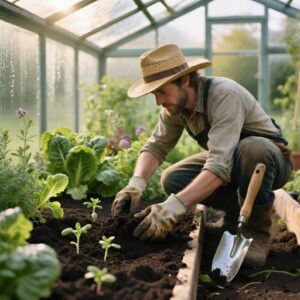
- Soil Test First – Know your starting point.
- Add Organic Matter Regularly – Compost + mulch.
- Water Smart – Deep, infrequent watering; ensure good drainage.
- Protect Microbes – Avoid harsh chemicals, minimize disturbance.
- Rotate Crops – Prevent disease build-up, balance nutrients.
- Observe & Adapt – Watch plant health, smell soil, monitor changes.
Sustainable Success: Long-Term Benefits
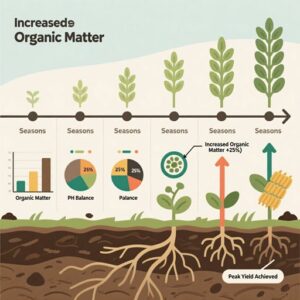
Healthy soil gives you:
- Reduced fertilizer & pesticide costs.
- Consistent, high-quality yields.
- Greater resilience to stress.
- A sustainable, low-maintenance system.
- Long-term fertility without soil replacement.
Mastering Soil Health for Greenhouse Success
- Unlock the secrets to thriving plants and bountiful harvests.
- Discover how healthy soil contributes to higher yields and stronger plants.
- Learn essential soil health practices for optimal greenhouse gardening.
- Understand the importance of soil health in creating a sustainable gardening system.
- Protect your greenhouse plants from diseases and pests through improved soil health.
Frequently Asked Questions: Greenhouse Soil Care
Q1: How often should I test my greenhouse soil?
-
Ideally, test your soil at the start of each growing season, and then periodically throughout the year—especially if you notice problems like yellowing leaves or stunted growth. Regular testing lets you track changes in nutrient levels and pH, ensuring your soil stays balanced and supports healthy plants.
Q2: What are the best ways to improve drainage in my greenhouse soil?
-
Improve drainage by mixing in organic matter such as compost or peat moss, which loosens soil and increases air flow. Setting up raised beds also helps water move more freely. When growing in containers, choose a high-quality, well-draining potting mix to prevent soggy roots.
Q3: Can I reuse soil in my greenhouse?
-
Yes, but always refresh it by adding new compost and organic material. If you’ve had issues with disease or pests, sterilize the soil before reuse to protect your plants. Soil testing each time will help you target any nutrients that need to be replenished.
Q4: Why is organic matter so important for greenhouse soil health?
-
Organic matter feeds beneficial soil microbes, improves the soil’s structure, and helps it hold onto moisture without becoming waterlogged. It’s essential for building a stable, healthy soil ecosystem and is the foundation of productive, resilient plants.
Healthy greenhouse soil starts with regular care—test often, improve drainage, recycle responsibly, and always prioritize rich, organic amendments!
Recommended Reading
Smart Greenhouse Humidity Control: Tips for Healthy, Happy Plants Crop RH Range Quick Tip Tomatoes 65–75% Avoid rot, keep airflow up Lettuce 50–60% Too much moisture = mildew Cucumbers 70–80% Likes it moist, vent well Herbs 60–70% Lower RH keeps leaves crisp Peppers 60–70% Don’t let it swing too much Strawberries 60–75% Watch for mold … Continue reading “Greenhouse Humidity Control”
Greenhouse Watering System Parts
Greenhouse Watering System Parts Main Components of an Efficient Greenhouse Watering System An efficient greenhouse watering system consists of several key components that ensure uniform, reliable, and resource-conscious irrigation. The main components are: Water Supply: The primary source of water can be a municipal supply, a well, or a storage tank. An intermediate storage … Continue reading “Greenhouse Watering System Parts”
Greenhouse Watering System Smart Greenhouse Watering Solutions That Actually Work System Best For Pros Cons Drip Beds, rows, containers Precise, water-saving Needs setup, can clog Capillary Mats Seedlings, small pots Even moisture, no wet leaves Not for big plants, clean often Soaker Hose Rows, garden beds Easy to use, covers a lot Not super precise, … Continue reading “Greenhouse Watering System”
Best Victorian Greenhouses for Your Backyard
Introduction Best Victorian Greenhouses for Your Backyard. Victorian greenhouses are renowned for their timeless beauty and unmatched charm. These structures, popular during the Victorian era, continue to captivate gardening enthusiasts with their intricate designs and elegant features. If you’re considering adding a greenhouse to your backyard, a Victorian-style structure could be the perfect choice. In … Continue reading “Best Victorian Greenhouses for Your Backyard”
Closing Thought
By making soil health your priority, you create a resilient, self-sustaining greenhouse ecosystem. The plants above the surface will always reflect the care you’ve invested below.