Knowledge
Knowledge
Maximizing Sunlight
Maximizing Sunlight
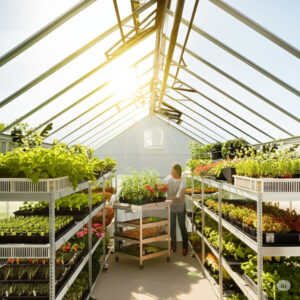
Sunlight Secrets: How to Maximize Natural Light in Your Greenhouse for Lush Growth
| Material | Light | Durability | Upkeep | Best For |
| Glass | High | Strong | Frequent | Clear views, long-term use |
| Polycarbonate | Good | Very strong | Low | Even light, low maintenance |
| Polyethylene | Okay | Short-term | Often | Budget setups, quick fixes |
Know What Your Plants Need
- Sunlight requirements vary: Most garden favorites like tomatoes, cucumbers, and peppers thrive with at least six hours of full sun a day. Many actually prefer eight to ten hours.
- Low-light options: Leafy greens like spinach or lettuce can handle less sun. That means you can mix things up in your greenhouse setup.
- Seasonal shifts matter: Sunlight changes throughout the year. Understand these shifts to plan your zones and avoid weak or uneven growth.
Pick the Right Spot for Sunlight
- Avoid shady locations: Place your greenhouse away from tall trees, buildings, or anything that could block the sun—especially in winter when the sun is low.
Orientation tips:
- East-west orientation works best for colder regions to catch more winter sun.
- North-south orientation is better for hot climates to reduce midday heat. Maximizing Sunlight
- Use a sun tracking app: Apps like Sun Seeker can show you exactly how light travels across your yard throughout the day. That helps you pick the ideal spot.
Design Your Greenhouse to Work with the Sun
- Choose the right shape: Curved or Quonset-style greenhouses allow better light diffusion compared to gabled roofs. They work great in winter when the sun is at a lower angle.
Pick the right material:
- Glass gives clarity but needs frequent cleaning. Maximizing Sunlight
- Polycarbonate diffuses light and holds in warmth better.
- Polyethylene film is flexible and budget-friendly for seasonal use.
- Roof and wall angles: Go for a roof pitch between 30–45 degrees to catch winter sun. In colder climates, slanted walls bring in more light than vertical ones.
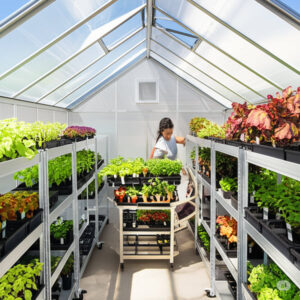
Arrange the Inside for the Best Light
- Taller plants go north: Place your tallest crops on the north side so they don’t shade the smaller ones.
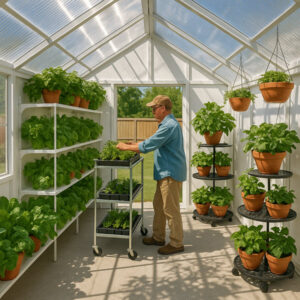
- Stagger your shelves: Use staggered multi-level shelves to make sure each layer of plants gets enough light.
- Add reflective surfaces: White walls, reflective foil, and even bright-colored ground covers can help bounce light into darker corners.
- Shade when needed: Use light-diffusing shade cloths in summer to reduce intense direct sunlight while still keeping things bright.
Keep It Clean So the Light Gets In
- Clean panels regularly: Dirt, dust, algae, and hard water stains can block sunlight. Wash both inside and out every month or so.
- Use gentle products: A soft sponge and mild soap do the trick. Avoid anything abrasive that could scratch or dull your panels.
- Clear out debris: Leaves, sticks, and other junk in gutters or roof edges can block light. Keep those areas clean to avoid accidental shading.
- Remove snow fast: If it snows where you live, don’t let it sit. Snow blocks sunlight and can also damage your greenhouse structure.
Add Grow Lights If You Need Them
- Supplements, not replacements: Artificial lighting is a great backup during cloudy days or short winter months, but natural light should still be your main source.
Best lighting options:
- LED grow lights: Energy-saving, full-spectrum, and low-heat.
- High-pressure sodium (HPS): Perfect for flowering and fruiting plants.
- Fluorescent lights: Great for seedlings and leafy greens.
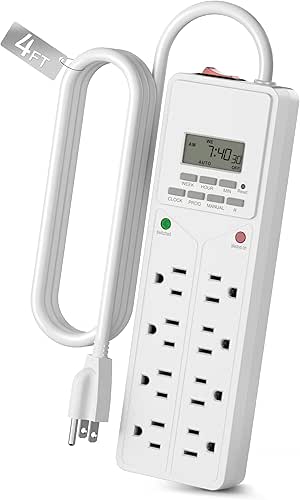
- Positioning matters: Keep your lights 12–36 inches above your plants, depending on the type. Use timers to simulate day-night cycles.
- Match light to the plant: Don’t overdo it. Use the right kind of light for your plants’ current growth stage.
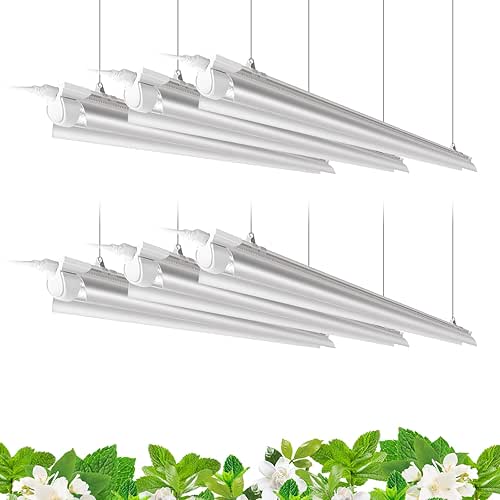
Here are a few options; one of these might be just right for your greenhouse lighting needs.
LED Grow Lights: Keep your Plants Growing, even on cloudy days.
2 ft. long


3 ft. long
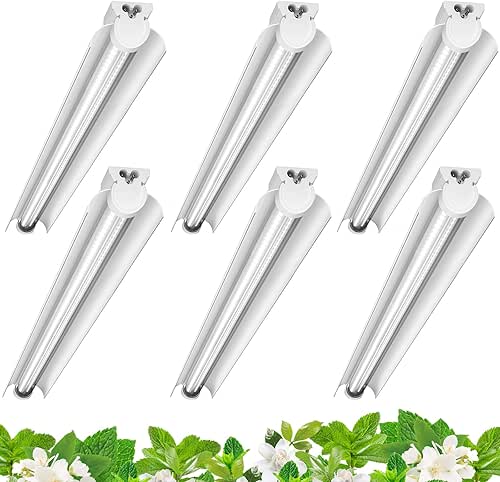
4 ft. long
High-pressure sodium (HPS): Perfect for flowering and fruiting plants.
Classic 1000W DE Double Ended HID Grow Light System with HID Bulb, Dimmable Ballast for Indoor Growing

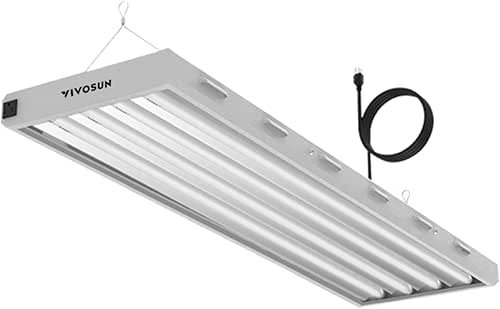
Fluorescent lights: Great for seedlings and leafy greens.
T5 Grow Lights, 5000 Lumens per 4ft., 216W (4 X 54W), 6500K HO Fluorescent Tubes, with High-Output T5 Light Fixture Bulbs for Indoor Plants
Surge Protector with 7-Day Digital Timer
Change Things Up with the Seasons
Spring and summer tips:
- Use shade cloths to keep light levels comfortable.
- Open vents or roll up the sides to avoid overheating.
- Rotate your plants regularly so they grow evenly.
Fall and winter tips:
- Trim back trees and shrubs that might now block the lower-angle sun.
- Shift light-hungry plants toward the southern part of the greenhouse.
- Consider switching to insulated panels or double-layered plastic to hold more light and heat
Wrap-Up
Getting the most sunlight into your greenhouse doesn’t have to be complicated. A little planning goes a long way. Choose the right location, design your structure with the sun in mind, stay on top of cleaning and maintenance, and don’t forget to make seasonal adjustments. These simple steps make a big difference.
Natural sunlight is free, and maximizing it means healthier plants and lower energy bills. With a thoughtful setup and some regular care, your greenhouse can be productive year-round. Maximizing Sunlight.
🔑 Key Takeaway
Where you place your greenhouse, how you design it, and how you maintain it all affect how much sunlight your plants get. Nail those things, and your garden will thank you with healthy growth.
Frequently Asked Questions (FAQs): Greenhouse Sunlight & Lighting
Getting the right amount and quality of light is essential for healthy greenhouse plants. Below, we answer common questions about sunlight tracking, greenhouse orientation, managing hotspots, growing tropicals, and setting up grow lights.
1. How do I know how much sunlight each area in my greenhouse gets?
Recommended Methods:
- Use sun tracking apps like Sun Seeker to visualize the sun’s path and monitor light changes throughout the day and year.
- Dedicated sun calculators and light quantum sensors (PAR meters) can provide the precise measurements of light intensity and daily light integral (DLI) for different greenhouse zones.
- Portable weather stations or data loggers can help track and record light data for ongoing analysis.
Tip:
Regularly check light levels in different seasons, as sun angles shift and can impact plant placement.
2. Is a south-facing greenhouse always the best option?
General Guidance:
- In the Northern Hemisphere, a southern-facing orientation maximizes sunlight exposure year-round, especially during winter.
- In very hot climates, orienting slightly southeast or southwest can help avoid midday overheating while still capturing ample morning or afternoon sun.
- Avoid north-facing greenhouses, as they receive the least direct sunlight.
Tip:
Consider seasonal sun angles and any potential shade from nearby trees or buildings when choosing your greenhouse site.
3. What’s the best way to avoid light hotspots inside my greenhouse?
Best Practices:
- Install light-diffusing panels or fabrics to scatter sunlight and prevent concentrated hot spots.
- Use reflective materials (like mylar or white polyethylene) to redirect light into shaded areas, balancing the overall distribution.
- Prune plants and keep glazing clean to maximize even light penetration.
Tip:
Position reflective materials behind plants, not on the ground, to direct light where it’s needed most.
4. Can I grow tropical plants with low winter sunlight?
Short Answer:
Yes, but it requires extra effort.
What’s Needed:
- Supplement natural light with full-spectrum LED grow lights during winter months.
- Add heat sources and insulate the greenhouse to maintain warm temperatures.
- Use reflective surfaces and position plants closer to available light to boost brightness.
Tip:
Aim for 12–16 hours of supplemental light per day for most tropicals in winter, and adjust plant placement as sunlight angles change.
5. How high should I place grow lights in my greenhouse?
General Guidelines:
- For LED grow lights, position them 12–24 inches above plants for most growth stages; seedlings may need 24–36 inches to avoid burning.
- Adjust height based on the light’s intensity, plant type, and growth stage—closer for flowering, farther for seedlings.
- Always check the manufacturer’s recommendations and monitor for signs of light stress or stretching.
Tip:
Use a PAR meter to fine-tune light placement and ensure even coverage without burning leaves.
Summary Table
| Question | Key Takeaway | Pro Tip |
|---|---|---|
| How to measure sunlight in greenhouse? | Use sun tracking apps or PAR meters | Recheck with seasons and plant growth |
| South-facing greenhouse best? | Yes, for most climates; adjust in hot regions | Avoid north-facing; consider seasonal sun angle |
| Avoiding light hotspots? | Use diffusing panels and reflective materials | Place reflectors behind plants, not on ground |
| Grow tropicals with low winter light? | Yes, with grow lights, heat, and insulation | Provide 12–16 hrs of supplemental light |
| How high for grow lights? | 12–24″ for LEDs; adjust by stage and intensity | Check manufacturer’s specs and use a PAR meter |
Conclusion:
Optimizing sunlight and supplemental lighting in your greenhouse ensures healthy, vigorous plants year-round. Use tracking tools, orient your greenhouse wisely, manage light distribution, and tailor your grow light setup for the best results in every season.
Recommended Reading
Smart Greenhouse Humidity Control: Tips for Healthy, Happy Plants Crop RH Range Quick Tip Tomatoes 65–75% Avoid rot, keep airflow up Lettuce 50–60% Too much moisture = mildew Cucumbers 70–80% Likes it moist, vent well Herbs 60–70% Lower RH keeps leaves crisp Peppers 60–70% Don’t let it swing too much Strawberries 60–75% Watch for mold … Continue reading “Greenhouse Humidity Control”
Greenhouse Watering System Parts
Greenhouse Watering System Parts Main Components of an Efficient Greenhouse Watering System An efficient greenhouse watering system consists of several key components that ensure uniform, reliable, and resource-conscious irrigation. The main components are: Water Supply: The primary source of water can be a municipal supply, a well, or a storage tank. An intermediate storage … Continue reading “Greenhouse Watering System Parts”
Greenhouse Watering System Smart Greenhouse Watering Solutions That Actually Work System Best For Pros Cons Drip Beds, rows, containers Precise, water-saving Needs setup, can clog Capillary Mats Seedlings, small pots Even moisture, no wet leaves Not for big plants, clean often Soaker Hose Rows, garden beds Easy to use, covers a lot Not super precise, … Continue reading “Greenhouse Watering System”
Best Victorian Greenhouses for Your Backyard
Introduction Best Victorian Greenhouses for Your Backyard. Victorian greenhouses are renowned for their timeless beauty and unmatched charm. These structures, popular during the Victorian era, continue to captivate gardening enthusiasts with their intricate designs and elegant features. If you’re considering adding a greenhouse to your backyard, a Victorian-style structure could be the perfect choice. In … Continue reading “Best Victorian Greenhouses for Your Backyard”
Maximizing Sunlight
Best Victorian Greenhouses for Your Backyard
Introduction
Best Victorian Greenhouses for Your Backyard. Victorian greenhouses are renowned for their timeless beauty and unmatched charm. These structures, popular during the Victorian era, continue to captivate gardening enthusiasts with their intricate designs and elegant features. If you’re considering adding a greenhouse to your backyard, a Victorian-style structure could be the perfect choice. In this article, I will highlight the unique qualities of Victorian greenhouses and provide helpful suggestions to guide you in selecting the best one for your needs.
Benefits of Having a Victorian Greenhouse in Your Backyard
Aesthetics and Architectural Charm
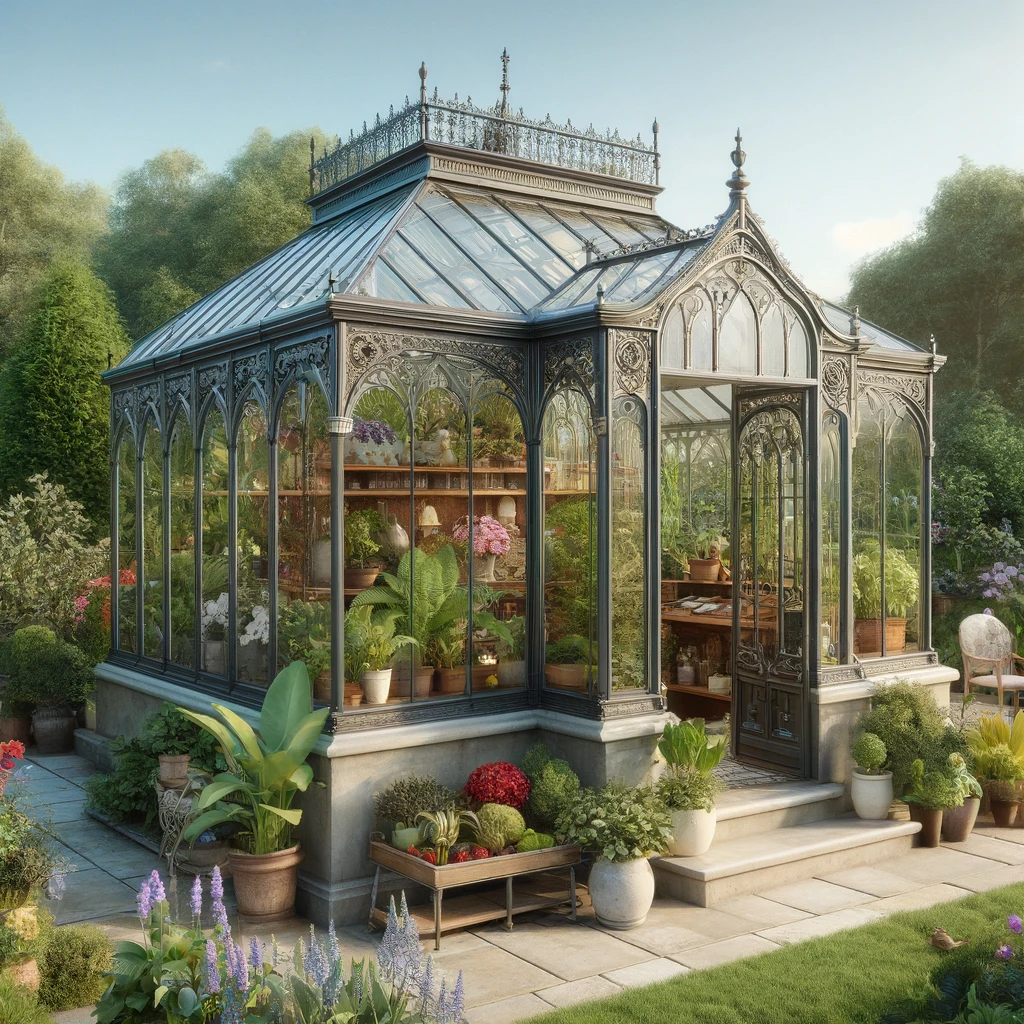
Victorian greenhouses are synonymous with architectural grandeur. Their ornate framework, curved glass panels, and decorative elements create a visually stunning focal point in any backyard. The intricate designs often feature elegant arches, finials, and Victorian-style cresting, which add a touch of sophistication to your outdoor space. Owning a Victorian greenhouse allows you to enjoy the beauty of the past while indulging in your love for gardening.
Versatility for Plant Cultivation
One of the major advantages of Victorian greenhouses is their versatility. These structures provide an ideal environment for a wide range of plants, including exotic flowers, delicate orchids, and even tropical fruits. The ample space and controlled climate inside the greenhouse allow you to experiment with different plant varieties, ensuring your gardening endeavors thrive. Whether you’re a seasoned horticulturist or a beginner gardener, a Victorian greenhouse offers endless possibilities.
Extended Growing Season
With a Victorian greenhouse, you can extend your growing season beyond the limitations of the outdoor climate. The greenhouse acts as a protective shield, shielding your plants from frost, harsh winds, and other unfavorable weather conditions. This means you can start your seedlings earlier in the spring and continue growing plants well into the fall or even winter, depending on your region. By taking advantage of the extended growing season, you can enjoy a bountiful harvest and a more vibrant garden all year round.
Increased Property Value
Apart from the joy and satisfaction it brings to your gardening pursuits, a Victorian greenhouse can also add significant value to your property. These beautiful structures serve as unique selling points that appeal to potential homebuyers, particularly those with a passion for gardening. The aesthetic appeal and functional benefits of a Victorian greenhouse can make your property stand out in the real estate market, potentially leading to a higher selling price and a faster sale.
Factors to Consider Before Choosing a Victorian Greenhouse
Available Space and Size
Before purchasing a Victorian greenhouse, assess the available space in your backyard. Consider both the footprint and height requirements of the structure. Ensure that there is sufficient room to accommodate the greenhouse comfortably, while still leaving space for pathways and other outdoor activities. Additionally, consider the size of the greenhouse based on the number and types of plants you intend to cultivate.
Materials and Construction
Victorian greenhouses are available in various materials, including wood, aluminum, and wrought iron. Each material has its own pros and cons, so it’s important to choose one that suits your preferences and climate conditions. Wood offers a traditional and rustic appeal but requires regular maintenance, while aluminum and wrought iron offer durability and longevity with less maintenance. Consider the construction quality and durability of the greenhouse to ensure it will withstand the test of time.
Budget Considerations
Setting a budget is crucial when investing in a Victorian greenhouse. Determine the amount you’re willing to spend and explore options within that range. Keep in mind that higher-quality materials and larger sizes may come at a higher cost. It’s important to strike a balance between your budget and the features you desire in a greenhouse. Research and compare prices, considering long-term savings and the potential return on investment.
Climate and Location
Consider your climate and location when choosing a Victorian greenhouse. Factors such as temperature extremes, humidity levels, and wind conditions should be taken into account. Some greenhouse models offer insulation and ventilation options that cater to specific climates. Ensure that the greenhouse you select is designed to withstand the environmental conditions prevalent in your area, providing an optimal growing environment for your plants.
Top Recommendations for Victorian Greenhouses
The Royal Retreat
The Royal Retreat is a splendid Victorian greenhouse designed to transport you to the opulence of a bygone era. With its large glass panels, intricate detailing, and spacious interior, this greenhouse creates a regal ambiance in your backyard. The expansive floor space allows for a diverse range of plantings, making it an ideal choice for avid gardeners who want to indulge in their passion for horticulture.
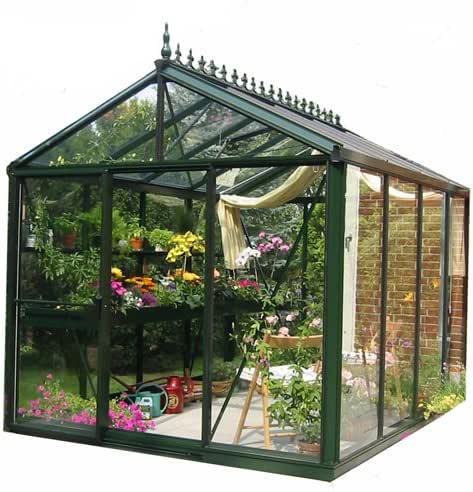
- Vertical glass is only one piece – Sliding door can be placed in any vertical glass location; front, back or sides
- 6″ high foundation frame included as well as a misting system; just provide a hose to connect to faucet
- Roof windows come with an old fashioned spindle and a modern automatic window opener
- Greenhouse measure 7’9″ wide x 10’2″ long x 8’6″ high; 80 square feet with 2 roof windows
The Classic Conservatory
For those seeking a timeless elegance, the Classic Conservatory is an excellent choice. This Victorian-style greenhouse features a blend of classic architectural design and modern functionality. The durable materials used in its construction ensure longevity, while the elegant aesthetics make it a visual delight. The Classic Conservatory offers a serene sanctuary where you can immerse yourself in the beauty of nature.
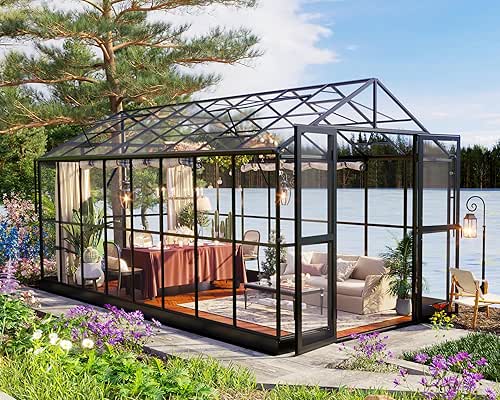
- Premium Material – Our greenhouses feature an aluminum frame for durability and rust resistance, paired with a light-transmitting PC board, which exceptional 99.99% UV protection and warmth for a cozy growing environment.
- Versatile Space – 768 cu. ft. offers you an oversized personal plant nursery for your plants. The 6-foot-tall door offers effortless access for everyone. Transform your polycarbonate greenhouse into a functional living space by adding furniture.
- Robust Strength – With a remarkable load capacity exceeding 1500 lbs, Wind resistance :56 mph, Snow load capacity:18 psf. Rest easy knowing this aluminum greenhouse guarantees the plant’s safety even in harsh weather conditions.
- Ventilated and Drainable – Enjoy optimal air circulation with 4 ventilation windows in our sunroom design. Backyard greenhouse feature purpose-built drainage systems for efficient rainwater drainage and collection.
- Installation Guide – The walk in greenhouse includes detailed step-by-step instructions. a team of three skilled enthusiasts can assemble this greenhouse kit in just 15 hours.
The Grand Orangerie
If you dream of cultivating exotic fruits and citrus trees, the Grand Orangerie is the perfect Victorian greenhouse for you. This spacious structure provides ample room for large potted trees and other fruit-bearing plants. Its robust construction and specially designed features, such as ventilation systems and adjustable shading, create an optimal environment for growing delicate citrus varieties.

- Product Dimensions: 192″ x 120″ x 120″
Aluminum profiles are thicker and stronger than most competitors at an equivalent price range - Stainless steel hardware prevents rusting or corrosion of any type
- Glazing is 4mm tempered glass where many others use 3mm, granting both greater insulation and resilience to extreme weather conditions (wind and hail)
- Glazing panels are held in place with heavy-duty rubber weather seals
- Glazing panels are full-sized single pieces, and look much nicer than the overlapping panels sometimes found on other brands
- 4” high foundation frame is included, where others usually cost extra
- Tempered glass is TUV and GS tested
The Vintage Victorian
For those with smaller backyard spaces, the Vintage Victorian offers a charming and compact option. This greenhouse captures the essence of Victorian design while being more space-efficient. Its intricate details and smaller footprint make it an ideal choice for homeowners who desire a touch of nostalgia without sacrificing functionality. The Vintage Victorian allows you to create a cozy oasis where you can nurture your plants and escape from the outside world

- Designed to be built on a stem wall (wall not included)
- Four roof windows each with automatic openers
- Two louver vents
- Double hinged full-length glass doors
- Dimensions: 12ft 10in wide x 13ft 2in long x 9ft 8in high
Maintenance and Care Tips for Victorian Greenhouses
Temperature and Ventilation Control
Proper temperature and ventilation control are essential for maintaining a healthy greenhouse environment. Install a thermostat and a ventilation system to regulate temperature and airflow. This will prevent overheating during hot summer days and ensure sufficient ventilation to avoid plant diseases caused by excess moisture.
Pest and Disease Management
Regularly inspect your Victorian greenhouse for pests and diseases. Implement preventive measures such as using organic pest control methods, keeping the greenhouse clean, and removing any dead or infected plant material. Additionally, consider introducing beneficial insects like ladybugs and lacewings to control common greenhouse pests naturally.
Cleaning and Maintenance Routines
Periodically clean your greenhouse to remove dirt, dust, and algae that can hinder light transmission. Check and repair any damaged glass panels or structural components. Clear gutters and downspouts to ensure proper drainage. Regularly sanitize tools and pots to prevent the spread of diseases between plants.
Conclusion
In conclusion, Victorian greenhouses offer a perfect blend of beauty, functionality, and nostalgia for gardening enthusiasts. These elegant structures provide a versatile space for cultivating a wide variety of plants, while adding a touch of architectural charm to your backyard. By considering factors such as available space, materials, budget, and climate, you can choose the ideal Victorian greenhouse for your needs. Once installed, proper maintenance and care will ensure that your greenhouse continues to thrive and bring you joy for years to come. Best Victorian Greenhouses for Your Backyard
FAQs
Can I install a Victorian greenhouse myself, or do I need professional assistance?
- Installing a Victorian greenhouse can be a complex task, especially if you’re not experienced in construction. It’s recommended to seek professional assistance for the installation process. Professionals have the expertise and knowledge to ensure that the greenhouse is properly erected, level, and structurally sound. They can also help with securing necessary permits and ensuring compliance with local building codes.
Are Victorian greenhouses energy-efficient?
- The energy efficiency of Victorian greenhouses can vary depending on the design, materials used, and additional features installed. However, with proper insulation, ventilation systems, and the use of energy-efficient glazing, Victorian greenhouses can be quite energy-efficient. These features help regulate temperature, reduce heat loss, and optimize natural light for plant growth. Consider consulting with greenhouse suppliers who can provide energy-efficient options and recommend suitable features for your specific needs. Best Victorian Greenhouses for Your Backyard
Can I use a Victorian greenhouse for year-round gardening?
- Yes, Victorian greenhouses are well-suited for year-round gardening. With their ability to regulate temperature and protect plants from harsh weather conditions, they extend the growing season significantly. However, keep in mind that maintaining a stable climate inside the greenhouse during extreme weather conditions might require additional heating, cooling, or insulation. Consider installing systems such as heaters, fans, or shading mechanisms to ensure optimal conditions for year-round gardening.
What types of plants thrive best in Victorian greenhouses?
- Best Victorian Greenhouses for Your Backyard offer an ideal environment for a wide range of plants. The controlled climate, ample sunlight, and protection from external elements create favorable conditions for various plant species. From delicate flowers like orchids and roses to exotic fruits like lemons and figs, a Victorian greenhouse provides a versatile space for nurturing both ornamental and edible plants. Research the specific needs of the plants you wish to cultivate and ensure they align with the conditions provided by the greenhouse.
How often should I water the plants in my Victorian greenhouse?
- The frequency of watering will depend on several factors, including the types of plants, soil moisture levels, temperature, and humidity inside the greenhouse. It’s essential to monitor the moisture levels of the soil regularly. Generally, it’s better to water thoroughly but less frequently rather than giving small amounts of water more often. This encourages healthy root growth and prevents overwatering. Pay attention to the specific watering needs of each plant and adjust your watering routine accordingly. Best Victorian Greenhouses for Your Backyard
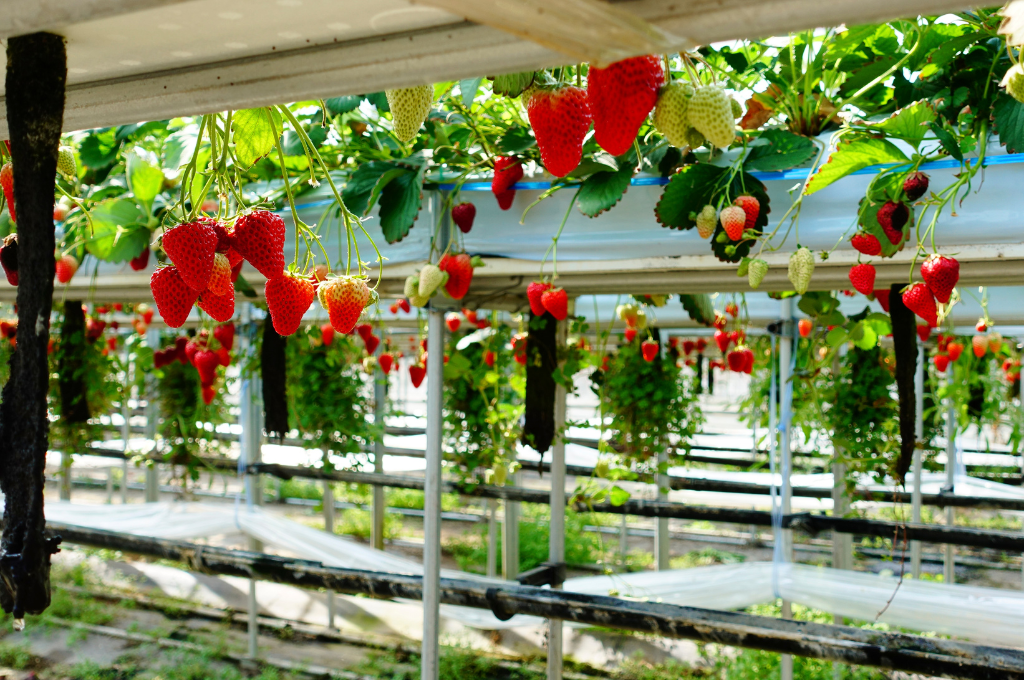
Growing Berries in a Greenhouse
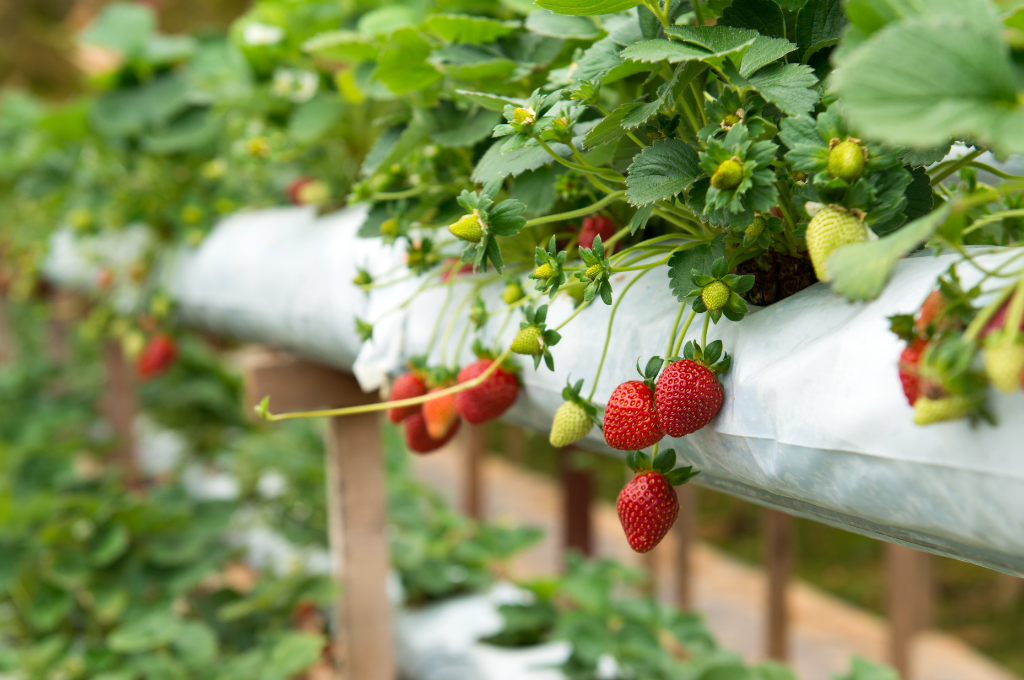
A Berry-Lover’s Guide
Introduction
Hey there, fellow berry enthusiasts! If you’re like me and can’t get enough of those juicy, vibrant berries, I’ve got some exciting news for you. Ever considered growing your own berry haven in a greenhouse? Trust me, it’s a game-changer! In this article, I’m going to walk you through the ins and outs of growing berries in a greenhouse, from selecting the perfect varieties to enjoying a bountiful harvest. Let’s dive right in!
Benefits of Growing Berries in a Greenhouse
Greenhouses aren’t just for exotic plants; they’re an absolute treasure trove for berry lovers too. When you opt for greenhouse cultivation, you’re giving your berries a head start by creating an environment tailored to their needs.
Here’s why it’s special:
Extended Growing Season:
With a greenhouse, you can kiss goodbye to berry season limitations. Enjoy your favorite berries year-round, regardless of external weather conditions.
Controlled Environment:
Say hello to perfect conditions! You can regulate temperature, humidity, and light, ensuring your berries thrive.
Fewer Pests and Diseases:
Greenhouses act as protective shields, reducing the risk of pests and diseases, which often wreak havoc on outdoor crops.
Choosing the Right Berry Varieties
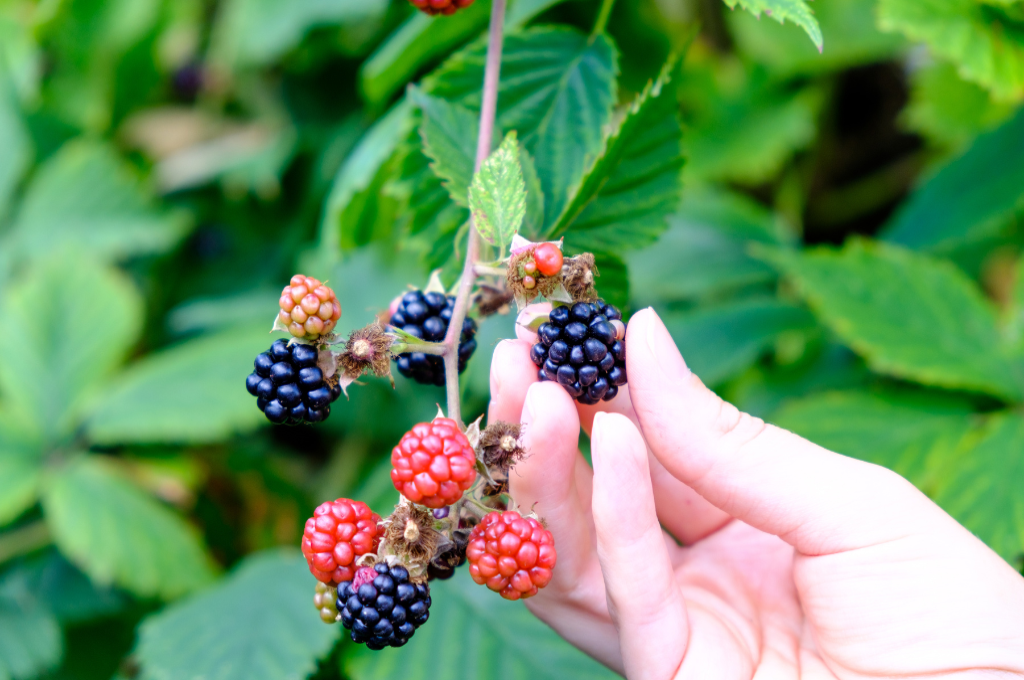
Before you embark on your greenhouse berry adventure, make sure you choose the right berry varieties. Strawberries, blueberries, raspberries, and blackberries are excellent choices. Consider factors like your climate and personal preferences when making your selection.
Setting Up Your Greenhouse
Location Matters
Finding the right spot for your greenhouse is like choosing a home for your berries. Opt for an area that receives ample sunlight and is sheltered from harsh winds.
Temperature and Humidity Control
Maintaining the right temperature and humidity levels is paramount. Invest in a thermometer and hygrometer to monitor and regulate these factors consistently.
Proper Ventilation
Greenhouses can get stuffy. Ensure good air circulation with vents and fans. This prevents mold growth and ensures strong berry plants.
Preparing the Soil and Containers
Ideal Soil Composition
Berries adore well-draining soil. Mix in organic matter like compost to improve soil structure and fertility.
Container Selection
Containers offer control over soil quality and drainage. Opt for larger pots to accommodate root growth and use hanging baskets for strawberries.
Planting and Care Tips
Optimal Plant Spacing
Give your berries room to breathe. Follow recommended spacing guidelines to avoid overcrowding, which can lead to disease.
Watering Techniques
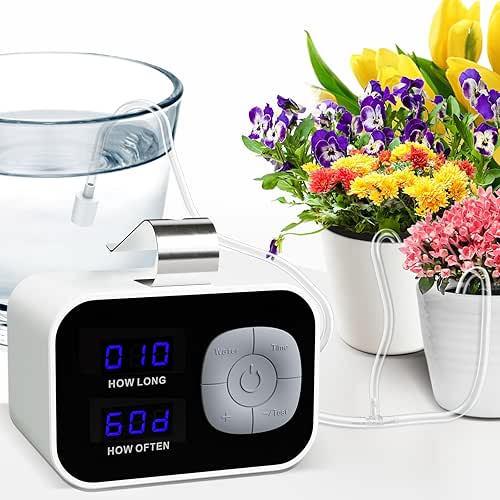
Consistent watering is key. Drip irrigation is a fantastic option, as it delivers water directly to the roots, minimizing fungal issues.
Fertilization Methods
Feed your berry babies with balanced fertilizer during the growing season. Too much nitrogen can lead to excessive foliage growth.
Pest and Disease Management
Common Berry Pests
Vigilance is crucial. Keep an eye out for aphids, spider mites, and fruit flies. Introduce natural predators like ladybugs for organic pest control.
Disease Prevention
Prevention is better than cure. Maintain proper spacing, good airflow, and avoid overhead watering to prevent fungal diseases.
Pruning and Training Your Berry Plants
Encouraging Growth
Regular pruning encourages new growth and higher yields. Remove dead or diseased branches to redirect energy to healthy growth.
Shaping for Better Yield
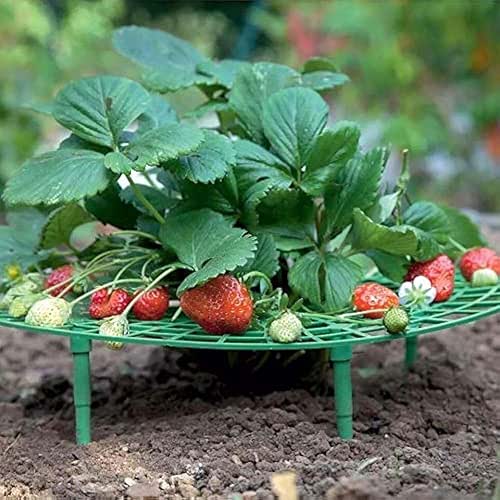
Training your berry plants along trellises or stakes maximizes sunlight exposure and facilitates easy harvesting.
Harvesting and Storing Your Berries
Ripeness Indicators
Harvest your berries at peak ripeness. They should be fully colored and easily detach from the plant.
Proper Harvesting Techniques
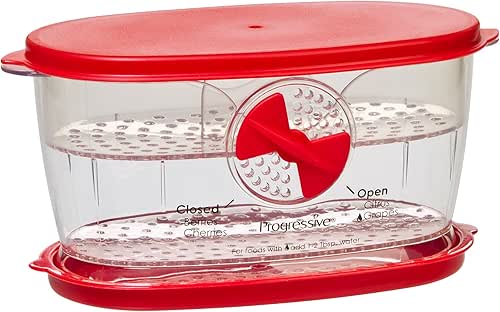
Handle with care! Berries are delicate. Gently pluck them to avoid bruising and store them in shallow containers to prevent crushing.
Storage Solutions
If you can resist devouring them all immediately, store berries in the fridge in a single layer on paper towels to maintain freshness.
Conclusion
Growing berries in a greenhouse is a rewarding journey that brings the delight of fresh, succulent berries to your fingertips year-round. With the right care and attention, your greenhouse will be bursting with the flavors of summer, even in the depths of winter. So, roll up your sleeves, put on your gardening gloves, and let the berry-growing adventure begin!
Frequently Asked Questions (FAQs)
- Can I grow any type of berry in a greenhouse?
Absolutely! However, consider your local climate and the greenhouse environment when choosing varieties. - Do I need previous gardening experience to grow berries in a greenhouse?
Not at all! Greenhouse cultivation can be beginner-friendly, and you’ll learn as you go. - How often should I water my berry plants?
Regular, deep watering is best. Aim for about 1-2 inches of water per week, adjusting based on weather conditions. - Can I use artificial light in the greenhouse for berry cultivation?
Yes, you can. Supplemental lighting can help extend daylight hours and promote healthy growth. - What’s the biggest advantage of greenhouse berry cultivation?
Control. You have control over the growing environment, leading to healthier plants and higher yields.
Remember, your greenhouse is your berry haven, your canvas to paint with the colors of nature’s sweetest treats. Happy berry growing!
Exotic Fruits in Greenhouses
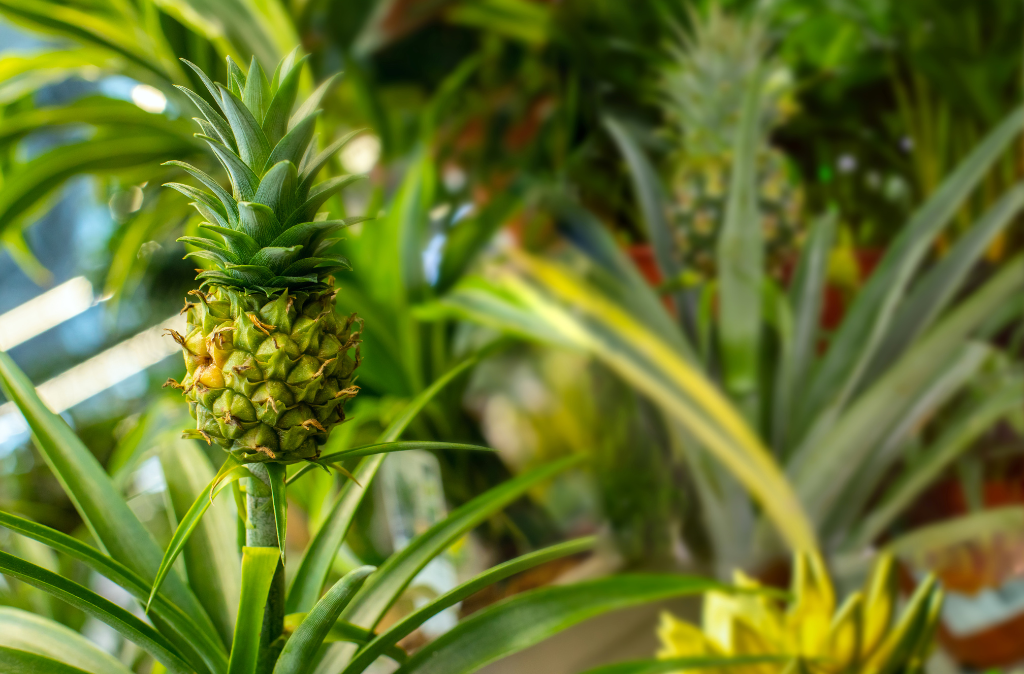
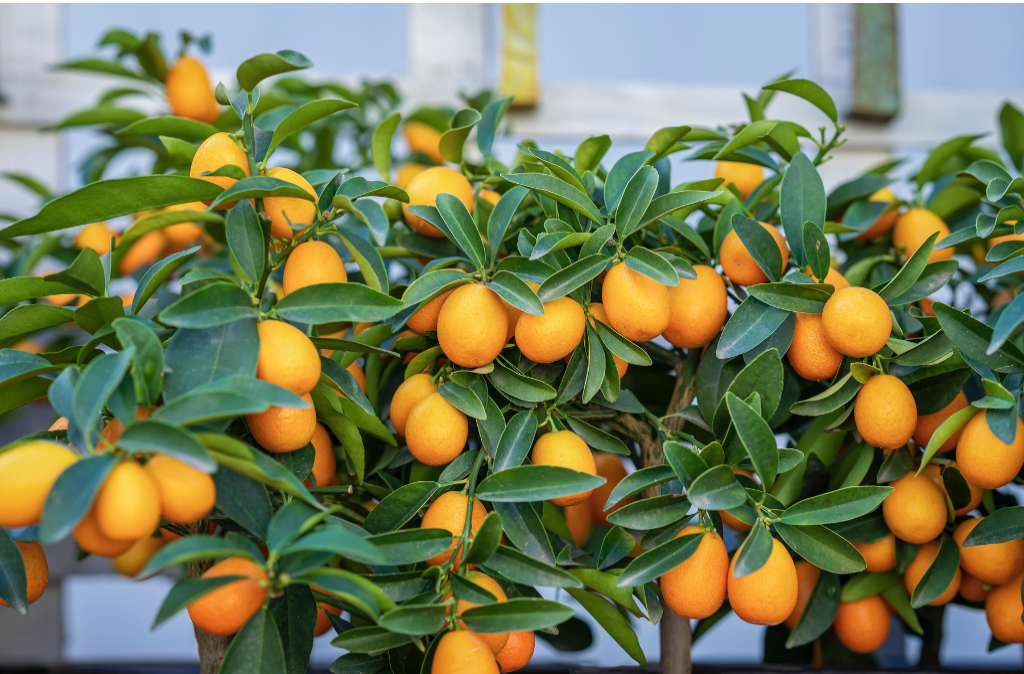
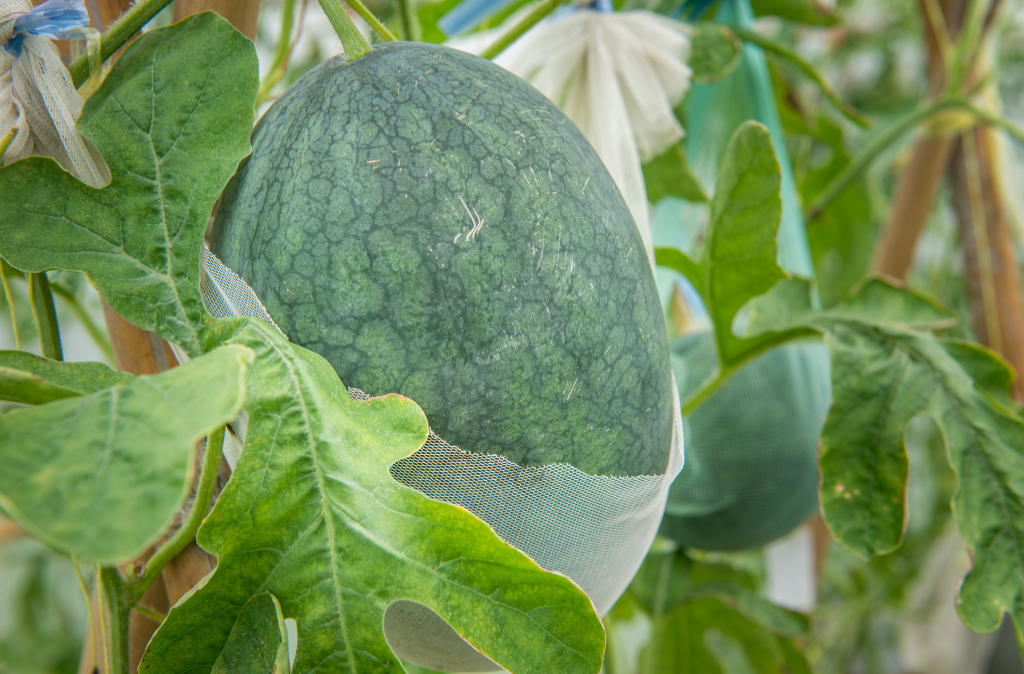
Introduction
Hey there, fellow fruit enthusiasts! Ever wondered about the magic of cultivating exotic fruits in the comfort of your own space? Well, get ready to dive into the captivating world of exotic fruits in greenhouses. In this article, I’m thrilled to share insights and tips that will inspire you to embark on a journey of growing these luscious delights right in your backyard.
Advantages of Growing Exotic Fruits in Greenhouses
Picture this: plucking a sun-kissed pineapple or indulging in a juicy dragon fruit, all from your very own greenhouse. The advantages are plentiful. Greenhouses provide a controlled environment where you can tailor conditions to suit each fruit’s needs. Say goodbye to unpredictable weather woes, as your precious plants are shielded from harsh elements. What’s more, the extended growing seasons mean you can relish your favorites year-round. Worried about pests and diseases? Greenhouses offer a shield of protection that makes managing these challenges a breeze.
Selecting the Right Exotic Fruits
Before you get your hands dirty, consider your local climate and the setup of your greenhouse. Some exotic fruits thrive in certain conditions better than others. Think about welcoming pineapples, vibrant dragon fruits, tangy passion fruits, and zesty kiwis into your garden. Each choice brings a unique flavor to your greenhouse haven.
Setting Up the Greenhouse
Location, location, location – it matters! Choose a spot that receives ample sunlight and is sheltered from strong winds. Design your greenhouse to optimize both ventilation and sunlight exposure. Selecting the right materials ensures durability and optimal heat retention.
Temperature and Humidity Control
Exotic fruits have their preferences when it comes to temperature and humidity. Investing in heaters, fans, and misting systems keeps your plants comfortable. Monitoring tools and automation take the guesswork out of maintaining the ideal conditions for growth.
Soil and Nutrient Management
Selecting the right soil type and composition is key. Implementing fertilization and irrigation strategies ensures your exotic fruits get the nutrients they crave. Healthy soil equals thriving plants.
Pollination Techniques
Pollination plays a pivotal role in fruit production. You can opt for natural pollination or become a pollination maestro with hand pollination techniques. Introducing pollinators like bees in your controlled environment can also do wonders.
Pruning and Training
Think of pruning as giving your plants a stylish haircut. It encourages healthy growth and keeps them in shape. Training your plants ensures they make the most of the available space and sunlight.
Pest and Disease Management
A watchful eye is your best ally against pests and diseases. Implement preventive measures to keep them at bay. If a battle is inevitable, explore eco-friendly solutions that safeguard your plants and the environment.
Harvesting and Ripening
Timing is everything when it comes to harvesting exotic fruits. Learn to spot the signs of readiness and handle your bounty with care. Ripening techniques ensure your fruits are as delectable as can be.
Sustainable Practices in Greenhouse Cultivation
Going green in your greenhouse journey? Embrace organic methods, conserve water, and manage waste wisely. Let your exotic fruit haven be a sustainable oasis.
Experiencing the Rewards
Imagine the satisfaction of savoring fruits nurtured by your own hands. Besides the joy, exotic fruits offer an array of health benefits. Sharing these treasures with loved ones makes the experience even sweeter.
Tips for Beginners
If you’re new to this captivating world, start with simpler exotic fruit varieties. Seek guidance from experts and fellow enthusiasts, and remember, every journey begins with a single seed.
Personal Success Story
I remember my first foray into greenhouse gardening, nurturing dragon fruit vines that eventually bore vibrant fruit. The sense of accomplishment and the unforgettable taste of homegrown success were unparalleled.
Conclusion
So, there you have it, a tantalizing glimpse into the world of exotic fruits in greenhouses. The benefits are aplenty, the journey rewarding, and the flavors unforgettable. With the right guidance and a touch of passion, you’re ready to create your own tropical haven. So why wait? Dive into this lush adventure and let your greenhouse flourish with the magic of exotic fruits.
FAQs About Growing Exotic Fruits in Greenhouses
Can I grow exotic fruits in a small greenhouse?
Absolutely! Many exotic fruits thrive in compact spaces with proper care and attention.
Do I need specialized equipment for temperature control?
While specialized equipment can help, basic heaters and fans can also do the job effectively.
Are there eco-friendly solutions for pest management?
Absolutely, using neem oil, ladybugs, and other natural methods can keep pests in check.
Can I grow exotic fruits without a greenhouse?
While a greenhouse offers optimal conditions, some exotic fruits can be grown outdoors in suitable climates.
What’s the easiest exotic fruit to start with for beginners?
Pineapples are a great starting point due to their resilience and minimal maintenance requirements.
Greenhouse Fragrant Plants



Discovering the Enchantment of Greenhouse Fragrant Plants
As a fervent advocate of cultivating indoor green havens, I am thrilled to unravel the captivating world of Greenhouse Fragrant Plants. These botanical wonders not only breathe life into our spaces but also imbue them with delightful aromas that enchant our senses. Join me on this aromatic journey, as I share my insights on why these plants are so special and offer helpful suggestions on how to make the most of them.
Benefits of Greenhouse Fragrant Plants
Imagine stepping into a space that greets you with a gentle embrace of lavender or the intoxicating allure of jasmine. Such is the magic of greenhouse fragrant plants. These plants do more than just add visual appeal; they contribute to a captivating ambiance that can uplift moods and soothe souls. Additionally, they serve as natural air fresheners, eliminating stale indoor odors and replacing them with nature’s perfumes. But their benefits don’t stop there—these fragrant companions offer aromatherapy advantages that contribute to our mental well-being.
Choosing the Right Fragrant Plants for Your Greenhouse
Selecting the perfect fragrant plants for your greenhouse involves a blend of considerations. Your climate and location play a pivotal role in determining which plants thrive best. Thankfully, there’s a rich variety of fragrances available, from the soothing notes of lavender to the invigorating scents of rosemary. If you’re new to greenhouse gardening, fear not—there are plenty of low-maintenance fragrant plants that are perfect for beginners.
Top Fragrant Plants for Greenhouses
Lavender: With its timeless charm and soothing scent, lavender is a must-have for any fragrant greenhouse. Its purple blooms not only please the eyes but also promote relaxation and tranquility.
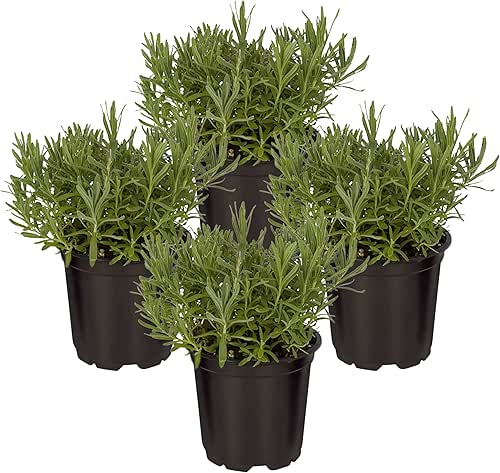
Jasmine: Known for its romantic allure, jasmine infuses the air with sweet and captivating fragrances. Its delicate flowers and twining vines create an enchanting atmosphere.
Rosemary: This fragrant herb brings an invigorating aroma reminiscent of the Mediterranean. Its woody fragrance is known to enhance memory and focus—making it ideal for study spaces.

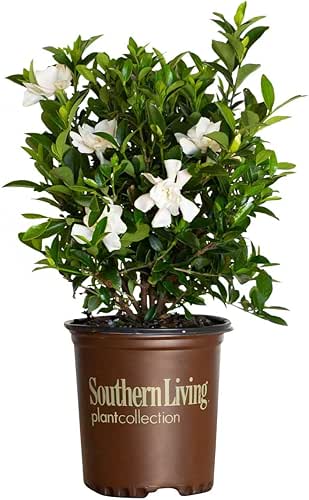
Gardenia: With its exotic white blossoms and rich, velvety scent, gardenia adds an element of luxury to your greenhouse. Its fragrance is often associated with love and positivity.
>
Caring for Greenhouse Fragrant Plants
Caring for greenhouse fragrant plants requires a delicate touch. Adequate watering and proper drainage are essential to prevent root rot. These plants also crave the right balance of sunlight and temperature. Regular pruning and grooming not only maintain their shape but also promote healthy growth and enhance their fragrance.
Designing Your Fragrant Greenhouse Haven
Creating a delightful space goes beyond just the plants themselves. Consider the arrangement and layout of your fragrant companions to maximize their visual and aromatic impact. Adding complementary decor, such as scented candles or wind chimes, can elevate the overall sensory experience. Don’t forget to carve out a cozy relaxation corner where you can immerse yourself in the fragrant symphony.
DIY Potpourri and Essential Oils
Extend your fragrant journey by incorporating harvested plant materials into your daily life. Crafting potpourri is a delightful way to preserve scents and add a touch of nature to your surroundings. For those feeling more adventurous, distilling essential oils from your greenhouse treasures opens a world of aromatic possibilities.
Sharing the Fragrance: Gift Ideas
The enchantment of greenhouse fragrant plants is worth sharing. Consider gifting thoughtfully crafted plant-based presents that allow your loved ones to bring the beauty and fragrance of your greenhouse into their homes. Scented sachets and personalized essential oil blends make for memorable and unique gifts.
Fragrant Plants for Various Occasions
Harness the power of fragrance to enhance various aspects of your life. Enliven parties and gatherings with the captivating scents of your greenhouse companions. Create a serene atmosphere for meditation and relaxation, or infuse productivity-enhancing fragrances into your workspace to boost focus and creativity.
Addressing Common Challenges
Just like any gardening endeavor, tending to fragrant plants comes with its challenges. Be vigilant against pests and diseases that could compromise the health and fragrance of your plants. Strike a balance to prevent overpowering scents that might be overwhelming in enclosed spaces. Troubleshoot growth issues promptly to maintain the vitality of your fragrant haven.
The Ecological Benefits of Greenhouse Fragrant Plants
Beyond their olfactory charm, fragrant plants offer ecological perks. They contribute to air purification by absorbing toxins and releasing oxygen. Inviting pollinators indoors aids in sustaining local biodiversity, even in urban settings. By nurturing fragrant plants, you’re making a positive impact on both your immediate environment and the planet.
Success Stories: Enthusiasts’ Experiences
Real-life tales from greenhouse gardeners illuminate the transformative power of fragrant plants. These stories showcase how these plants have not only beautified spaces but also enriched lives with their aromas and therapeutic effects. They underscore the unique connection that forms between humans and nature through fragrance.
Embracing the Fragrance: Creating Rituals
Elevate your daily routine by infusing it with fragrance-inspired rituals. Start your mornings with the invigorating scent of rosemary, setting a tone of focus and productivity. Wind down in the evening with calming lavender, creating a soothing ambiance that promotes relaxation and restful sleep. Celebrate special occasions by incorporating personalized fragrant touches.
Future Trends in Greenhouse Fragrant Plant Cultivation
As the world of gardening evolves, so does the cultivation of fragrant plants. Embracing sustainable practices and eco-friendly approaches is on the rise. Keep an eye out for emerging plant varieties and hybrids that offer novel fragrances and aesthetics. Technological innovations are also revolutionizing greenhouse gardening, making it more accessible and efficient than ever.
Conclusion
In the realm of indoor gardening, few experiences match the enchantment of cultivating greenhouse fragrant plants. These botanical companions not only tantalize our senses but also nurture our well-being. From the soothing embrace of lavender to the romantic allure of jasmine, each fragrance has a story to tell. So, seize the opportunity to create your fragrant haven—a space where nature’s perfumes dance on the air, enriching your life in ways beyond measure.
Frequently Asked Questions
- Can I grow fragrant plants in a small greenhouse?
Absolutely! Fragrant plants come in various sizes, making them suitable for both small and large greenhouses. Consider compact varieties like dwarf lavender or miniature roses. - How often should I water my greenhouse fragrant plants?
The frequency of watering depends on factors like the plant type, pot size, and environmental conditions. Always check the soil’s moisture level before watering. - Can I use greenhouse fragrant plants for cooking or herbal remedies?
Certainly! Many fragrant plants, like rosemary and mint, are used in cooking and herbal preparations. However, ensure you’re using plants that are safe for consumption and follow proper guidelines. - What’s the best way to prevent pests in my fragrant greenhouse?
Regularly inspect your plants for signs of pests. Introducing natural predators like ladybugs can help control pest populations. Additionally, practicing good sanitation and providing proper care can minimize pest issues. - How can I make my own scented sachets from greenhouse plants?
Gather dried leaves, flowers, or petals from your fragrant plants. Fill a small fabric sachet with these materials and secure it tightly. Place the sachet in closets, drawers, or any area you’d like to infuse with fragrance.
Greenhouse Microgreens
A Journey into Flavorful Abundance
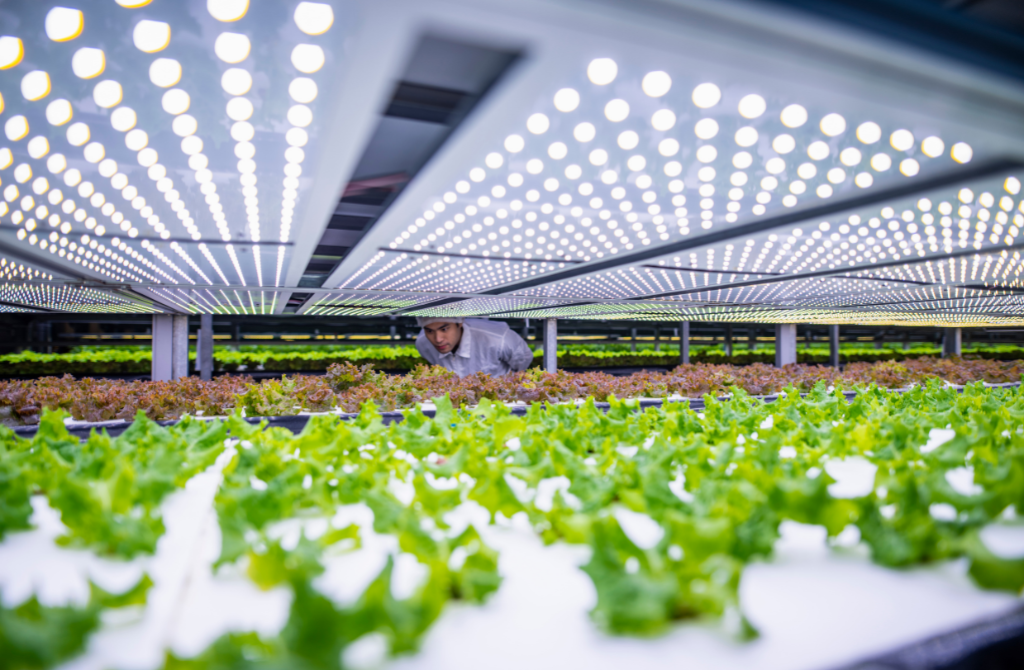
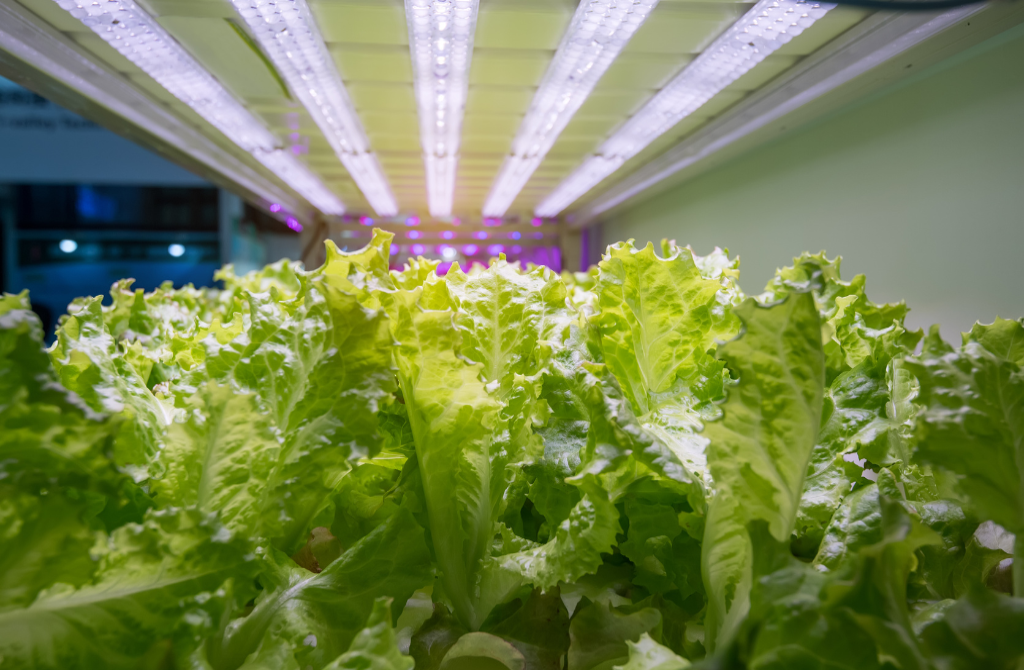
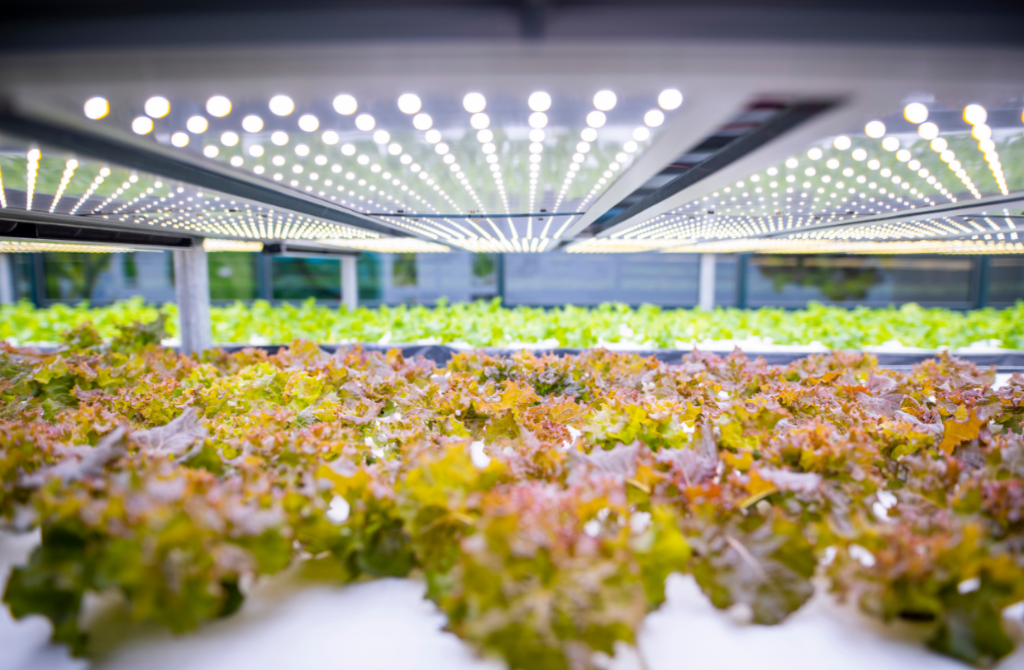
Microgreens, the tiny edible plants bursting with flavor and nutrients, have become a darling of the culinary world. As an enthusiast and advisor, let’s delve into the world of Greenhouse Microgreens, uncovering the magic they hold and offering valuable insights for cultivating these miniature marvels with finesse and flair.
Advantages of Greenhouse Microgreens
In the realm of microgreens, greenhouses emerge as sanctuaries of possibility. With their controlled environments, these mini ecosystems offer year-round growth opportunities, unfazed by the changing seasons outside. The controlled conditions not only ensure optimal growth but also shield delicate microgreens from the clutches of pests and diseases.
Selecting the Right Microgreens for Your Greenhouse
Choosing the right microgreens is akin to selecting ingredients for a masterpiece. From vibrant radishes to earthy arugula, the variety is enticing. Consider factors like growth time, flavor profile, and culinary compatibility when making your choices. Remember, each selection adds its unique essence to your greenhouse symphony.
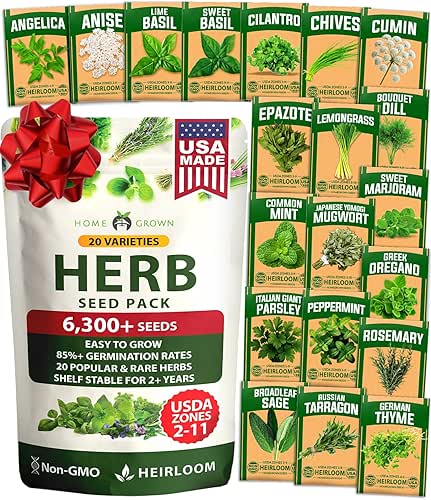
Setting Up Your Greenhouse for Microgreens
The foundation of successful greenhouse microgreen cultivation lies in a well-structured setup. Whether it’s a lean-to, a hoop house, or a traditional greenhouse, pick a structure that suits your space and resources. Maintain the Goldilocks principle for temperature, humidity, and light, ensuring your microgreens thrive in the Goldilocks zone.
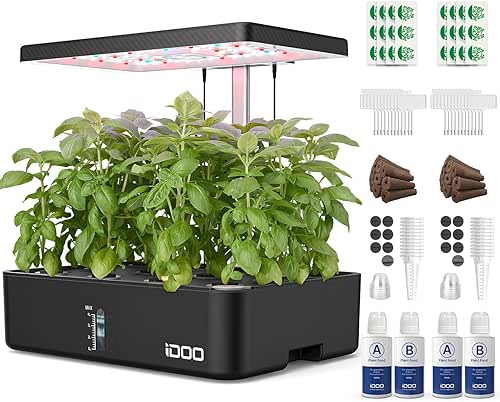
Choosing the Right Growing Medium
Just as a painter needs the right canvas, microgreens require an appropriate growing medium. Whether you opt for soil-based systems or hydroponics, ensure your chosen medium is well-draining and provides the necessary nutrients. After all, a nurturing home lays the groundwork for vibrant growth.
Sowing and Germination
Like planting dreams, sowing microgreens requires careful consideration. Scatter seeds evenly, aiming for a density that nurtures growth without overcrowding. Germination is a pivotal phase; provide ample moisture and gentle warmth to coax your seeds to life. Soon, a tapestry of tiny green shoots will unfold before your eyes.
Caring for Your Microgreens
Tending to microgreens is akin to nurturing a delicate relationship. Water them gently, avoiding waterlogged roots, and offer the right nutrients for sustained vitality. Be vigilant against stressors and diseases, ensuring your microgreens bask in an environment of wellness.
Harvesting and Storage
The crescendo of your microgreen journey arrives at harvest time. Observe closely and gauge the ideal moment to snip the greens. With scissors in hand, harvest just above the soil line, allowing regrowth for subsequent harvests. Treat your harvest with care, storing them properly to preserve their vivacity.
Utilizing Microgreens in Culinary Delights
Microgreens are the chefs’ secret, elevating dishes to artistic masterpieces. Their explosion of flavors, colors, and textures adds finesse to salads, sandwiches, and even unexpected places like cocktails. So, let your culinary creativity bloom with these petite powerhouses.
Sustainable and Eco-Friendly Aspects
Beyond their culinary allure, greenhouse microgreens have an eco-friendly song to sing. By reducing food miles and the carbon footprint, they contribute to a greener planet. Moreover, they transform urban spaces into productive oases, fostering local produce in the heart of the concrete jungle.
Health Benefits of Greenhouse Microgreens
Within these miniature greens lies a treasure trove of health benefits. Packed with nutrients and bioactive compounds, microgreens offer a potent punch of wellness. By incorporating them into your diet, you’re embracing a journey towards nourishment and vitality.
Exploring Entrepreneurial Opportunities
What if your passion for microgreens could also be a business venture? By nurturing and selling these greens to local markets and restaurants, you’re not only sowing seeds of profit but also contributing to a healthier community. It’s a small-scale endeavor with grand potential.
Community and Educational Engagement
Microgreens are not just about personal growth; they have the power to nourish minds too. Engage with schools and community centers, introducing the magic of agriculture to young minds. Teach them about healthy eating and watch their enthusiasm grow alongside the greens.
Challenges and Overcoming Them
No journey is without challenges, and the world of greenhouse microgreens is no exception. From mold to uneven growth, challenges are steppingstones to mastery. Embrace the learning curve, armed with knowledge and determination, and watch your microgreens flourish.
Conclusion
In the realm of greenhouse microgreens, a tapestry of flavors, colors, and possibilities awaits. As we bid adieu, remember that these small but mighty plants hold the promise of year-round abundance, culinary excellence, and a touch of eco-consciousness. Embark on your microgreen journey, for within those tender leaves lies a world of culinary and sustainable delight.
FAQs About Greenhouse Microgreens
- Can I grow microgreens in any type of greenhouse?
Absolutely! Microgreens flourish in a variety of greenhouse structures, from traditional to modern designs. - Are there any microgreens suitable for beginners?
Yes, varieties like sunflower, radish, and pea shoots are relatively easy to grow, making them perfect for beginners. - How do I know when microgreens are ready for harvest?
Once the first true leaves appear and reach a suitable height, usually within 7 to 21 days, they’re ready for harvest. - Can I use regular garden soil for growing microgreens?
It’s recommended to use a well-draining, sterilized growing medium specifically formulated for microgreens to ensure optimal growth. - Are microgreens as nutritious as mature plants?
In some cases, microgreens can contain higher concentrations of nutrients compared to their mature counterparts, making them a nutrient-rich addition to your diet.
Growing Mushrooms in a Greenhouse
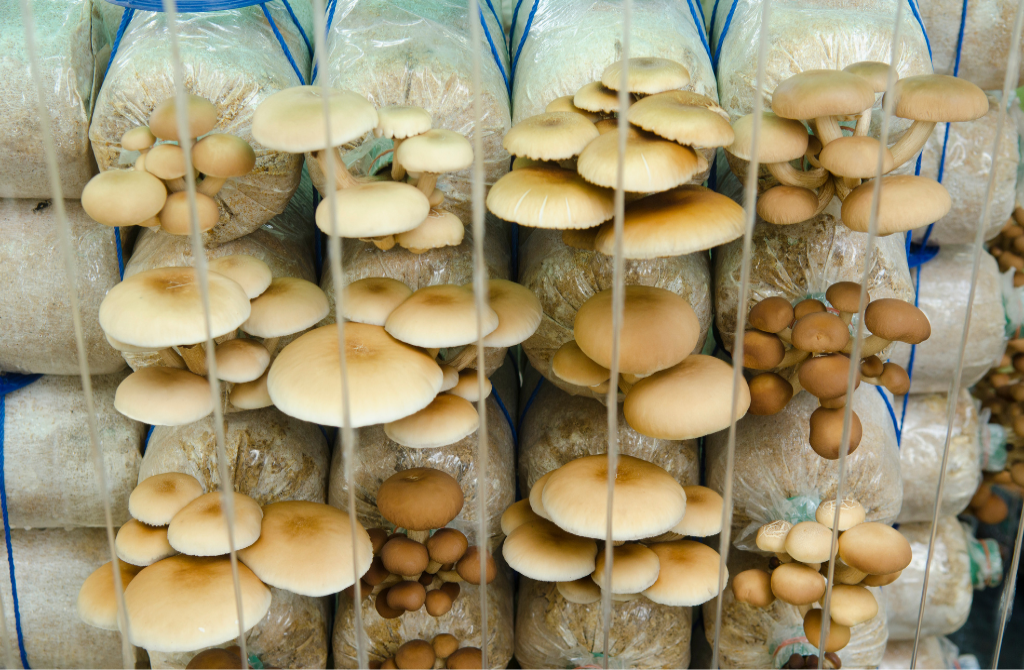
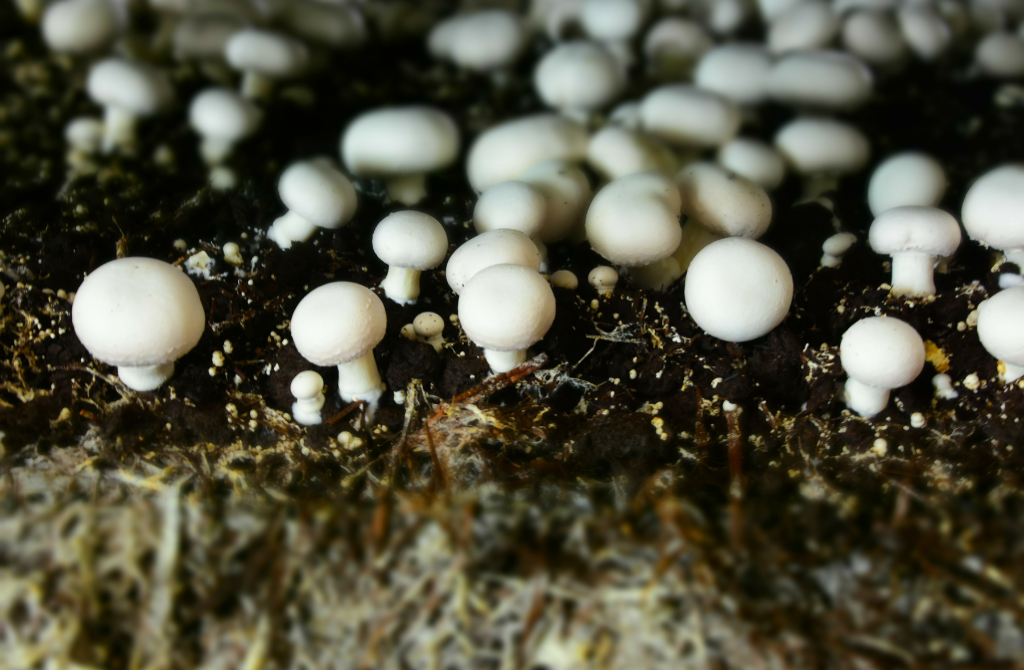
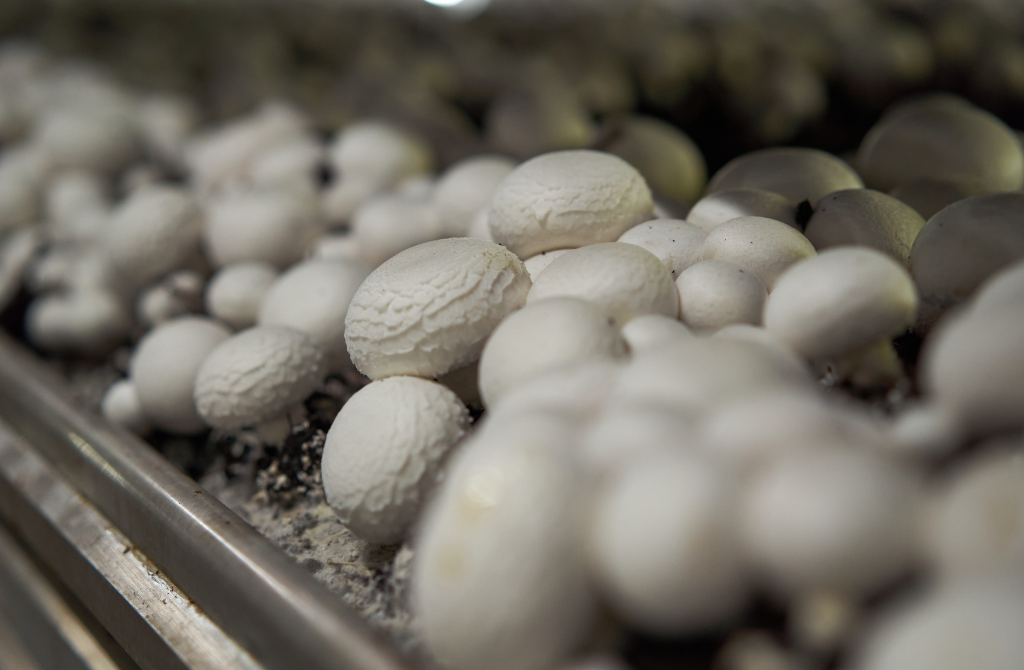
Unlocking Nature’s Treasures
Hey there, fellow mushroom enthusiasts! Today, I’m excited to delve into a fascinating world of cultivation – growing mushrooms in a greenhouse. If you’re looking for a unique and rewarding venture, this is the perfect opportunity to blend your love for gardening with the intrigue of mushroom cultivation. In this guide, I’ll walk you through the ins and outs of this captivating process and provide some invaluable suggestions to ensure your success.
Why Choose a Greenhouse for Mushroom Cultivation
Imagine having complete control over your mushrooms’ environment, shielding them from the unpredictable weather and external elements. That’s the beauty of growing mushrooms in a greenhouse. With precise control over temperature, humidity, and lighting, your fungi friends will thrive without a worry. Not to mention, the extended growing seasons mean you can enjoy fresh mushrooms all year round!
Selecting the Right Mushroom Varieties
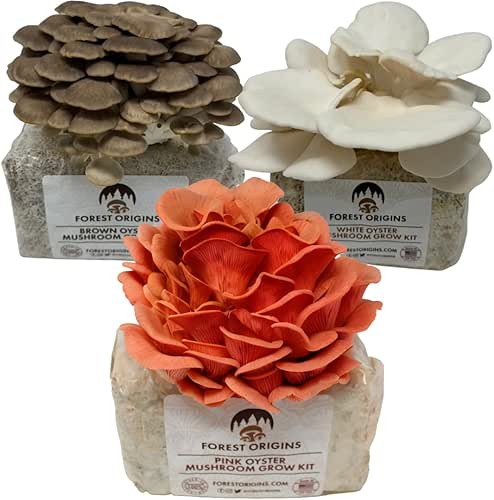
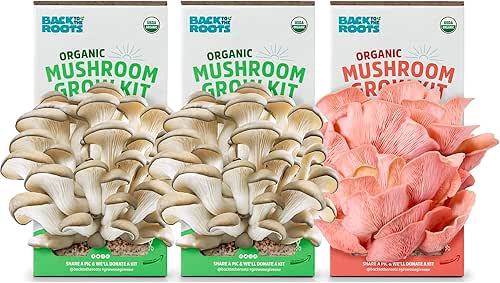
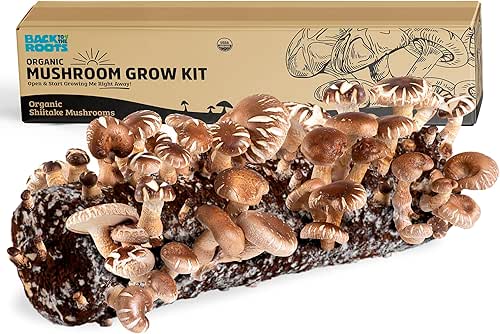
Before you dive in, it’s crucial to choose the right mushroom varieties for your greenhouse. Different mushrooms have varying preferences for temperature and humidity. For a successful harvest, opt for species that align with the controlled environment of a greenhouse. Think about popular choices like oyster mushrooms, shiitakes, and even the elusive morels, all of which flourish under greenhouse conditions.
Setting Up the Greenhouse
Now that you’ve selected your mushroom companions, let’s talk about setting up the ideal greenhouse environment. Proper ventilation and air circulation are essential to prevent stagnant air, which can lead to mold growth. A balance of humidity and temperature control mechanisms will ensure your mushrooms feel right at home. Choose growing mediums like compost or straw, ensuring they’re well-sterilized to prevent contamination.

Inoculation and Cultivation Process
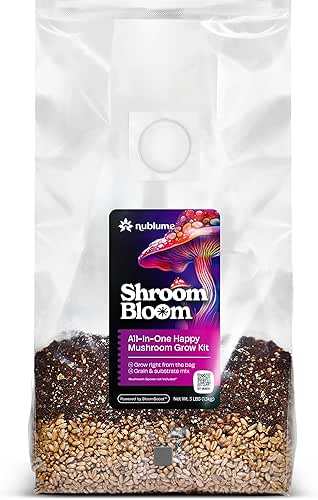
The journey begins with the inoculation phase. This involves introducing mushroom spores or spawn into your chosen growing medium. Patience is key during the incubation period – allow your mushrooms to establish their mycelium network. It’s like watching a secret garden come to life beneath the surface!
Monitoring and Maintenance
As your mushrooms embark on their growth journey, be their vigilant guardian. Regularly check temperature and humidity levels to create a hospitable atmosphere. Greenhouses offer protection against pests and diseases, but a watchful eye never hurts. With a controlled environment, you’re one step ahead in the battle against unwanted intruders.

Harvesting Techniques
Aha! The time has come to reap the rewards of your dedication. How do you know when your mushrooms are ready? Look for visual cues like open caps and vibrant colors. Equip yourself with proper harvesting tools – a gentle twist or clean cut will do the trick. And here’s a secret: mushrooms have the potential for continuous harvesting. It’s like having a perpetual treasure trove!
Troubleshooting Common Issues
As with any journey, there might be hurdles along the way. Mold creeping in? Contamination woes? Don’t fret! In the sheltered realm of a greenhouse, you have more control over these issues. Adjust humidity, sterilize equipment, and fine-tune your methods. Remember, challenges are simply opportunities for growth – pun intended!
Benefits of Greenhouse Mushroom Cultivation
What sets greenhouse mushroom cultivation apart? Consistency, my friends. While external conditions fluctuate, your greenhouse remains a haven of stability. Plus, you’re making the most of your space, utilizing it efficiently for a bountiful yield. And let’s not forget the eco-friendly aspect – greenhouse cultivation aligns perfectly with sustainable and organic practices.
Tips for Maximizing Yield and Quality
Achieving peak mushroom production involves some finesse. Keep your growing area clean and sanitized to prevent contamination. Rotate mushroom varieties to maintain soil health and nutrient balance. If you’re feeling adventurous, dive into advanced techniques like companion planting and mycorrhizal partnerships. The world of mushroom cultivation is as diverse as the fungi themselves!
Market Demand and Opportunities
Ever heard of the gourmet mushroom trend? It’s not just a fad – it’s a thriving market with increasing demand. People are becoming more conscious of what they consume, and gourmet mushrooms fit the bill perfectly. By growing mushrooms in your greenhouse, you’re tapping into a potential goldmine of local and niche markets. The economic prospects for greenhouse growers are undeniably promising.
Conclusion
And there you have it, fellow enthusiasts – the captivating world of growing mushrooms in a greenhouse. We’ve explored the advantages, techniques, and potential that await you on this exciting journey. As you embark on this path, remember that you’re not just cultivating mushrooms; you’re nurturing a connection with nature that’s as special as the mushrooms themselves. So, roll up your sleeves, gather your tools, and let the mushroom magic unfold!
FAQs About Growing Mushrooms in a Greenhouse
- Can I use any type of greenhouse for mushroom cultivation?
Absolutely! However, ensure your chosen greenhouse provides proper ventilation and humidity control. - Are there specific mushrooms suited for beginners?
Definitely! Oyster mushrooms and shiitakes are great choices for those starting their journey. - How often can I harvest mushrooms from my greenhouse?
Depending on the variety, you can enjoy multiple harvests throughout the growing season. - Is organic greenhouse mushroom cultivation possible?
Absolutely! Greenhouses offer an ideal environment for practicing organic mushroom cultivation. - What’s the best way to market greenhouse-grown mushrooms?
Local farmers’ markets, restaurants, and specialty food stores are excellent avenues to showcase and sell your produce.
Urban Greenhouse Gardening
Cultivating Nature in the Heart of the City
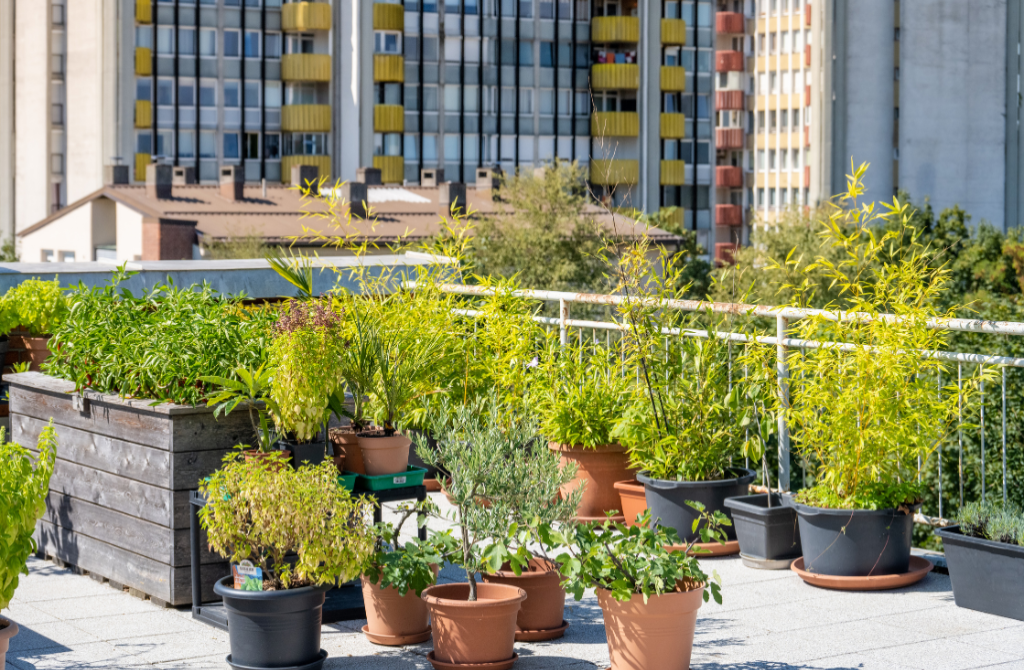
As an avid gardening enthusiast, I can attest to the magic that urban greenhouse gardening brings to the concrete jungles we call cities. It’s not just about growing plants; it’s about creating a serene oasis in the midst of urban chaos, all while enjoying the thrill of cultivating your own produce. In this article, I’ll share with you the wonders of urban greenhouse gardening, offer valuable suggestions, and provide compelling reasons to embark on this green journey.
Benefits of Urban Greenhouse Gardening
Enhanced Plant Growth
Urban greenhouse gardening is like giving your plants a five-star spa treatment. The controlled environment ensures that plants receive the perfect balance of sunlight, temperature, and nutrients. This results in accelerated growth and robust yields, surpassing what traditional outdoor gardening can offer.
Year-Round Gardening
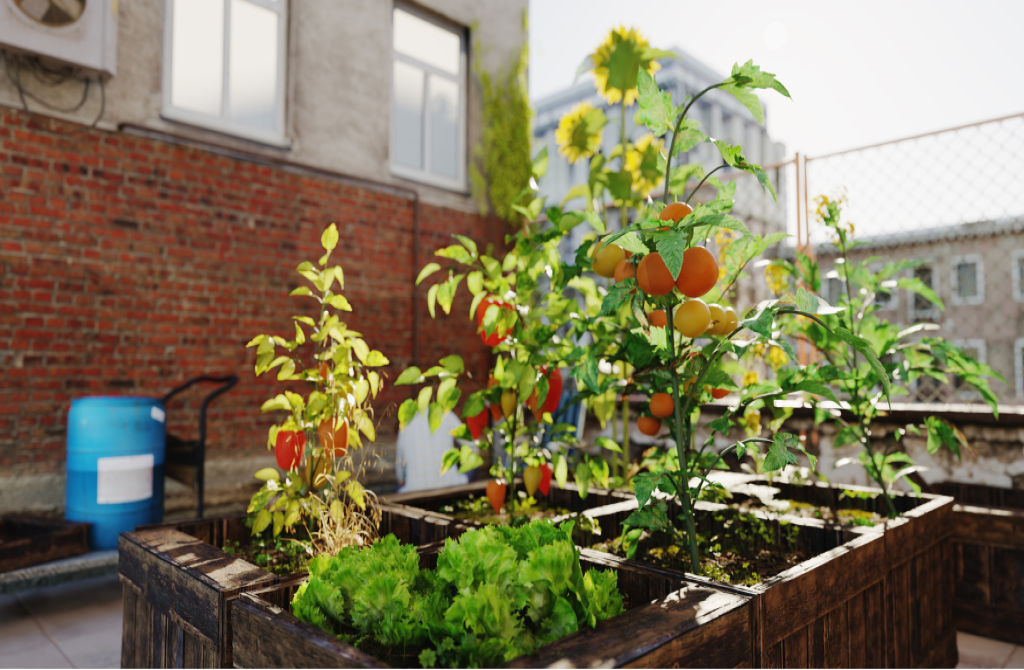
Imagine plucking sun-ripened tomatoes in the dead of winter – that’s the magic of urban greenhouse gardening. Greenhouses extend the growing season, allowing you to cultivate your favorite plants throughout the year. Say goodbye to the limitations imposed by frost and chilly weather.
Pest and Disease Control
Greenhouse’s act as a protective shield against common garden pests and diseases. The enclosed space keeps unwelcome critters at bay, reducing the need for harmful pesticides. This means healthier, safer produce for you and your family.
Choosing the Right Greenhouse
Size and Location
Selecting the right greenhouse size depends on your available space and gardening goals. If you’re tight on space, a small lean-to greenhouse can fit neatly against a wall. If space isn’t an issue, freestanding models offer more room to explore diverse planting options.
Materials and Construction
When it comes to materials, choose a greenhouse with sturdy frames like aluminum or galvanized steel. Polycarbonate panels provide excellent insulation, while glass panels offer unparalleled clarity. Ensure proper ventilation through adjustable windows and roof vents.
Selecting Suitable Plants
Edibles and Ornamentals
The beauty of urban greenhouse gardening lies in its versatility. You can grow a variety of plants, from juicy strawberries and vibrant peppers to exotic orchids. Mix edibles with ornamentals to create a visually appealing oasis.
Climate Considerations
Understand your local climate and choose plants that thrive in the controlled environment of a greenhouse. Tropical plants like citrus trees and orchids relish the warmth, while cool-season crops like lettuce and spinach can flourish during winter.
Setting Up the Greenhouse
Temperature and Humidity Control
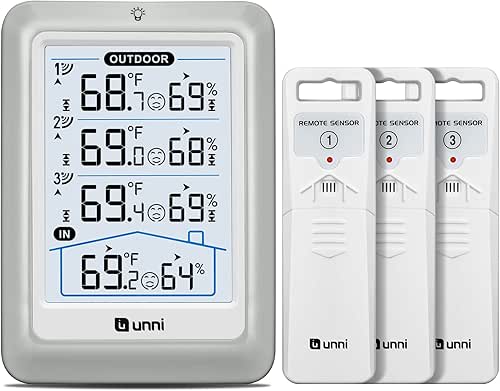
Invest in a thermometer and hygrometer to monitor temperature and humidity levels. Most plants prefer a comfortable range, so be prepared to adjust as needed.
Ventilation and Air Circulation
Proper airflow is crucial to prevent mold, disease, and overheating. Install fans to ensure consistent air circulation and consider automatic vent openers for hassle-free temperature control.

Optimizing Plant Care
Watering and Fertilization
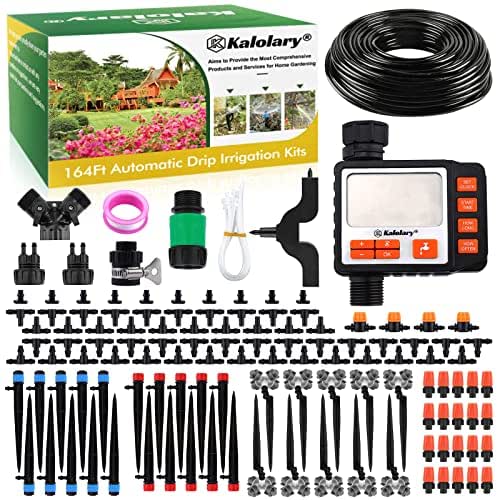
Maintain a regular watering schedule and ensure proper drainage to prevent root rot. Greenhouse plants often require more frequent feeding due to their rapid growth – choose a balanced fertilizer for best results.
Pruning and Training
Encourage healthy growth and prevent overcrowding by regularly pruning and training your plants. Pinch back the tips of young plants to promote bushier growth and remove dead or yellowing leaves promptly.
Urban Greenhouse Design Ideas
Vertical Gardening
Maximize your greenhouse space by going vertical. Vertical gardening not only saves space but also adds a stunning visual dimension to your greenhouse.
Aquaponics Systems
For the adventurous gardener, consider setting up an aquaponics system. This innovative method combines aquaculture (fish farming) with hydroponics, creating a self-sustaining ecosystem.
Challenges and Troubleshooting
Pest Management
Despite the protective environment, pests can still find their way in. Implement integrated pest management strategies, like introducing beneficial insects, to keep unwanted guests under control.
Disease Prevention
Prevent diseases by maintaining good hygiene within your greenhouse. Disinfect tools, pots, and surfaces regularly to minimize the spread of pathogens.
Connecting with the Community
Sharing Excess Produce
One of the joys of urban greenhouse gardening is sharing your abundance with neighbors. Host plant swaps or donate your surplus produce to local food banks – it’s a wonderful way to foster community connections.
Educational Workshops
Become a greenhouse guru in your community by hosting workshops. Teach others about the joys and challenges of greenhouse gardening, promoting a greener lifestyle.
Sustainability and Eco-Friendly Practices
Rainwater Harvesting
Collect rainwater to water your plants – it’s a sustainable way to reduce your water bill and provide your plants with chemical-free hydration.

Composting
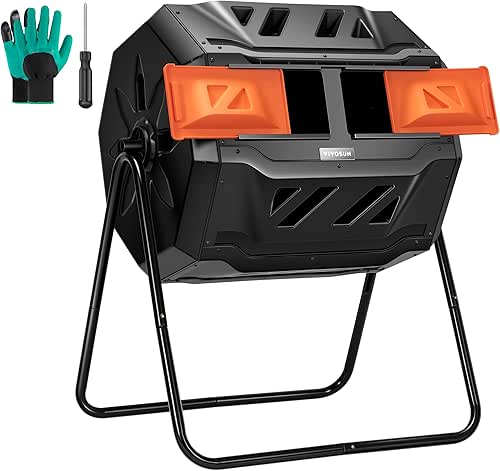
Create nutrient-rich compost from kitchen scraps and garden waste. Composting not only reduces landfill waste but also enriches your greenhouse soil.
Enjoying the Fruits of Your Labor
Harvesting and Enjoying Fresh Produce
There’s nothing quite like the satisfaction of harvesting and enjoying the fruits of your labor. From farm-to-table in seconds, your meals will be bursting with flavor and nutrition.
Stress Relief and Relaxation
Amidst the bustling city life, your greenhouse becomes a sanctuary. Engaging in gardening activities provides an escape from daily stress, promoting relaxation and mental well-being.
Conclusion
Urban greenhouse gardening is a remarkable journey that transforms urban spaces into flourishing sanctuaries. From cultivating a diverse array of plants to reaping the benefits of fresh produce, the greenhouse offers a world of possibilities. So, whether you’re a green thumb looking to experiment, or a city dweller yearning for nature’s touch, embrace the magic of urban greenhouse gardening and watch your urban space come alive.
FAQs About Urban Greenhouse Gardening
- Is greenhouse gardening suitable for beginners?
Greenhouse gardening can be tailored to different skill levels. Starting with easy-to-grow plants and gradually expanding your knowledge will make it enjoyable for beginners. - Can I grow fruit trees in a greenhouse?
Absolutely! Fruit trees like citrus, figs, and peaches thrive in greenhouses, especially in regions with cooler climates. - What is the cost range of setting up an urban greenhouse?
Costs vary based on size, materials, and features. A small DIY greenhouse can cost a few hundred dollars, while larger, professionally installed models can range from several thousand to tens of thousands. - How do I prevent common pests in my greenhouse?
Implement preventive measures like proper ventilation, cleaning, and introducing beneficial insects. Regularly inspect plants for signs of pests and take action promptly. - What are some creative ways to arrange plants in a small greenhouse?
Utilize vertical space with hanging baskets, shelves, and trellises. Group plants with similar water and light needs to optimize space and care.
Growing Desert Plants in Greenhouses
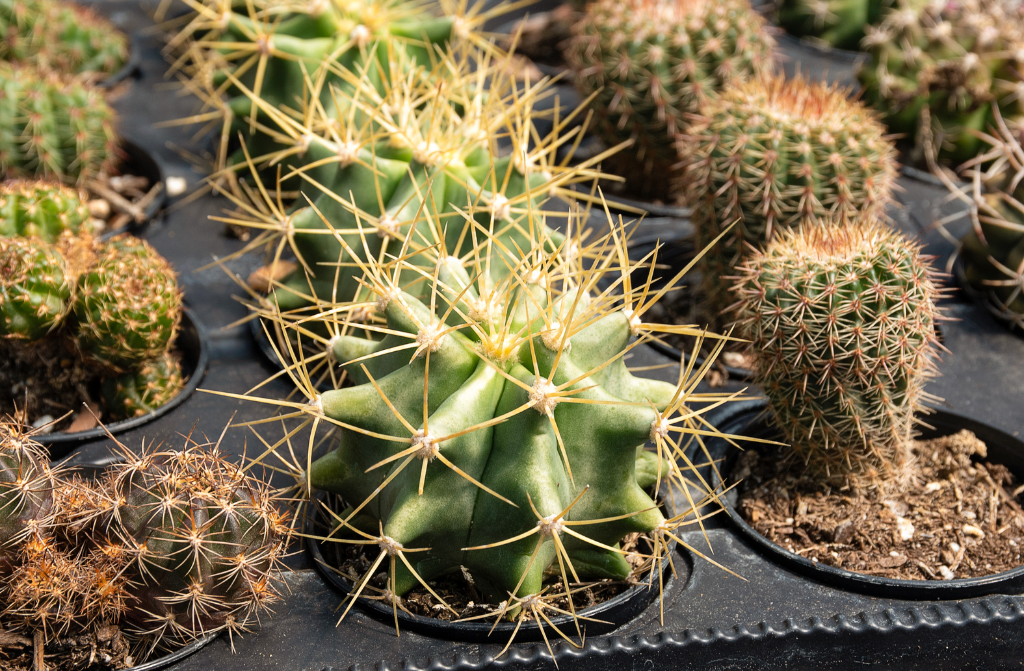
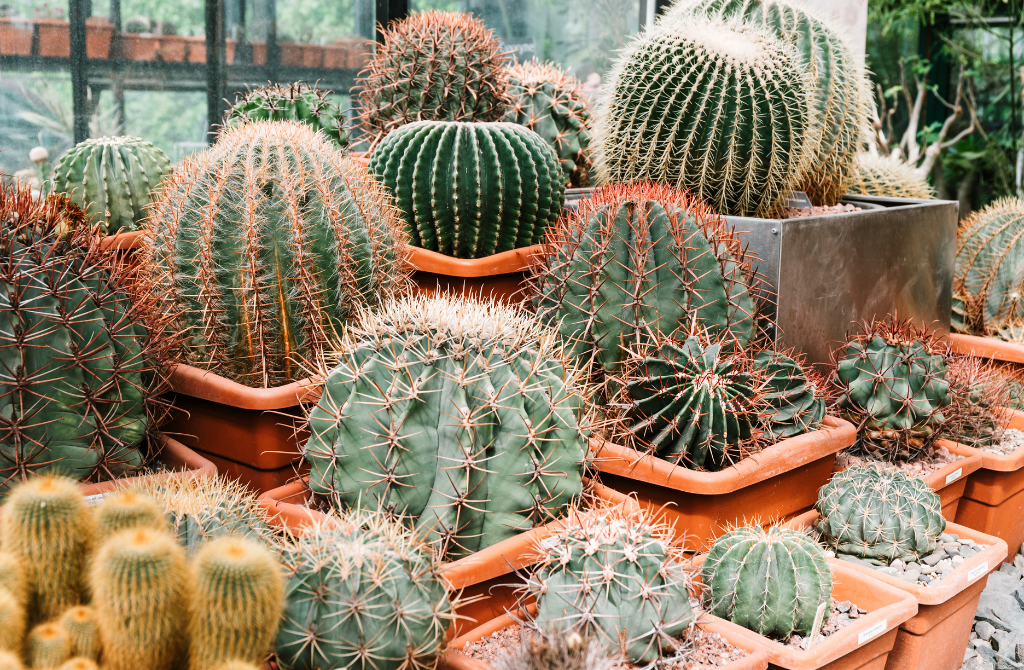
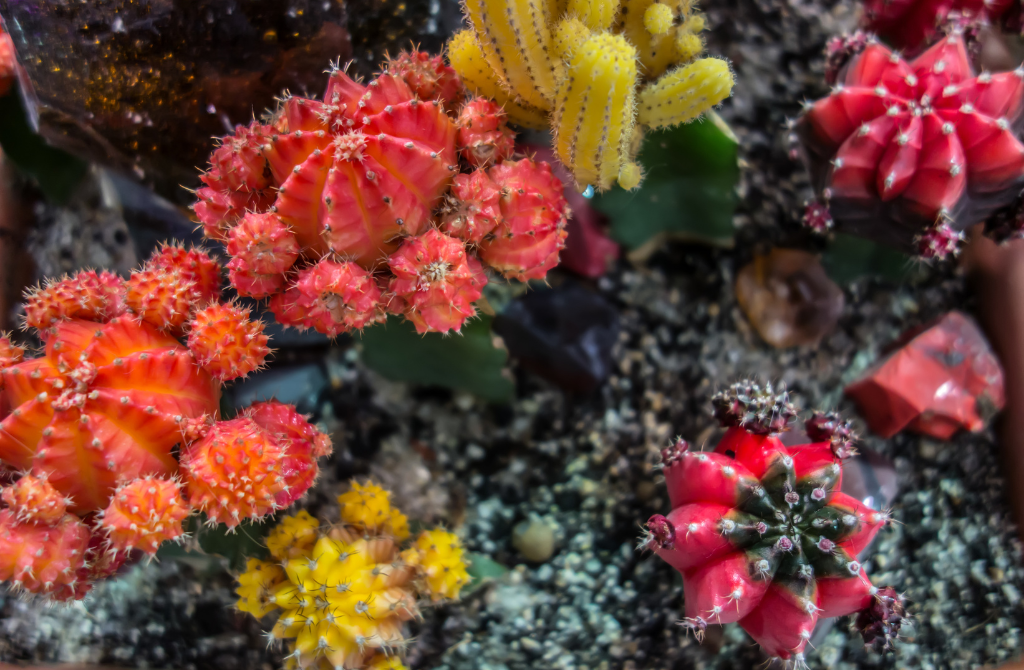
As someone who has always been captivated by the resilience and unique beauty of desert plants, I found myself drawn to the idea of cultivating these fascinating specimens in a controlled environment. Greenhouses, with their ability to mimic and optimize conditions, have opened up a world of possibilities for nurturing desert flora. Join me on this journey as we explore the remarkable practice of growing desert plants in greenhouses, and discover the advantages, challenges, and strategies that make this endeavor both exciting and rewarding.
Advantages of Growing Desert Plants in Greenhouses
Imagine creating an oasis within an oasis. Greenhouses provide a haven for desert plants, shielding them from the harsh realities of their natural habitat. One of the greatest advantages is the ability to control the environment. From temperature and humidity to light and ventilation, every element can be tailored to suit the specific needs of each plant. This leads to optimal growth rates, stronger root systems, and vibrant blooms.
Protection is another key benefit. Desert plants, adapted to extreme conditions, can struggle outside their native habitat. Greenhouses offer a buffer against high winds, sandstorms, and temperature fluctuations, enabling these plants to thrive without the constant battle against nature’s elements.
An extended growing season is also within your grasp. Greenhouses provide a stable climate, allowing you to cultivate desert plants year-round, even in regions with unforgiving winters. Additionally, the controlled environment reduces the risk of pests and diseases, minimizing the need for chemical interventions.
Water scarcity is a pressing concern in arid regions. Greenhouse cultivation can be a solution, as it enables efficient water use through sophisticated irrigation systems. With drip irrigation techniques and well-draining soil, water wastage is minimized while plants receive the hydration they need to flourish.
Choosing the Right Desert Plants
Before embarking on your greenhouse journey, take the time to research different desert plant species. Not all plants are created equal, and some may be better suited for greenhouse cultivation than others. Consider factors like growth habits, mature size, and water requirements. Matching the plants to the greenhouse environment is essential for their successful adaptation.
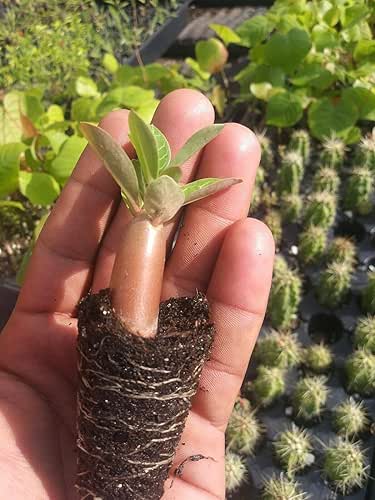
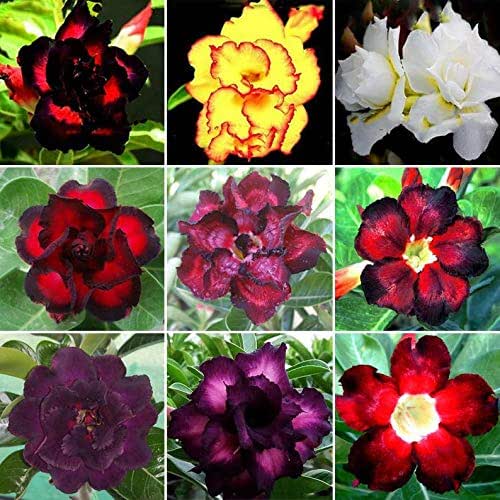
Furthermore, opt for drought-tolerant plant varieties. These hardy species have evolved to thrive in environments with minimal water availability. They’re more likely to withstand the controlled yet still challenging conditions of a greenhouse setting.
Setting Up the Greenhouse
Location matters when it comes to greenhouses. Choose a spot that receives ample sunlight throughout the day while being shielded from strong winds. The orientation of the greenhouse can significantly impact temperature regulation. East-west orientation allows for even exposure to sunlight, preventing plants from leaning towards the light source.
Temperature and humidity control are crucial elements. Desert plants, accustomed to temperature fluctuations, still need a consistent environment. Employ heating and cooling systems to replicate their native climate. Monitoring devices can help you fine-tune the settings for optimal growth.
Adequate irrigation and drainage systems are also essential. Overwatering is a common mistake that can lead to root rot, so ensure proper drainage to prevent waterlogged soil.
Soil and Substrate Selection
The foundation of successful desert plant cultivation lies in the soil. Opt for well-draining soil mixes that mimic the sandy or rocky desert terrain. Sandy soil with added organic matter provides the necessary drainage while retaining some moisture.
Adding organic matter to the soil enhances water retention, a critical aspect for desert plants. This mimics the natural way these plants utilize water, making it available over time rather than all at once.
Lighting Requirements
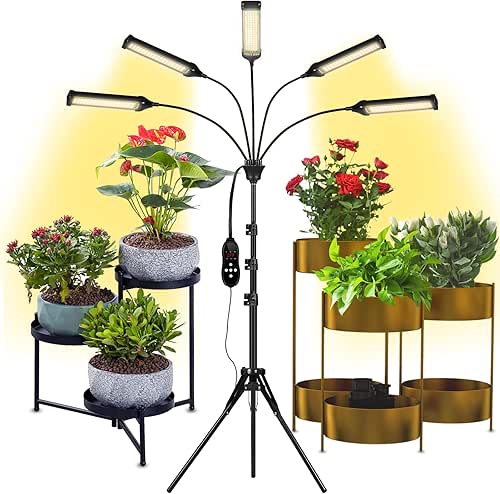
Desert plants are accustomed to intense sunlight. To replicate this, ensure your greenhouse receives ample light. Consider installing shading systems to prevent scorching during peak sunlight hours. Artificial lighting can supplement natural light, especially during cloudy periods or in regions with limited sunlight.
Watering Strategies
Efficiency is the name of the game when it comes to watering desert plants in greenhouses. Drip irrigation systems deliver water directly to the plant’s root zone, minimizing evaporation and runoff. Monitoring soil moisture levels helps prevent overwatering, a common mistake that can be detrimental to these arid-adapted plants.
Temperature and Humidity Management
Desert environments are characterized by temperature variations, with cool nights and scorching days. Greenhouses can replicate these fluctuations to some extent. Automated systems can regulate daytime and nighttime temperatures, while evaporative cooling techniques maintain a balanced humidity level.
Pest and Disease Control
While greenhouses offer protection, vigilance against pests and diseases is still necessary. Prevention is key; regularly inspect plants for signs of infestation. Maintain a clean greenhouse environment, free of debris that can harbor pests.
Pruning and Maintenance
Pruning plays a vital role in promoting healthy growth. Properly pruned plants have improved air circulation and light penetration, reducing the risk of disease. Removing dead or diseased growth keeps the plants looking their best.
Fertilization Techniques
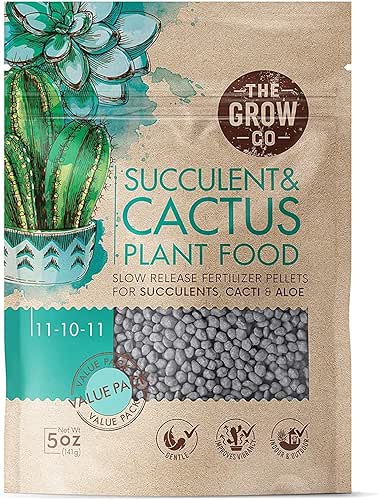
Desert plants have adapted to nutrient-poor soils. Mimic this by using slow-release fertilizers that provide nutrients over time. Regularly monitor nutrient levels to avoid over-fertilization.
Challenges and Solutions
Greenhouse cultivation isn’t without challenges. Sudden temperature fluctuations can stress plants. Employ shade cloths during the hottest parts of the day and consider insulation for cold nights. Extreme humidity changes can also impact plant health. Monitor humidity levels and use evaporative cooling to maintain a suitable range.
Harvesting and Utilizing Desert Plants
Knowing when to harvest is essential for maintaining the vitality of desert plants. Different plants have varying harvesting times, so research each species thoroughly. Desert plants have an array of uses, from ornamental landscaping to herbal remedies. Explore their potential in various industries and value chains.
Personal Experience and Success Stories
In my own journey of cultivating desert plants in greenhouses, I’ve witnessed the magic of watching these hardy plants thrive in a controlled environment. From the stunning blossoms of cacti to the unique foliage of succulents, each plant has its story to tell. The sense of accomplishment that comes with successfully nurturing these plants is immeasurable. I encourage you to embark on your own adventure and experience the joy of growing desert plants in greenhouses.
Conclusion
Growing desert plants in greenhouses is a harmonious blend of science and nature. The advantages of controlled environments, extended growing seasons, and water conservation make this practice not only feasible but also highly rewarding. With the right strategies in place, you can enjoy a flourishing garden of desert beauty right in your own backyard. So, take the plunge, explore the world of desert plants, and let the vibrant hues and intricate forms of these resilient specimens captivate your heart.
FAQs about Growing Desert Plants in Greenhouses
- Can I use a small greenhouse for growing desert plants?
Absolutely! Small greenhouses can be tailored to suit the needs of desert plants, providing a microcosm of their native environment. - Are there specific desert plant species that are ideal for greenhouse cultivation?
Yes, there are many options. Succulents like Aloe vera and Echeveria, as well as cacti like the Bunny Ears Cactus, are excellent choices. - What kind of artificial lighting should I use in my greenhouse?
LED grow lights are popular for their energy efficiency and ability to provide the right spectrum of light for plant growth. - How often should I water desert plants in a greenhouse?
It depends on factors like the type of plant, greenhouse temperature, and humidity. Generally, water when the top inch of soil feels dry. - Can I replicate desert pollinators in a greenhouse setting?
While it’s challenging to replicate the exact conditions, you can encourage pollination by introducing beneficial insects or using a small brush to transfer pollen between flowers.
Is greenhouse cultivation more eco-friendly than traditional outdoor gardening?
Greenhouse cultivation can be more resource-efficient due to controlled water usage and reduced need for pesticides. However, energy consumption for climate control should be considered.
As you embark on your journey of growing desert plants in greenhouses, remember that each step you take is an exploration into the wonders of nature’s adaptability. With a little dedication and a touch of innovation, you can create a thriving oasis of desert beauty in your very own greenhouse sanctuary.
Organic Farming in a Greenhouse
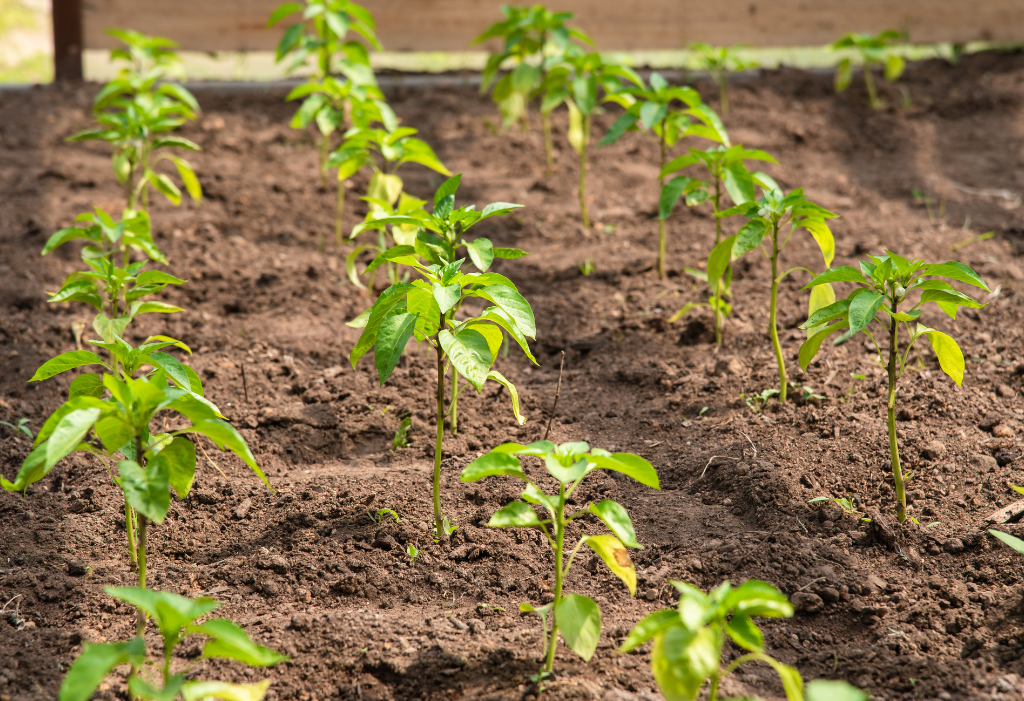
A Sustainable Path to Nourishing Growth
Introduction to Organic Farming in a Greenhouse
As someone deeply passionate about sustainable agriculture, I’ve found a remarkable synergy between organic farming and greenhouse cultivation. The enchanting world of organic farming in a greenhouse embraces nature’s rhythms while harnessing the controlled environment of a greenhouse. In this article, I’ll share the magic that unfolds when these two concepts intertwine, providing you with insights, suggestions, and compelling reasons to explore the realm of organic farming in greenhouses.
Benefits of Greenhouse Organic Farming
The marriage of organic principles with greenhouse technology yields a plethora of advantages. Imagine creating a haven where crops thrive year-round under carefully calibrated conditions. Greenhouses provide an opportunity for meticulous control over temperature, humidity, and light, creating an optimal environment for crops to flourish. The use of synthetic pesticides and chemicals is greatly minimized, fostering healthier produce that resonates with conscientious consumers. Moreover, the extended growing seasons offered by greenhouses grant the ability to cultivate varieties that might otherwise be limited by climate constraints.
Setting Up a Greenhouse for Organic Farming
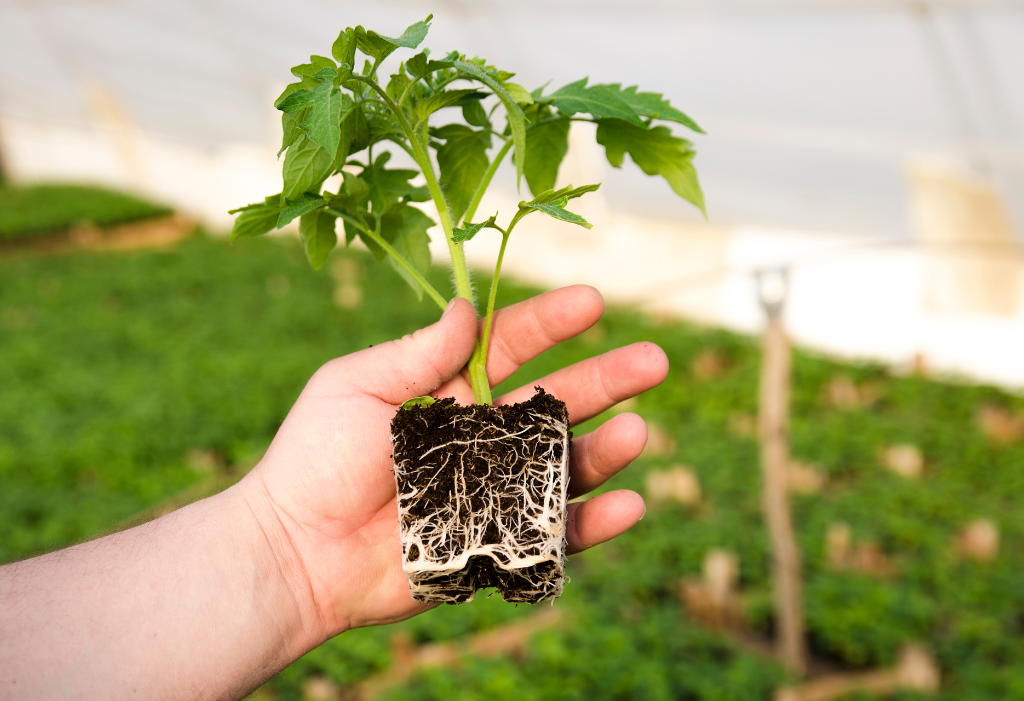
The foundation of successful greenhouse organic farming rests upon thoughtful planning and strategic execution. Begin by selecting an ideal location that receives ample sunlight and shields crops from harsh winds. Once the location is secured, curate a list of crops suited to greenhouse cultivation, considering factors like light requirements and space utilization. Prioritize organic soil management practices, embracing composting, cover cropping, and vermiculture to enrich the soil and encourage robust plant growth.
Key Practices in Greenhouse Organic Farming
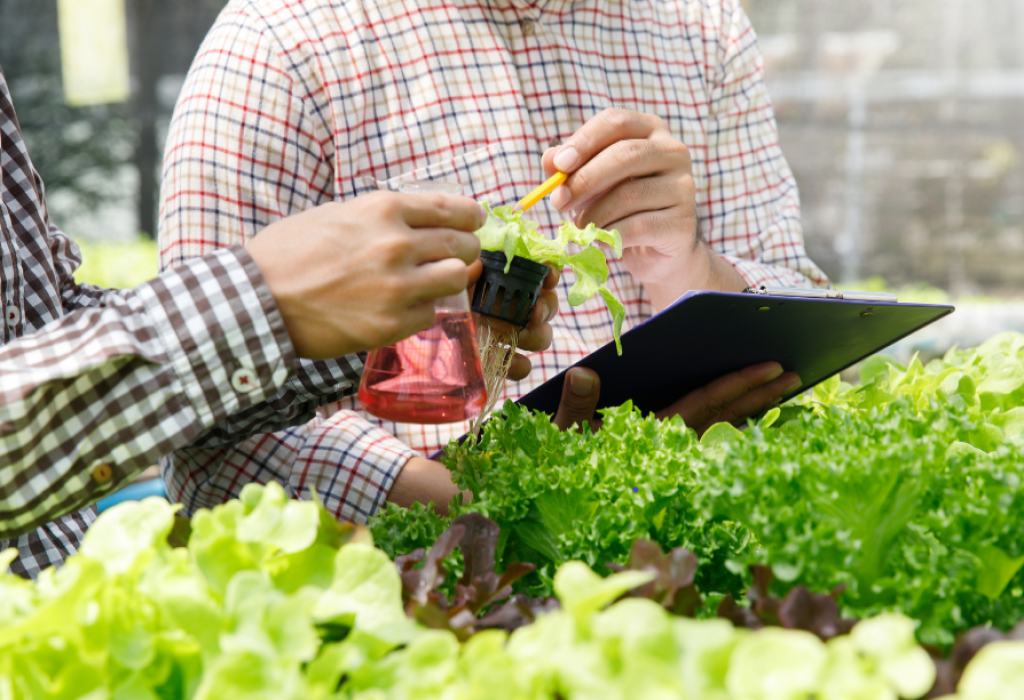
Diving deeper, let’s explore key practices that infuse vitality into your greenhouse oasis. Engage in companion planting and polyculture, where diverse plants support each other’s growth by deterring pests and enhancing soil health. Employ biological pest control methods, such as introducing beneficial insects and employing natural predators, to maintain a delicate ecological balance within your greenhouse. For nourishment, opt for organic fertilization techniques like compost teas and fish emulsion, bestowing your plants with nutrient-rich sustenance.
Maintaining a Balanced Greenhouse Ecosystem
To ensure a thriving greenhouse ecosystem, it’s essential to embrace biodiversity. By diversifying plant species, you discourage the proliferation of pests and diseases while enhancing soil structure. Responsible water management, including the use of drip irrigation systems and rainwater harvesting, contributes to resource conservation. Regular monitoring of climate conditions, aided by automated systems and diligent observation, empowers you to adjust temperature, humidity, and ventilation for optimal plant health.
Challenges and Solutions
Of course, challenges emerge in every agricultural endeavor, but the beauty of organic greenhouse farming lies in its solutions. Combat diseases without chemicals by employing techniques like crop rotation and selecting disease-resistant plant varieties. Tackle weeds through diligent manual removal, mulching, and using organic weed suppressants. Balance nutrient levels through soil testing and careful adjustments, fostering harmonious growth without synthetic fertilizers.
Economic and Environmental Sustainability
The allure of greenhouse organic farming extends beyond personal satisfaction. By choosing this path, you actively contribute to environmental sustainability. Reduced reliance on synthetic chemicals minimizes pollution and soil degradation, nurturing the land for generations to come. Additionally, the premium quality and ethical production associated with organic produce can command higher market prices, offering economic sustainability for your efforts.
Steps to Get Started with Greenhouse Organic Farming
Embarking on this journey requires research, planning, and enthusiasm. Educate yourself about organic practices, greenhouse management, and crop specifics. Design a greenhouse layout that optimizes space and sunlight distribution, utilizing vertical gardening techniques for efficient use of space. Source organic seeds, saplings, and materials from reputable suppliers to ensure the integrity of your organic venture.
Transitioning to Organic Certification
Should you choose to delve deeper into the world of greenhouse organic farming, consider pursuing organic certification. Familiarize yourself with the standards set by certifying bodies and integrate them into your practices. Maintain detailed records of cultivation methods, inputs, and harvesting processes. Consistency is key—adhere to organic practices rigorously to attain and uphold certification.
Personal Experience and Success Story
Allow me to share a glimpse of my own journey into the realm of greenhouse organic farming. What began as a curious experiment evolved into a passionate commitment to sustainable agriculture. Witnessing the flourishing crops, the vibrant ecosystem, and the wholesome produce has been profoundly rewarding. The trials along the way only strengthened my resolve, demonstrating the resilience of nature when nurtured with care.
Conclusion
The union of organic agriculture and greenhouse technologies offers a rewarding approach to both crop yield and environmental conservation. As you embark on your own journey, remember that you’re nurturing not just plants but also a healthier, more sustainable future.
FAQs About Greenhouse Organic Farming
- What are the basics?
Merging organic agriculture with greenhouse technology provides a year-round, eco-friendly farming method. - Can hydroponics be incorporated?
Absolutely! Organic hydroponics, utilizing natural nutrient solutions, is a progressive approach within greenhouse organic farming. - How do I control pests without synthetic chemicals in a greenhouse?
Embrace biological controls such as introducing ladybugs and releasing nematodes, creating an ecosystem where pests are kept in check naturally. - Is it more labor-intensive than conventional methods?
While initial setup may demand attention, a well-designed system can minimize ongoing labor, relying on nature’s balance for long-term efficiency. - What are organic fertilizer options?
Compost teas, fish emulsion, and organic matter incorporation offer nutrient-rich alternatives, enriching soil health and plant vitality.