The Best Mini Greenhouses for Your Backyard
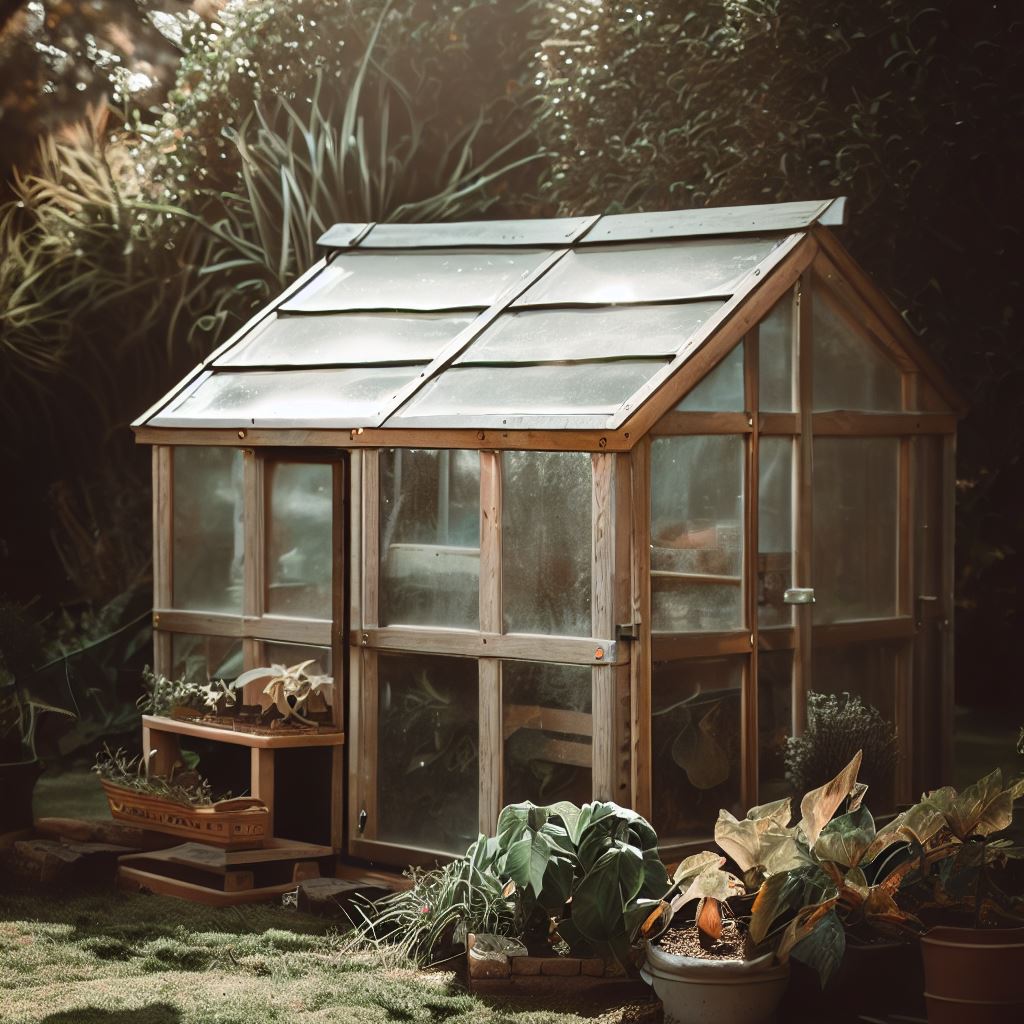
A mini greenhouse can be a practical addition to a backyard garden, especially when space is limited or you want to protect young plants from changing weather conditions.
The best mini greenhouses for your backyard provide a useful balance of growing space, durability, ventilation, and ease of assembly.
Whether you’re starting seeds in early spring, growing herbs, or protecting delicate plants during cooler weather, choosing the right mini greenhouse can make gardening more convenient.
In this guide, we’ll explore the benefits of mini greenhouses, important features to compare, three greenhouse options from the original article, and practical tips for installation and maintenance.
What Is a Mini Greenhouse?
A mini greenhouse is a compact growing structure designed to create a more sheltered environment for plants.
Unlike a full-size greenhouse, a mini greenhouse generally requires less space and may be portable or suitable for placement against a wall, on a patio, or in a small backyard.
Mini greenhouses come in several styles, including:
- Small shelving greenhouses with transparent covers.
- Portable walk-in greenhouses.
- Pop-up greenhouses.
- Cold frames and low growing enclosures.
- Compact rigid-panel greenhouses.
The most suitable design depends on your climate, available space, and the plants you intend to grow.
Benefits of Mini Greenhouses
1. Creating a More Protected Growing Environment
A mini greenhouse helps shelter plants from wind, heavy rain, and some temperature fluctuations.
On sunny days, the enclosure can become warmer than the surrounding air, which may benefit seedlings and cool-season plants.
However, mini greenhouses can also overheat quickly, so proper ventilation and temperature monitoring are essential.
2. Extending the Growing Season
Mini greenhouses can help gardeners start seeds earlier in spring and protect selected plants during cooler autumn weather.
The amount of additional growing time depends on local temperatures, greenhouse construction, sunlight, and whether supplemental heating is used.
An unheated mini greenhouse does not guarantee protection during severe freezes.
3. Providing Some Protection From Pests
Greenhouse covers may reduce exposure to certain outdoor pests and animals.
However, insects and plant diseases can still enter or develop inside an enclosure.
Regular inspections, sanitation, and adequate airflow remain important.
4. Making Better Use of Limited Space
Compact greenhouses can accommodate plants on shelves or within a small footprint.
Vertical shelving is particularly useful for seed trays, herbs, and smaller potted plants.
Always check the weight capacity of shelves before loading them with watered containers.
Factors to Consider When Choosing a Mini Greenhouse
Size and Available Space
Measure the area where you plan to install your greenhouse.
Allow enough room to open doors, access shelves, water plants, and move safely around the structure.
If you plan to grow larger plants, consider their mature height and width rather than only their size when purchased.
Frame Materials
Mini greenhouse frames are commonly made from steel, aluminum, plastic, or wood.
Metal frames can provide good strength, while lightweight plastic components may make portable structures easier to move.
Compare frame construction, corrosion resistance, connections, and manufacturer-specified load limits.
Greenhouse Covering
Common covering materials include:
- Polyethylene film: Lightweight and commonly used on portable greenhouses.
- PVC covers: Used on some budget greenhouse structures.
- Polycarbonate panels: More rigid and commonly found on permanent or semi-permanent models.
- Glass: Used in some traditional greenhouse designs but generally heavier and more fragile.
Compare durability, light transmission, insulation, and replacement-cover availability before choosing.
Ventilation
Look for roll-up doors, adjustable vents, or windows that allow warm air to escape.
Ventilation is especially important during sunny weather because temperatures can rise rapidly inside a small greenhouse.
Anchoring and Stability
Lightweight greenhouses can be vulnerable to wind.
Choose a structure with a suitable anchoring system and follow the manufacturer’s instructions for securing it.
Remove or protect portable covers during severe weather when recommended by the manufacturer.
Assembly and Portability
Some mini greenhouses use simple tubular frames, while others have pop-up mechanisms or rigid panels.
Consider how often you may need to relocate or dismantle the structure.
Three Mini Greenhouse Options for Your Backyard
The following three options are retained from the original article. They represent different styles and sizes of portable backyard greenhouses.
Affiliate disclosure: Some links on this page are affiliate links. We may earn a commission from qualifying purchases at no additional cost to you.
1. Portable Tiered Mini Greenhouse
A tiered greenhouse is a practical option for gardeners who want to organize seed trays, herbs, and smaller containers vertically.
Models with roll-up doors can provide convenient access and help with ventilation.
Before purchasing, confirm the assembled dimensions, number of shelves, shelf load ratings, and anchoring requirements.


View this mini greenhouse on Amazon
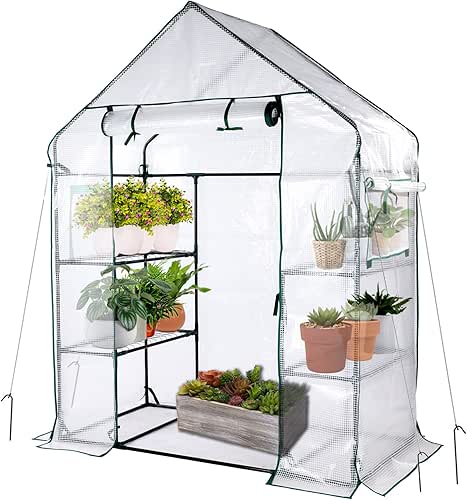
2. Portable Walk-In Greenhouse
A walk-in greenhouse offers more growing room and easier access to larger plants than a small shelf-style enclosure.
This type of greenhouse may be suitable for seed-starting benches, potted vegetables, and seasonal plant protection.
Look for a sturdy frame, accessible door, effective ventilation, and a covering suited to your climate.
Confirm the manufacturer’s current specifications before purchasing, since product configurations and included accessories may change.
View this walk-in greenhouse on Amazon
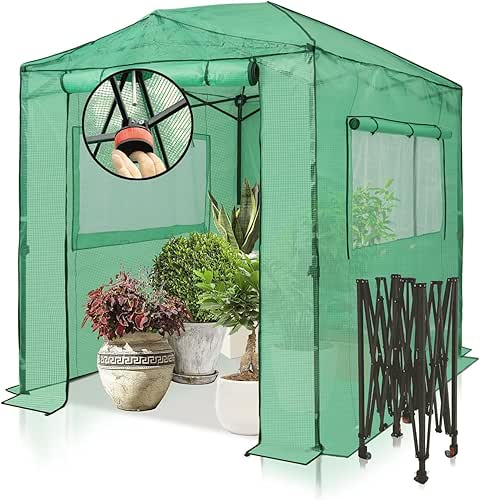
3. Compact Backyard Greenhouse Option
A compact backyard greenhouse can provide additional protection for seedlings, young vegetables, and potted plants during seasonal transitions.
Compare the available growing area, frame stability, cover construction, ventilation, and ease of maintenance.
Pay particular attention to wind exposure and whether the structure can be properly anchored.
View this greenhouse option on Amazon
Buying note: These are the original product references from this article, not a newly verified ranking. Check the current product listing, dimensions, specifications, and availability before ordering.
Which Type of Mini Greenhouse Is Best for Your Backyard?
The best option depends on your gardening goals.
For Starting Seeds
A small tiered greenhouse can provide space for several seed trays without taking up much room.
Monitor temperatures closely because seedlings can be damaged by both overheating and freezing.
For Growing Potted Vegetables
A walk-in greenhouse may offer more headroom and growing space for tomatoes, peppers, and other container-grown plants.
Remember that larger vegetables need sufficient root space, light, water, and nutrients.
For Small Patios
A narrow greenhouse with shelves can be convenient when floor space is limited.
Choose a stable location that does not block walkways or doors.
For Seasonal Plant Protection
A portable greenhouse or cold frame can help shelter selected plants during cooler weather.
Check nighttime temperatures and be prepared to provide additional protection or move sensitive plants indoors during severe cold.
How to Set Up a Mini Greenhouse in Your Backyard
Step 1: Choose a Suitable Location
Select a location with appropriate sunlight, good drainage, and convenient access to water.
Consider wind exposure and avoid areas where water collects after rainfall.
Step 2: Prepare the Ground
Clear debris and level the installation area as needed.
Depending on the greenhouse design, a suitable foundation may include compacted gravel, paving, or another stable surface.
Step 3: Assemble the Frame
Follow the manufacturer’s assembly instructions.
Check that frame connections are secure and the structure is properly aligned.
Step 4: Install the Cover
Fit the greenhouse covering according to the instructions.
Avoid excessive stretching or leaving loose sections that could flap in the wind.
Step 5: Anchor the Structure
Use an anchoring method appropriate for the greenhouse, ground surface, and local conditions.
Do not rely on the weight of plants alone to stabilize a lightweight greenhouse.
Step 6: Arrange Your Plants
Place heavier containers on lower shelves where appropriate.
Leave space between plants for airflow and growth.
Step 7: Monitor the Growing Conditions
Install a thermometer and check the greenhouse during sunny afternoons and cold nights.
Adjust ventilation and plant protection as needed.
Temperature Control in a Mini Greenhouse
Temperature management is one of the most important parts of successful greenhouse gardening.
Preventing Overheating
Even during cool weather, direct sunlight can raise temperatures significantly inside a small enclosure.
Open vents or doors when necessary and follow the greenhouse manufacturer’s recommendations.
Protecting Plants From Frost
A greenhouse cover can reduce exposure to cold wind and may retain some warmth, but an unheated greenhouse can still reach freezing temperatures.
Move sensitive plants indoors or provide appropriate additional protection when conditions require it.
Monitoring Temperature
A minimum-maximum thermometer can help you understand how much temperatures fluctuate during the day and night.
Ventilation and Humidity Management
Good ventilation helps prevent excessive heat and stagnant, humid air.
Roll-up doors and vents allow fresh air to circulate through the greenhouse.
Excessively damp conditions can encourage fungal diseases, especially when plants are crowded together.
Water appropriately, avoid leaving unnecessary standing water, and provide airflow when conditions permit.
Watering Plants in a Mini Greenhouse
Plants inside greenhouses may have different watering needs than plants growing outdoors.
Because the enclosure can reduce wind exposure and change evaporation rates, it is important to check the growing medium regularly.
- Check soil moisture before watering.
- Water the root zone rather than relying only on misting.
- Use containers with appropriate drainage.
- Avoid leaving pots standing in excess water.
- Adjust watering as temperatures and plant growth change.
Tips for Maintaining a Mini Greenhouse
Regular maintenance can help extend the useful life of your greenhouse and support healthy plant growth.
- Inspect the frame: Check connections and supports for damage or looseness.
- Check the cover: Repair or replace damaged material as needed.
- Monitor temperature: Prevent overheating during sunny weather.
- Provide ventilation: Reduce excessive humidity and stagnant air.
- Inspect plants: Look for insects, fungal growth, and other problems.
- Clean regularly: Remove debris, algae, and dead plant material.
- Check anchors: Make sure the greenhouse remains securely positioned.
- Prepare for storms: Follow manufacturer guidance for high winds and severe weather.
Common Mini Greenhouse Mistakes to Avoid
Choosing a Greenhouse That Is Too Small
Remember that plants grow. Leave room for mature plants, containers, and maintenance access.
Ignoring Wind Exposure
Portable greenhouses can be damaged or displaced by strong winds when not properly secured.
Keeping the Greenhouse Closed on Hot Days
Excessive heat can damage plants quickly. Monitor conditions and ventilate appropriately.
Assuming the Greenhouse Is Frost-Proof
Many lightweight greenhouses provide limited insulation and may not keep plants above freezing overnight.
Overcrowding Shelves
Too many plants can reduce airflow and create maintenance difficulties.
Frequently Asked Questions About Mini Greenhouses
Can I use a mini greenhouse on an apartment balcony?
Yes, some compact greenhouses may be suitable for balconies, provided the building permits them and the structure can be safely supported and secured.
Check building rules, balcony load limits, wind exposure, and drainage before installation.
Do mini greenhouses need electricity?
Not necessarily. Many basic mini greenhouses rely on natural sunlight and manual ventilation.
Electricity may be needed for supplemental lighting, heating, or automated ventilation.
Any electrical equipment used outdoors should be suitable for outdoor conditions and installed safely.
Can I grow vegetables in a mini greenhouse?
Yes. Mini greenhouses can support seed starting, herbs, leafy greens, and certain compact vegetable varieties.
Larger vegetables require enough growing space, sunlight, and suitable temperatures.
How often should I water plants inside a mini greenhouse?
Watering frequency depends on the plants, container sizes, growing medium, temperature, and humidity.
Check moisture levels regularly and adjust watering accordingly.
Can I leave plants in a mini greenhouse during winter?
Some cold-tolerant plants may remain in a mini greenhouse during winter, depending on the climate and conditions.
However, an unheated mini greenhouse does not guarantee frost protection. Monitor temperatures and move sensitive plants to a safer location when necessary.
Are mini greenhouses worth buying?
For gardeners who need a compact space for seed starting, seasonal protection, or small-scale growing, a mini greenhouse can be a useful investment.
Its value depends on durability, suitability for your climate, and how frequently you use it.
What is the best material for a mini greenhouse?
There is no single best material for every situation.
Lightweight plastic-covered structures can be convenient and affordable, while rigid-panel greenhouses may offer greater durability depending on their construction.
How do I stop a mini greenhouse from blowing away?
Use the manufacturer’s recommended anchoring system, select a sheltered installation location when possible, and take appropriate precautions before severe weather.
Some lightweight structures may need to be dismantled or relocated when high winds are expected.
Final Thoughts: Choosing the Best Mini Greenhouse for Your Backyard
The best mini greenhouse for your backyard is one that fits your available space, supports the plants you want to grow, and can withstand the conditions in your area.
Whether you choose a compact shelving greenhouse or a larger walk-in model, pay close attention to ventilation, anchoring, temperature control, and maintenance.
With the right setup and regular care, a mini greenhouse can help you start seeds, protect plants, and enjoy more gardening opportunities throughout the growing season.
Explore more greenhouse growing tips and equipment guides at Greenhouse Guide.