Gothic Arch Greenhouse
A Gothic arch greenhouse combines a distinctive pointed roof with a practical growing space for vegetables, flowers, seedlings, and other plants. Its curved sides rise toward a central peak, creating a structure that can shed rain and snow effectively when properly designed for local conditions.
Whether you are comparing backyard greenhouse kits or planning a larger growing structure, understanding the advantages, limitations, materials, ventilation needs, and costs of a Gothic arch greenhouse will help you make a better decision.
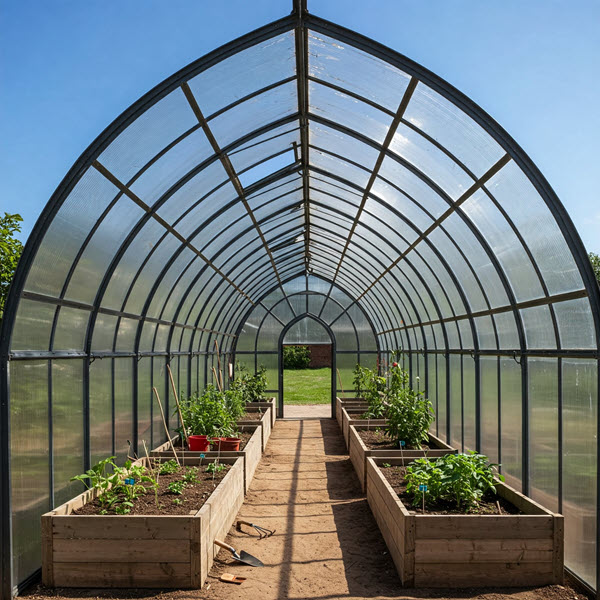
Gothic Arch Greenhouse: Key Features at a Glance
| Feature | What to Know |
|---|---|
| Roof shape | Two curved sides meet at a pointed ridge. |
| Common framing | Galvanized steel, engineered wood, or other appropriately designed structural materials. |
| Common coverings | Greenhouse polyethylene film and compatible rigid glazing systems. |
| Best applications | Backyard growing, market gardens, nurseries, and season extension. |
| Main advantages | Potentially effective snow shedding, useful central headroom, and an attractive profile. |
| Main limitations | Specialized framing, glazing compatibility, and potentially higher construction costs. |
What Is a Gothic Arch Greenhouse?
A Gothic arch greenhouse is a greenhouse structure with a roof formed by two curved sections that meet at a pointed peak. Unlike a Quonset greenhouse, which has a rounded semicircular profile, a Gothic arch has a more pronounced ridge.
The shape is sometimes described as a pointed-arch or Gothic-style greenhouse. It is used in both smaller backyard structures and larger agricultural growing houses.
The design can offer useful growing space, but the exact amount of headroom depends on the width, height, curvature, and framing system.
How Does a Gothic Arch Greenhouse Work?
Like other greenhouses, a Gothic arch greenhouse admits sunlight through a transparent or translucent covering. Solar energy warms plants, soil, benches, and other interior surfaces. The enclosure helps retain some of that warmth while reducing exposure to outdoor wind.
However, greenhouse temperatures still fluctuate with sunlight, outdoor weather, ventilation, and insulation. A Gothic arch roof does not automatically make the greenhouse suitable for year-round growing without additional climate control.
Gothic Arch vs. Other Greenhouse Designs
Choosing the right greenhouse shape involves more than appearance. Compare the usable interior space, construction requirements, weather resistance, and available budget.
| Greenhouse Style | Main Advantages | Potential Drawbacks |
|---|---|---|
| Gothic Arch | Pointed roof, attractive appearance, potentially good snow shedding. | Specialized curved framing and potentially higher costs. |
| Quonset | Simple rounded shape and often economical construction. | Less headroom near the sides; snow performance varies by design. |
| A-Frame | Straight framing members and a steep triangular roof. | Sloping sides can reduce usable space near the perimeter. |
| Gable Roof | Conventional construction and flexible ventilation options. | May require more framing and structural connections. |
Important: No roof shape is automatically stormproof. Snow and wind resistance depend on the engineered structure, anchors, covering, local climate, and installation quality.
Advantages of a Gothic Arch Greenhouse
1. Effective Snow and Rain Shedding
The pointed roof can encourage precipitation to move down the sides rather than remain at the peak. This is especially useful in areas where snow accumulation is a concern.
Actual performance depends on roof curvature, glazing friction, temperature, structural strength, and snow load. Choose a greenhouse rated for your area’s conditions rather than relying on roof shape alone.
2. Useful Growing Height
The central peak can provide space for tall plants, trellises, hanging baskets, and certain growing systems. Some Gothic arch designs also provide better usable height toward the sides than a similarly sized Quonset structure.
Check the manufacturer’s sidewall clearance and interior dimensions before planning benches or vertical growing systems.
3. Attractive Architectural Appearance
The pointed arch creates a distinctive profile that can complement landscaped gardens, traditional properties, and more decorative backyard growing areas.
4. Flexible Greenhouse Applications
Gothic arch structures can be used for seasonal vegetable production, seed starting, nursery plants, cut flowers, and protected growing beds.
Larger models may accommodate irrigation lines, propagation benches, circulation fans, and crop-support systems.
5. Potentially Efficient Structural Design
A properly engineered arch distributes loads through curved framing members. This can create a strong and relatively open interior without excessive intermediate posts.
Structural efficiency depends on the framing system, connections, foundations, and bracing.
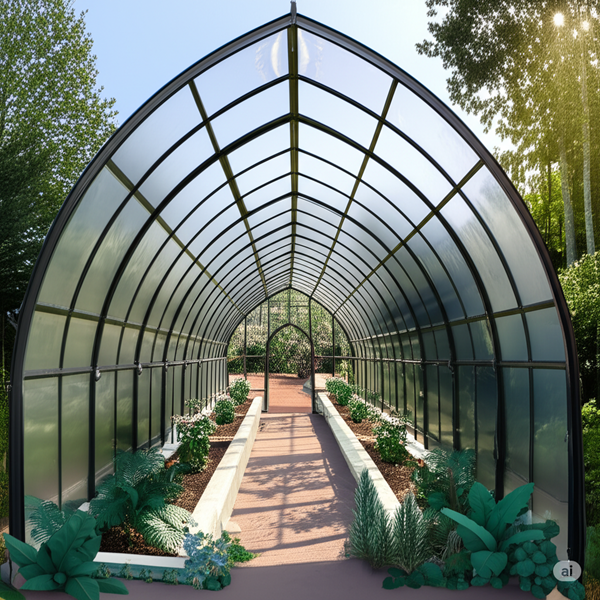
Disadvantages of a Gothic Arch Greenhouse
Higher Initial Construction Costs
Curved structural members may be more expensive than simple straight framing. Specialized parts and shipping can also increase the price of certain greenhouse kits.
More Complex DIY Construction
Creating consistent curved framing members requires suitable materials, tools, and construction methods. A complete greenhouse kit can simplify installation, but the frame still needs proper assembly and anchoring.
Covering Compatibility
Flexible greenhouse film generally follows curved structures easily. Rigid polycarbonate panels require an appropriate bend radius and manufacturer-approved fastening system.
Do not force rigid glazing into a curve tighter than the manufacturer allows.
Heating and Cooling Requirements
Gothic arch greenhouses still need ventilation during warm weather and may require heating during winter. The roof shape alone does not eliminate energy costs or prevent overheating.
Where Gothic Arch Greenhouses Work Best
Backyard Vegetable Gardens
A smaller Gothic arch greenhouse can protect vegetable beds and containers from wind, heavy rain, and some cold-weather conditions.
It can also extend the growing season for crops such as lettuce, spinach, kale, tomatoes, and peppers when temperatures are managed appropriately.
Commercial and Market Gardening
Larger Gothic arch structures can provide covered growing space for nursery production, cut flowers, and market-garden crops.
Commercial growers should evaluate ventilation capacity, equipment access, structural ratings, irrigation, and operating expenses before choosing a greenhouse.
Schools and Community Gardens
A Gothic arch greenhouse can serve as an educational space for plant propagation, seasonal growing, and demonstrations of controlled-environment agriculture.
Safe access, appropriate pathways, and reliable climate monitoring are particularly important in shared facilities.
Cold or Snowy Regions
The pointed roof may be advantageous where snow shedding matters, but only if the greenhouse is designed for local snow loads and installed correctly.
For heavy-snow regions, look for documented structural specifications and follow the manufacturer’s winter maintenance guidance.
Choosing the Best Location for a Gothic Arch Greenhouse
Sunlight Exposure
Choose a location with dependable sunlight, especially during the seasons when you plan to grow crops. Trees, fences, buildings, and nearby structures can cast significant winter shadows.
Greenhouse Orientation
The best orientation depends on latitude, greenhouse dimensions, prevailing winds, surrounding shade, and the intended growing season.
There is no single orientation that works best for every greenhouse. Evaluate the site before finalizing the layout.
Drainage
Avoid low-lying areas where water collects after storms. Good drainage helps protect foundations, reduce muddy walkways, and limit persistent moisture problems.
Wind Exposure
Exposed locations may require stronger anchoring, bracing, and coverings. Avoid placing the greenhouse where nearby structures create unusual wind turbulence.
Water and Electrical Access
Consider how you will supply irrigation water, operate ventilation equipment, and provide safe electrical service if heating or automation is planned.
Local Building Requirements
Check zoning, setbacks, permits, and applicable building requirements before purchasing or constructing a greenhouse.
What Size Gothic Arch Greenhouse Should You Choose?
The ideal size depends on your available land, crop selection, growing method, and budget.
| Example Size | Floor Area | Possible Use |
|---|---|---|
| 6 × 8 feet | 48 sq. ft. | Small container garden or seedlings. |
| 10 × 12 feet | 120 sq. ft. | Backyard vegetables and propagation benches. |
| 12 × 20 feet | 240 sq. ft. | Larger home garden or small market-garden setup. |
| 20 × 40 feet | 800 sq. ft. | Substantial production area requiring more detailed planning. |
These are examples of footprint sizes, not specifications for particular products. Allow enough room for walkways, doors, crop access, ventilation equipment, and maintenance.
Best Materials for a Gothic Arch Greenhouse
Galvanized Steel Framing
Galvanized steel is a common choice because it provides structural strength and corrosion resistance. It is particularly useful in larger greenhouses and professionally engineered kits.
Inspect the coating and connection details, especially in humid or coastal environments.
Wood Framing
Wood can be used for appropriately engineered greenhouse structures, although curved Gothic arch members may require laminated or specially fabricated components.
Choose suitable lumber and protect it from persistent moisture and ground contact.
PVC and Lightweight Framing
Lightweight framing can be suitable for certain small temporary growing shelters. However, PVC and similar materials should not be assumed to provide adequate resistance to strong winds or heavy snow.
Use framing systems only within their intended structural limits.
Greenhouse Polyethylene Film
Greenhouse-grade polyethylene film is a common covering for curved greenhouse structures.
Advantages include relatively low initial cost, light weight, and easy installation over compatible framing.
Disadvantages include periodic replacement, vulnerability to damage, and generally lower insulation than many multiwall glazing systems.
Polycarbonate Panels
Multiwall polycarbonate can offer improved insulation and durability, but panel flexibility and fastening requirements must match the greenhouse curvature.
Confirm the minimum permitted bend radius, UV-facing side, thermal expansion allowances, and sealing requirements.
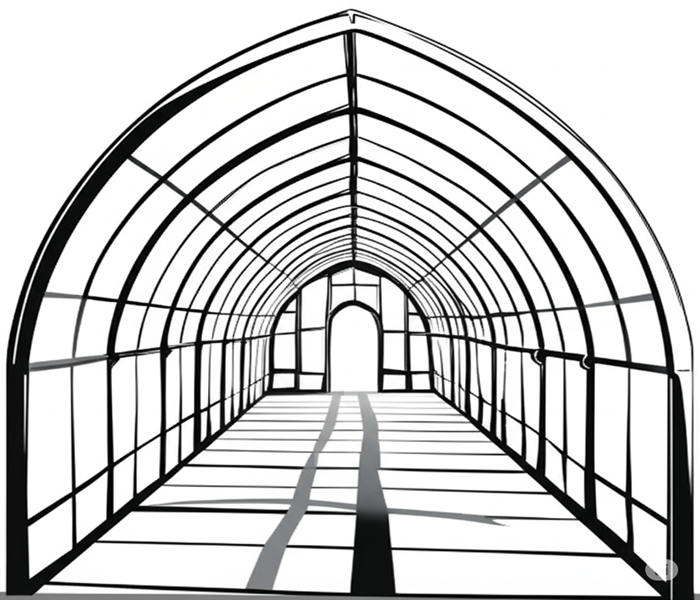
How to Build a Gothic Arch Greenhouse Step by Step
The following steps provide a general overview rather than an engineered construction plan. Use a manufacturer-approved kit or structural drawings appropriate for your location.
Step 1: Determine Your Growing Requirements
Decide which plants you want to grow, whether the greenhouse will operate seasonally or year-round, and how much space you need for beds, containers, benches, and pathways.
Step 2: Select an Appropriate Design
Choose a greenhouse with suitable dimensions, structural ratings, ventilation provisions, and covering materials.
For snowy or windy locations, verify the stated design loads rather than relying on general marketing descriptions.
Step 3: Prepare the Site
Remove obstacles, establish a level working area, and plan drainage. Mark the greenhouse footprint and confirm the door locations.
Step 4: Install Foundations and Anchors
Use the foundation and anchoring method specified for the structure and soil conditions. Options may include engineered ground anchors, concrete footings, or another approved foundation system.
Step 5: Assemble the Gothic Arch Frame
Follow the frame assembly sequence carefully. Install the curved ribs, ridge connections, horizontal members, and bracing according to the approved design.
Check alignment and fastening before installing the covering.
Step 6: Install the Greenhouse Covering
Attach greenhouse film or compatible rigid glazing according to the manufacturer’s instructions.
For film coverings, proper tension and secure fastening help reduce flapping and premature wear.
Step 7: Fit Doors and Ventilation Openings
Install doors, vents, screens, and other openings. Confirm that they operate freely and can be secured during adverse weather.
Step 8: Arrange Beds and Walkways
Plan planting areas around the available headroom. Keep access routes clear and ensure that irrigation and electrical components do not create trip hazards.
Step 9: Install Climate-Control Equipment
Add thermometers, humidity monitoring, circulation fans, vents, shade cloth, or heating equipment as needed for your crops and climate.
Step 10: Inspect Before Planting
Check anchors, fasteners, glazing, door operation, drainage, and ventilation. Test irrigation and any automatic controls before relying on the greenhouse for valuable plants.
Gothic Arch Greenhouse Ventilation and Cooling
Ventilation is essential because greenhouse temperatures can rise rapidly during sunny weather, even when outdoor temperatures feel comfortable.
Roof and End-Wall Vents
High vents can release warm air, while lower openings allow replacement air to enter. The most effective arrangement depends on the greenhouse size and configuration.
Roll-Up Side Ventilation
Some film-covered Gothic arch greenhouses use roll-up sidewalls to increase airflow. These systems are particularly useful during warm growing seasons.
Exhaust and Circulation Fans
Exhaust fans exchange interior air with outdoor air. Circulation fans help reduce stagnant areas and improve air movement around plants.
Fans should be selected for the greenhouse volume and intended climate-control requirements.
Automatic Vent Controls
Thermostats and automatic vent openers can help regulate temperature when manual adjustments are inconvenient.
Inspect and test automatic systems regularly, especially during periods of extreme heat.
Shade Cloth
Appropriate shade cloth can reduce excessive solar heating. Choose shading based on plant requirements and local conditions rather than covering the greenhouse indiscriminately.
Heating a Gothic Arch Greenhouse in Winter
A Gothic arch greenhouse can support winter growing, but the amount of heating required depends on outside temperatures, greenhouse size, glazing, air leakage, and crop temperature requirements.
Improve Insulation
Use suitable greenhouse coverings, repair damaged seals, and reduce unnecessary air leakage while maintaining adequate ventilation.
Consider Thermal Mass
Water containers and other thermal-mass materials can absorb some daytime heat and release it as temperatures fall.
Thermal mass may moderate temperature swings, but it does not replace a reliable heater during prolonged freezing conditions.
Use Supplemental Heating When Necessary
Choose heating equipment intended for greenhouse use and sized for the expected heat loss.
Follow electrical and fire-safety requirements. Avoid unvented combustion heaters that may introduce harmful gases or excess moisture.
Monitor Temperatures at Plant Level
Place temperature sensors near the growing area and check nighttime lows. A thermostat or monitoring system can provide useful protection for sensitive crops.
What Can You Grow in a Gothic Arch Greenhouse?
Cool-Season Vegetables
Lettuce, spinach, kale, Swiss chard, radishes, and certain brassicas are useful options for cooler growing periods.
Additional frost protection or heating may still be required in very cold climates.
Tomatoes and Peppers
Tomatoes and peppers can benefit from protected growing conditions, especially where the outdoor growing season is short.
Provide suitable warmth, light, airflow, irrigation, and plant support.
Cucumbers and Climbing Crops
The central height of a Gothic arch greenhouse can accommodate trellised cucumbers and other climbing plants.
Attach trellis supports only where the structure is designed to carry the additional load.
Herbs
Basil, parsley, cilantro, chives, and other herbs can be grown in containers or dedicated beds, provided their temperature and light requirements are met.
Seedlings and Young Plants
Propagation benches can make efficient use of the greenhouse during spring planting season.
Young plants often require careful monitoring of moisture, temperature, and airflow.
Flowers and Nursery Plants
Gothic arch greenhouses can also be used for ornamental plants, cut flowers, and container nursery production.
How to Organize the Growing Space
- Use the tallest areas: Place trellised crops or taller equipment where sufficient headroom is available.
- Use side areas wisely: Lower benches, containers, or shorter crops may fit beneath the curved sides.
- Maintain clear walkways: Leave enough room to reach plants, operate tools, and transport materials safely.
- Keep vents unobstructed: Avoid placing shelving or tall plants where they block essential airflow.
- Plan irrigation access: Position hoses, valves, and watering equipment so they remain easy to inspect.
- Allow maintenance clearance: Leave access to frame connections, covering fasteners, and climate-control equipment.
How Much Does a Gothic Arch Greenhouse Cost?
The cost of a Gothic arch greenhouse varies widely according to size, structural specifications, materials, foundation requirements, installation, and climate-control equipment.
A small portable film-covered greenhouse may cost substantially less than a permanent structure with engineered steel framing and insulated glazing.
Main Greenhouse Cost Factors
- Frame: Lightweight temporary framing versus heavier engineered structural members.
- Covering: Greenhouse film versus compatible rigid glazing.
- Size: Larger structures require more materials and may involve additional installation expenses.
- Foundation: Ground anchors, footings, site preparation, and drainage.
- Ventilation: Manual openings, roll-up sides, fans, and automatic controls.
- Heating: Equipment, installation, and ongoing energy costs.
- Irrigation: Hoses, drip lines, timers, filtration, and water storage.
- Labor: DIY assembly versus professional installation.
- Maintenance: Cover replacement, hardware, repairs, and seasonal servicing.
For accurate budgeting, request current quotes for the complete installed greenhouse rather than comparing frame-only prices.
Ways to Reduce Greenhouse Costs
- Choose a size that matches your realistic growing needs.
- Compare complete kits rather than individual component prices alone.
- Use greenhouse-grade film when it is suitable for the intended structure and climate.
- Plan irrigation and ventilation before installation to avoid expensive changes later.
- Reuse suitable materials only when they meet structural and safety requirements.
- Maintain the greenhouse regularly to reduce preventable repair costs.
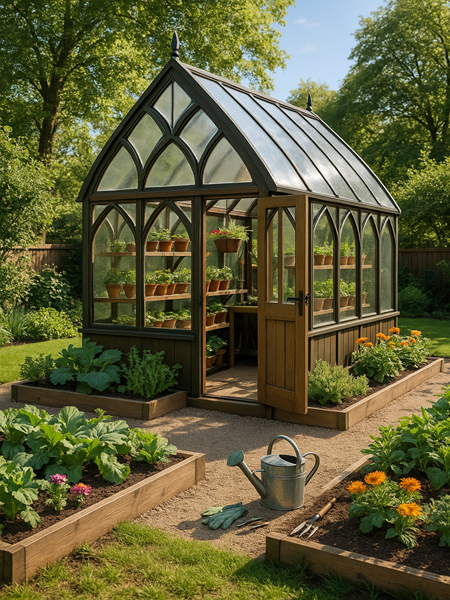
Gothic Arch Greenhouse vs. Quonset Greenhouse
Both designs use curved framing, but the Gothic arch has a pointed ridge while the Quonset greenhouse has a more rounded profile.
A Gothic arch may offer advantages for snow shedding and certain interior layouts. A Quonset structure may be easier or less expensive to manufacture, depending on the framing system.
Neither design is universally better. Compare actual dimensions, load ratings, covering materials, ventilation options, and total costs.
Gothic Arch Greenhouse vs. A-Frame Greenhouse
An A-frame greenhouse has straight, sloping roof sections that form a triangular profile. A Gothic arch greenhouse uses curved sections that meet at a peak.
The Gothic arch may offer more usable space near the sides in some designs, while the A-frame may be simpler to construct with straight framing members.
For backyard use, choose based on the available site, desired appearance, crop layout, and structural requirements.
Gothic Arch Greenhouse vs. Gable Roof Greenhouse
A gable roof greenhouse has straight roof planes supported by walls and framing members. It can be a practical choice for rigid glazing, conventional doors, and roof ventilation.
A Gothic arch provides a different structural profile and may be well suited to flexible coverings and certain growing layouts.
The best choice depends on materials, climate, available construction methods, and budget.
Gothic Arch Greenhouse Kits: Product Options
If you prefer a ready-made greenhouse instead of building from individual materials, consider a kit designed with a Gothic arch or pointed tunnel profile.
Before purchasing, verify the product dimensions, frame materials, covering specifications, ventilation features, anchoring requirements, and stated weather limitations.
Affiliate disclosure: Some product recommendations may contain affiliate links. If you purchase through a qualifying link, this website may earn a commission at no additional cost to you.
Option 1: Portable Gothic Arch Tunnel Greenhouse


This portable tunnel-style greenhouse is described as having a pointed Gothic arch profile, with approximate dimensions of 70.9 × 70.9 × 78.7 inches.
Features described in the original product listing include:
- A pointed roof profile intended to encourage precipitation runoff.
- A walk-in growing area suitable for smaller backyard applications.
- Zippered access openings.
- Mesh ventilation windows.
- Sandbag pockets, tie-down ropes, and ground stakes for added stability.
Best suited for: Gardeners seeking a compact, portable growing shelter for seasonal use.
Before buying: Confirm the current product specifications, anchoring instructions, and weather limitations. Portable greenhouses should not be assumed suitable for heavy snow or severe storms.
Option 2: Walk-In Gothic Arch Greenhouse with Reinforced PE Cover
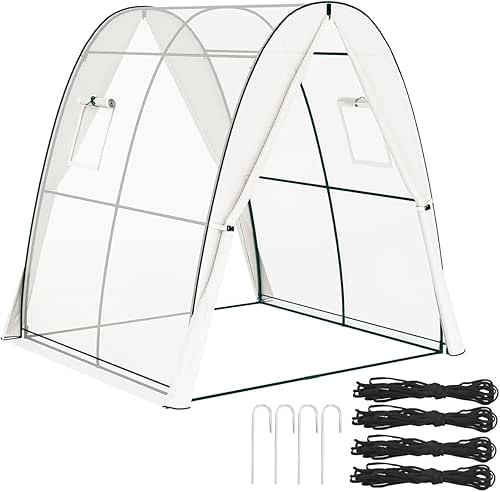
This second portable Gothic arch greenhouse is described as a lightweight walk-in structure with a reinforced polyethylene cover and ventilation openings.
Features described in the original product listing include:
- A pointed Gothic arch design.
- A reinforced PE covering.
- Zippered front and rear access.
- Mesh ventilation windows.
- Sandbag and guy-rope stabilization features.
- Lightweight components intended for relatively straightforward assembly.
Best suited for: Small-space gardeners who want an enclosed seasonal growing area without constructing a permanent greenhouse.
Before buying: Review the current listing for exact dimensions, covering specifications, assembly requirements, and recommended weather conditions.
Gothic Arch Greenhouse Maintenance Checklist
Regular maintenance can help protect the greenhouse structure and maintain a healthy growing environment.
- Inspect the frame: Look for corrosion, damaged members, loose bolts, and shifting connections.
- Check anchors: Confirm that ground anchors, footings, and tie-downs remain secure.
- Clean the covering: Remove dirt and deposits using methods approved for the glazing material.
- Inspect greenhouse film: Repair small damage promptly and replace worn covering when necessary.
- Test ventilation: Check vents, fans, automatic controls, and screens.
- Monitor humidity: Maintain appropriate airflow and avoid persistent condensation where possible.
- Check irrigation: Inspect tubing, emitters, fittings, and filters for leaks or blockages.
- Keep drainage clear: Prevent water accumulation around the foundation and interior walkways.
- Prepare for storms: Follow the manufacturer’s guidance for closing openings, securing coverings, and managing snow.
- Inspect electrical equipment: Ensure heaters, fans, and controls remain safe for damp greenhouse environments.
Common Gothic Arch Greenhouse Mistakes to Avoid
Choosing a Greenhouse Without Checking Weather Ratings
A pointed roof does not guarantee adequate snow or wind resistance. Review the structural specifications before buying.
Installing the Greenhouse on Poorly Drained Ground
Persistent standing water can create muddy conditions and damage certain foundation systems.
Underestimating Summer Heat
Even a greenhouse designed for cold climates can overheat during sunny weather. Plan ventilation and shading before the first growing season.
Ignoring the Usable Interior Dimensions
Overall width and height do not tell you how much space is available for benches, shelves, or tall plants. Examine the curved side profile.
Using an Incompatible Covering
Some rigid panels cannot safely bend to match a Gothic arch. Follow the covering manufacturer’s installation requirements.
Skipping Routine Inspections
Loose fasteners, worn film, and blocked vents are easier to address before they lead to more serious problems.
Frequently Asked Questions About Gothic Arch Greenhouses
1. Are Gothic arch greenhouses good for snow?
They can be. The pointed roof may help snow slide off, but safe performance depends on the greenhouse’s engineered snow-load rating, covering, bracing, and installation.
2. Are Gothic arch greenhouses suitable for windy areas?
A properly engineered and anchored Gothic arch greenhouse can perform well in windy conditions. Always verify the manufacturer’s wind rating and local structural requirements.
3. Can a Gothic arch greenhouse be used year-round?
Yes, if the structure and climate-control systems are suitable for the local weather and the plants being grown. Winter heating and summer ventilation may be necessary.
4. Is a Gothic arch greenhouse better than a Quonset greenhouse?
Not in every situation. Gothic arches may offer advantages in snow shedding and certain space layouts, while Quonset designs may be more economical. Compare actual greenhouse specifications.
5. What is the best covering for a Gothic arch greenhouse?
Greenhouse-grade polyethylene film is common because it conforms to curved frames. Compatible polycarbonate systems may also be used when their bending and fastening requirements are satisfied.
6. Can I build a Gothic arch greenhouse myself?
Yes, especially with a complete kit. Custom structures require careful framing design, suitable materials, and proper foundations. Use engineering guidance when necessary.
7. Can I move a Gothic arch greenhouse after installation?
Some small portable models can be dismantled and relocated. Larger or permanent structures may require extensive disassembly and a new foundation. Follow the manufacturer’s relocation guidance.
8. Can temperature and humidity control be automated?
Yes. Thermostats, humidity sensors, fans, automatic vents, irrigation timers, and compatible controllers can help manage growing conditions.
9. How do I secure a Gothic arch greenhouse during storms?
Use the specified anchoring and bracing system, inspect connections, secure doors and vents, and follow the manufacturer’s storm-preparation instructions. Sandbags alone may not be sufficient for severe conditions.
10. What flooring works best inside a Gothic arch greenhouse?
Gravel is a practical option where good drainage is needed. Pavers, suitable walkways, and raised beds can also work. The best choice depends on accessibility, cleaning, drainage, and growing methods.
11. Do Gothic arch greenhouses need a foundation?
They need an appropriate support and anchoring system. The exact foundation depends on the structure, soil, local weather loads, and manufacturer requirements.
12. Are permits required for a Gothic arch greenhouse?
Permit requirements vary by location, structure size, foundation type, utilities, and intended use. Check with your local building or planning authority before installation.
13. How long does a Gothic arch greenhouse last?
Service life depends on the frame material, covering, exposure, maintenance, and installation quality. Frames and coverings may have very different replacement schedules.
14. Can I grow tropical plants in a Gothic arch greenhouse?
Yes, provided you can maintain the temperatures, humidity, and light conditions those plants need. Tropical growing in a cold climate may require significant heating.
15. Is a Gothic arch greenhouse worth the investment?
It can be a worthwhile choice when the design matches your growing needs, climate, and budget. Consider both purchase costs and ongoing expenses for heating, ventilation, coverings, and maintenance.
Recommended Reading
Explore these related greenhouse guides for more information about maintaining a productive growing environment:
- Greenhouse Humidity Control — Learn how airflow and humidity management affect plant health.
- Greenhouse Watering System Parts — Understand the main components of an effective irrigation system.
- Greenhouse Watering System — Compare practical approaches to greenhouse watering.
- Best Victorian Greenhouses for Your Backyard — Explore another attractive greenhouse design for home gardens.
Final Thoughts on Gothic Arch Greenhouses
A Gothic arch greenhouse offers a distinctive combination of pointed-roof architecture, flexible growing applications, and potentially effective precipitation shedding.
For home gardeners, it can provide an attractive space for vegetables, herbs, flowers, and seedlings. For larger growers, a properly designed Gothic arch structure may support more extensive protected-crop production.
The key is choosing the right size, materials, structural rating, ventilation, and climate-control equipment for your location.
With careful planning and regular maintenance, a Gothic arch greenhouse can become a valuable part of your gardening setup.
For more greenhouse design ideas, growing advice, and practical equipment guides, visit Greenhouse Guide.