Best Small Greenhouse for Your Backyard
Finding the best small greenhouse for your backyard can make gardening easier, more productive, and more enjoyable. A compact greenhouse provides a protected space for starting seeds, growing vegetables, caring for herbs, and extending the gardening season without requiring a large yard.
Whether you have a small suburban backyard, a narrow side garden, or limited space beside your home, there are greenhouse designs that can fit your available area. The challenge is choosing a structure that offers enough growing room, suitable ventilation, durable materials, and protection from your local weather conditions.
This guide explains how to choose a small greenhouse, compares three greenhouse kits from the original article, and provides practical advice about installation, temperature control, watering, plant selection, and maintenance.
What Is a Small Greenhouse?
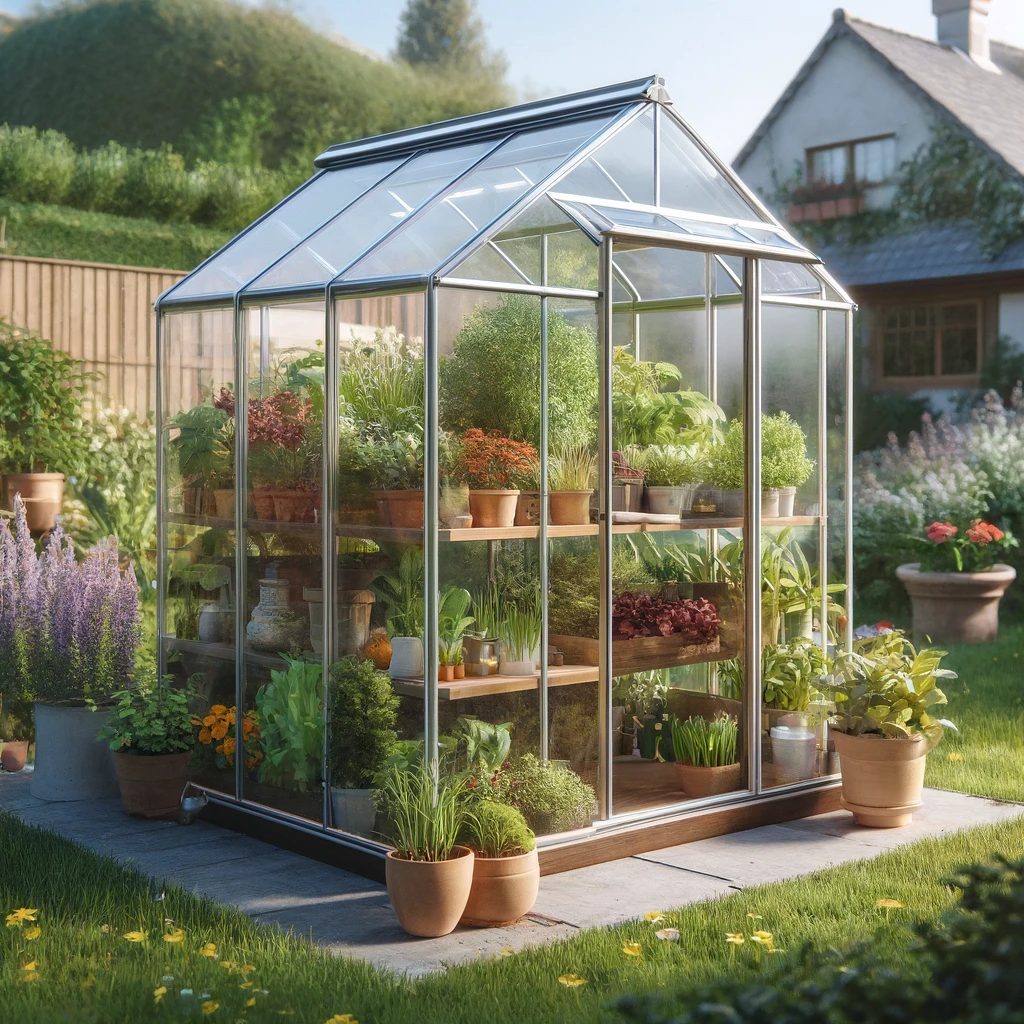
A small greenhouse is a compact growing structure designed to protect plants from direct exposure to wind, rain, and changing outdoor temperatures. It allows sunlight to reach plants while creating a more sheltered growing environment.
Small greenhouses range from miniature shelf-style structures to walk-in greenhouse kits with room for growing benches, containers, and raised beds.
Many backyard gardeners choose a compact greenhouse because it can provide additional growing opportunities without the cost and space requirements of a large greenhouse.
What Can You Use a Small Greenhouse For?
- Starting vegetable and flower seeds before outdoor planting.
- Protecting tender seedlings from wind and heavy rain.
- Extending the growing season during spring and autumn.
- Growing herbs, leafy greens, and container vegetables.
- Protecting selected ornamental plants during cooler weather.
- Providing a dedicated propagation area.
- Organizing plants and gardening supplies.
A greenhouse does not automatically remain warm during freezing weather. Depending on your climate and the plants you grow, supplemental insulation or heating may be necessary.
Factors to Consider Before Buying a Small Greenhouse
Available Backyard Space
Measure the installation area carefully before selecting a greenhouse. Consider the greenhouse footprint, door clearance, surrounding walkways, and space needed for cleaning or repairs.
Also check for nearby fences, buildings, trees, and overhead branches that could interfere with installation or reduce sunlight.
Your Greenhouse Budget
Small greenhouse prices vary according to size, frame construction, glazing materials, ventilation, and included accessories.
Remember that the greenhouse kit may not be the only expense. Foundations, anchoring, shelving, irrigation, and electrical equipment can increase the total cost.
Intended Growing Purpose
Consider whether you primarily want to start seedlings, grow vegetables, protect container plants, or maintain a small collection of specialty plants.
A compact shelf greenhouse may be sufficient for seed starting, while tomatoes, cucumbers, and larger containers often require a walk-in structure with additional height.
Local Climate and Weather
Choose a greenhouse suitable for the wind, rainfall, snow, and temperature conditions in your area.
Manufacturer wind and snow-load ratings are particularly important when selecting a permanent backyard greenhouse.
Ventilation and Temperature Control
Greenhouses can become excessively hot during sunny weather. Roof vents, side windows, and properly designed ventilation systems help regulate temperature and humidity.
Automatic vent openers and temperature-monitoring equipment can be useful additions.
Ease of Assembly
Check the manufacturer’s installation instructions, foundation requirements, and recommended number of installers before purchasing.
Some small greenhouses can be assembled relatively quickly, while others require substantial site preparation and careful alignment of framing and panels.
Best Small Greenhouses Compared
The following three small greenhouse kits appeared in the original article. Each offers a different combination of size, glazing, ventilation, and construction features.
Use this comparison to identify the design that best suits your backyard, then review the individual greenhouse descriptions directly below the chart.
| Greenhouse | Key Features | Best For |
|---|---|---|
| TRY & DO 6 x 4 ft | 4 mm double-wall polycarbonate panels, aluminum frame, adjustable roof vent, sliding door, and rain gutters. | Gardeners with limited backyard space who want a compact walk-in greenhouse. |
| HOWE 8 x 8 ft Hybrid | Hybrid polycarbonate glazing, aluminum frame, two ventilation windows, lockable hinged door, and built-in gutters. | Gardeners who need additional growing space and convenient access. |
| EAGLE PEAK 6 x 8 ft | 4 mm twin-wall polycarbonate panels, aluminum frame, galvanized base, ground anchors, roof ventilation, and rain gutters. | Gardeners seeking a medium-size walk-in greenhouse with anchoring provisions. |
Important: Product specifications, included accessories, and availability may change. Confirm current dimensions, weather ratings, and installation requirements before ordering.
Top Small Greenhouse Recommendations
These three greenhouse kits were featured in the original article. Their descriptions below summarize the original product information and explain which gardening needs each design may serve.
Affiliate disclosure: Some product links may be affiliate links. Qualifying purchases may earn this website a commission at no additional cost to you.
1. TRY & DO 6 x 4 ft Outdoor Polycarbonate Greenhouse
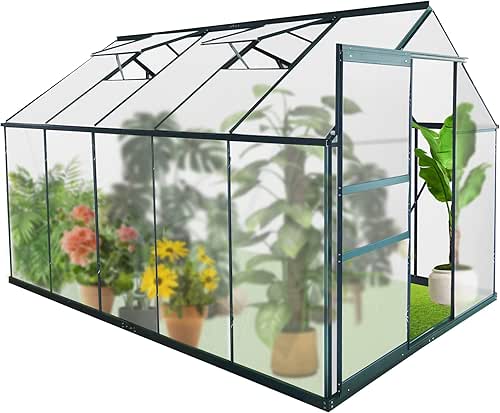
The TRY & DO outdoor greenhouse is a compact walk-in design intended for gardeners who want a protected growing area without dedicating a large portion of their backyard to greenhouse gardening.
The original listing describes a powder-coated aluminum frame, double-wall polycarbonate panels, an adjustable roof vent, a sliding door, and integrated rain gutters.

Features and Benefits of the TRY & DO Greenhouse
- Compact 6 x 4 ft design: Suitable for smaller backyard growing areas.
- 4 mm double-wall polycarbonate panels: Provide a lightweight glazing system with some insulation and light diffusion.
- Light transmission: The original listing advertises up to 70% light transmission; verify current manufacturer specifications.
- UV protection: The original description advertises UV-blocking performance, which should be confirmed with the manufacturer.
- Adjustable roof vent: Described as having five adjustable positions to help regulate airflow.
- Sliding door: Provides access while avoiding the clearance needed for a swinging door.
- Rain gutters: Help direct rainwater away from the greenhouse roof.
- Powder-coated aluminum frame: Designed to resist corrosion.
- Galvanized base: Provides a supporting foundation component.
- Panel clips: Included according to the original listing to help secure the glazing panels.
Best suited for: Gardeners with limited outdoor space who want to start seedlings, grow herbs, or maintain a compact collection of vegetables and container plants.
Things to consider: The smaller footprint limits the number of large plants and the amount of shelving that can be installed. Confirm foundation and anchoring requirements before assembly.
2. HOWE 8 x 8 ft Hybrid Polycarbonate Greenhouse
The HOWE hybrid greenhouse offers a larger growing area than many compact backyard greenhouse kits. Its hybrid glazing design combines different types of polycarbonate panels to balance light transmission, diffusion, and plant protection.
The original listing describes an aluminum frame, two ventilation windows, a lockable hinged door, built-in rain gutters, and a galvanized steel base.

Features and Benefits of the HOWE Greenhouse
- 8 x 8 ft growing area: Provides additional space for containers, benches, and vegetables.
- Hybrid polycarbonate glazing: The original listing describes translucent twin-wall roof panels and clear polycarbonate wall panels.
- Two ventilation windows: Help release warm air and regulate greenhouse conditions.
- Lockable hinged door: Provides convenient access and basic security.
- Door hook: Helps hold the door open when additional airflow is needed.
- Built-in gutter system: Directs roof runoff and may support rainwater collection.
- Rust-resistant aluminum frame: Forms the primary greenhouse structure.
- Galvanized steel base: Includes provisions for additional anchoring.
- Weather ratings: The original listing advertises a 56 mph wind rating and a 15.4 psf snow-load capacity; confirm current ratings and required installation conditions with the manufacturer.
- Assembly: The original listing provides an estimated installation time for two experienced DIY installers, although actual time will vary.
Best suited for: Gardeners who want additional growing space for vegetables, seedlings, and container plants while maintaining a manageable backyard greenhouse footprint.
Things to consider: Allow enough space around the greenhouse for door operation and maintenance. Review the required foundation and anchoring instructions carefully.
3. EAGLE PEAK 6 x 8 ft Outdoor Walk-In Greenhouse
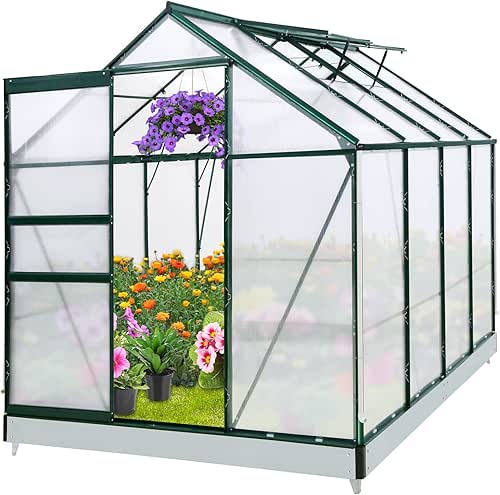
The EAGLE PEAK greenhouse provides a middle-ground option between a compact 6 x 4 ft greenhouse and a larger 8 x 8 ft structure.
Its original description highlights an aluminum frame, twin-wall polycarbonate panels, a galvanized base, ground anchors, roof ventilation, and a rainwater gutter system.
Features and Benefits of the EAGLE PEAK Greenhouse
- Approximate 6 x 8 x 7 ft dimensions: Provide a walk-in growing area with useful vertical space.
- 4 mm twin-wall polycarbonate panels: Allow light to enter while providing some insulation.
- Aluminum frame: Offers lightweight, corrosion-resistant construction.
- Galvanized base: Supports the greenhouse frame.
- Ground anchors: Designed to help secure the greenhouse when installed according to manufacturer instructions.
- Rain gutters and hose: Provide drainage and potential rainwater collection.
- Adjustable roof ventilation: The original listing describes roof ventilation with adjustable positions; confirm the current number of vents and configuration.
- Roof hooks: Provide options for hanging suitable lightweight containers where permitted by the manufacturer.
- Warranty: The original listing describes a one-year limited after-sales protection period; verify current coverage and terms.
Best suited for: Gardeners seeking a moderately sized walk-in greenhouse for vegetables, herbs, and seed starting.
Things to consider: Confirm the anchoring method, roof vent configuration, and manufacturer weather ratings before purchasing.
Which small greenhouse should you choose? The TRY & DO 6 x 4 ft model is worth considering when space is limited. The HOWE 8 x 8 ft greenhouse provides more growing room, while the EAGLE PEAK 6 x 8 ft greenhouse offers a compromise between footprint and capacity.
Benefits of Having a Small Greenhouse
1. Extend the Growing Season
A small greenhouse can help protect plants from cooler temperatures and allow earlier seed starting in spring.
Depending on the climate, it may also extend production into autumn and winter. Additional heating may be necessary for frost-sensitive plants.
2. Protect Plants from Weather
A greenhouse reduces direct exposure to heavy rain, wind, and certain temperature fluctuations.
However, the greenhouse structure itself must be properly anchored and rated for local weather conditions.
3. Improve Seed Starting
A greenhouse provides a dedicated area for seed trays, propagation containers, and young plants.
Temperature and moisture monitoring help improve seedling management.
4. Make Better Use of Limited Space
Growing benches, shelving, and vertical supports can increase the usefulness of a compact greenhouse.
5. Create a More Controlled Growing Environment
Ventilation, shading, irrigation, and heating equipment allow gardeners to adjust conditions to suit their plants.
6. Organize Gardening Activities
A greenhouse creates a dedicated workspace for transplanting, propagation, and plant maintenance.
Types of Small Greenhouses
Lean-To Greenhouses
Lean-to greenhouses are positioned beside an existing building and can be useful where yard space is limited.
Some designs attach directly to a wall, while others are independent structures placed nearby. Attached greenhouses require appropriate structural connections, flashing, and drainage.
Mini Pop-Up Greenhouses
Mini pop-up greenhouses are lightweight, portable structures often used for temporary plant protection or seasonal seed starting.
They are generally less suitable for exposed locations with strong winds unless properly secured and approved for those conditions.
Dome-Shaped Greenhouses
Dome-shaped greenhouses offer distinctive designs and can provide useful interior growing space.
Their performance depends on construction materials, ventilation, and structural design rather than shape alone.
Tiered Shelf Greenhouses
Tiered greenhouses use vertical shelving to accommodate seed trays, herbs, and small potted plants.
They are particularly useful for gardeners who want to maximize limited floor space.
Freestanding Walk-In Greenhouses
Freestanding walk-in greenhouses provide enough room for gardeners to enter, arrange containers, and work with plants.
These structures are commonly available with aluminum frames and polycarbonate panels.
Small Greenhouse Materials and Construction
Glass Greenhouses
Glass provides excellent clarity and a traditional appearance. However, it is heavier and generally more vulnerable to breakage than polycarbonate.
Insulation depends on whether the greenhouse uses single or multiple layers of glazing.
Polycarbonate Greenhouses
Polycarbonate panels are lightweight, impact-resistant, and available in solid or multiwall designs.
Multiwall polycarbonate can provide useful insulation and diffused light, making it a popular choice for backyard greenhouse kits.
PVC and Metal Frame Greenhouses
Lightweight PVC or metal frames are often used in affordable portable greenhouse designs.
Durability varies considerably, so review frame thickness, connection quality, and anchoring requirements.
Wooden Frame Greenhouses
Wooden greenhouse frames offer a traditional appearance and can be incorporated into custom backyard designs.
They require appropriate weather protection and periodic maintenance to reduce the risk of rot and deterioration.
How to Choose the Right Small Greenhouse Size
The best greenhouse size depends on the number of plants you intend to grow, their mature dimensions, and the amount of working space required.
| Approximate Size | Typical Uses | Considerations |
|---|---|---|
| Mini Shelf Greenhouse | Seed trays, herbs, and small containers. | Limited height and working space. |
| 6 x 4 ft | Seed starting, compact containers, and herbs. | Careful planning needed for walkways and larger plants. |
| 6 x 8 ft | Mixed vegetables, propagation, and growing benches. | Allows more flexible layouts. |
| 8 x 8 ft | Larger container collections and several growing areas. | Requires more yard space and a suitable foundation. |
Always verify whether advertised dimensions refer to the exterior footprint or usable interior space.
Ventilation and Temperature Control
Proper ventilation is essential for maintaining a healthy greenhouse environment. Even small greenhouses can become too hot or humid when sunlight enters faster than heat can escape.
Roof Vents
Roof vents allow warm air to escape and are common features on walk-in greenhouse kits.
Side Windows and Doors
Opening windows and doors can improve natural airflow when weather conditions permit.
Automatic Vent Openers
Temperature-responsive vent openers can adjust compatible ventilation openings without requiring constant manual operation.
They should still be inspected regularly and should not be considered a substitute for adequate overall ventilation capacity.
Thermometers and Humidity Monitoring
A reliable thermometer helps identify excessive daytime heat and low overnight temperatures. A hygrometer provides additional information about humidity.
Learn more in our guide to greenhouse thermometers for home gardeners.
Shade Cloth
Shade cloth can reduce excessive solar heating during hot weather. Select a suitable shade level for the crops being grown.
Shelving and Storage Options for Small Greenhouses
Good organization can make a compact greenhouse feel significantly more spacious.
Growing Benches
Benches provide a comfortable working height for seed trays and containers.
Tiered Shelving
Multi-level shelving makes use of vertical space, although upper shelves can shade plants below.
Hanging Containers
Hanging baskets may be practical where the greenhouse frame is designed to support them.
Tool Storage
Keep frequently used tools, labels, and supplies organized in suitable weather-resistant containers.
Clear Walkways
Maintain sufficient access for watering, plant inspection, and emergency exit.
Greenhouse Lighting and Electricity
Natural sunlight provides most of the light used by plants in a typical backyard greenhouse. However, seasonal daylight changes, shading, and plant requirements may create a need for supplemental lighting.
LED Grow Lights
LED grow lights can supplement natural light during darker periods or support seed starting when daylight is insufficient.
Choose lighting equipment according to plant requirements, growing area, and manufacturer recommendations.
For additional information, see our guide to greenhouse lighting systems for home gardeners.
Electrical Safety
Greenhouses are damp environments. Use electrical equipment rated for the intended conditions, appropriate ground-fault protection, and professionally installed wiring where required.
Keep electrical connections protected from irrigation water, condensation, and flooding.
Best Vegetables and Herbs for a Small Greenhouse
Lettuce
Lettuce is a useful greenhouse crop during cooler growing periods. It generally benefits from consistent moisture and protection from excessive heat.
Spinach
Spinach is another cool-season crop that can be grown in suitable greenhouse conditions.
Radishes
Radishes grow relatively quickly and can be useful for gardeners seeking short growing cycles.
Basil
Basil prefers warm growing conditions and can be grown in containers or greenhouse beds.
Parsley
Parsley can be grown in containers and harvested regularly once established.
Peppers
Compact pepper varieties can be suitable for greenhouse container growing when sufficient light and warmth are available.
Dwarf Tomatoes
Compact tomato varieties are often more manageable than large indeterminate plants in a small greenhouse.
Provide adequate support, ventilation, and pollination as needed.
Strawberries
Strawberries can be grown in containers or suitable growing systems when irrigation, airflow, and pollination are managed.
How to Set Up a Small Greenhouse in Your Backyard
Step 1: Select a Suitable Location
Choose an area with adequate sunlight, drainage, and access to water.
Step 2: Check Local Requirements
Review applicable permits, property setbacks, and structural requirements.
Step 3: Prepare the Ground
Level the installation area and ensure that rainwater can drain away from the greenhouse.
Step 4: Install the Foundation
Use the foundation and anchoring system specified by the greenhouse manufacturer.
Step 5: Assemble the Frame
Follow the manufacturer’s assembly sequence and confirm that framing members are properly aligned.
Step 6: Install the Glazing
Fit panels according to the manufacturer’s instructions, including any requirements for UV-facing sides, seals, and thermal expansion.
Step 7: Install Doors and Ventilation
Confirm that doors, roof vents, and windows open and close correctly.
Step 8: Complete Anchoring
Secure the greenhouse using the approved installation method before exposing it to significant wind.
Step 9: Arrange the Growing Area
Install shelves, containers, benches, or raised beds while maintaining safe access.
Step 10: Monitor Conditions
Observe daytime and nighttime temperatures before introducing sensitive plants.
Watering and Irrigation in a Small Greenhouse
Hand Watering
Watering cans and hoses are practical for smaller greenhouse collections.
Drip Irrigation
Drip systems deliver water near plant roots and can help reduce unnecessary moisture on foliage.
Automatic Watering
Timers and irrigation controllers can help maintain consistent watering schedules when properly configured.
Rainwater Collection
Greenhouses with gutters may allow rainwater to be directed into suitable storage containers.
Preventing Overwatering
Monitor growing-media moisture rather than watering solely according to a fixed schedule.
Tips for Successful Small Greenhouse Gardening
Maintain Consistent Watering
Water plants according to their individual needs, container sizes, and growing conditions.
Practice Pest and Disease Management
Inspect plants regularly for insects, fungal problems, and damaged foliage.
Remove unhealthy plant material and maintain appropriate sanitation practices.
Rotate Crops When Practical
Crop rotation can help manage certain soil-related pest and disease problems in greenhouse beds.
For container growing, refresh or replace growing media as appropriate.
Avoid Overcrowding
Provide enough space between plants for airflow, maintenance, and healthy growth.
Monitor Temperature Daily
Greenhouse temperatures can change rapidly, particularly during sunny weather.
Keep the Greenhouse Clean
Remove fallen leaves, weeds, and unused containers that can harbor pests.
Plan for Seasonal Changes
Adjust shading, ventilation, irrigation, and heating as outdoor conditions change.
Small Greenhouse Maintenance and Durability
Clean Greenhouse Panels
Use manufacturer-approved cleaning methods. Polycarbonate panels generally require gentle cleaning to avoid scratches.
Inspect the Frame
Check structural connections, fasteners, and framing components for damage or loosening.
Check Anchors and Foundation
Inspect anchoring components periodically, particularly after severe weather.
Maintain Ventilation Equipment
Test roof vents, hinges, automatic openers, and fans to ensure proper operation.
Clear Gutters and Drainage
Remove leaves and debris from drainage channels and rainwater outlets.
Prepare for Winter
Review snow-load limitations, remove excessive snow when safe and appropriate, and protect vulnerable equipment from freezing.
Common Small Greenhouse Problems and Solutions
Greenhouse Overheating
Problem: Interior temperatures become too high during sunny weather.
Solution: Improve ventilation, consider shade cloth, and monitor temperature regularly.
Excessive Humidity
Problem: Condensation accumulates and plants remain excessively damp.
Solution: Improve airflow, avoid unnecessary overwatering, and maintain appropriate ventilation.
Insufficient Light
Problem: Seedlings become weak or elongated.
Solution: Improve light exposure or provide suitable supplemental lighting.
Cold Nighttime Temperatures
Problem: Greenhouse temperatures drop below the requirements of sensitive plants.
Solution: Consider appropriate insulation, frost protection, or supplemental heating.
Limited Growing Space
Problem: Plants become crowded as they mature.
Solution: Select compact varieties, use suitable shelving, and plan plant spacing carefully.
Poor Drainage
Problem: Water accumulates around the greenhouse foundation.
Solution: Improve site drainage and keep gutters and drainage outlets clear.
Frequently Asked Questions About Small Greenhouses
1. Can I use a small greenhouse in colder climates?
Yes. Small greenhouses can be used in colder climates, but additional insulation or heating may be necessary to protect frost-sensitive plants.
2. How much does a small greenhouse cost?
Prices vary considerably depending on size, materials, glazing, and included features. Compact structures may cost a few hundred dollars, while more substantial greenhouse kits and installations can cost several thousand dollars.
3. Do I need a building permit for a small greenhouse?
Permit requirements depend on local regulations, greenhouse dimensions, installation methods, and property restrictions. Check with your local building authority before construction.
4. Can I grow vegetables in a small greenhouse?
Yes. Lettuce, spinach, herbs, peppers, compact tomatoes, and other suitable vegetables can be grown when their environmental requirements are met.
5. How long does it take to assemble a small greenhouse?
Assembly time varies by greenhouse size, design, site preparation, and installer experience. Some compact kits may take several hours, while more involved installations can take multiple days.
6. What is the best small greenhouse size for beginners?
A 6 x 4 ft or 6 x 8 ft walk-in greenhouse can be a practical starting point for many backyard gardeners, depending on available space and intended crops.
7. Are polycarbonate greenhouses better than plastic-covered greenhouses?
Polycarbonate panels generally provide greater rigidity and impact resistance than flexible plastic film. However, both types have advantages depending on budget, portability, climate, and intended use.
8. Does a small greenhouse need ventilation?
Yes. Adequate ventilation helps prevent overheating, excessive humidity, and stagnant air.
9. Can a small greenhouse be used year-round?
Yes, if suitable growing conditions can be maintained. Heating, cooling, or supplemental lighting may be required during certain seasons.
10. Should a small greenhouse be placed in full sun?
Most greenhouse crops benefit from good sunlight exposure, but hot climates may require shading and additional ventilation.
11. Do small greenhouses need foundations?
Many permanent greenhouse kits require a suitable foundation or anchoring system. Follow the manufacturer’s installation requirements.
12. What is the easiest vegetable to grow in a small greenhouse?
Lettuce, radishes, and some herbs can be manageable options for beginners when temperature and watering conditions are suitable.
13. Can I install automatic watering in a small greenhouse?
Yes. Drip irrigation and compatible watering timers can be used in many greenhouse designs.
14. How do I prevent a small greenhouse from overheating?
Use adequate ventilation, suitable shading, temperature monitoring, and additional cooling when necessary.
15. Can I grow tomatoes in a small greenhouse?
Yes. Compact or dwarf tomato varieties can be particularly useful where space is limited. Provide suitable light, support, ventilation, irrigation, and pollination.
Recommended Reading
Explore these related greenhouse guides to learn more about greenhouse designs and growing equipment:
- Best Polycarbonate Greenhouses for Your Backyard — Compare polycarbonate greenhouse designs, glazing, and features.
- Lean-to Greenhouse — Explore space-saving greenhouse designs for smaller backyards.
- Traditional Greenhouses — Learn about traditional greenhouse construction and materials.
- Greenhouse Thermometers for a Home Gardener — Learn about temperature-monitoring equipment.
- Greenhouse Lighting Systems for a Home Gardener — Explore supplemental lighting options.
Final Thoughts: Choosing the Best Small Greenhouse for Your Backyard
The best small greenhouse for your backyard is one that matches your available space, growing goals, local climate, and budget.
For gardeners with very limited space, a compact walk-in greenhouse such as the TRY & DO 6 x 4 ft model may be worth considering. Gardeners wanting more growing room can compare the HOWE 8 x 8 ft hybrid greenhouse and the EAGLE PEAK 6 x 8 ft greenhouse.
Whichever greenhouse you choose, prioritize appropriate ventilation, a secure foundation, durable glazing, and sufficient space for plants to grow without overcrowding.
With proper planning, installation, and maintenance, a small greenhouse can become a valuable part of your backyard gardening setup.
For more greenhouse designs, gardening advice, and equipment guides, visit Greenhouse Guide.