Best Polycarbonate Greenhouses for Your Backyard
The best polycarbonate greenhouses for your backyard combine durable glazing, practical growing space, and protection from changing weather conditions. Whether you want to start seedlings earlier in spring, grow vegetables through autumn, or protect ornamental plants, a well-designed polycarbonate greenhouse can help make backyard gardening more productive.
Polycarbonate greenhouse panels are lightweight, impact-resistant, and available in different thicknesses and configurations. Multiwall panels provide insulation and diffuse sunlight, making them popular for compact hobby greenhouses and larger walk-in structures.
In this guide, we compare four polycarbonate greenhouse recommendations, explain their advantages and limitations, and cover important buying considerations such as size, ventilation, panel thickness, framing, foundations, heating, watering, maintenance, and cost.
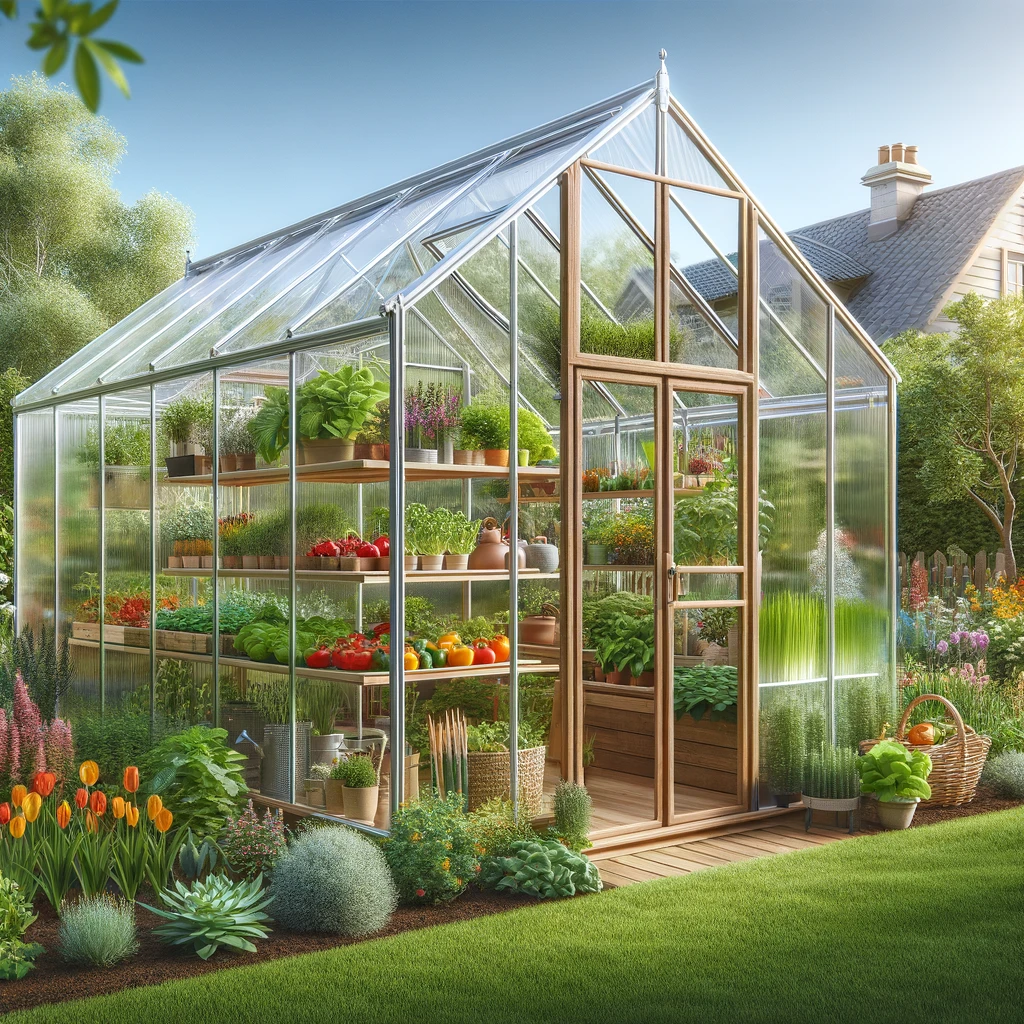
What Is a Polycarbonate Greenhouse?
A polycarbonate greenhouse is a growing structure that uses transparent or translucent polycarbonate panels instead of traditional glass or flexible plastic film.
Polycarbonate is a thermoplastic material known for its relatively low weight and impact resistance. It is commonly used in greenhouse roofs and walls because it allows useful sunlight to reach plants while providing a durable enclosure.
Greenhouse polycarbonate panels may be solid or multiwall. Multiwall panels contain internal air spaces that help reduce heat transfer and scatter incoming sunlight.
How Does a Polycarbonate Greenhouse Work?
Sunlight enters through the panels and warms plants, soil, containers, and interior surfaces.
The greenhouse enclosure reduces direct exposure to wind and outdoor weather. However, temperatures can still rise rapidly during sunny weather and fall significantly overnight.
Successful greenhouse gardening requires appropriate ventilation, watering, shading, and sometimes supplemental heating.
Best Polycarbonate Greenhouses Compared
The following four polycarbonate greenhouses were included in the original article. Compare their panel thickness, ventilation, dimensions, and other features before choosing the best greenhouse for your backyard.
| Greenhouse | Key Features | Best For |
|---|---|---|
| Greenhouse A | 4 mm twin-wall polycarbonate panels, powder-coated aluminum frame, adjustable roof vent, and lockable door. | Gardeners seeking a practical walk-in greenhouse for vegetables, herbs, and seedlings. |
| Greenhouse B | Raised roof design, approximately 86-inch overall height, aluminum framing, ventilation windows, and anchoring accessories. | Gardeners who want additional headroom and convenient greenhouse access. |
| Greenhouse C | Approximately 8-by-10-foot greenhouse, 6 mm twin-wall polycarbonate, two swing doors, two adjustable roof vents, and rainwater drainage. | Gardeners seeking more growing space and multiple ventilation openings. |
| Greenhouse D | Aluminum frame, polycarbonate glazing, approximately 575 cubic feet of interior space, four ventilation windows, and rainwater drainage. | Gardeners wanting a spacious greenhouse with several ventilation options. |
Important: Product specifications and availability may change. Always verify dimensions, panel thickness, weather ratings, and foundation requirements with the manufacturer before purchasing.
Top Polycarbonate Greenhouse Recommendations
These four greenhouse products appeared in the original article. Their features are summarized from the original product descriptions. Verify current availability and specifications before purchasing.
Affiliate disclosure: Some product links may be affiliate links. Qualifying purchases may earn this website a commission at no additional cost to you.
Greenhouse A: Aluminum Greenhouse with 4 mm Twin-Wall Panels
This greenhouse is described in the original listing as a walk-in structure with powder-coated aluminum framing, twin-wall polycarbonate panels, and adjustable roof ventilation.
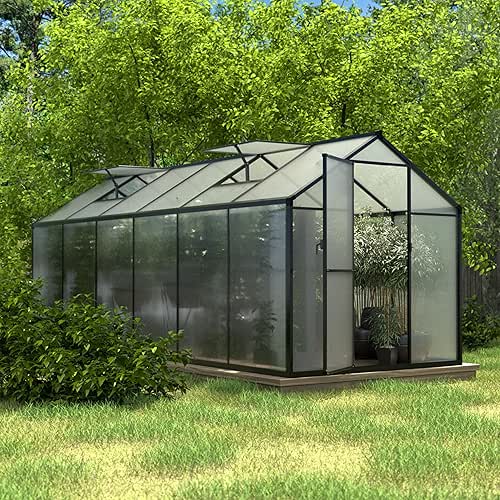

Features and Benefits of Greenhouse A
- Adjustable roof vent: The original listing describes an upgraded pulley-style vent mechanism.
- Flexible vent positioning: The original description states that the vent can be positioned in different compatible roof panel locations during assembly.
- Powder-coated aluminum frame: Designed to provide corrosion resistance.
- 4 mm twin-wall polycarbonate: Double-layer panels provide light diffusion and some insulation.
- Sliding panel assembly: The original listing describes a panel installation system intended to simplify assembly.
- Lockable door: Provides convenient access and basic security.
- Overall dimensions: Approximately 72 inches wide, 142.2 inches deep, and 76.6 inches high.
- Door dimensions: Approximately 24.4 inches wide and 65.7 inches high.
- Interior dimensions: Approximately 67.5 inches wide and 138.7 inches deep.
Best suited for: Gardeners seeking a walk-in greenhouse with twin-wall panels and adjustable ventilation.
Before buying: Confirm the current structural ratings and required anchoring. Additional tie-down accessories may be necessary according to the manufacturer.
Greenhouse B: Vigo Huseeo Polycarbonate Greenhouse
This greenhouse is described in the original listing as a walk-in design with increased interior headroom and an upgraded aluminum frame.

Features and Benefits of Greenhouse B
- Raised roof design: The original listing describes an overall height of approximately 86 inches.
- Improved doorway clearance: Designed to make entering the greenhouse more comfortable.
- Polycarbonate glazing: The original description refers to thickened polycarbonate panels.
- Aluminum frame: Provides the primary greenhouse structure.
- Anchoring accessories: Windproof ropes and ground nails are described in the original listing.
- Ventilation: Adjustable ventilation windows are included according to the product description.
- Lockable doors: Provide access and basic security.
Best suited for: Gardeners who prioritize additional headroom and a walk-in greenhouse layout.
Before buying: Verify the exact dimensions, panel specifications, anchoring requirements, and manufacturer weather ratings.
Greenhouse C: 8-by-10-Foot Hobby Greenhouse and Sunroom
This greenhouse is described in the original listing as a relatively spacious walk-in structure with 6 mm twin-wall polycarbonate panels, two doors, and two adjustable roof vents.
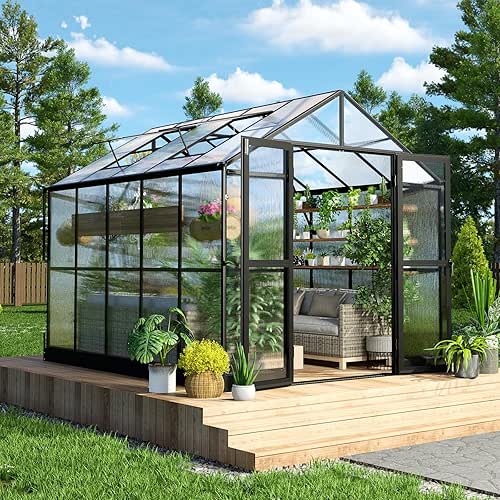
Features and Benefits of Greenhouse C
- Approximate size: 8 feet by 10 feet with a listed peak height of approximately 7.5 feet.
- 6 mm twin-wall panels: Translucent polycarbonate glazing provides light diffusion and insulation.
- Raised wall height: The original listing describes approximately 5.2-foot sidewalls.
- Two swing doors: Provide access and additional ventilation options.
- Two adjustable roof vents: Help manage warm air and humidity.
- Aluminum framing: The original description lists approximately 1.5 mm frame material thickness.
- Anchoring provisions: Corner and middle posts are described for secure installation.
- Rainwater drainage: Drainage openings and pipes are included in the original description.
- Weather ratings: The original listing advertises wind and snow-load ratings; confirm current specifications with the manufacturer.
Best suited for: Gardeners seeking a larger greenhouse with multiple doors and roof vents.
Before buying: Confirm whether the foundation design is suitable for your site and local weather conditions.
Greenhouse D: Large Aluminum Polycarbonate Greenhouse
This greenhouse is described in the original listing as a spacious backyard structure with aluminum framing, polycarbonate glazing, four ventilation windows, and drainage provisions.

Features and Benefits of Greenhouse D
- Aluminum frame: Designed for corrosion resistance and structural support.
- Polycarbonate panels: Provide light transmission and plant protection.
- Interior volume: The original listing describes approximately 575 cubic feet.
- Door height: Approximately 6 feet according to the original description.
- Ventilation: Four ventilation windows are included.
- Drainage: Built-in rainwater drainage and collection provisions are described.
- Assembly: The original listing includes assembly instructions and an estimated installation time.
- Weather ratings: The original description advertises wind and snow-load capacities that should be verified with the manufacturer.
Best suited for: Gardeners seeking a relatively spacious polycarbonate greenhouse with multiple ventilation openings.
Before buying: Verify current dimensions, included components, installation requirements, and structural ratings.
Benefits of Polycarbonate Greenhouses
1. Durability and Impact Resistance
Polycarbonate panels are generally more resistant to impact than ordinary greenhouse glass.
This can reduce the risk of breakage from accidental contact and certain weather events. However, the overall greenhouse must still be properly engineered and anchored for local wind and snow loads.
2. Good Light Transmission
Greenhouse-grade polycarbonate allows useful sunlight to reach plants. Light transmission depends on panel thickness, color, structure, age, and manufacturer specifications.
3. Diffused Sunlight
Many multiwall panels scatter incoming sunlight, helping distribute light more evenly across the growing area.
This may reduce harsh shadows and improve light distribution around plant foliage.
4. UV Protection
Many greenhouse polycarbonate panels include a UV-protective coating that helps reduce degradation of the panel material.
UV transmission and protection vary by product, so check the manufacturer’s specifications rather than assuming every panel provides identical protection.
5. Improved Insulation
Multiwall polycarbonate contains internal air spaces that can reduce heat transfer compared with single-layer glazing.
Actual insulation performance depends on panel construction, thickness, seals, and greenhouse design.
6. Lightweight Construction
Polycarbonate weighs less than many traditional glass glazing systems, making it practical for a variety of greenhouse frames.
7. Flexible Greenhouse Designs
Polycarbonate is available in different panel sizes and configurations, allowing manufacturers to create compact, freestanding, lean-to, and larger walk-in greenhouses.
Disadvantages of Polycarbonate Greenhouses
Panels Can Scratch
Polycarbonate surfaces may scratch if cleaned with abrasive materials or unsuitable tools.
Some Panels Discolor Over Time
Panel longevity depends on UV protection, material quality, installation, and environmental exposure.
Heat Can Build Up Quickly
Polycarbonate greenhouses can overheat during sunny weather without sufficient ventilation or shading.
Condensation Can Enter Multiwall Panels
Improper sealing or installation can allow moisture and debris into panel channels.
Light Transmission Varies
Thicker or more heavily diffusing panels may transmit less light than clear single-layer glazing.
Installation Details Matter
Panels require appropriate support, fastening, thermal-expansion allowances, and orientation.
Types of Polycarbonate Greenhouses
Lean-To Polycarbonate Greenhouses
Lean-to greenhouses are positioned beside an existing building and can be useful for narrow yards and limited spaces.
Some are permanently attached, while others are separate structures placed near a wall. Permanent attachments require appropriate structural support, flashing, and drainage.
Freestanding Polycarbonate Greenhouses
Freestanding greenhouses are independent structures that can be positioned in suitable locations throughout the backyard.
They are available in a variety of sizes and roof designs.
Mini and Compact Greenhouses
Compact greenhouses are useful for seedlings, herbs, and small container collections.
Because smaller enclosures can change temperature quickly, ventilation and monitoring remain important.
Walk-In Greenhouses
Walk-in designs provide enough height and floor space for gardeners to enter and work among their plants.
Large Hobby Greenhouses
Larger polycarbonate structures may accommodate growing benches, raised beds, trellises, and irrigation systems.
Polycarbonate Panel Thickness: Which Is Best?
Panel thickness is an important consideration when selecting a greenhouse.
| Panel Type | Typical Characteristics | Considerations |
|---|---|---|
| 4 mm Twin-Wall | Lightweight multiwall glazing used in some hobby greenhouse kits. | Check support spacing, insulation, and weather requirements. |
| 6 mm Twin-Wall | Thicker multiwall panels with potentially improved insulation. | Performance depends on panel construction and quality. |
| 8 mm Multiwall | Often used where additional insulation is desired. | May require compatible framing and fastening systems. |
| 10 mm or Thicker Multiwall | Can provide greater thermal resistance in suitable designs. | Higher cost, different light transmission, and structural compatibility must be considered. |
Important: Thicker glazing does not automatically mean the entire greenhouse can withstand greater wind or snow loads. Structural strength depends on framing, supports, connections, and anchoring.
Factors to Consider When Choosing a Polycarbonate Greenhouse
Size and Available Space
Measure the available backyard area and allow room for doors, walkways, maintenance, and drainage.
Interior Height
Choose sufficient height for tall plants, trellises, shelving, and comfortable access.
Climate Considerations
Check manufacturer wind and snow-load ratings and compare them with local building requirements.
Ventilation and Airflow
Look for adjustable roof vents, side openings, and sufficient airflow capacity.
Frame Material
Aluminum is common because it is lightweight and corrosion-resistant. Steel may provide additional structural options when appropriately designed and protected.
Foundation and Anchoring
Confirm whether the greenhouse requires a concrete foundation, ground anchors, or another approved installation method.
Panel Quality
Review UV protection, glazing thickness, light transmission, and warranty details.
Budget
Include the cost of the greenhouse, foundation, irrigation, ventilation, heating, and maintenance.
Polycarbonate vs. Glass Greenhouses
| Feature | Polycarbonate | Glass |
|---|---|---|
| Weight | Relatively lightweight. | Heavier. |
| Impact Resistance | Generally more impact-resistant. | Can break under impact. |
| Light Transmission | Depends on panel design and thickness. | Clear glass provides excellent clarity. |
| Insulation | Multiwall designs can provide improved insulation. | Depends on glazing type and number of layers. |
| Appearance | Modern, with clear or diffused panels. | Traditional and highly transparent. |
| Maintenance | Requires careful cleaning to avoid scratching. | Requires cleaning and inspection for breakage. |
How to Choose the Best Greenhouse Location
Sunlight Exposure
Select a location with sufficient sunlight for the plants you intend to grow.
Drainage
Avoid low-lying areas where rainwater collects.
Wind Protection
Consider prevailing winds while ensuring the greenhouse is properly anchored.
Water Supply
Choose a location where irrigation water can be supplied conveniently.
Electrical Access
Plan suitable electrical connections if heaters, fans, lighting, or controllers will be used.
Maintenance Access
Leave enough space around the greenhouse to clean panels, repair components, and maintain drainage.
How to Assemble a Polycarbonate Greenhouse
Many polycarbonate greenhouses are sold as kits with pre-cut framing members and glazing panels. Assembly requirements vary by model, so always follow the manufacturer’s instructions.
Step 1: Review the Instructions
Confirm all components are present and identify the required tools.
Step 2: Check Local Requirements
Review permits, setbacks, and structural requirements before installation.
Step 3: Prepare the Site
Level the installation area and establish appropriate drainage.
Step 4: Install the Foundation
Construct the manufacturer-approved foundation or anchoring system.
Step 5: Assemble the Frame
Install framing members and connections according to the specified sequence.
Step 6: Install Polycarbonate Panels
Position the panels according to the manufacturer’s instructions.
Pay attention to UV-protected sides, drainage channels, thermal expansion, and approved fastening methods.
Step 7: Install Doors and Vents
Check that all doors, windows, and ventilation mechanisms operate correctly.
Step 8: Secure the Greenhouse
Complete all required anchoring and structural connections.
Step 9: Set Up the Growing Area
Install benches, containers, raised beds, and irrigation equipment.
Step 10: Test the Environment
Monitor temperature, humidity, and ventilation before introducing sensitive plants.
How to Ventilate a Polycarbonate Greenhouse
Roof Vents
Roof vents allow warm air to escape.
Side Vents
Side openings allow replacement air to enter and improve natural airflow.
Automatic Vent Openers
Temperature-responsive openers can help adjust roof ventilation automatically.
Circulation Fans
Internal fans help reduce stagnant air and improve temperature distribution.
Exhaust Fans
Powered ventilation may be necessary when natural airflow is insufficient.
Shade Cloth
Appropriate shading can reduce excessive heat gain during hot weather.
Heating and Insulating a Polycarbonate Greenhouse
Multiwall Panels
Multiwall polycarbonate can reduce heat loss compared with some single-layer glazing systems.
Electric Greenhouse Heaters
Appropriately sized heaters can provide supplemental warmth when installed safely.
Thermostatic Controls
Thermostats help maintain suitable growing temperatures.
Compatible Insulation
Suitable insulating materials may reduce heat loss, but should not block essential ventilation or create moisture problems.
Thermal Mass
Water containers and other materials can absorb some daytime warmth and release it as temperatures fall.
Thermal mass does not replace heating during prolonged freezing conditions.
Weather Sealing
Inspect doors, vents, and panel joints for unnecessary air leakage.
Best Plants to Grow in Polycarbonate Greenhouses
Tomatoes
Tomatoes can grow successfully with sufficient light, warmth, ventilation, irrigation, and pollination.
Cucumbers
Cucumbers can be trained vertically to make efficient use of greenhouse space.
Peppers
Peppers benefit from suitable warm conditions and consistent moisture.
Leafy Greens
Lettuce, spinach, kale, and other leafy vegetables may be grown during cooler periods.
Herbs
Basil, parsley, mint, thyme, and other herbs can be grown in beds or containers.
Strawberries
Strawberries can be grown in containers or raised beds when airflow, irrigation, and pollination are managed appropriately.
Ornamental Plants
Suitable ornamental species can be grown when their individual temperature, humidity, and light requirements are met.
Polycarbonate Greenhouse Layout Ideas
Raised Beds
Raised beds provide organized growing areas for vegetables and herbs.
Growing Benches
Benches are useful for seed trays, containers, and propagation.
Vertical Trellises
Trellises support climbing crops and help make use of greenhouse height.
Hanging Containers
Hanging baskets may increase growing capacity when properly supported.
Hydroponic Systems
Some polycarbonate greenhouses can accommodate hydroponic towers, channels, or other soilless growing systems.
Plan suitable water management, ventilation, lighting, and electrical safety.
Watering and Irrigation for Polycarbonate Greenhouses
Hand Watering
Watering cans and hoses are practical for smaller greenhouses.
Drip Irrigation
Drip systems deliver water near plant roots and can reduce unnecessary wetting of foliage.
Automatic Irrigation
Timers and suitable irrigation controllers can help maintain consistent watering.
Rainwater Collection
Some greenhouse kits include gutters and drainage outlets that can direct rainwater into suitable storage containers.
Avoid Overwatering
Check growing-media moisture and adjust irrigation according to plant requirements.
How Much Does a Polycarbonate Greenhouse Cost?
Polycarbonate greenhouse costs vary according to size, panel thickness, frame materials, foundation requirements, and included equipment.
Main Cost Factors
- Greenhouse size and interior height.
- Panel thickness and construction.
- Aluminum or steel framing.
- Foundation and anchoring.
- Roof vents and ventilation fans.
- Doors and locking hardware.
- Irrigation equipment.
- Heating and cooling equipment.
- Electrical connections.
- Transportation and installation labor.
- Maintenance and replacement panels.
Compare the total installed cost rather than relying only on the greenhouse kit price.
Maintenance and Care Tips for Polycarbonate Greenhouses
Cleaning Polycarbonate Panels
Clean panels with water, mild soap, and a soft cloth or sponge when permitted by the manufacturer.
Avoid abrasive cleaners and tools that can scratch the surface.
Inspecting Panel Seals
Check panel edges, seals, and fastening systems for damage or moisture intrusion.
Pest Control
Inspect plants regularly and use appropriate integrated pest management practices.
Temperature and Humidity Regulation
Use thermometers and hygrometers to monitor growing conditions.
Ventilation Maintenance
Test roof vents, automatic openers, and fans regularly.
Foundation Inspection
Check anchors and structural connections for movement or damage.
Drainage Maintenance
Keep gutters and drainage outlets clear.
Heating Equipment
Inspect and maintain heating equipment according to manufacturer instructions.
Common Polycarbonate Greenhouse Problems
Overheating
Improve ventilation, use shading, and consider additional cooling when necessary.
Condensation
Manage humidity and ensure multiwall panels are installed with appropriate edge treatments and drainage.
Scratched Panels
Use gentle cleaning methods and avoid abrasive materials.
Loose Panels
Inspect fastening systems and repair damaged connections according to manufacturer specifications.
Poor Winter Insulation
Check glazing seals, ventilation openings, and heating capacity.
Inadequate Anchoring
Ensure the greenhouse foundation and anchors are suitable for local weather conditions.
Frequently Asked Questions About Polycarbonate Greenhouses
1. How long does a polycarbonate greenhouse last?
Service life depends on panel quality, UV protection, framing, weather exposure, and maintenance. High-quality greenhouse panels and frames may last many years, but glazing and other components can require replacement at different times.
2. Can polycarbonate greenhouses withstand harsh weather?
Some greenhouse designs are engineered for substantial wind and snow loads, but not all models have the same structural capacity. Always check manufacturer ratings and local building requirements.
3. Are polycarbonate greenhouses cheaper than glass greenhouses?
They can be more affordable, especially in lightweight hobby designs, but costs vary according to size, framing, glazing, and installation.
4. Can I grow different types of plants in a polycarbonate greenhouse?
Yes. Polycarbonate greenhouses can support vegetables, herbs, flowers, seedlings, and some specialty plants when growing conditions are suitable.
5. Are polycarbonate greenhouses easy to assemble?
Many kits include pre-cut parts and instructions, but assembly difficulty varies by size and design. Larger structures may require multiple installers and substantial foundation preparation.
6. Is 4 mm or 6 mm polycarbonate better for a greenhouse?
Six-millimeter twin-wall panels may provide improved insulation compared with similar 4 mm panels. However, panel quality, framing compatibility, light transmission, and local climate also matter.
7. Do polycarbonate greenhouses need ventilation?
Yes. Ventilation is essential for controlling heat and humidity.
8. Can polycarbonate greenhouses be used year-round?
Yes, provided suitable growing temperatures, light, and ventilation can be maintained. Supplemental heating may be required in colder climates.
9. Do polycarbonate panels turn yellow?
Some panels can discolor over time, particularly when UV protection is inadequate or the material has aged. Choose greenhouse-grade panels with suitable UV protection and warranty coverage.
10. Do polycarbonate greenhouses need a foundation?
Most permanent greenhouse kits require an appropriate foundation or anchoring system. Follow manufacturer specifications and applicable local requirements.
11. How do I clean polycarbonate greenhouse panels?
Use manufacturer-approved cleaning methods, typically involving water, mild soap, and soft cleaning materials.
12. Can I install automatic watering?
Yes. Drip irrigation, timers, and compatible controllers can be used in many polycarbonate greenhouses.
13. Are polycarbonate greenhouses suitable for hot climates?
Yes, but sufficient ventilation, shading, and sometimes active cooling are important.
14. Can I grow tomatoes in a polycarbonate greenhouse?
Yes. Tomatoes can grow successfully when adequate light, warmth, irrigation, airflow, and pollination are provided.
15. Can I use hydroponics in a polycarbonate greenhouse?
Yes. Hydroponic systems can be installed when there is sufficient growing space, water supply, environmental control, and electrical safety.
Recommended Reading
Explore these related greenhouse guides for additional information about greenhouse designs and growing systems:
- Traditional Greenhouses — Compare traditional greenhouse materials and construction methods.
- Lean-to Greenhouse — Explore greenhouse designs for smaller backyards.
- Best Victorian Greenhouses for Your Backyard — Compare traditional glasshouse styles.
- Greenhouse Watering System — Learn about practical irrigation options.
Final Thoughts on the Best Polycarbonate Greenhouses for Your Backyard
The best polycarbonate greenhouses for your backyard offer a useful combination of impact-resistant glazing, practical growing space, and flexibility for different gardening needs.
When comparing greenhouse kits, consider more than size and appearance. Panel quality, ventilation, framing, anchoring, insulation, and maintenance all affect long-term performance.
Whether you choose a compact greenhouse for seedlings or a larger walk-in structure for vegetables and ornamental plants, select a design that matches your climate, budget, and growing goals.
With proper installation and regular care, a polycarbonate greenhouse can become a productive addition to your backyard garden.
For more greenhouse designs, growing advice, and equipment guides, visit Greenhouse Guide.