Best Hoop Greenhouses for Home Gardening
Choosing the best hoop greenhouses for home gardening can help you protect seedlings, extend your growing season, and create a more productive garden without the expense of a traditional glass greenhouse.
Hoop greenhouses, sometimes called hoop houses or tunnel greenhouses, use curved supports covered with greenhouse film or another suitable protective material. They are available in sizes ranging from small garden-bed covers to spacious walk-in structures.
For home gardeners, these greenhouses offer a practical way to protect vegetables, herbs, flowers, and young plants from wind, rain, and changing outdoor temperatures.
This guide explains how hoop greenhouses work, compares five common designs, and provides practical advice on choosing, installing, ventilating, and maintaining a hoop greenhouse for your garden.
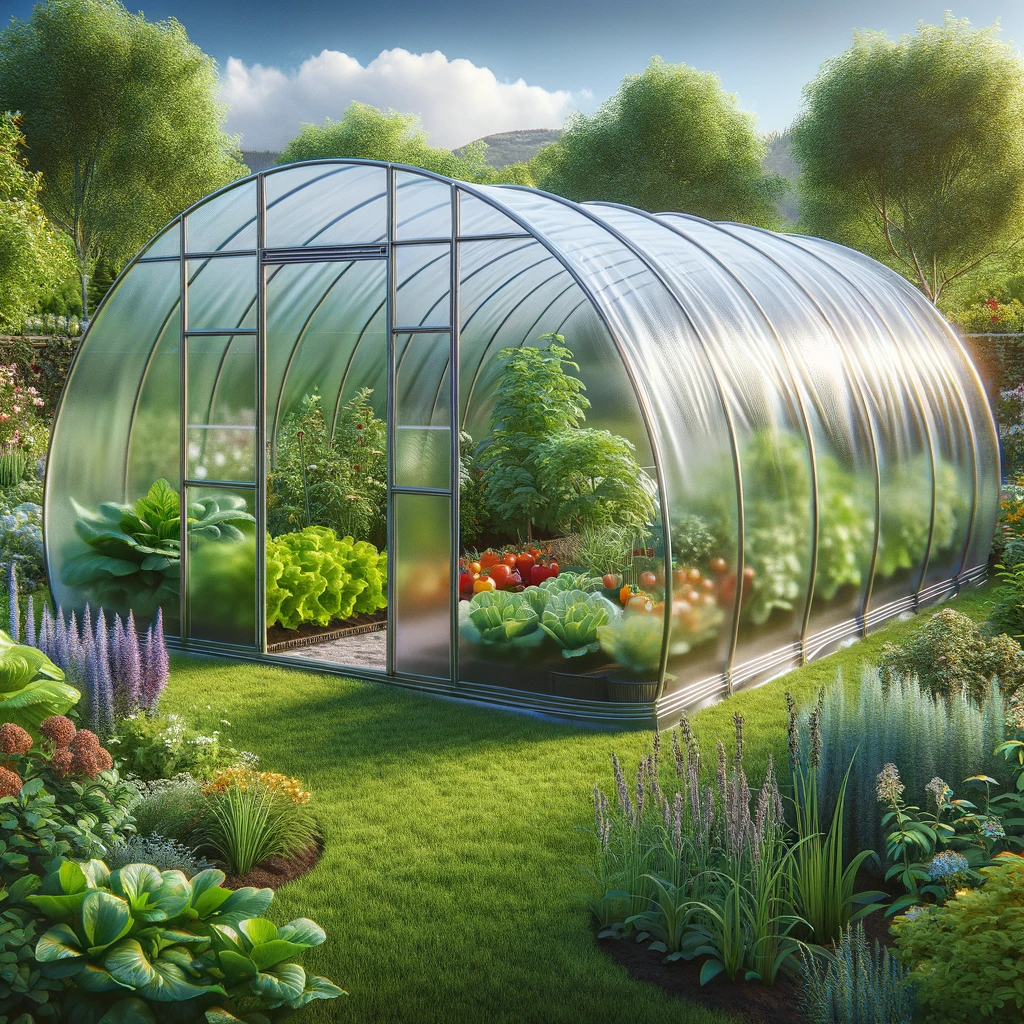
What Is a Hoop Greenhouse?
A hoop greenhouse is a growing structure built using a series of curved hoops that support a protective covering. The hoops are commonly made from galvanized steel, PVC, or other suitable framing materials.
The covering is usually greenhouse-grade polyethylene film or reinforced plastic fabric. It allows sunlight to enter while providing a sheltered environment for plants.
Hoop greenhouses are often less expensive to build than rigid-panel greenhouses and can be installed in a variety of garden settings.
How Does a Hoop Greenhouse Work?
Sunlight passes through the greenhouse covering and warms the plants, soil, and other surfaces inside. The covering reduces direct exposure to wind and slows some heat loss.
However, temperatures inside a hoop greenhouse can rise rapidly during sunny weather and fall significantly after sunset.
Proper ventilation, suitable insulation, and supplemental heating when necessary are important for maintaining appropriate growing conditions.
Hoop Greenhouse vs. Hoop House vs. Polytunnel
These terms are often used interchangeably, although they can describe slightly different structures.
- Hoop greenhouse: A general term for a greenhouse supported by curved framing.
- Hoop house: Often refers to a tunnel-style structure used for crop protection and season extension.
- Polytunnel: A greenhouse tunnel typically covered with polyethylene film.
- Low tunnel: A small hoop-supported cover placed over individual garden beds.
- High tunnel: A taller tunnel structure that usually allows gardeners to walk inside.
The most useful distinction when shopping is whether you need a small protective cover, a portable structure, or a full walk-in greenhouse.
Factors to Consider Before Choosing a Hoop Greenhouse
Available Garden Space
Measure the area where you plan to install the greenhouse, including the room required for doors, walkways, ventilation, and maintenance.
For raised-bed gardening, a compact hoop cover may be sufficient. Larger vegetable gardens may benefit from a walk-in tunnel greenhouse.
Greenhouse Size and Height
Consider both the floor area and interior height. A greenhouse used for seed trays requires less height than one intended for tomatoes, cucumbers, or climbing plants.
Frame Materials
Galvanized steel frames are common in larger tunnel greenhouses, while lightweight frames are frequently used for portable covers.
Check the manufacturer’s frame specifications, connection methods, and structural ratings.
Covering Materials
Look for greenhouse coverings designed for outdoor exposure and appropriate light transmission.
UV-stabilized polyethylene coverings are generally preferable to ordinary plastic sheeting because they are manufactured for greenhouse applications.
Ventilation
Ventilation is essential because hoop greenhouses can overheat quickly in direct sunlight.
Roll-up sidewalls, zippered doors, screened windows, and other openings can help regulate temperature and humidity.
Anchoring and Stability
Choose a greenhouse with an anchoring method appropriate for your soil and local weather.
Portable structures may require additional securing, while larger installations may need more substantial foundations or ground anchors.
Budget and Long-Term Maintenance
Consider the initial purchase price along with potential replacement covers, anchoring materials, irrigation, ventilation, and other equipment.
Best Hoop Greenhouses Compared
The original article features five hoop greenhouse styles. The comparison chart below explains how each design is commonly used and which gardeners may benefit from it.
Immediately after the chart, you will find all five recommendations and the original affiliate product displays where they were provided.
| Greenhouse Type | Main Advantages | Best For |
|---|---|---|
| Mini Pop-Up Hoop Greenhouse | Compact, lightweight, and suitable for temporary plant protection. | Seedlings, herbs, small containers, and limited garden space. |
| Stackable Hoop Greenhouse | Makes use of vertical growing space when combined with suitable shelving. | Gardeners growing small plants in limited space. |
| Portable Hoop Greenhouse | Can be relocated or removed when appropriate. | Seasonal plant protection and temporary growing areas. |
| Walk-In Hoop Greenhouse | More growing space, better access, and room for larger crops. | Vegetable gardens, seed starting, and larger plant collections. |
| Window-Mounted Growing Structure | Uses a compact space near an existing window. | Small herbs and ornamental plants where a suitable installation is possible. |
Important: These are greenhouse design categories rather than five directly comparable product models. Product dimensions, construction details, and available features vary by manufacturer.
Top Hoop Greenhouse Recommendations for Home Gardening
The following five categories were included in the original article. The affiliate displays are retained with the relevant categories.
Affiliate disclosure: Some product links may be affiliate links. Qualifying purchases may earn this website a commission at no additional cost to you.
1. Mini Pop-Up Hoop Greenhouse
A mini pop-up hoop greenhouse is a compact option for gardeners who need temporary protection for seedlings, herbs, or small container plants.
These structures can be useful for covering small garden areas or protecting young plants during cooler weather.
Because mini greenhouses have limited interior volume, temperatures may change rapidly during sunny or cold conditions.


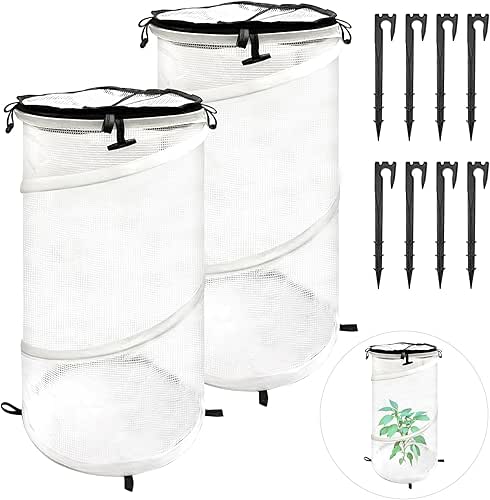
Features and Benefits of Mini Pop-Up Hoop Greenhouses
- Compact design: Suitable for smaller growing areas.
- Lightweight construction: Often easier to move or store than permanent greenhouses.
- Seasonal flexibility: Useful for temporary plant protection.
- Seedling protection: Can reduce direct exposure to wind and rain.
- Simple installation: Many designs require relatively little assembly.
Best suited for: Gardeners with limited space who want temporary protection for seedlings, herbs, and small plants.
Things to consider: Verify the exact dimensions, ventilation features, and anchoring requirements of each product. Avoid placing a greenhouse where it blocks access or creates a safety hazard.
2. Stackable Hoop Greenhouse
A stackable hoop greenhouse is described in the original article as a vertical growing solution for gardeners who want to maximize limited space.
In practice, this concept is often achieved using suitable shelving inside a compact greenhouse or a tiered greenhouse with a protective cover.
Not every tiered greenhouse uses traditional curved hoops, so review the actual structure before choosing this style.
Features and Benefits of Stackable Growing Systems
- Vertical growing: Makes use of space above the ground.
- Organized shelves: Helps separate seed trays, herbs, and small containers.
- Compact footprint: Can be practical where ground space is limited.
- Flexible arrangements: Shelves may be rearranged when supported by the design.
- Easy plant access: Keeps small containers organized.
Best suited for: Gardeners growing seedlings, herbs, and smaller potted plants in limited space.
Things to consider: Confirm shelf weight ratings and ensure the structure is stable. Upper shelves can shade plants below.
Product note: The original article did not include an affiliate shortcode for this category.
3. Portable Hoop Greenhouse
A portable hoop greenhouse provides a flexible growing area that can be relocated or removed when appropriate.
Portable designs may be useful for seasonal gardening, seed starting, and protecting young plants before they are transplanted into outdoor beds.

Features and Benefits of Portable Hoop Greenhouses
- Flexible placement: Can be positioned where suitable sunlight and growing conditions are available.
- Seasonal use: Useful for temporary greenhouse protection.
- Relatively simple assembly: Many portable designs are intended for homeowner installation.
- Plant protection: Helps shelter seedlings and young plants.
- Storage options: Some designs can be disassembled when not needed.
Best suited for: Gardeners who need temporary or seasonal plant protection rather than a permanent greenhouse.
Things to consider: Portable does not mean windproof. Follow the manufacturer’s anchoring and weather guidance, and avoid moving a greenhouse while it contains unsecured plants or equipment.
4. Walk-In Hoop Greenhouse
A walk-in hoop greenhouse provides enough space for gardeners to enter and tend plants directly.
This design is useful for growing vegetables, maintaining seedling areas, arranging containers, and supporting climbing crops.
Walk-in hoop greenhouses are available in different lengths, widths, heights, and frame materials.
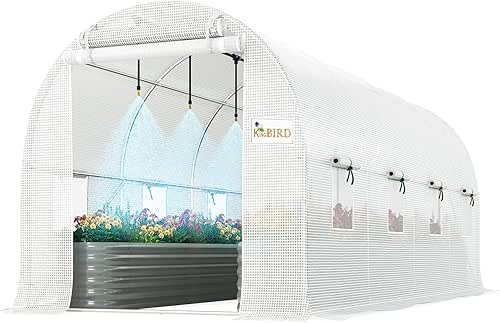
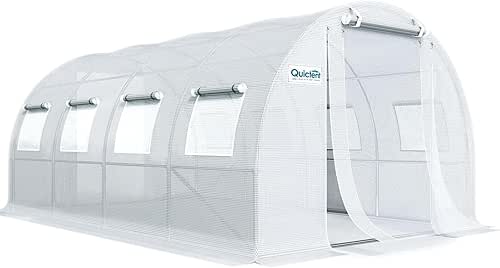

Features and Benefits of Walk-In Hoop Greenhouses
- Spacious growing area: Accommodates more plants than most compact covers.
- Convenient access: Allows gardeners to walk inside for watering and maintenance.
- Versatile layouts: Can support growing beds, containers, and suitable shelving.
- Season extension: Helps protect crops during transitional seasons.
- Vegetable production: Suitable for many greenhouse vegetables when environmental conditions are managed.
- Ventilation options: Some models include doors, windows, or roll-up sides.
Best suited for: Gardeners who want a larger protected growing area for vegetables, herbs, flowers, and seed starting.
Things to consider: Check the greenhouse footprint, door dimensions, frame specifications, covering material, ventilation features, and anchoring system before purchasing.
5. Window-Mounted Hoop Greenhouse
The original article also discusses window-mounted hoop greenhouses as a compact option for growing plants near existing windows.
These are less common than outdoor hoop houses and may resemble small window greenhouses, enclosed shelves, or other compact growing structures rather than traditional tunnel greenhouses.
Features and Benefits of Window-Mounted Growing Structures
- Space-saving design: Uses a small growing area near a window.
- Natural light: Can take advantage of available window sunlight.
- Small plant growing: May suit herbs and compact ornamental plants.
- Convenient access: Plants can be maintained close to the home.
Best suited for: Gardeners who want a compact growing area near a suitable window.
Things to consider: Verify that any mounted structure is designed for the intended location and can be supported safely. Consider window access, condensation, drainage, and structural requirements.
Product note: The original article did not include an affiliate shortcode for this category.
Which Hoop Greenhouse Should You Choose?
For small garden areas and temporary seedling protection, a mini pop-up or portable hoop greenhouse may be appropriate.
Gardeners who want more growing capacity should consider a walk-in hoop greenhouse with adequate ventilation and a suitable anchoring system.
Where vertical space is the main concern, a tiered greenhouse or shelving system may be more practical than a traditional hoop structure.
The best option is the one that fits your available space, local climate, budget, and intended crops.
Benefits of Hoop Greenhouses
1. Affordable Growing Protection
Many hoop greenhouses cost less to purchase or construct than comparable rigid-panel greenhouse structures.
Actual costs depend on greenhouse size, covering material, framing, and included features.
2. Versatile Growing Space
Hoop greenhouses can be used for vegetables, herbs, flowers, seedlings, and other suitable plants.
3. Portable Options
Some lightweight hoop greenhouses can be disassembled or relocated when necessary.
Larger structures may require substantial anchoring and are not intended to be moved frequently.
4. Extended Growing Seasons
Hoop greenhouses can help protect plants during cooler weather and may allow earlier spring planting or later autumn harvests.
5. Protection from Wind and Rain
A properly installed hoop greenhouse shelters plants from direct exposure to certain outdoor weather conditions.
6. Flexible Garden Layouts
Hoop greenhouses can be positioned over garden beds or used as independent growing structures, depending on the design.
7. Opportunities for Different Growing Methods
Suitable hoop greenhouses can accommodate containers, raised beds, vertical trellises, and some hydroponic systems.
Disadvantages of Hoop Greenhouses
Cover Replacement
Flexible greenhouse coverings eventually deteriorate from sunlight, wind, and normal wear.
Temperature Fluctuations
Single-layer coverings may provide limited insulation, allowing rapid temperature changes.
Wind Exposure
Improperly anchored structures may be damaged by strong winds.
Snow Accumulation
Some hoop greenhouses are not designed to support significant snow loads.
Ventilation Requirements
Greenhouses can overheat rapidly without adequate ventilation.
Condensation
Moisture may collect on the interior covering, particularly when humidity is high.
Best Materials for Hoop Greenhouse Construction
Galvanized Steel Hoops
Galvanized steel is commonly used in walk-in hoop greenhouses because it provides structural support and corrosion resistance.
PVC Hoops
PVC may be used for smaller or temporary garden covers.
Its suitability depends on pipe dimensions, exposure conditions, and the intended structure.
Greenhouse-Grade Polyethylene Film
Greenhouse-grade polyethylene film is designed for outdoor growing structures and is available in different thicknesses and formulations.
Reinforced Polyethylene Covers
Reinforced coverings incorporate additional material to improve tear resistance.
Ground Anchors and Base Components
Suitable anchoring components help secure the greenhouse against wind and other loads.
How to Choose the Right Hoop Greenhouse Size
Consider the number of plants you want to grow, their mature size, and whether you need space to walk inside.
| Greenhouse Size | Typical Uses | Considerations |
|---|---|---|
| Small Bed Cover | Seedlings, herbs, and individual garden beds. | Limited height and access. |
| Mini Portable Greenhouse | Small containers and temporary protection. | Requires careful ventilation and anchoring. |
| Medium Walk-In Tunnel | Mixed vegetables, propagation, and container gardening. | Needs practical walkways and growing layout. |
| Large Walk-In Tunnel | Multiple growing beds and larger crop collections. | Requires more substantial site preparation and anchoring. |
Choosing the Best Location for a Hoop Greenhouse
Sunlight
Choose a location that receives sufficient sunlight for the crops you intend to grow.
Drainage
Avoid low-lying areas where rainwater collects around the greenhouse.
Wind Exposure
Consider prevailing winds and select an appropriate anchoring system.
Access to Water
Position the greenhouse where watering and irrigation are convenient.
Maintenance Access
Leave room around the structure for inspection, cleaning, and covering repairs.
How to Set Up a Hoop Greenhouse
Step 1: Measure the Growing Area
Confirm the greenhouse dimensions and mark the intended installation area.
Step 2: Prepare the Ground
Level the site as required and ensure adequate drainage.
Step 3: Install Ground Anchors
Install the foundation or anchoring components specified by the manufacturer.
Step 4: Assemble the Hoops
Connect the curved framing members according to the assembly instructions.
Step 5: Add Structural Bracing
Install ridge poles, braces, and other supports included in the design.
Step 6: Install the Greenhouse Cover
Position and secure the covering according to manufacturer instructions.
Step 7: Install Doors and Ventilation
Ensure that doors, windows, and roll-up openings operate correctly.
Step 8: Check Stability
Inspect all connections and anchoring points before using the greenhouse.
Step 9: Arrange Plants
Set up beds, containers, or shelving while maintaining suitable access.
Step 10: Monitor Growing Conditions
Measure daytime and nighttime temperatures and adjust ventilation as needed.
Ventilation and Temperature Control in Hoop Greenhouses
Roll-Up Sidewalls
Roll-up sidewalls allow additional air movement in compatible tunnel greenhouses.
Zippered Doors
Zippered doors can provide access and help release warm air.
Screened Windows
Screened openings can improve ventilation while reducing the entry of some insects.
Circulation Fans
Fans may help reduce stagnant air in larger structures.
Shade Cloth
Shade cloth can reduce excessive solar heating during hot weather.
Temperature Monitoring
A greenhouse thermometer helps gardeners identify excessive daytime heat and low overnight temperatures.
Heating a Hoop Greenhouse in Winter
Hoop greenhouses can provide useful seasonal protection, but they do not automatically maintain warm temperatures during freezing weather.
Supplemental Heating
Appropriate greenhouse heaters may be necessary for frost-sensitive crops.
Additional Row Covers
Lightweight row covers may provide extra protection for suitable crops inside a hoop greenhouse.
Double-Layer Covering
Some greenhouse designs use two layers of film with an inflated air space to improve insulation.
This approach requires compatible construction and equipment.
Thermal Mass
Water containers and other materials can store some daytime warmth and release it later.
They do not replace heating during prolonged freezing conditions.
Winter Weather Preparation
Follow manufacturer instructions for snow removal, anchoring, and severe weather.
Best Vegetables and Herbs for Hoop Greenhouses
Lettuce
Lettuce is a useful crop for cooler greenhouse growing periods.
Spinach
Spinach can grow well in suitable cool-season conditions.
Kale
Kale can be grown in greenhouse beds during cooler weather.
Radishes
Radishes are relatively quick-growing and can be useful for short crop cycles.
Tomatoes
Tomatoes can be grown in larger hoop greenhouses with suitable light, warmth, support, and pollination.
Cucumbers
Cucumbers can be trained vertically in walk-in tunnel greenhouses.
Peppers
Peppers benefit from warm growing conditions and consistent watering.
Herbs
Basil, parsley, oregano, and other herbs can be grown in suitable containers or greenhouse beds.
Watering and Irrigation for Hoop Greenhouses
Hand Watering
Watering cans and hoses are practical for smaller hoop greenhouses.
Drip Irrigation
Drip systems deliver water near plant roots and may help reduce unnecessary moisture on foliage.
Automatic Irrigation
Timers and controllers can simplify watering routines when properly configured.
Moisture Monitoring
Check soil or growing-media moisture regularly rather than relying entirely on fixed watering schedules.
Humidity Management
Avoid excessive humidity that can encourage fungal problems.
Tips for Maintaining a Hoop Greenhouse
Inspect the Cover Regularly
Look for tears, loose fasteners, and signs of material deterioration.
Check Frame Connections
Inspect hoops, braces, and connectors for damage or movement.
Maintain Anchoring
Confirm that ground anchors and other securing components remain effective.
Keep the Greenhouse Clean
Remove plant debris, weeds, and unused containers.
Monitor Pests and Diseases
Inspect plants frequently and address problems before they spread.
Prepare for Severe Weather
Follow manufacturer guidance for wind, snow, and other weather events.
Replace Worn Coverings
Use compatible replacement materials when greenhouse coverings become damaged or deteriorated.
Common Hoop Greenhouse Problems and Solutions
Overheating
Problem: Interior temperatures rise excessively during sunny weather.
Solution: Improve ventilation and use appropriate shading when needed.
Excessive Condensation
Problem: Moisture accumulates on the inside of the greenhouse covering.
Solution: Improve airflow and avoid unnecessary overwatering.
Cover Damage
Problem: Wind or normal wear damages the greenhouse film.
Solution: Inspect and repair or replace damaged covering materials using approved methods.
Poor Anchoring
Problem: The greenhouse shifts or becomes unstable.
Solution: Review the manufacturer’s installation requirements and correct the anchoring system.
Cold Nighttime Temperatures
Problem: Greenhouse temperatures fall below plant requirements.
Solution: Use appropriate frost protection, insulation, or supplemental heating.
Pest Problems
Problem: Insects or diseases affect greenhouse crops.
Solution: Inspect plants regularly, maintain sanitation, and use appropriate pest-management methods.
Frequently Asked Questions About Hoop Greenhouses
1. Can I use a hoop greenhouse for tropical plants?
Yes, if suitable temperature, humidity, and light conditions can be maintained. Tropical plants may require supplemental heating during cooler weather.
2. Are hoop greenhouses suitable for year-round gardening?
Some hoop greenhouses can support year-round gardening, depending on climate, structural design, and environmental controls.
3. Can I grow vegetables in a hoop greenhouse?
Yes. Hoop greenhouses can support many vegetables, including leafy greens, tomatoes, peppers, and cucumbers when conditions are suitable.
4. How often should I water plants in a hoop greenhouse?
Watering frequency depends on crop type, soil moisture, temperature, container size, and growing conditions.
5. Can I customize the size of a hoop greenhouse?
Some hoop greenhouse designs can be extended or customized, but modifications should follow manufacturer guidance and structural requirements.
6. What is the difference between a hoop house and a traditional greenhouse?
Hoop houses typically use curved framing and flexible coverings, while traditional greenhouses may use rigid framing and glass or polycarbonate glazing.
7. Do hoop greenhouses need foundations?
They require suitable support and anchoring. The exact installation method depends on greenhouse size, design, soil, and local weather.
8. Are hoop greenhouses good for beginners?
Yes. Compact hoop greenhouses can be practical for beginners who want to start seeds or extend their growing season.
9. How long does a hoop greenhouse cover last?
Cover lifespan depends on material quality, UV stabilization, weather exposure, installation, and maintenance.
10. Can I use a hoop greenhouse in winter?
Yes, but freezing temperatures may require additional insulation or heating depending on the plants being grown.
11. What is the best covering for a hoop greenhouse?
Greenhouse-grade polyethylene film and suitable reinforced coverings are common choices. Select a covering compatible with your greenhouse frame and climate.
12. How do I keep a hoop greenhouse from blowing away?
Install the manufacturer-recommended anchoring system and follow all wind-related installation requirements.
13. Do hoop greenhouses need ventilation?
Yes. Adequate ventilation is essential to prevent overheating and excessive humidity.
14. Can I grow tomatoes in a hoop greenhouse?
Yes. Walk-in hoop greenhouses can provide space for tomatoes when adequate light, temperature, support, irrigation, and pollination are maintained.
15. Is a hoop greenhouse cheaper than a polycarbonate greenhouse?
Many hoop greenhouses have lower initial costs than similarly sized rigid-panel greenhouses. However, long-term costs depend on cover replacement, maintenance, installation, and operating requirements.
Recommended Reading
Explore these related greenhouse guides to learn more about greenhouse designs, materials, and growing equipment:
- Polytunnel Greenhouse — Learn about tunnel-style greenhouse construction and growing methods.
- Best Large Greenhouses for Your Backyard — Compare larger greenhouse designs and features.
- Best Small Greenhouse for Your Backyard — Explore compact greenhouse options.
- Best Polycarbonate Greenhouses for Your Backyard — Compare rigid-panel greenhouse designs.
- Cold Frame Greenhouses — Learn about smaller structures for seasonal plant protection.
Final Thoughts: Choosing the Best Hoop Greenhouse for Home Gardening
The best hoop greenhouses for home gardening provide an affordable and flexible way to protect plants, extend the growing season, and create additional growing space.
For gardeners with limited room, mini pop-up and portable hoop greenhouses may be practical options. Those planning to grow larger vegetable crops or maintain multiple growing beds may prefer a walk-in hoop greenhouse.
Whatever design you choose, prioritize suitable materials, adequate ventilation, secure anchoring, and enough growing space for your plants.
With proper installation and maintenance, a hoop greenhouse can become a valuable addition to your home garden.
For more greenhouse designs, growing tips, and equipment guides, visit Greenhouse Guide.